The Nutritional Landscape of Modern Plant-Based Soups
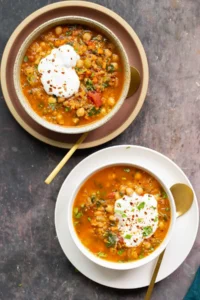
The shift toward plant-based consumption is largely driven by data demonstrating the long-term health benefits of legumes and root vegetables. Lentils, a staple in many global cuisines, are recognized by nutritionists for their high density of polyphenols and B-vitamins. A single serving of this soup contains approximately 20 grams of protein and 14 grams of fiber, meeting a significant portion of the recommended daily intake for adults. Furthermore, the inclusion of 8 milligrams of iron—nearly 44% of the daily value—addresses a common nutritional gap in many vegetarian diets.
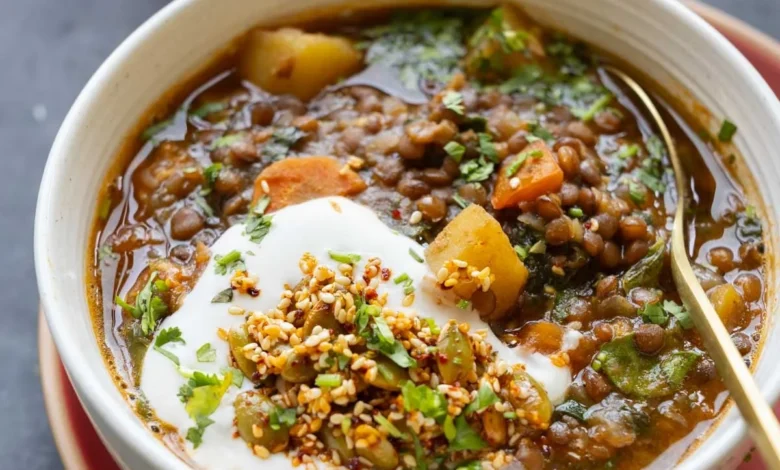
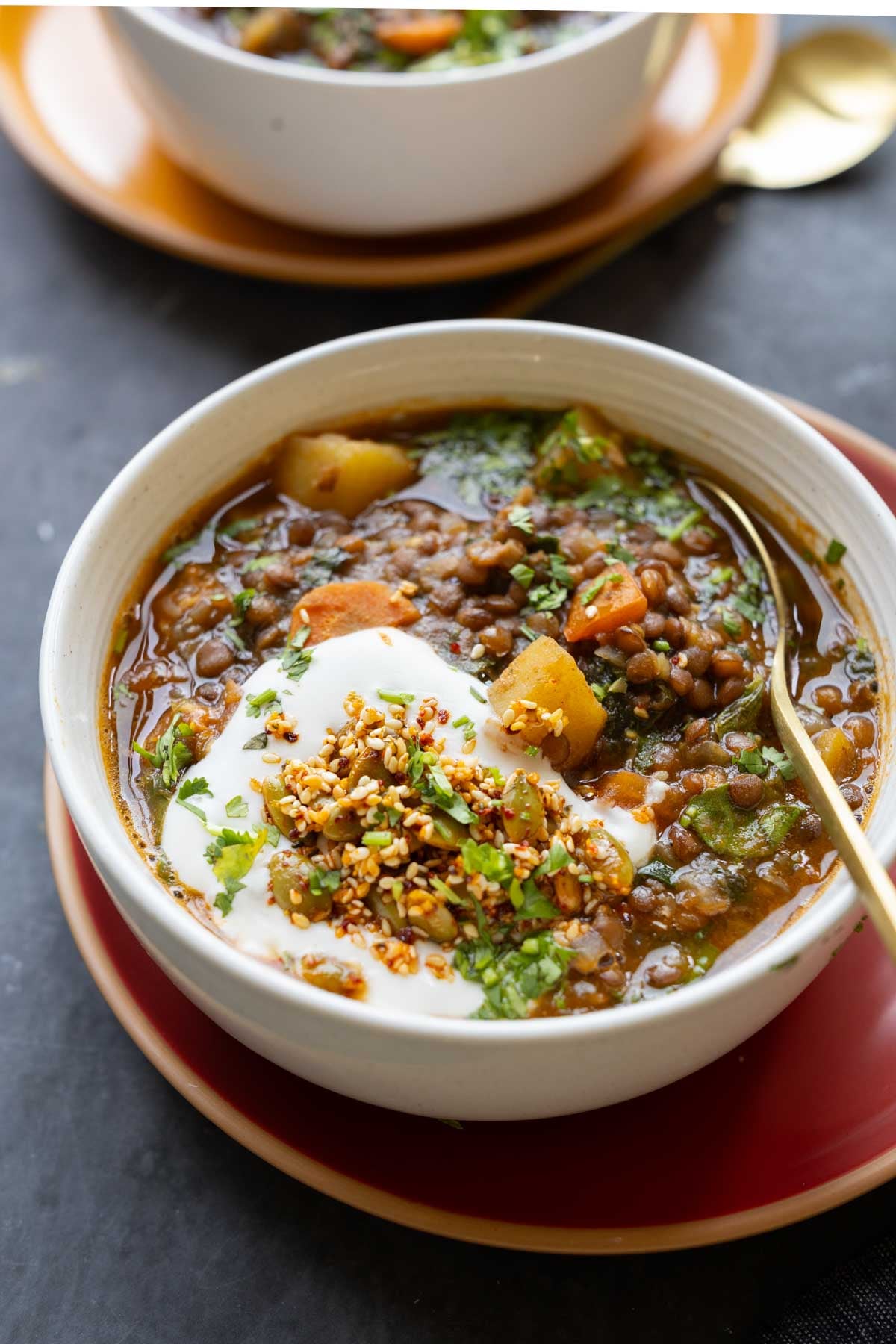
The integration of a seed-based topping consisting of pumpkin, hemp, and sesame seeds serves a functional purpose beyond flavor. These seeds are concentrated sources of magnesium, zinc, and omega-3 fatty acids. Magnesium is vital for muscle and nerve function, while zinc plays a crucial role in immune system efficacy. This dual-layer approach—a nutrient-rich broth paired with a mineral-dense topping—creates a holistic meal that maximizes bioavailability and satiety.
Culinary Methodology and Flavor Profiling
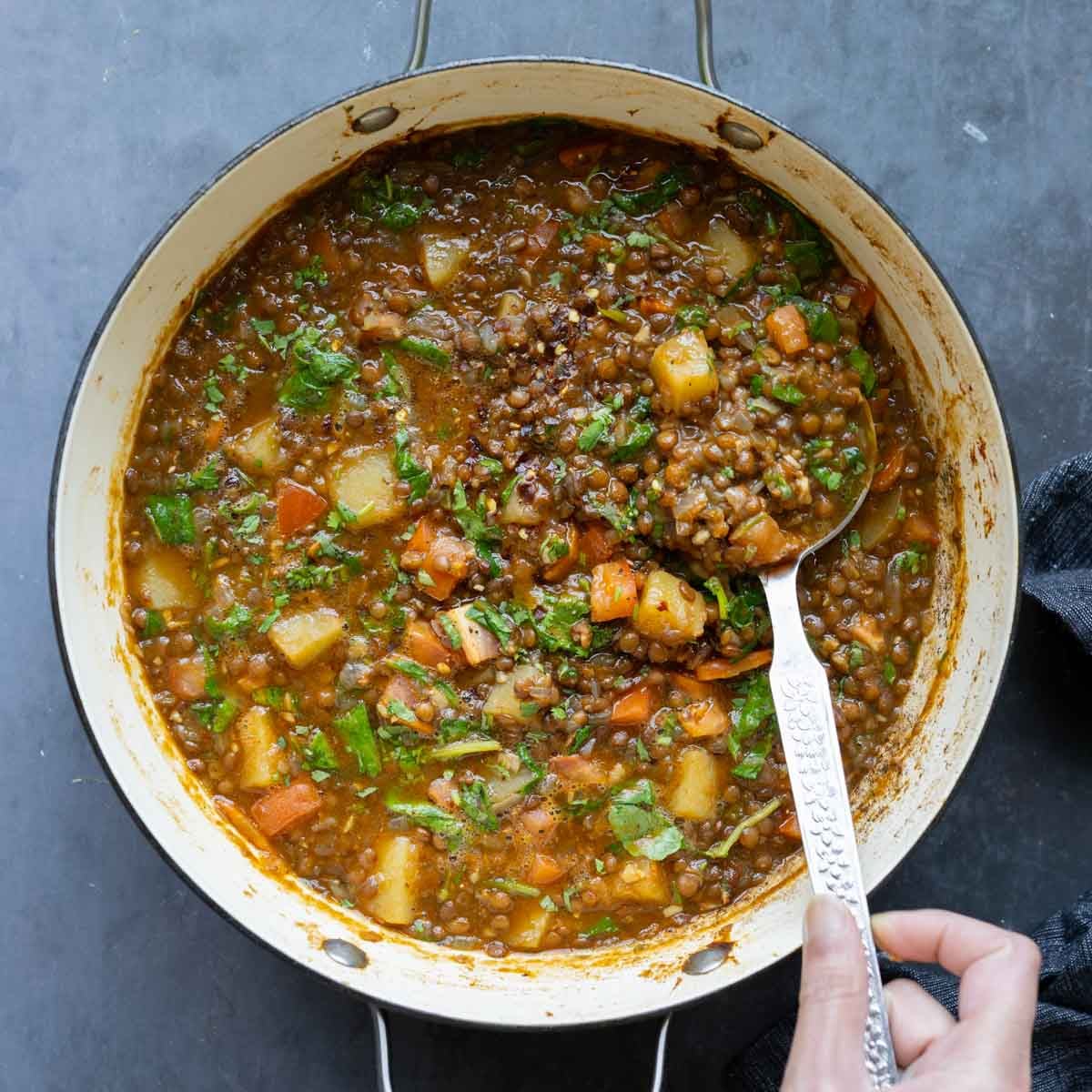
The preparation of this dish employs a structured culinary technique designed to maximize umami without the need for animal products. The process begins with the "blooming" of garlic in oil at low temperatures, a technique that extracts allium aromatics before the introduction of other vegetables. This is followed by the caramelization of tomato paste, which adds a layer of depth and acidity, creating a savory foundation for the lentils to absorb during the simmering process.
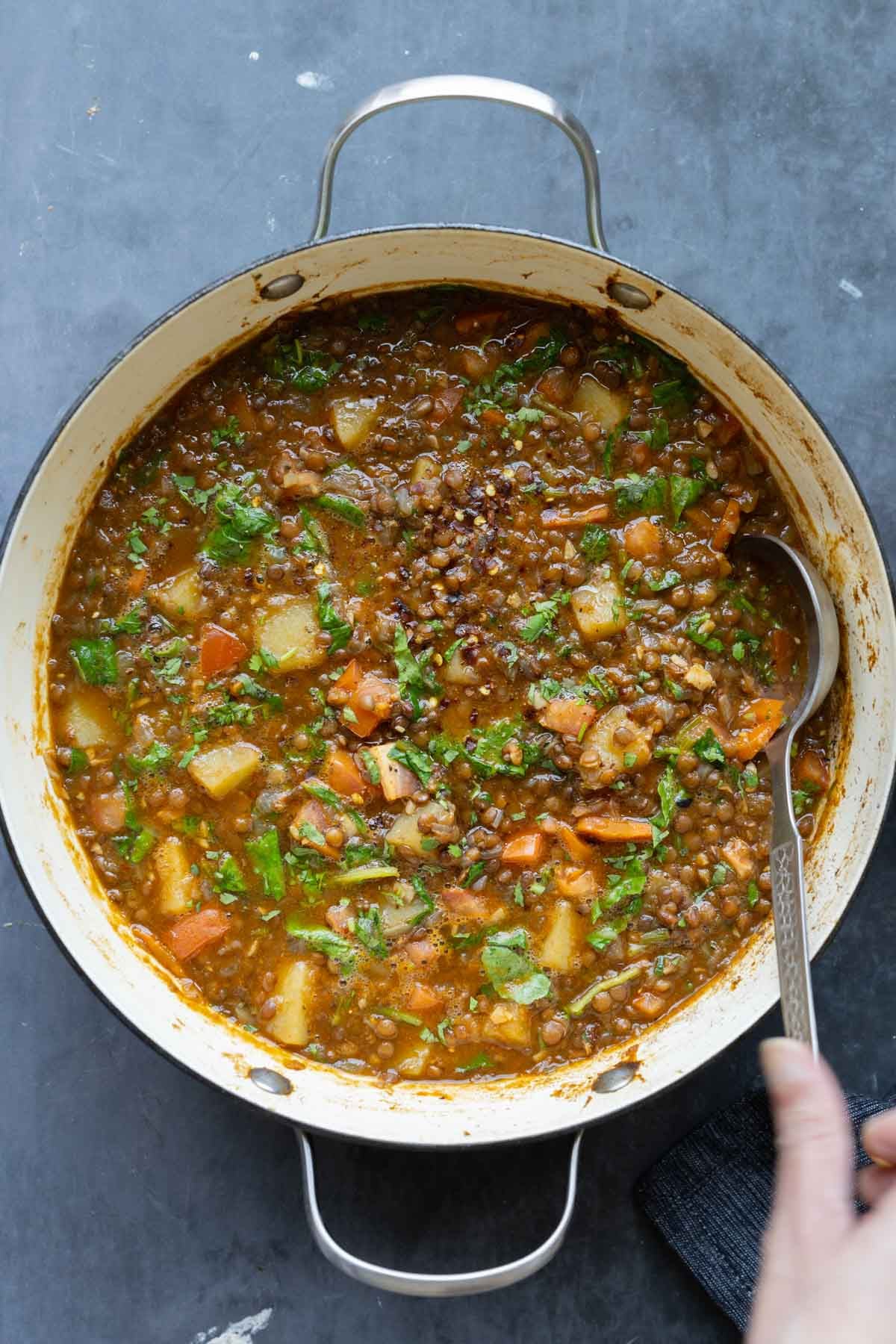
The flavoring strategy relies on a sophisticated spice profile. By utilizing a blend of coriander, cumin, onion powder, and smoked paprika, the soup mimics the complex, earthy notes found in traditional harissa. The addition of kale during the final stage of cooking preserves the integrity of the greens, ensuring that heat-sensitive vitamins, such as Vitamin C and Vitamin K, remain intact. The intentional timing of adding potatoes—midway through the cooking process—ensures a desirable texture, preventing the starch from breaking down into the broth and maintaining the structural integrity of the soup.
Chronology of Preparation
From a production standpoint, the soup is designed for scalability and home-kitchen efficiency. The preparation typically follows a four-stage timeline:
- Aromatic Base Development: Sautéing garlic and onions creates the flavor foundation.
- Broth and Pulse Integration: Adding vegetable stock and lentils sets the base for protein extraction and broth infusion.
- Starch and Micronutrient Addition: Introducing potatoes and kale in the final minutes ensures proper texture and nutrient retention.
- Topping Composition: The toasted seed mixture is prepared separately to ensure the seeds maintain their crunch and the lemon zest remains aromatic.
Dietary Implications and Allergen Considerations
As global food supply chains grapple with the rise in dietary restrictions, the importance of "free-from" recipes has never been higher. This lentil potato soup is naturally gluten-free, soy-free, and nut-free, making it an inclusive meal option for diverse households. By avoiding common allergens while maintaining a high protein content, the dish serves as a viable alternative for individuals with celiac disease, soy intolerances, or nut allergies.
Furthermore, the flexibility of the recipe allows for the inclusion of various protein boosters, such as roasted chickpeas or tofu crumbles, enabling consumers to customize the calorie density based on their specific physical activity levels. This versatility is essential for long-term dietary adherence, as it allows the dish to remain a staple in a variety of eating patterns.
Economic and Sustainability Context
Lentils are considered one of the most environmentally friendly crops available to modern agriculture. They require significantly less water than most protein sources and are nitrogen-fixing, meaning they enrich the soil in which they are grown. By promoting recipes that center on lentils and potatoes, the food industry can encourage more sustainable consumption habits. Furthermore, the shelf-stability of dried lentils and the affordability of potatoes make this dish a fiscally responsible choice for families, particularly in an economic climate defined by rising food costs.
Expert Analysis on Micronutrient Density
Nutrition experts often emphasize the importance of "nutrient synergy"—the idea that the combination of certain foods enhances their individual benefits. In this soup, the Vitamin C found in the potatoes and kale significantly improves the absorption of non-heme iron present in the lentils. This biochemical interaction ensures that the body can utilize the nutrients more effectively than it would if the ingredients were consumed in isolation. The addition of healthy fats from the seeds further aids in the absorption of fat-soluble vitamins (A, D, E, and K), turning a simple soup into a comprehensive nutritional system.
Long-term Storage and Food Waste Reduction
The recipe also addresses the growing concern of food waste. Because the soup retains its quality when refrigerated for up to four days or frozen for several months, it facilitates meal prepping and reduces the likelihood of discarded leftovers. The ability to thaw and reheat the soup on the stove without significant degradation of flavor—though minor textural changes in the potatoes may occur—makes it an ideal candidate for batch cooking.
Broader Impact on Home Cooking Trends
The popularity of this specific recipe highlights a broader trend in home cooking: the move toward "functional flavor." Consumers are no longer satisfied with meals that simply taste good; there is a rising demand for meals that perform a service, whether that be providing high protein for post-workout recovery or delivering essential minerals to support immune health. By providing clear, science-backed information on the nutrient profile of each ingredient, this recipe empowers the home cook to take control of their nutritional intake.
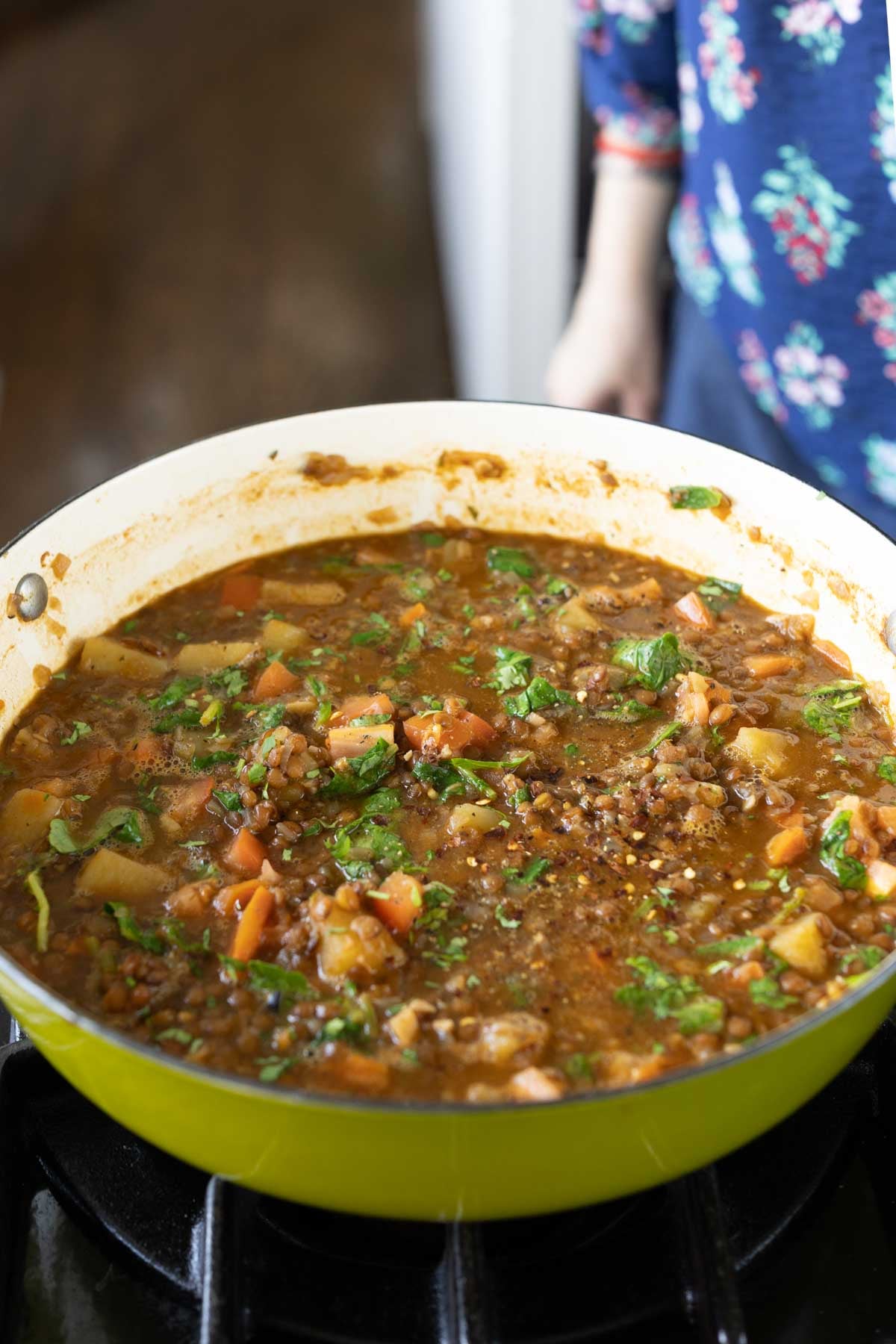
In summary, the lentil potato soup with a toasted seed topping represents the intersection of culinary tradition and nutritional science. It utilizes fundamental cooking techniques to elevate humble, affordable ingredients into a meal that is both physically restorative and gastronomically satisfying. As the culinary world continues to lean into plant-based innovation, recipes that prioritize both the "why" and the "how" of nutrition will continue to play a vital role in public health and home-kitchen sustainability.