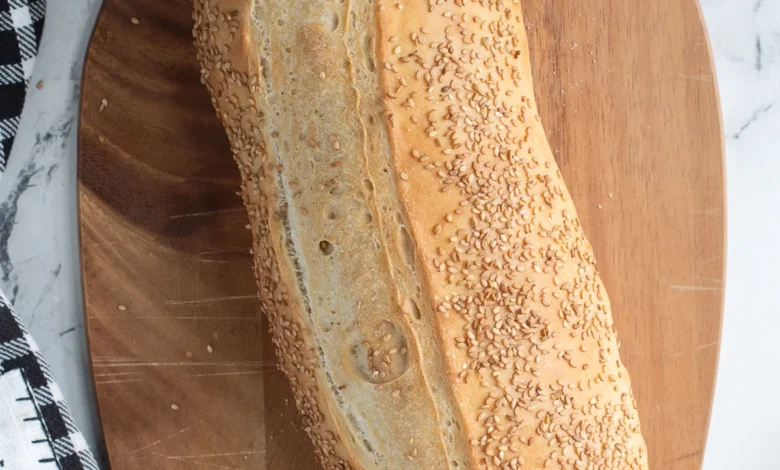
The resurgence of artisanal baking in domestic kitchens has seen a notable shift toward the mastery of classic, regional staples, specifically the iconic torpedo-shaped Italian loaf. Renowned for its distinctively thin, crackly crust and a cloud-like, airy crumb, this bread serves as a cornerstone of the culinary heritage found throughout the New York and New Jersey metropolitan areas. While commercial grocery store options have long dominated the market, a growing movement of home bakers is returning to fundamental fermentation techniques to recreate the high-quality, bakery-style bread that defined a generation of Italian-American dining.
The Science of Cold Fermentation
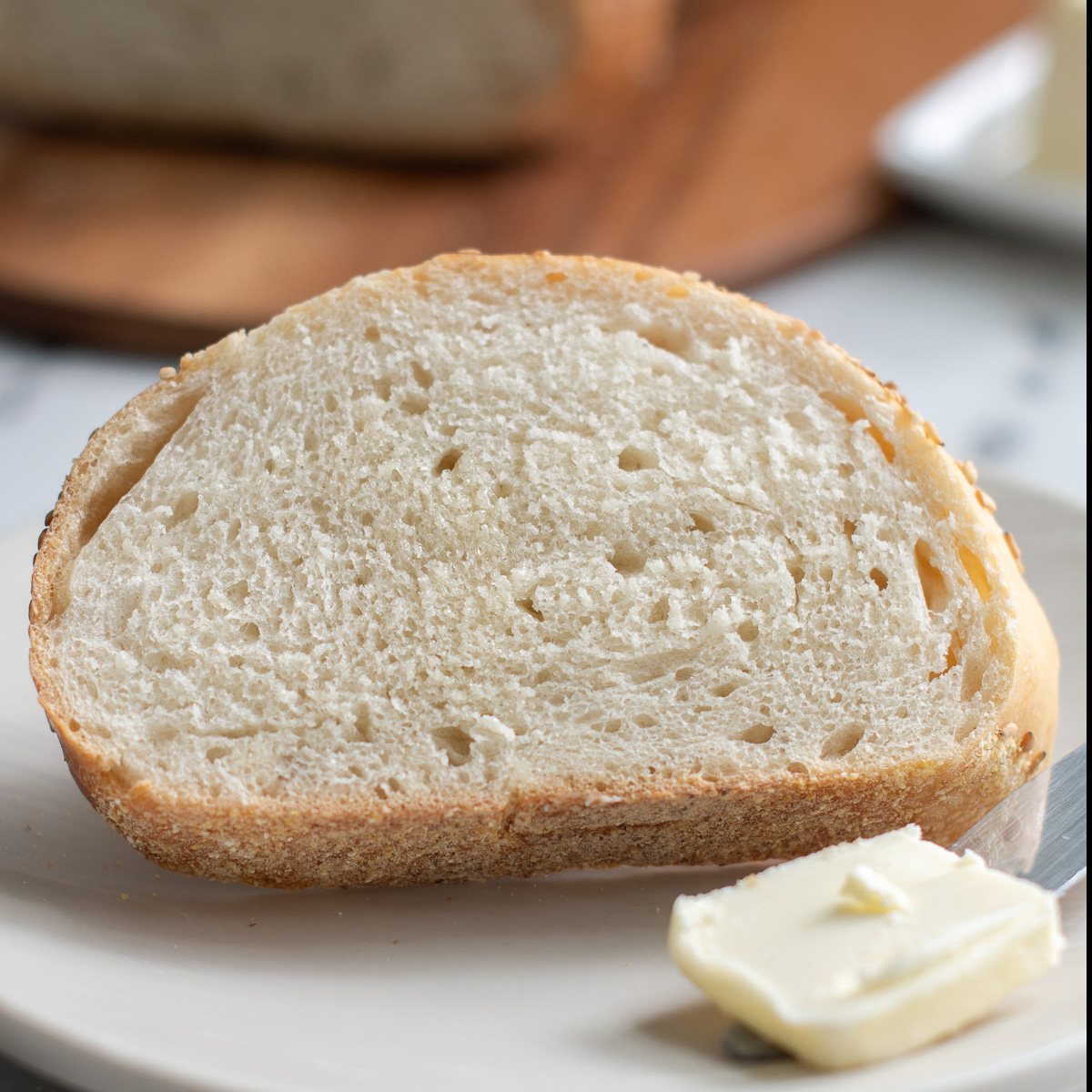
At the heart of this revival is the application of overnight cold fermentation. This technique, often referred to by professional bakers as "retarding the dough," is a critical factor in achieving the complex flavor profiles and superior textural integrity associated with high-end artisanal loaves. By slowing the yeast’s metabolic activity through refrigeration, bakers allow for a prolonged development period.
During this extended rise, enzymes within the flour—specifically amylase and protease—have sufficient time to break down complex starches into simpler sugars. These sugars are then metabolized by the yeast and lactic acid bacteria, resulting in the production of organic acids and esters. These compounds are responsible for the subtle, tangy depth of flavor that distinguishes a cold-fermented loaf from one processed at room temperature over a few hours. Furthermore, this process facilitates the strengthening of the gluten network, leading to a more extensible dough that is easier to shape and exhibits superior "oven spring"—the rapid expansion of the loaf during the first few minutes of baking.
Historical Context and Regional Significance
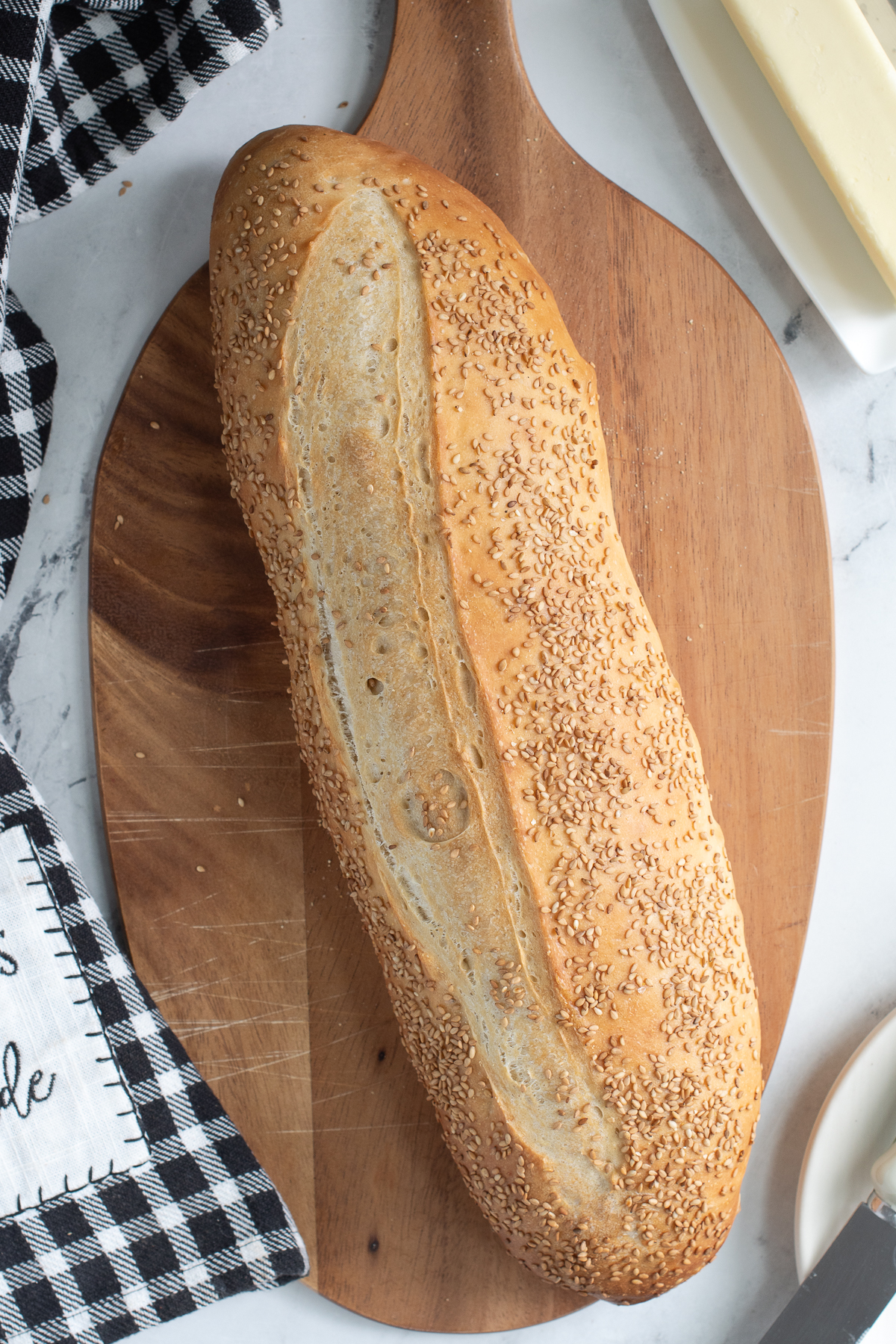
The "torpedo" shape, characterized by its slightly wider, robust profile, holds significant cultural weight in the Northeastern United States. Historically, Italian immigrants brought various regional bread-making traditions to the New York/New Jersey corridor, where these techniques were adapted to local ingredients and the demands of a fast-paced, industrializing society. Unlike the slender French baguette, which relies on a specific ratio of surface area to crumb to achieve its signature crunch, the Italian torpedo loaf was designed for utility. Its wide, soft interior is uniquely suited for soaking up tomato-based sauces or providing a sturdy structural foundation for substantial, layered sandwiches.
The evolution of this bread in the United States reflects a broader trend of culinary preservation. As standardized mass production began to prioritize shelf-life over organoleptic quality, the traditional characteristics of the torpedo loaf—namely the thin, crisp crust achieved through high-heat baking and steam—were largely lost in commercial retail. Today’s home-baking movement acts as a corrective measure, utilizing updated methodologies to restore the standards of the mid-20th-century neighborhood bakery.
Chronology of the Baking Process
The production of this artisanal bread follows a disciplined, multi-stage timeline designed to maximize quality. The process typically spans approximately 10 hours, though it is frequently divided over two days to accommodate the cold fermentation phase.
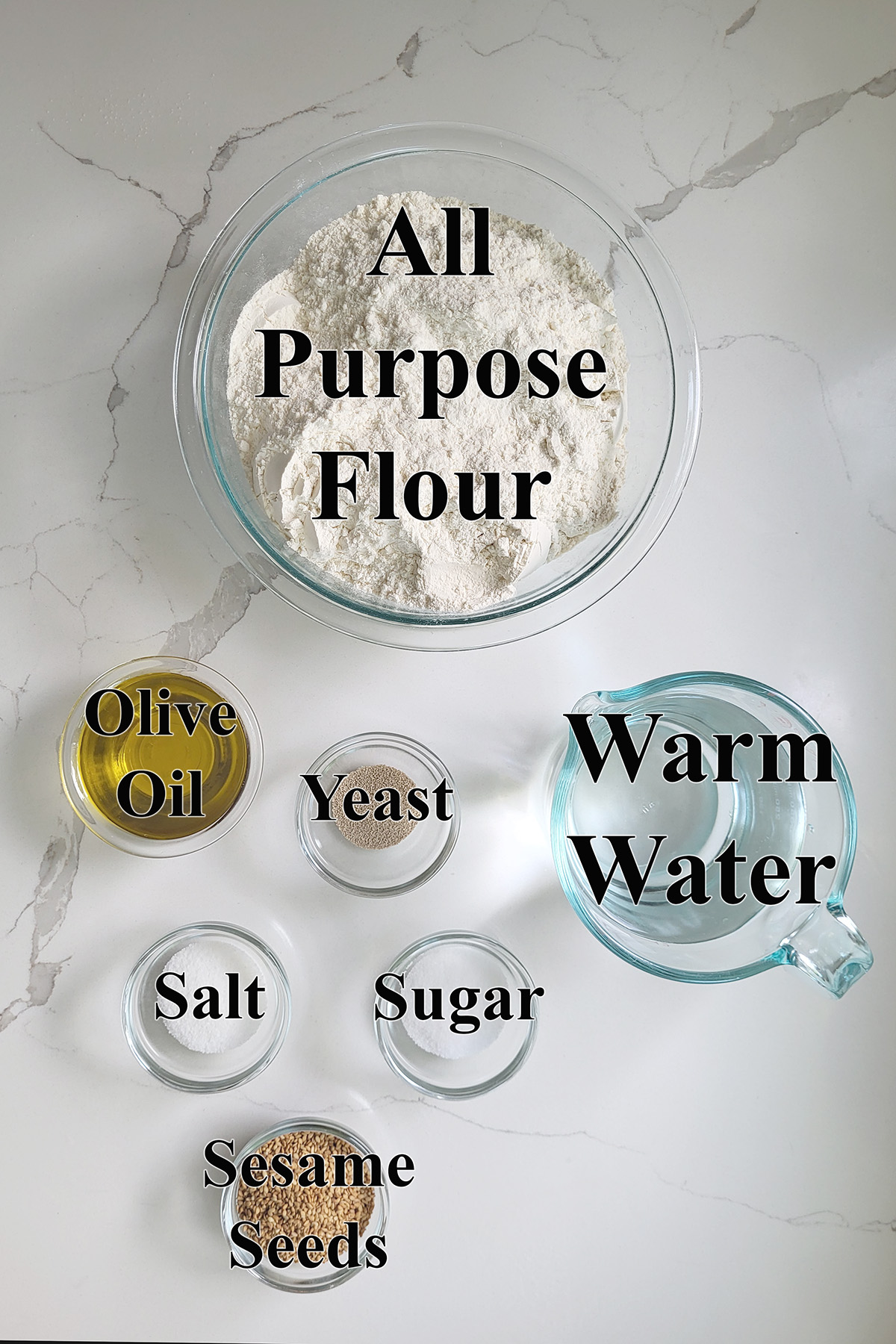
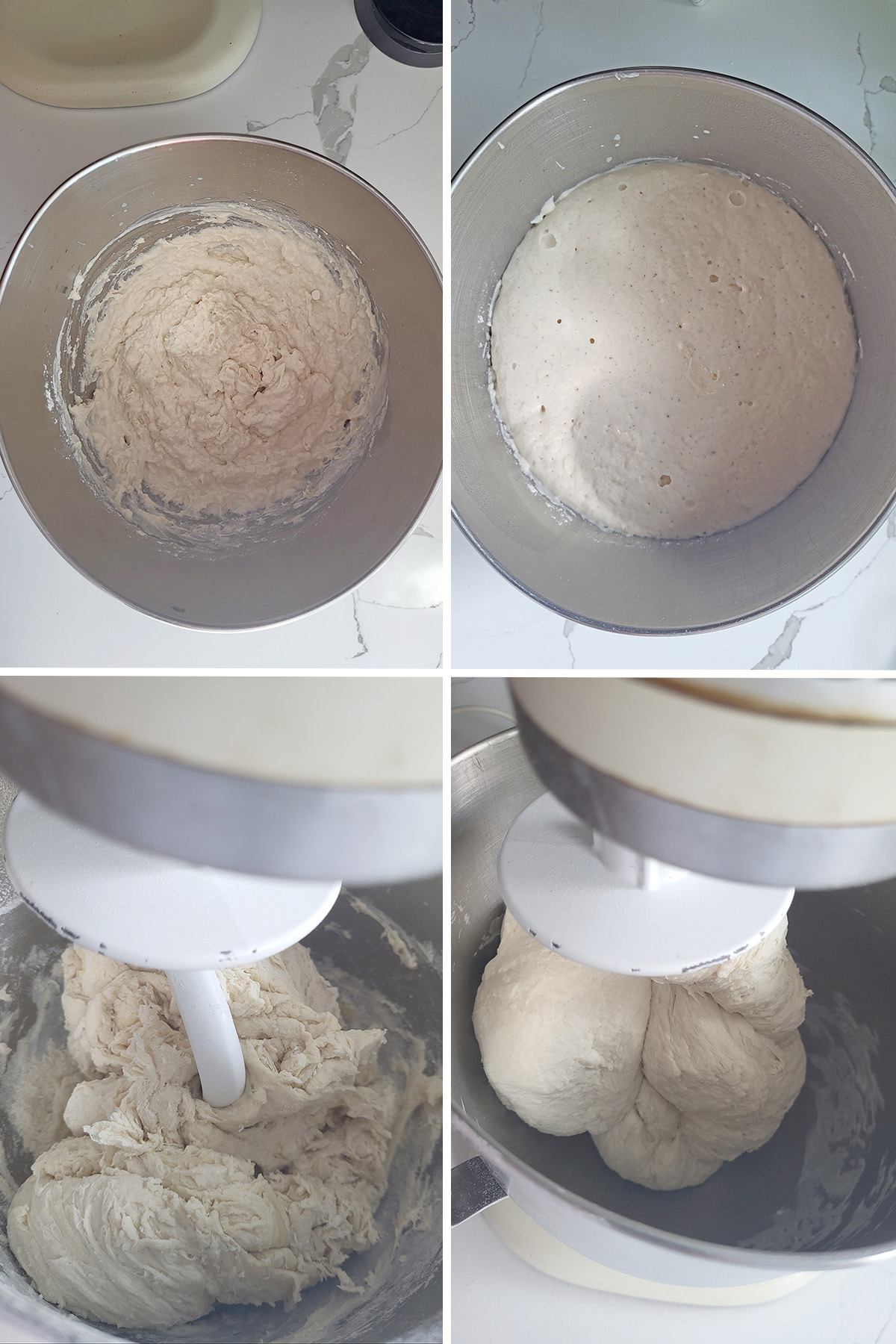
- Mixing and Initial Kneading: The process begins by combining high-protein bread flour, water, yeast, and salt. Proper hydration is essential, and professional bakers emphasize the "dip and sweep" method for measuring flour by volume to avoid the common pitfall of over-packing, which can lead to dense, dry results.
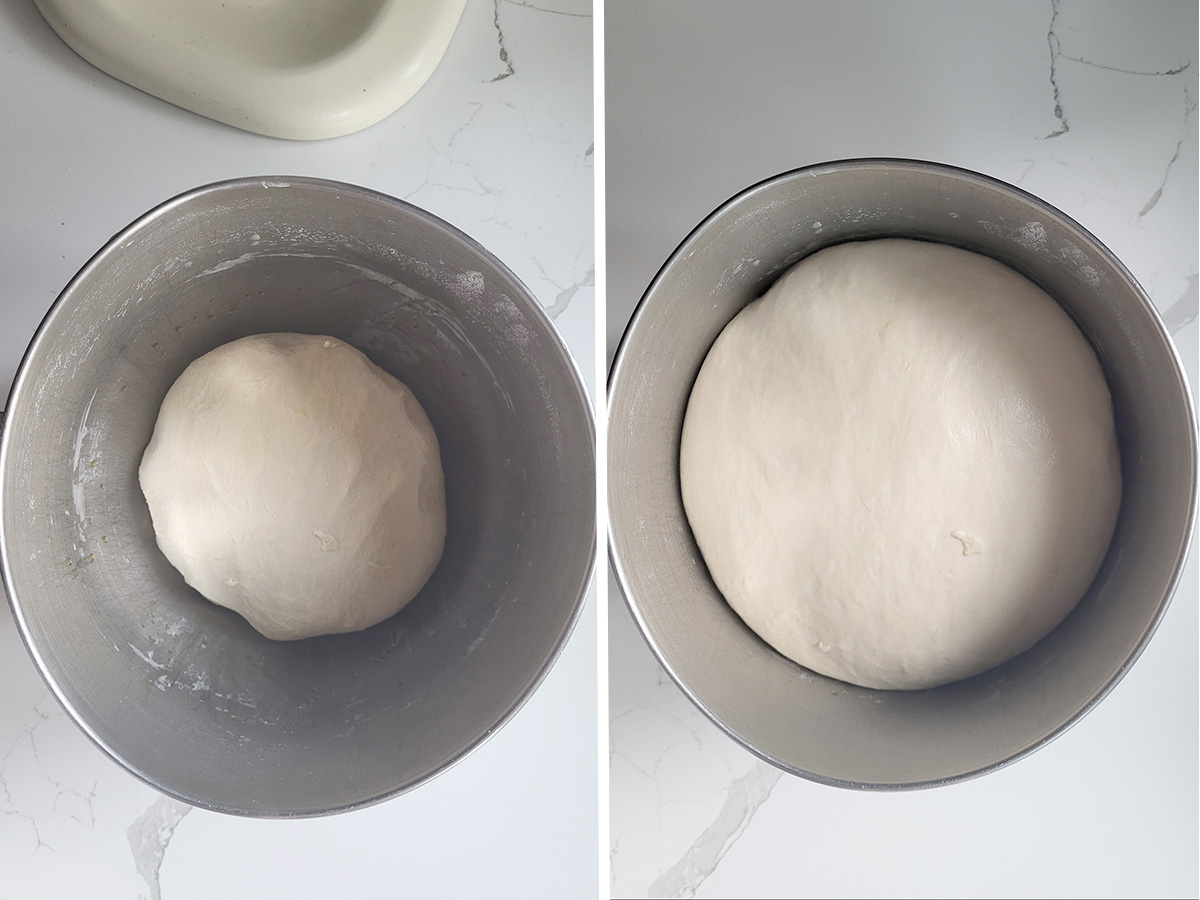
- Primary Fermentation: The dough undergoes an initial rest to allow for gluten development.
- The Cold Retard: The dough is placed under refrigeration for at least 8 to 24 hours. This is the stage where the structural and flavor-based transformations occur.
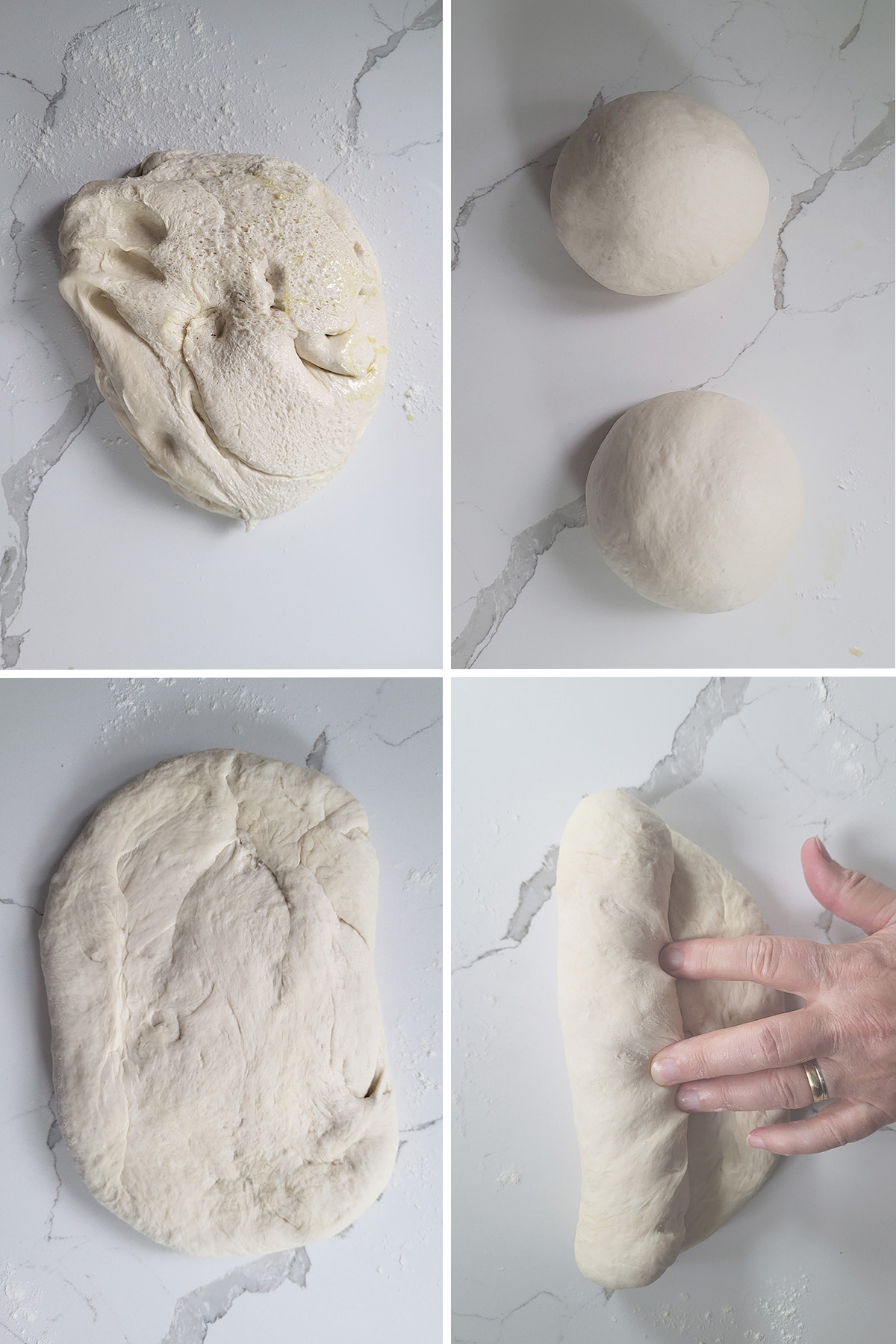
- Shaping: Once the dough has returned to a manageable temperature, it is divided and shaped into the traditional torpedo form. Proper tensioning during this phase is vital to ensure the loaf holds its shape in the oven.
- Final Proof and Scoring: Before baking, the loaves undergo a final rise. Scoring—the practice of making shallow slashes on the surface—allows for controlled expansion and prevents the crust from tearing unevenly.
- High-Temperature Baking: The final stage requires a hot oven to ensure the crust sets quickly, creating the characteristic "crackly" exterior while preserving the moisture within the crumb.
Technical Data and Nutritional Considerations
For those adhering to strict nutritional guidelines, the artisanal approach offers a transparent alternative to store-bought bread, which often contains preservatives, emulsifiers, and high-fructose corn syrup. A single slice of this traditional Italian bread contains approximately 111 kilocalories, with 21 grams of carbohydrates and 3 grams of protein.
The low fat content—approximately 2 grams per slice—makes it a versatile component of a Mediterranean-style diet. Unlike many commercial products, this bread relies on the natural interplay of flour, water, yeast, and salt. Because the recipe does not rely on added fats or sugars for texture, the nutritional profile remains clean and predictable. The reliance on weight-based measurements, rather than volume, is a standard adopted by professional kitchens to ensure consistency, as even minor deviations in flour weight can significantly alter the hydration levels and, consequently, the final crumb structure.
Broader Implications for Home Baking
The shift toward at-home production of such staples indicates a broader consumer demand for authenticity and food security. When bakers move away from hyper-processed, shelf-stable loaves, they gain agency over the quality of their intake. This trend is supported by a growing ecosystem of digital resources—ranging from professional-grade bread-making guides to specialized online communities—that provide the technical support once only available through formal culinary apprenticeship.
Furthermore, the versatility of the Italian torpedo loaf makes it a high-value skill for the modern home cook. Its ability to serve as a base for garlic bread, a vessel for paninis, or a simple accompaniment to pasta dishes reduces the reliance on pre-packaged, low-quality alternatives. The economic efficiency of home baking, even when utilizing premium, stone-ground flours, remains high when compared to the rising costs of artisanal breads at boutique bakeries.
Expert Guidance and Troubleshooting
Achieving the perfect loaf requires more than just following a set of instructions; it requires an understanding of the variables at play. Temperature control is perhaps the most significant variable in the home environment. Because domestic ovens vary in their ability to maintain consistent heat and moisture, many bakers employ tools such as baking stones or steam-injection techniques to mimic the performance of a professional hearth oven.
For those encountering challenges with crumb structure or crust thickness, experts often point to the "Bread Hub" methodology—a systematic approach to troubleshooting that involves auditing the dough’s hydration level and the length of the fermentation cycle. Common issues such as an overly tough crust can often be mitigated by adjusting the steam levels in the oven during the first ten minutes of the bake, while a dense crumb is usually an indicator of insufficient fermentation time or inadequate gluten development during the initial mixing phase.
Ultimately, the act of baking this bread serves as an exercise in patience and precision. By honoring the traditional methods of the past and applying the modern understanding of bread science, the home baker can achieve a product that not only meets but exceeds the quality of most commercially available options. The result is a loaf that respects its regional history while serving the needs of the contemporary kitchen, proving that the best culinary outcomes are often the result of time, temperature, and a commitment to foundational techniques.