The Ultimate Guide to Baking Flaky Lemon White Chocolate Scones with Crème Fraîche

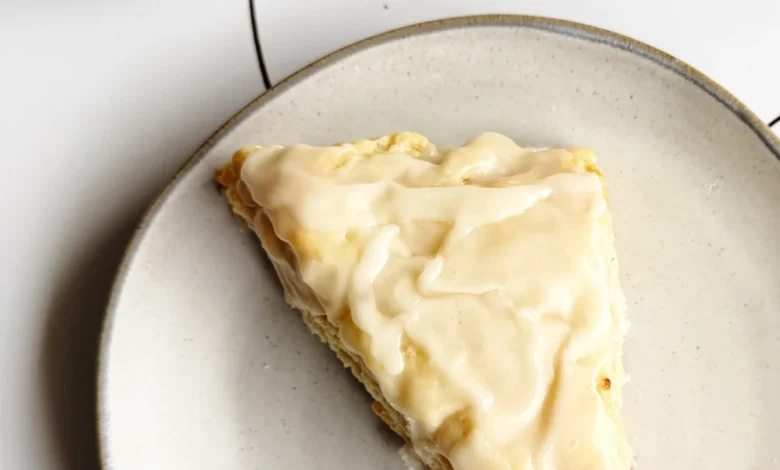
The culinary world has long debated the legitimacy of incorporating chocolate into traditional British-style scones, a pastry historically celebrated for its restraint, flaky crumb, and subtle sweetness. While purists often argue that chocolate compromises the delicate, buttery profile of a classic scone, contemporary bakers and pastry chefs continue to challenge this dogma. Among the most successful departures from convention is the pairing of sharp, vibrant citrus with the creamy, rich sweetness of white chocolate. This combination has recently gained traction in professional and home kitchens alike, exemplified by artisan recipes that utilize seasonal citrus fruits during the transitional, cooler months of early spring.
Main Facts and Culinary Mechanics
The recipe in question, developed by experienced bakers navigating the lingering winter climate of the Upper Midwest, relies on specific chemical and structural techniques to achieve an optimal balance of texture and flavor. Traditional scone recipes often yield a dry or crumbly product if handled incorrectly. To counteract this, modern adaptations incorporate crème fraîche and an additional egg yolk into the enriched dough base. Crème fraîche, a high-fat cultured cream originating in France, introduces both moisture and a subtle tang that complements the acidity of fresh lemon zest and juice. Meanwhile, the extra egg yolk provides essential emulsifiers and fats, enhancing tenderness and contributing to a rich, golden crumb.
A defining characteristic of a superior scone is its height and flakiness, achieved not through chemical leaveners alone, but through mechanical lamination of the dough. By incorporating cold butter—typically cut down to the size of small peas—and repeatedly folding the dough over itself prior to shaping, bakers create distinct layers of fat and flour. When baked in a hot oven, the water in the butter evaporates, creating steam pockets that force the pastry to rise vertically while maintaining a tender interior. Furthermore, incorporating white chocolate requires precise execution. Because white chocolate contains cocoa butter, milk solids, and sugar without the cocoa solids found in dark or milk chocolate, it does not melt at the same rate or possess the same heat resistance. Culinary experts emphasize the necessity of chopping white chocolate into small, uniform pieces to ensure even distribution throughout the dough and to prevent pockets of scorching during high-heat baking.

Chronology and Seasonal Context
The reliance on citrus fruits during the months of March and April is deeply rooted in the agricultural calendar of regions experiencing protracted winters, such as Minnesota. While agricultural logistics ensure year-round availability of tropical and subtropical produce in modern global markets, the psychological and culinary association of citrus with late winter and early spring dates back centuries. Historically, citrus fruits harvested in late winter served as a vital source of vitamin C and a sensory antidote to dreary, snow-laden landscapes.
In contemporary home baking trends, the transition from winter squashes and heavy spices to bright citrus flavors typically occurs between January and April. Navel lemons, Meyer lemons, and blood oranges dominate this period, offering high acidity and striking visual contrast against gray weather patterns. The preparation of these specific scones follows a meticulous timeline:
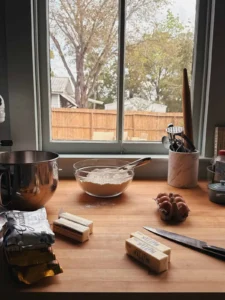
- Preparation Phase: Chilling all dairy ingredients—specifically the butter and crème fraîche—to ensure the butter remains solid before baking. White chocolate is finely chopped and set aside.
- Mixing Phase: Combining the dry ingredients, cutting in the cold butter via pastry cutter or a low-speed stand mixer fitted with a paddle attachment, and gently folding in the wet ingredients alongside the citrus zest and chocolate pieces.
- Lamination Phase: Kneading the dough minimally, rolling it out, and executing multiple folds to establish internal flaky layers.
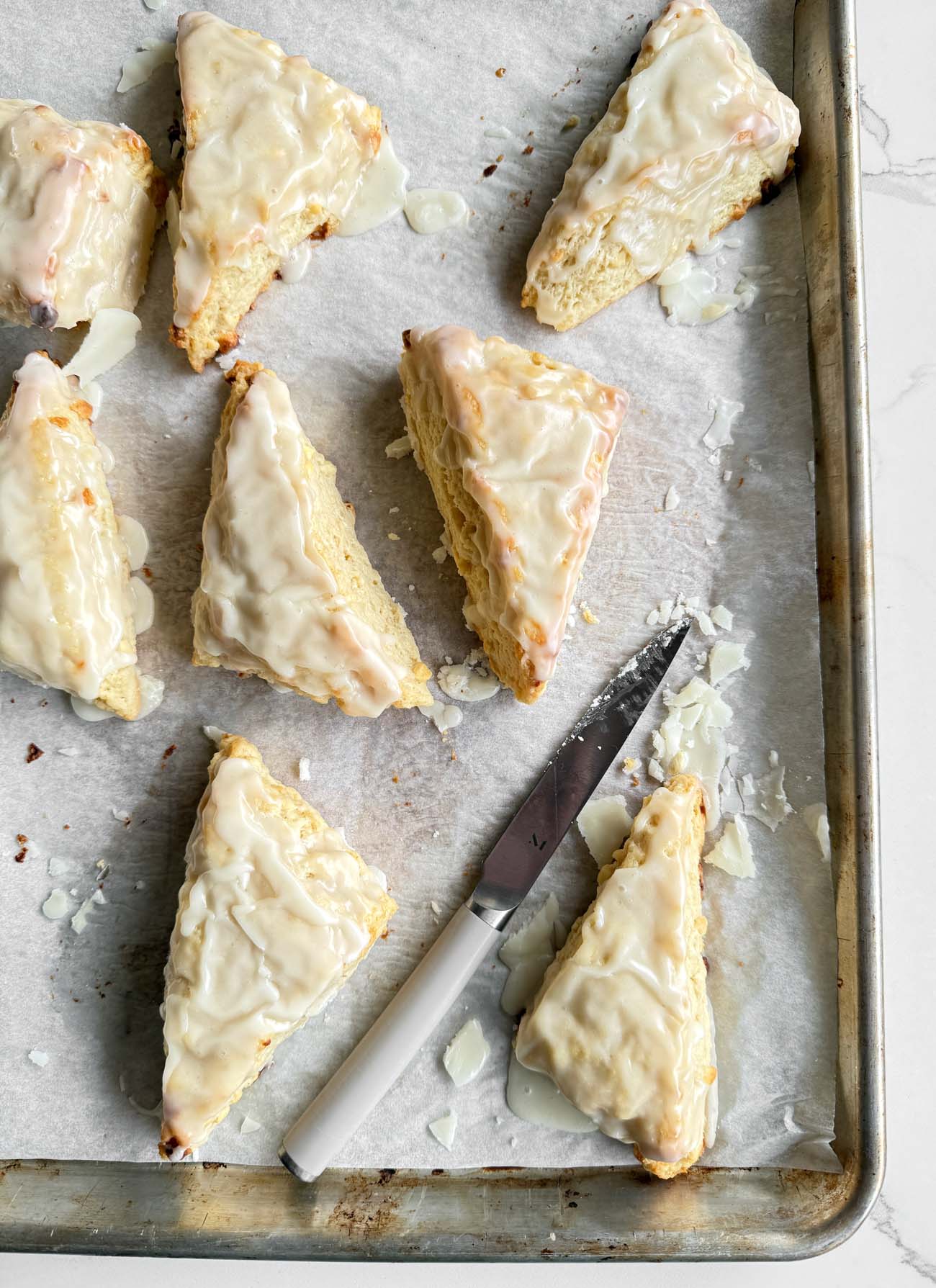
- Baking and Finishing: Slicing the dough into wedges, baking at high temperatures for structural rise, and immediately applying a light citrus glaze while the pastries are still warm to lock in internal moisture.
Supporting Data and Equipment Adaptation
Baking high-hydration pastries like enriched scones traditionally demands manual labor, specifically the use of a handheld pastry blender to cut butter into flour without melting it from hand warmth. However, modern culinary ergonomics acknowledge the physical strain associated with repetitive baking tasks. Data compiled from occupational health studies in domestic and commercial kitchens indicate that repetitive gripping motions—such as those required when using manual pastry cutters—can exacerbate wrist strain and repetitive motion injuries over decades of baking.
To mitigate this, contemporary recipe developers increasingly endorse the use of electric stand mixers equipped with a paddle attachment. When operated on low speed, a stand mixer can efficiently cut butter into flour to the desired "small pea" consistency in a fraction of the time, preserving the essential cold temperature of the fat while reducing physical stress on the baker’s wrists. The remaining wet ingredients and mix-ins are then folded in manually using a flexible silicone spatula to prevent overworking the gluten network, which would otherwise result in a tough, dense product.
Professional Perspectives and Expert Reactions
Professional pastry chefs and culinary instructors have widely praised the technical innovations embedded in this modern scone formulation. According to bakery consultants specializing in Viennoiserie and quick breads, the inclusion of high-fat dairy such as crème fraîche represents a significant upgrade from standard milk or buttermilk formulations.
"The primary challenge in scone-making is moisture retention," notes a senior instructor at a prominent American culinary institute. "Standard recipes dry out rapidly, often within a few hours of baking. By introducing cultured high-fat dairy and an extra yolk, alongside a warm-glaze finishing technique, bakers create a moisture barrier. The glaze absorbs slightly into the warm surface of the scone, sealing the crumb and extending its shelf life significantly without relying on artificial preservatives."
Furthermore, culinary scientists validate the pairing of lemon and white chocolate, noting that the high citric acid content of the fruit successfully cuts through the dense sweetness of cocoa butter and sugar. This flavor balancing act elevates white chocolate—an ingredient frequently criticized by chocolatiers for lacking complexity—into a functional and harmonious component of a sophisticated baked good.
Broader Impact and Implications
The evolution of traditional recipes like the scone reflects broader shifts in home economics and contemporary food culture. As consumers increasingly seek comfort and culinary engagement within their homes, traditional baking has transitioned from a utilitarian chore into a therapeutic, skill-based hobby. Recipes that demand attention to technique—such as proper butter incorporation, dough lamination, and balancing acid with fat—satisfy a growing demand for mastery and authenticity in the kitchen.
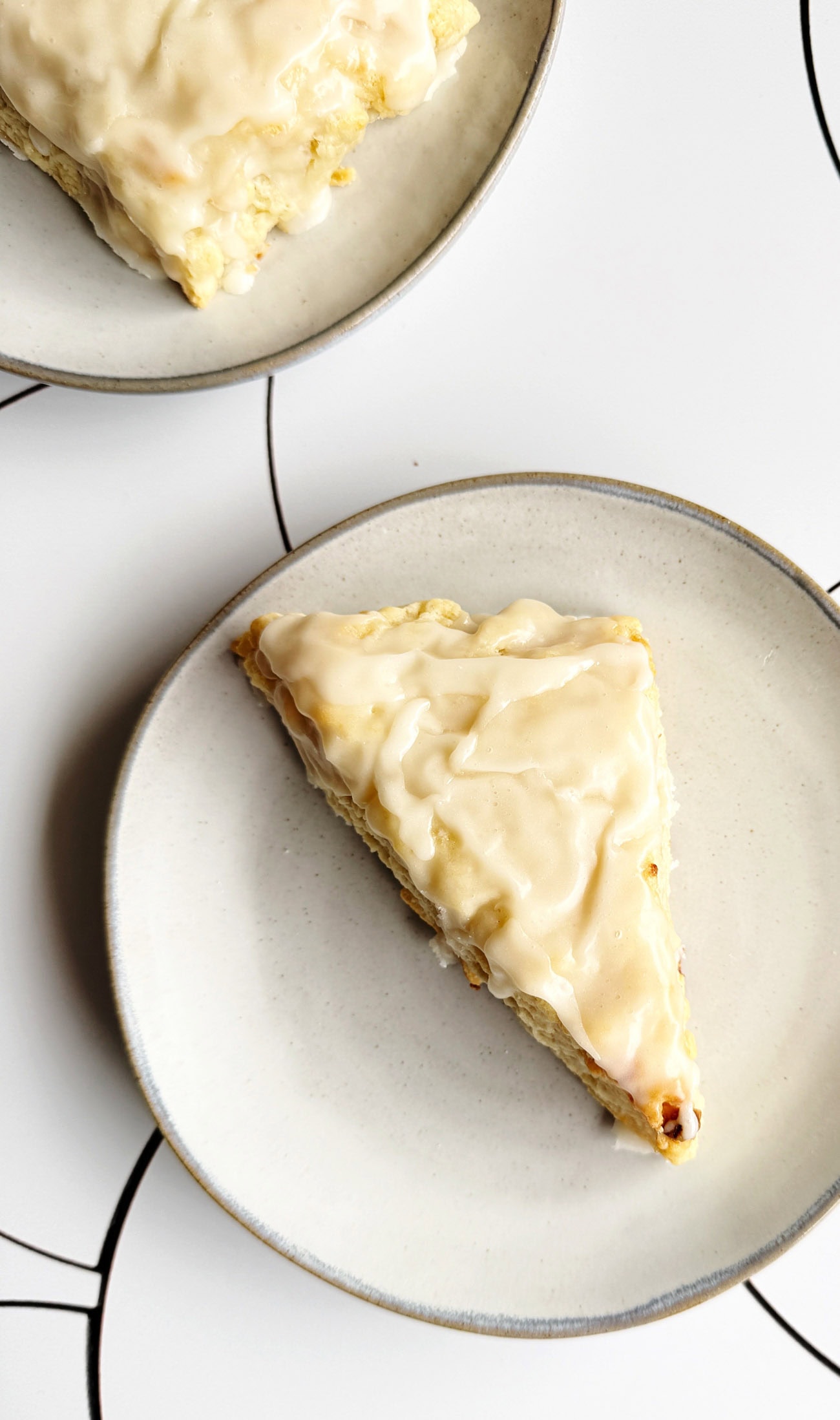
Moreover, the normalization of adapting classic British baked goods with unconventional mix-ins like white chocolate and blood orange highlights the ongoing globalization and hybridization of regional cuisines. Food historians point out that culinary traditions survive and remain relevant precisely because they adapt to local ingredient availability and modern flavor preferences. Whether enjoyed alongside a morning espresso or served as an afternoon tea accompaniment, the lemon white chocolate scone stands as a testament to the intersection of classical pastry technique and modern innovation.