The Chemistry of the Perfect Pour: How Modern Science and Data Are Transforming Home Coffee Brewing

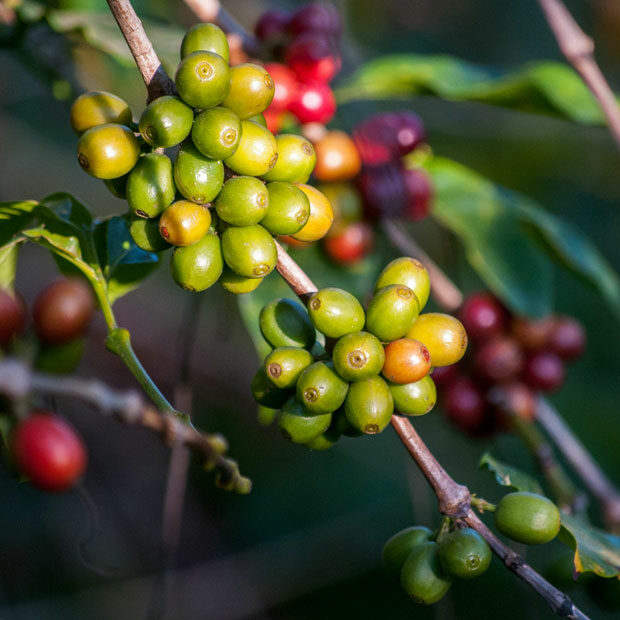
The global specialty coffee industry has undergone a radical transformation over the past decade, shifting from a traditional culinary art form into a rigorous, data-driven science. While coffee consumption has remained a morning staple for millions of professionals worldwide, the advent of the "third wave" coffee movement has elevated the beverage from a mere caffeine delivery system to a complex sensory experience. Recent developments in analytical chemistry, fluid dynamics, and consumer brewing technology have allowed amateur enthusiasts and professional baristas alike to dissect the extraction process with unprecedented precision.
This renaissance in coffee preparation is largely driven by a growing body of scientific literature intersecting food science, thermodynamics, and agricultural practices. As consumers increasingly gravitate toward lightly roasted, single-origin specialty beans—particularly across active Scandinavian markets facilitated by direct-to-consumer subscriptions like Kaffebox—the demand for reproducible, high-quality extraction methods has surged. To understand how a simple fruit seed from the Coffea arabica shrub evolves into a delicate, aromatic beverage, researchers and hobbyists are turning to quantitative metrics such as brew ratios, total dissolved solids, and particle size distributions.

The Evolution of Extraction Metrics
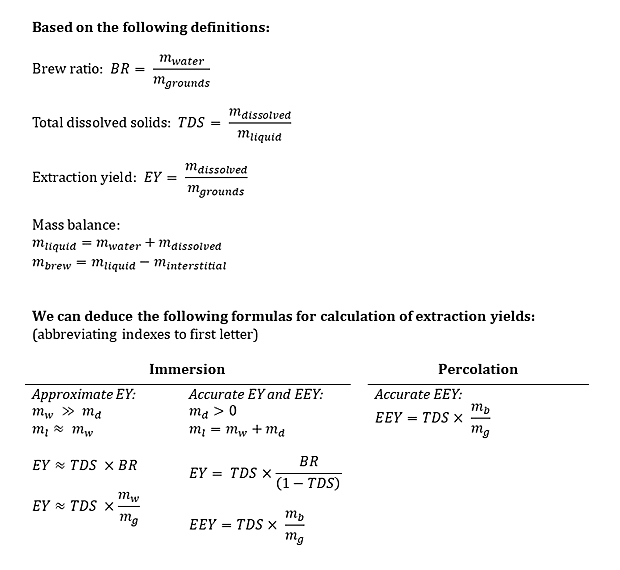
Historically, home brewing relied heavily on intuition, coarse estimates, and qualitative feedback. Today, however, the integration of laboratory-grade concepts into the domestic kitchen has redefined the standard for quality control. At the foundation of this methodology is the brew ratio (BR)—the quantitative relationship between the mass of coffee grounds and the mass of water used in extraction. Typically resting between 15 and 25 for black coffee, the brew ratio acts as a fundamental baseline, analogous to the baker’s percentages utilized in artisanal bread making. By standardizing this ratio, brewers can easily scale recipes up or down while maintaining consistent flavor profiles.
Complementing the brew ratio is the measurement of Total Dissolved Solids (TDS), which quantifies the strength of the brewed beverage. While TDS does not inherently measure flavor quality, it provides an objective indicator of extraction concentration. Traditional gravimetric methods—evaporating water from a sample to weigh the dry residue—are generally impractical for everyday use due to the minute quantities involved. A typical cup of black coffee contains roughly 1.2% to 1.5% dissolved solids, meaning a standard sample requires analytical balances with sub-milligram precision.
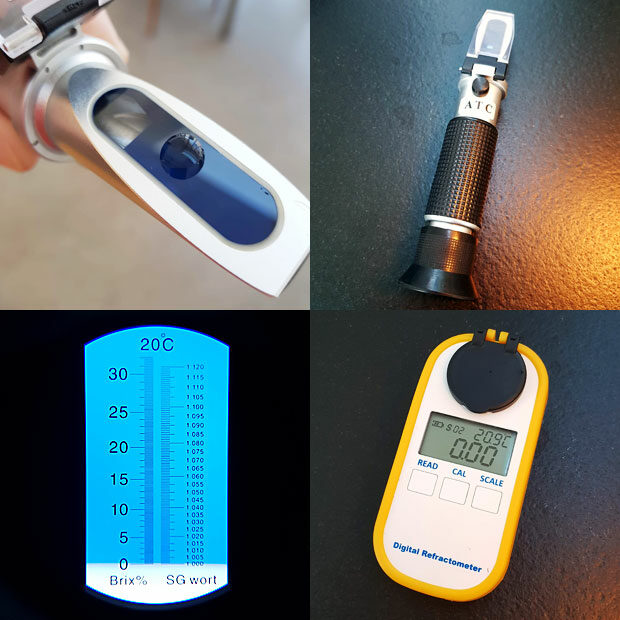
To bypass the need for expensive laboratory equipment, many specialty coffee researchers have adopted optical instruments, such as handheld or digital refractometers. By measuring the refractive index of light as it passes through a filtered coffee sample, users can quickly determine the Brix percentage and convert it to TDS. This affordable adaptation allows enthusiasts to instantly verify whether their brew strength falls within the optimal culinary window or deviates into undesirable territory characterized by over-extraction and bitterness.
Navigating Extraction Yields and Fluid Dynamics
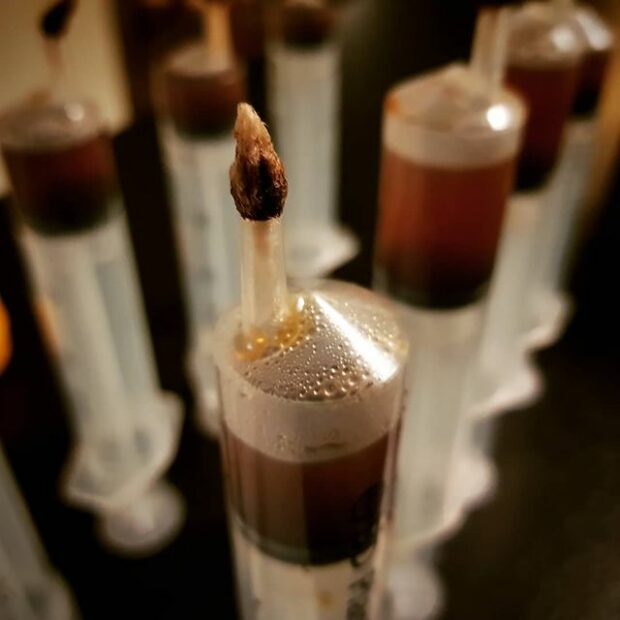
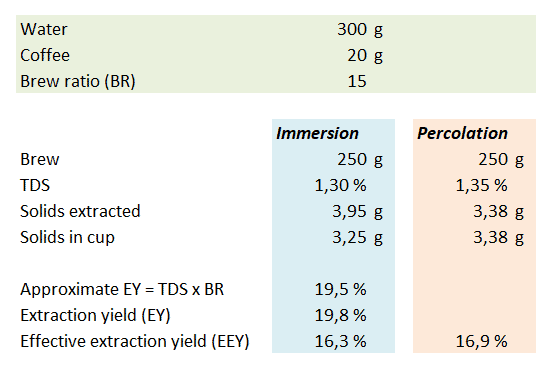
Calculating the exact percentage of solubles pulled from the coffee bed—known as the Extraction Yield (EY)—requires careful accounting of fluid dynamics. Depending on whether the brewing method relies on immersion (such as a French Press or Aeropress) or percolation (such as a V60 pour-over), the mathematical treatment of interstitial liquid varies significantly. In immersion brews, the liquid trapped between coffee grounds mixes uniformly with the final beverage, whereas in percolation methods, late-arriving interstitial water never reaches the cup.
Recognizing these distinctions has profound implications for flavor development. Advanced analyses conducted by coffee researchers have demonstrated that immersion methods generally extract a higher total mass from the grounds, while percolation techniques are more efficient at delivering specific solubles directly into the cup. Furthermore, accounting for variables such as sample evaporation and the natural moisture content of roasted beans—typically ranging from 1% to 4%—ensures higher mathematical accuracy in yield calculations.
Grind Size and Particle Size Distribution (PSD)
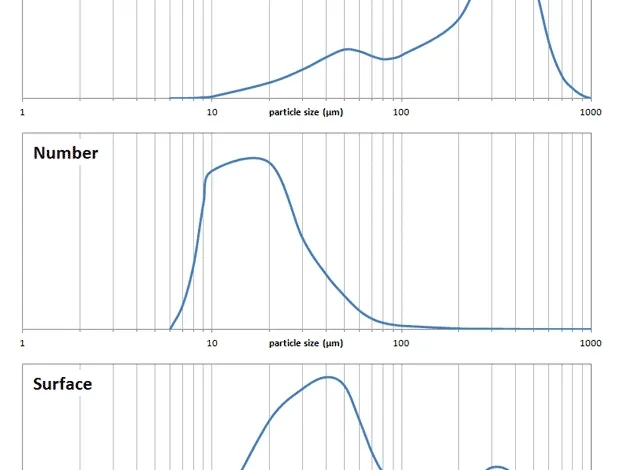
Perhaps no variable influences the final cup quite as profoundly as the grind size and the resulting particle size distribution (PSD). When a roasted coffee bean is fractured in a burr grinder, it shatters into a heterogeneous mixture of large fragments, intermediate particles, and microscopic "fines" typically measuring under 100 micrometers.
Modern laser diffraction and microscopic imaging analyses have revealed that these fines play an outsized role in the extraction process. Because the extraction of soluble compounds generally penetrates only the outer 100 micrometers of a coffee particle, the core of larger boulders often remains unextracted. Consequently, more than half of the total extraction occurs on the surface of these microscopic fines. While an overabundance of fines can clog filter beds and stall drainage times, a narrow, well-controlled particle distribution is essential for achieving a balanced, clean cup without astringency.
The choice of grinding equipment directly dictates this distribution. Traditional blade grinders produce excessive quantities of uneven fines and are largely abandoned by specialty enthusiasts in favor of precision conical or flat burr grinders. Interestingly, industrial cylindrical grinders or pre-crushed commercial options often achieve a more uniform particle size than standard domestic equipment, though exposure to atmospheric oxygen quickly degrades the volatile aromatic oils in pre-ground coffee within a matter of days.
Water Chemistry and Thermal Dynamics
Water composition represents another critical pillar in the modern scientific approach to brewing. Because tap water mineral content varies drastically by region—ranging from the soft waters of Scandinavia to hard mineral profiles elsewhere—chemists and baristas frequently utilize customized water recipes. By adjusting magnesium, calcium, and bicarbonate concentrations, brewers can significantly enhance the extraction of desirable fruit acids while suppressing harsh, bitter compounds.
Temperature similarly dictates the solubility and diffusion rates of chemical constituents. While near-boiling water maximizes extraction speed, cold-brew methodologies utilize extended steeping times at refrigerated temperatures to yield a distinctly different sensory profile. Because human perception of sweetness and bitterness diminishes as beverage temperatures drop, contrasting thermal strategies allow roasters and consumers to highlight entirely different dimensions of the same bean.
Filtering Materials and Future Implications
The final physical barrier between the coffee bed and the palate is the filter medium. Comparative studies between paper, metal, and cloth filters underscore the profound impact of porosity on texture and clarity. High-grade paper filters effectively capture microscopic fines and lipid oils, yielding a clean cup characterized by pronounced acidity and delicate aromatic notes. Conversely, metal filters allow oils and suspended particulates to pass through, creating a heavier, more viscous body reminiscent of French press preparations.
As the intersection of food science and culinary arts continues to mature, the standardization of brewing parameters offers a roadmap for consistent quality. By systematically addressing variables such as extraction yield, particle distribution, water chemistry, and bean freshness, enthusiasts can demystify the brewing process. Future research into hydrodynamic modeling and dynamic extraction profiles promises to push the boundaries of home and commercial coffee preparation even further, ensuring that every cup achieves its maximum potential.