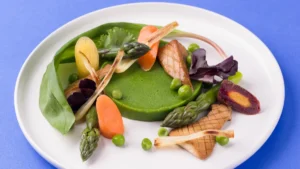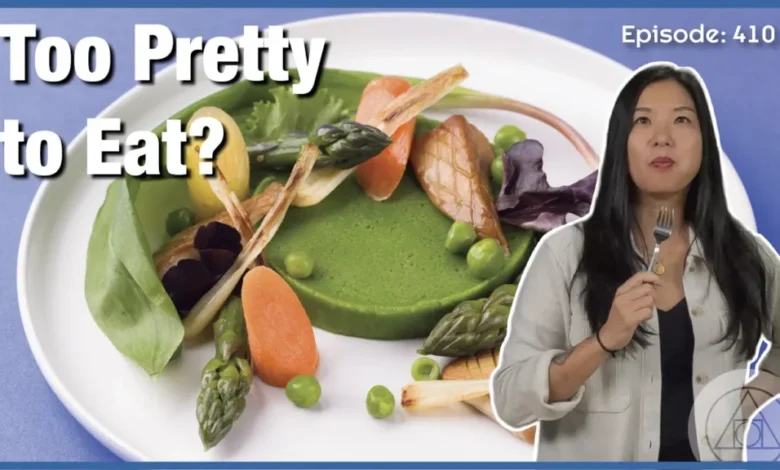
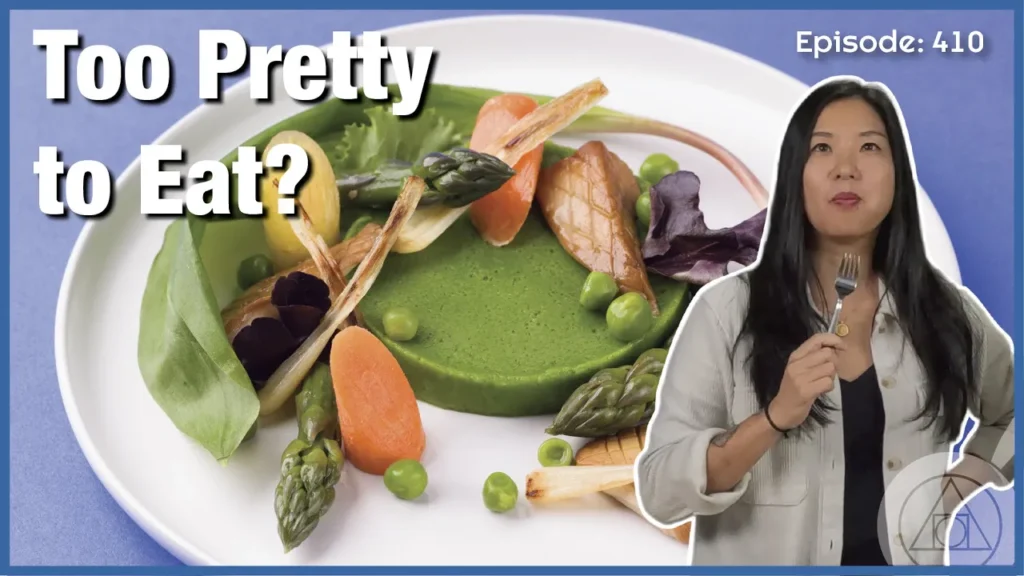
The culinary landscape is currently witnessing a sophisticated shift toward the deconstruction of traditional desserts, particularly as high-end gastronomy adopts savory profiles for classic, gelatin-based dishes. In the latest installment of the "We Transform Food" (WTF) series, Episode 410, the production team explores the technical nuances of a Spring Pea Panna Cotta Salad. This dish represents a departure from the dessert-centric origins of panna cotta, instead utilizing the technique as a medium for botanical, savory expression. By replacing traditional dairy bases with plant-based alternatives and infusing them with the essence of seasonal legumes, the dish challenges conventional categorization, blurring the lines between hors d’oeuvres and salad.
The Evolution of Panna Cotta in Modern Gastronomy
Panna cotta, historically an Italian dessert originating in the Piedmont region, translates literally to "cooked cream." Traditionally prepared by simmering cream, sugar, and gelatin, it has remained a staple of European confectionery for centuries. However, the last two decades have seen a paradigm shift in modernist cuisine. Chefs began experimenting with savory panna cottas as early as the late 1990s, using ingredients such as Parmesan, roasted garlic, and tomato water to serve as elegant appetizers.
The Spring Pea Panna Cotta Salad featured in the latest WTF series builds upon this foundation of modernist innovation. By focusing on the "texture and tone" of the dish, the creators highlight the importance of hydrocolloids—the stabilizing agents that allow chefs to achieve specific textures without relying on high-fat dairy. This shift toward vegan, vegetable-forward textures is part of a broader movement within the culinary industry to reduce reliance on animal fats while maintaining a luxurious mouthfeel.
Technical Methodology and Ingredient Selection
The preparation of a savory panna cotta requires a precise understanding of gelation. In the context of the Spring Pea Panna Cotta, the process begins with the extraction of chlorophyll and flavor compounds from fresh, sweet spring peas. These peas are blanched to lock in their vibrant green hue—a critical step, as color perception is intrinsically linked to the diner’s expectation of freshness.
The incorporation of the peas into a stabilized base requires an emulsification process. Modernist Pantry, the organization behind the "We Transform Food" series, emphasizes the use of specific, high-grade hydrocolloids to ensure that the panna cotta remains firm enough to be plated, yet delicate enough to dissolve instantly on the palate. Unlike traditional dairy-based versions that rely on the fat content of heavy cream for stability, this vegan variant utilizes plant-based proteins and starches to achieve a similar structural integrity.
The salad component of the dish introduces a contrasting textural experience. By pairing the smooth, yielding panna cotta with crisp, raw, or lightly sautéed vegetables—such as shaved asparagus, earthy mushrooms, and delicate micro-herbs—the chef creates a sensory interplay. This method of "composed" salad preparation has gained significant traction in fine dining, where the goal is to elevate individual ingredients through controlled preparation rather than relying on heavy dressings or complex cooking methods.
A Chronology of Modernist Culinary Transformation
The trajectory of this dish can be traced back to the rise of the modernist culinary movement in the early 2000s, spearheaded by institutions like the El Bulli laboratory in Spain and the later efforts of the Modernist Cuisine project.
- 2005–2010: Emergence of "savory desserts" in avant-garde restaurants, focusing on the use of vegetable purees and hydrocolloids to mimic the texture of traditional panna cotta.
- 2015: Increased availability of high-quality, food-grade hydrocolloids (such as agar-agar, gellan gum, and carrageenan) to the home-cook market, allowing for wider experimentation.
- 2020–2022: A notable pivot toward vegan gastronomy, where chefs sought to replicate the creamy textures of dairy using cashew, soy, or pea-protein bases.
- 2024: The current period, marked by the professionalization of these techniques in digital media series like "We Transform Food," which demystify complex lab-like techniques for a broader audience.
Supporting Data on Botanical and Savory Applications
Data from culinary market research firms indicate that interest in "vegetable-first" dining has grown by 14% annually since 2019. This growth is driven by health-conscious consumers and environmental concerns regarding dairy production. The use of peas in particular as a culinary base is supported by their functional properties; they are rich in proteins that, when processed correctly, offer excellent emulsifying qualities.
Furthermore, the "Spring Pea Panna Cotta" serves as a case study in nutrient preservation. By cold-blending or gentle extraction methods, the heat-sensitive vitamins in spring vegetables are better preserved than in traditional sautéing or roasting. This aligns with the "clean and green" philosophy mentioned in the series, where the dish is designed to be as visually impactful as it is nutritionally dense.
Institutional Perspectives and the Role of Modernist Pantry
The "We Transform Food" series, produced by Modernist Pantry, serves a dual purpose: it acts as a pedagogical tool for home chefs and a showcase for the capabilities of modern food science. By providing access to the ingredients and tools—such as precision scales, immersion circulators, and hydrocolloids—the series addresses the "knowledge gap" that often keeps professional techniques out of reach for non-professionals.
Industry experts observe that such content has successfully bridged the divide between molecular gastronomy and home cooking. While the term "molecular" was often associated with elitism and inaccessible laboratories, the current approach focuses on utility. As noted by the creators of the series, the goal is to "transform food into more memorable experiences," emphasizing that the technology is secondary to the quality of the raw ingredients and the intention of the cook.
Implications for Future Culinary Trends
The success of the Spring Pea Panna Cotta Salad points toward a future where "texture" is treated as an independent culinary element, equal in importance to flavor. As the culinary industry continues to move away from heavy, traditional cream-based dishes, the application of panna cotta techniques to savory, seasonal ingredients is likely to expand.
This transition has several broader implications:
- Sustainability: The use of plant-based ingredients reduces the carbon footprint associated with dairy farming.
- Seasonality: By focusing on specific seasonal profiles (like spring peas), chefs are encouraged to source locally, supporting regional agriculture.
- Technological Literacy: As amateur cooks become more comfortable with scientific kitchen equipment, the standard of home-cooked meals rises, potentially influencing the restaurant industry’s own expectations for innovation.
The "We Transform Food" approach represents a significant step in the democratization of culinary technique. By breaking down a dish as complex as a savory, vegan panna cotta into its fundamental components, the series empowers a new generation of chefs to look beyond the recipe and understand the mechanics of what makes food taste—and feel—exceptional.
In conclusion, the Spring Pea Panna Cotta Salad is more than just a dish; it is a manifestation of the current culinary zeitgeist. It utilizes the precision of modernist science to elevate humble, seasonal produce into a refined, elegant experience. As the series continues to explore these transformations, it remains a vital resource for those looking to push the boundaries of their own kitchens, proving that even the most traditional formats can be reinvented through careful study and technical application. Whether it is the vibrant color, the delicate set of the panna cotta, or the crisp snap of the spring vegetables, every element is designed to reflect a deep appreciation for the ingredients of the season. Through this lens, the act of cooking becomes a process of constant discovery, where the kitchen functions as both a studio and a laboratory.