Texture A Hydrocolloid Recipe Collection Prepares for Version 3 1 Update After Six Years

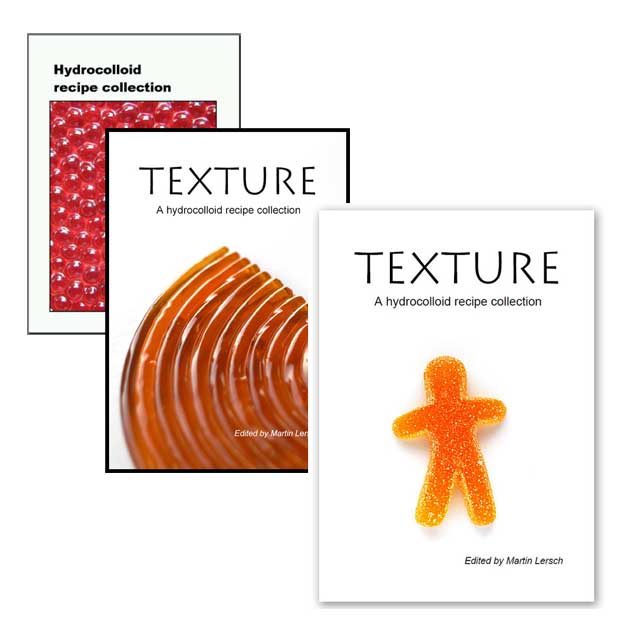
The culinary science community is bracing for a comprehensive minor revision of one of its most foundational digital reference texts. Six years following the release of version 3.0, the creator of Texture – A hydrocolloid recipe collection has announced plans to publish an incremental update, designated version 3.1. This upcoming release aims to refine existing formulations, correct typographical errors, and integrate years of crowdsourced user feedback into the definitive guide for modernist cuisine and food science enthusiasts.
The announcement marks a significant milestone for a resource that has served as a primary bridge between industrial food science and domestic molecular gastronomy for well over a decade. By inviting the global culinary community to contribute testing data, visual assets, and missing formulations, the forthcoming update underscores the collaborative nature of modern digital publishing in the culinary arts.
Main Facts and Scope of the Update
Version 3.1 is structured primarily as an incremental revision designed to iron out operational wrinkles rather than introduce a radical restructuring of the text. The core objective is to optimize the accuracy, reliability, and visual presentation of hundreds of hydrocolloid recipes that chefs, food scientists, and home cooks utilize to manipulate the texture, viscosity, and mouthfeel of food.
A central focus of the upcoming release is the active solicitation of community-driven corrections. The editorial process relies heavily on empirical testing conducted by users worldwide. Testers who have encountered non-functioning recipes or minor calculation errors are currently submitting revisions. Furthermore, the publication is aggressively collecting photographic evidence to accompany recipes. In the context of hydrocolloid cookery, photographic documentation serves as a critical indicator of recipe reproducibility, verifying that a formula yields the expected physical transformation when executed correctly.
Chronology and Historical Background
To understand the significance of the version 3.1 update, it is necessary to examine the publication timeline of the collection. The evolution of the text reflects the rapid growth and democratization of modernist cooking techniques over the past two decades:
2007: The inaugural edition, Texture v.1.0, was published, entering a digital landscape where modernist techniques were largely confined to high-end restaurant kitchens and specialized scientific laboratories. The initial release provided a much-needed standardized overview of gelling agents, thickeners, and stabilizers.
2008: Following rapid adoption by culinary professionals and early digital food bloggers, Texture v.2.0 was released, expanding the catalog of ingredients and standardizing measurement metrics to improve global usability.
2014: A significant six-year gap preceded the launch of Texture v.3.0. This major version incorporated vast advancements in hydrocolloid understanding, addressing ingredients such as gellan gum, xanthan gum, and agar-agar with greater precision, while aligning with the proliferation of home-kitchen immersion circulators and digital scales.
2020: The current announcement of version 3.1 initiates a new phase of refinement, bridging a six-year hiatus since the last major cataloging effort and integrating cultural culinary phenomena that emerged during the intervening years.
Addressing Gaps in Ingredient Coverage
A primary driver for the version 3.1 update is the identification and remediation of gaps in ingredient representation. While hydrocolloids such as agar, sodium alginate, and calcium chloride have historically dominated modernist recipe development due to their association with spherification and modern gel-making, several important substances have remained underrepresented within the guide.
The upcoming revision specifically targets hydrocolloids including guar gum, gum arabic, konjac, locust bean gum, and tara gum. These agents play vital roles in commercial and artisanal food production—ranging from ice cream stabilization to gluten-free baking elasticity—yet have lacked comprehensive, accessible home-kitchen formulations demonstrating their full functional range. The project curator is actively curating and testing recipes that showcase how these specific gums interact with various food matrices across different temperatures and pH levels.
Concurrently, the editorial framework maintains strict boundaries regarding proprietary commercial blends. Ingredients such as Ultra-Tex and Pure Cote (proprietary modified starches) and Trisol (a specialized wheat fiber product) remain intentionally omitted from the standard taxonomic classifications. This editorial stance preserves the pedagogical integrity of the text by focusing on pure, functional hydrocolloids rather than brand-specific commercial iterations, though rare or novel naturally occurring hydrocolloids continue to be evaluated for inclusion on a case-by-case basis.
Integration of Traditional Gels and Viral Culinary Phenomena
A distinctive feature of Texture is its dedicated categorization of non-hydrocolloid recipes. This section explores regional and traditional global culinary preparations that achieve complex gelling or foaming structures without the addition of modern, isolated hydrocolloid powders. Instead, these techniques rely on native proteins, starches, or enzymatic reactions inherent to the ingredients themselves.
Existing traditional examples featured in the collection include Junket, Cuajada, ginger milk custard, Aiyu jelly, grass jelly, gelled seafood sauces, traditional tofu, and hominy. Version 3.1 seeks to expand this anthropological and scientific inventory by incorporating additional global food traditions that rely on natural gelling mechanisms.
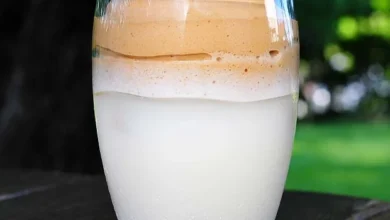
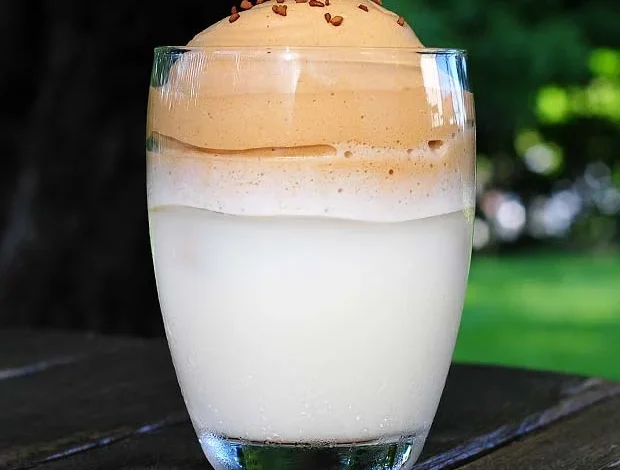
Furthermore, the update explicitly incorporates contemporary viral food science. Among the prominent additions to the foaming category is Dalgona coffee foam, the whipped beverage phenomenon that achieved unprecedented global popularity during the spring of 2020. The inclusion of Dalgona foam illustrates the broader scientific scope of the text, recognizing that social media-driven culinary trends often rely on foundational physical chemistry—in this case, the stabilization of air bubbles by dissolved proteins and sugars within instant coffee—just as much as classical laboratory techniques do.
Broader Impact and Implications for Modernist Cuisine
The ongoing development and periodic updating of open-access culinary texts like Texture hold profound implications for the broader food and beverage industry. By democratizing access to hydrocolloid science, these resources empower independent operators, pastry chefs, and culinary educators to experiment with texture without requiring expensive proprietary training or industrial laboratory equipment.
The reliance on crowdsourced validation ensures that the recipes remain resilient against real-world kitchen variables, such as variations in water mineral content, equipment accuracy, and ingredient purity. As the culinary world continues to embrace sustainable food practices, alternative proteins, and plant-based ingredient formulations, the precise control of mouthfeel and texture provided by hydrocolloids will only grow in importance.
Readers, professional chefs, and culinary scientists wishing to contribute formulations, photographic assets, or error corrections to the upcoming version 3.1 release are encouraged to submit their findings directly to the editorial team via email. Through this collaborative model, Texture remains a living document, reflecting the collective expertise of a globally distributed culinary community.