The culinary landscape has long relegated snow peas to the familiar confines of wok-tossed stir-fries and quick-steamed side dishes. However, a recent shift in contemporary dining highlights the versatility of the legume when consumed raw. Food writers and home-cooking advocates are increasingly championing fresh, crisp preparations that emphasize contrasting textures and minimalist ingredient lists. This culinary direction focuses on transforming ordinary produce into sophisticated yet accessible dishes suited for high-temperature weather and streamlined weeknight cooking.
Evolution of Raw Snow Pea Preparations
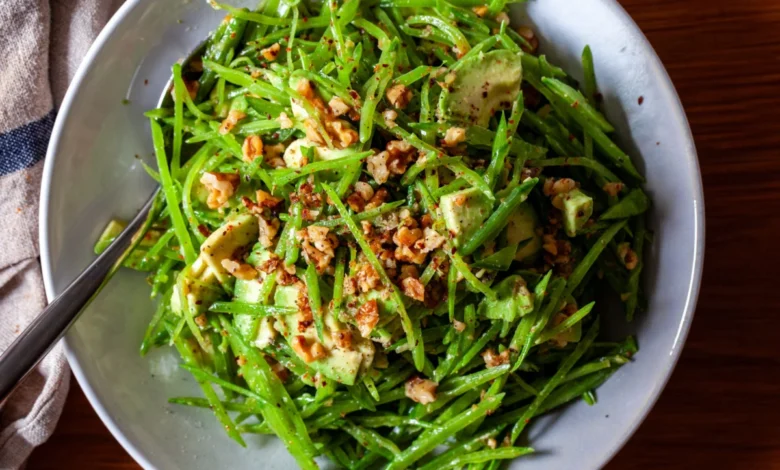
The conceptual framework for incorporating raw snow peas into modern salads traces its roots back to innovative restaurant menus, notably influenced by establishments such as the late NoMad restaurant in New York City. Culinary professionals discovered that slicing raw snow peas thinly lengthwise yields a slaw-like ribbon texture. This preparation method alters the physical profile of the vegetable, removing the fibrous crunch associated with whole raw pods and replacing it with a delicate crispness that absorbs dressings efficiently.

Initial iterations of this trend frequently featured sharp cheeses, such as pecorino, paired with toasted nuts to balance the vegetal sweetness of the peas. Recent adaptations, however, favor dairy-free profiles, incorporating rich, creamy elements like ripe avocado to create a textural interplay between crunchy ribbons and soft, velvety components.
Nutritional Profile and Ingredient Synergy
From a nutritional and culinary standpoint, the combination of snow peas, walnuts, and avocado offers a balanced mix of macronutrients, dietary fiber, and plant-based fats. Snow peas are naturally low in calories while providing significant amounts of vitamins A and C, iron, and dietary fiber.
Incorporating walnuts introduces alpha-linolenic acid (ALA), a plant-based omega-3 fatty acid. Culinary authorities consistently emphasize that to maximize the flavor profile of walnuts, a preliminary toasting process is essential. Heating walnuts on a sheet pan at 350 degrees Fahrenheit for six to ten minutes releases their inherent natural oils, intensifying their nutty fragrance and mitigating any raw bitterness.

Avocado contributes monounsaturated fats and a buttery texture, serving as a counterweight to the acidity of the citrus dressing. The dressing typically relies on a straightforward emulsion of extra virgin olive oil, fresh lemon juice, kosher salt, black pepper, and crushed red pepper flakes. This combination of acid, fat, and heat accentuates the natural sweetness of the snow peas without masking their flavor.
Preparation Techniques and Best Practices
Achieving optimal results with raw snow pea salads requires specific preparatory steps to ensure the correct texture and visual appeal. Culinary instructions for the dish recommend soaking the snow peas in a large bowl of ice water for ten to twenty minutes prior to assembly. This technique revitalizes the moisture content within the cellular structure of the peas, maximizing their crispness.
Following the ice-water bath, the peas must be thoroughly drained and dried with a towel to prevent excess moisture from diluting the dressing. Slicing the pods lengthwise into thin ribbons—often done by gathering them into small, manageable stacks—creates uniform strands that integrate evenly with the other components.

Timing remains a critical factor in the preparation of this dish. Because citrus juice reacts with the chlorophyll in green vegetables, prolonged exposure to the acidic dressing can cause the bright green color of the snow peas to dull. Consequently, culinary experts advise combining the walnut dressing and the sliced peas immediately before serving to maintain optimal visual presentation and texture.
Broader Culinary Trends and Seasonal Cooking
The rising popularity of minimalist, raw-ingredient salads aligns with broader shifts in contemporary consumer eating habits. As summer temperatures rise, demand for no-cook or low-effort recipes increases significantly. Home cooks frequently seek out dishes that minimize kitchen heat generation and require fewer than five primary ingredients, reducing preparation fatigue during high-stress periods, such as the conclusion of the academic year or peak summer heatwaves.
Furthermore, this culinary movement reflects a wider appreciation for vegetable-forward dining, where traditional supporting actors—such as snow peas—take center stage. By rethinking familiar pantry and produce items through unconventional preparations, the modern home-cooking landscape continues to adapt, proving that high-end culinary techniques can be successfully translated into accessible, everyday meals.