Oven Roasted Asparagus with Feta and Almonds: A Mediterranean-Style Culinary and Nutritional Analysis

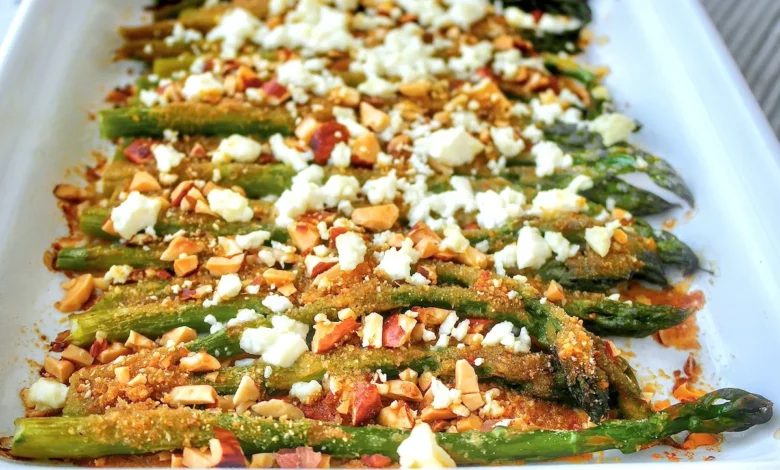
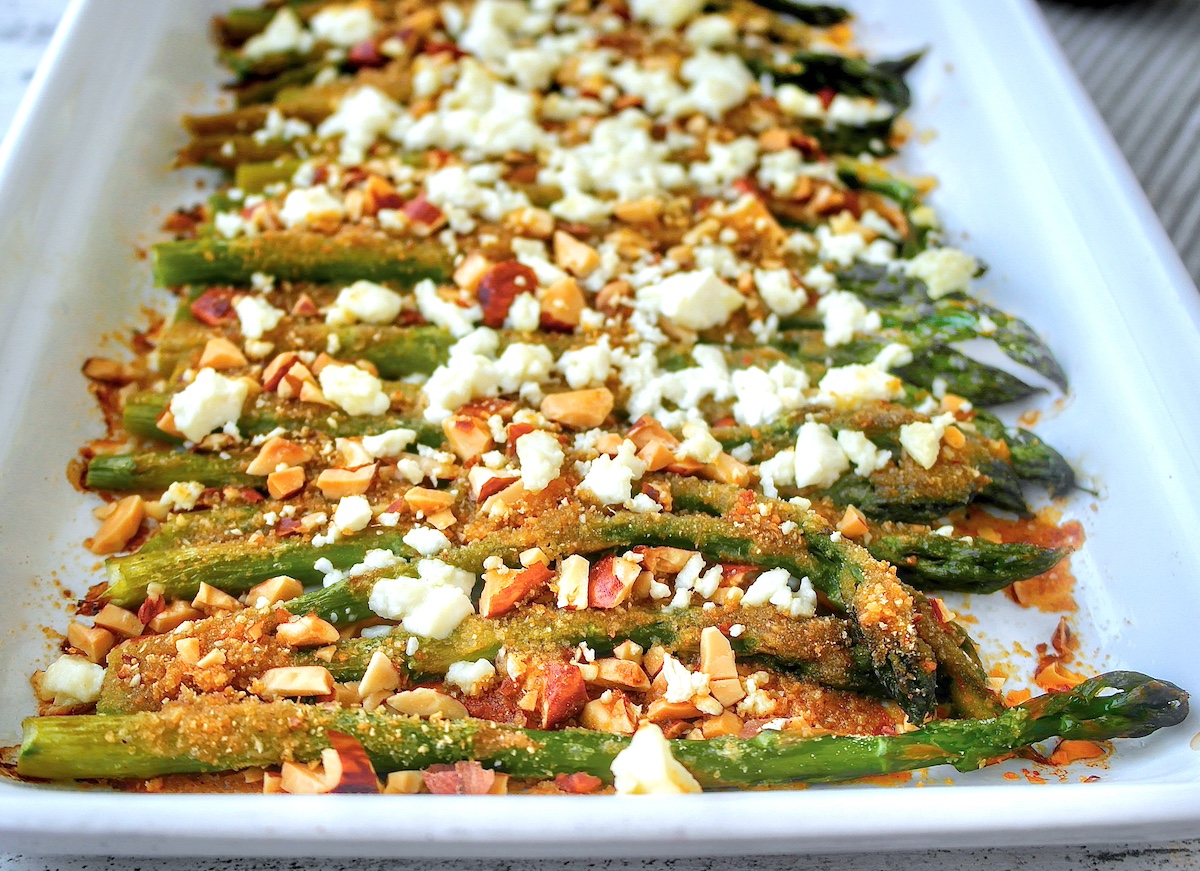
The intersection of traditional Mediterranean agriculture and contemporary nutritional science has yielded a surge of interest in vibrant, nutrient-dense seasonal produce, chief among them being asparagus. Culinary experts and health professionals are increasingly spotlighting preparations that elevate simple vegetables into substantial, protein-backed dishes. A prominent example of this culinary evolution is the roasted asparagus recipe featuring crumbled feta cheese and toasted almonds, a dish developed by registered dietitian and nutrition expert Elena Paravantes. Designed to serve as either an elevated side dish or a light, efficient main course for busy schedules, this preparation bridges the gap between sophisticated flavor profiles and rigorous daily nutritional requirements.
Nutritional Profile and Dietary Implications
From a clinical nutrition perspective, asparagus (Asparagus officinalis) is recognized as an exceptionally nutrient-dense botanical. Data compiled by nutritional authorities indicate that the spear is rich in fat-soluble vitamins, notably vitamin K and folate, alongside appreciable concentrations of vitamins C, A, E, and a comprehensive spectrum of B-complex vitamins. Furthermore, asparagus functions as a significant botanical source of bioactive antioxidants, including flavonoids, phenolic acids, and glutathione. These compounds play an instrumental role in cellular defense mechanisms, mitigating oxidative stress and potentially lowering the risk profiles associated with chronic conditions such as cardiovascular disease and certain oncological pathologies.
In addition to systemic antioxidants, asparagus contains carotenoids such as lutein and zeaxanthin, which are clinically linked to the preservation of visual acuity and cellular protection within the ocular system. The vegetable is also endowed with inulin, a complex carbohydrate functioning as a prebiotic soluble fiber. Inulin bypasses upper gastrointestinal digestion to selectively stimulate the proliferation of beneficial endogenous microbiota within the lower gut, thereby supporting overall gastrointestinal homeostasis.
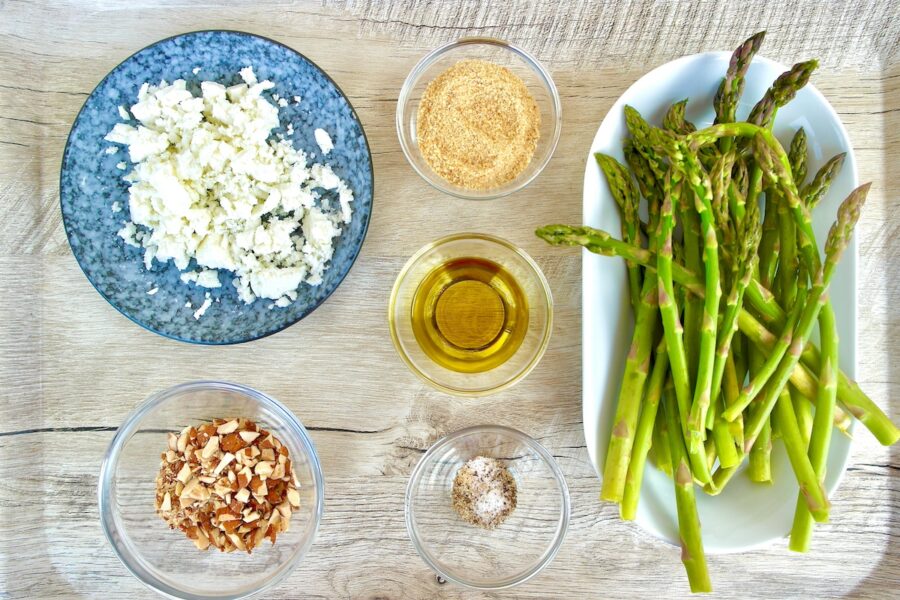
The incorporation of extra virgin olive oil, feta cheese, and almonds into the roasting process alters both the macronutrient composition and the bioavailability of the dish’s constituent vitamins. High-temperature roasting in olive oil facilitates the absorption of fat-soluble phytonutrients while introducing beneficial monounsaturated fatty acids. Meanwhile, the addition of almonds and traditional feta cheese elevates the protein content to approximately 10 grams per standard serving. This strategic augmentation transforms a low-calorie vegetable side into a more satiating dish that contributes meaningfully to daily protein intake without relying on heavy animal-protein additions.
Horticultural Background and Cultural Context
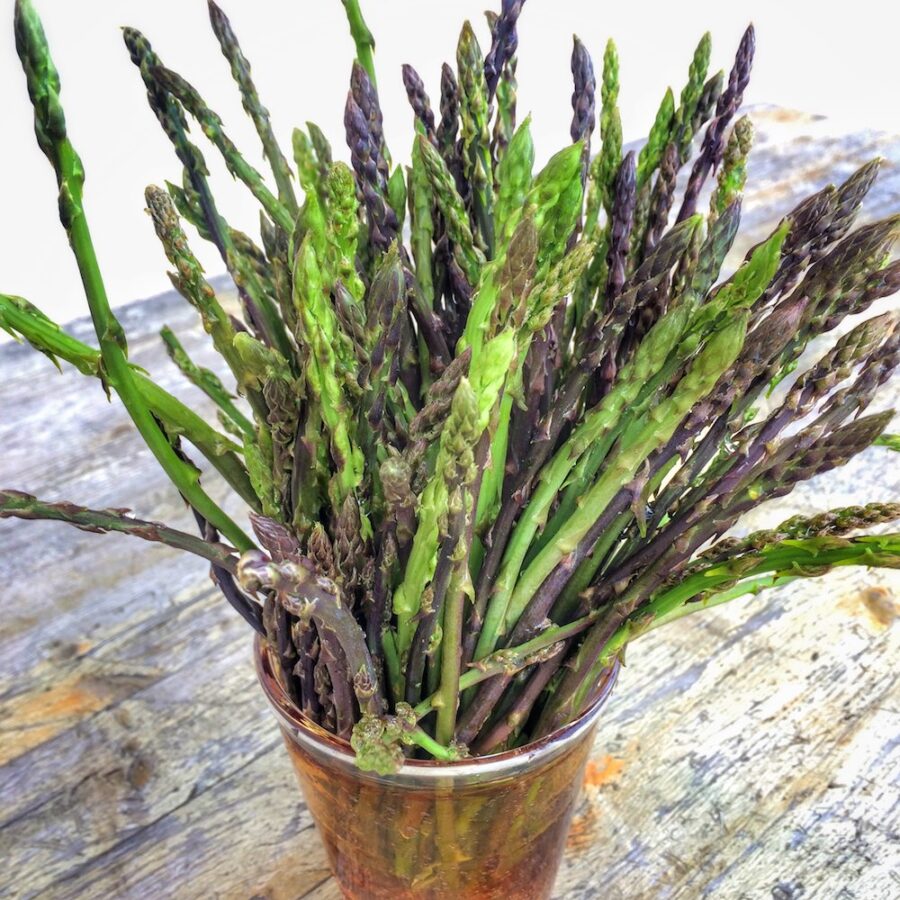
While modern consumers frequently associate asparagus with continental European cuisine or upscale American dining, the vegetable enjoys deep-rooted historical and agricultural significance throughout the Mediterranean basin, particularly in Greece. During the vernal season, wild varieties of asparagus proliferate across Greek topography, prompting a localized tradition of foraging. These wild variants are characterized by exceptionally slender, delicate stalks and a concentrated, earthy flavor profile distinct from the thicker, cultivated counterparts typically found in mass-market retail environments.
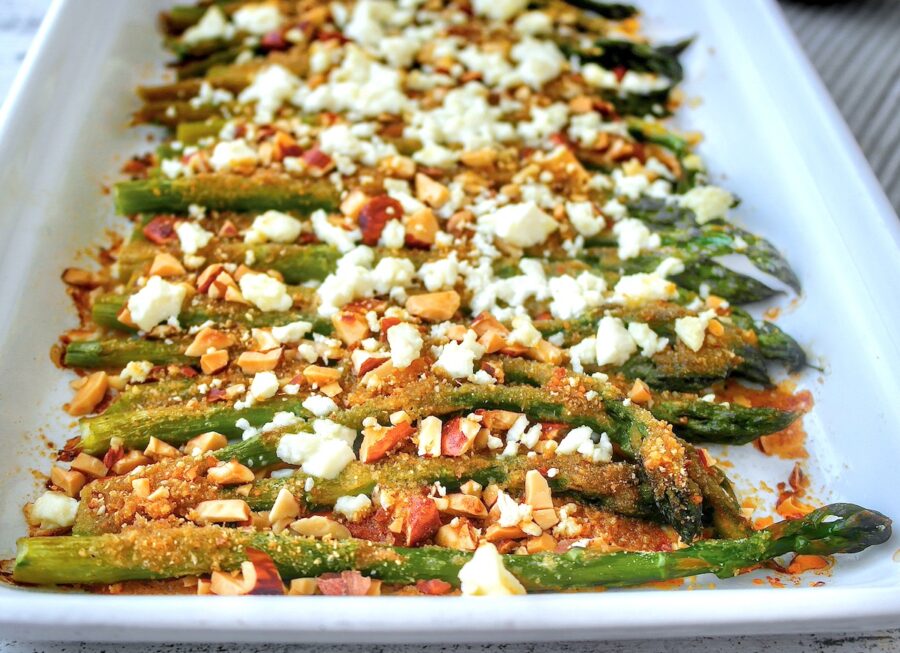
The versatility of asparagus has historically secured its place in diverse culinary traditions. Mediterranean culinary practices incorporate the vegetable across a spectrum of preparations, ranging from simple open-flame grilling to integration into rustic omelettes, traditional pasta dishes, and savory phyllo-based tarts. The contemporary adaptation utilizing feta and almonds reflects a broader gastronomic trend: modifying regional staples to meet modern demands for quick preparation times without sacrificing culinary complexity or nutritional integrity.
Procurement, Storage, and Culinary Execution
Achieving optimal results in roasting asparagus requires adherence to precise culinary techniques regarding ingredient selection and thermal management. Food safety and quality standards dictate that optimal asparagus spears must exhibit a vibrant, uniform green coloration, firm structural integrity, and tightly closed, compact tips. Stalks should display crispness and resistance to bending rather than a limp or rubbery texture, which typically indicates moisture loss and advanced post-harvest aging.
Proper storage is critical to extending the shelf life of fresh asparagus. Culinary guidelines recommend trimming approximately one to two centimeters from the basal ends of the stalks and storing them vertically in a vessel containing a shallow depth of water, resembling the post-harvest management of cut floral arrangements. Covering the upper portion loosely with a polyethylene bag and maintaining refrigeration slows desiccation, preserving turgor pressure and preventing the tender tips from drying out for a duration of up to one week.
Contrary to common culinary misconceptions, standard asparagus varieties do not require mechanical peeling prior to thermal processing. Peeling is generally restricted to exceptionally thick or woody specimens—specifically focusing on the lower third of the stem—or to white asparagus, which develops a fibrous outer layer due to its subterranean cultivation method. Additionally, blanching or boiling raw asparagus prior to roasting is discouraged, as immersion in water introduces excess moisture, compromises textural crispness, and leaches water-soluble vitamins. Direct high-temperature roasting facilitates caramelization of natural sugars, yielding superior flavor development and textural contrast.
Culinary Troubleshooting and Best Practices
To prevent undesirable outcomes such as sogginess during the roasting process, temperature control and spatial distribution are paramount. Sogginess typically occurs when roasting pans are overcrowded or oven temperatures are set insufficiently low, causing the moisture released by the vegetable to trap steam rather than allowing dry heat to caramelize the exterior. Spreading the spears in a single, uncrowded layer coated lightly in oil ensures optimal thermal transfer and crispness.
The standard preparation sequence requires a brief preparation window of approximately five minutes, followed by a twenty-minute roasting interval at a high oven temperature, bringing total preparation time to roughly twenty-five minutes. When executed correctly, the finished dish yields a tender interior pierced easily with a fork, contrasted by a firm bite and lightly browned, crisp tips.
Leftover cooked asparagus maintains acceptable quality when stored in an airtight container under refrigeration for two to three days. Reheating should be conducted via conventional oven methods at approximately 180°C (350°F) for several minutes; microwave reheating is generally advised against, as microwave radiation rapidly degrades the structural integrity of plant cell walls, rendering the vegetable excessively limp and unappealing.
Broader Economic and Gastronomic Implications
The rising popularity of Mediterranean-inspired vegetable dishes underscores a structural shift in consumer preferences toward plant-forward diets supported by robust scientific literature. Nutritional educators and culinary professionals emphasize that recipes incorporating nutrient-dense foundational ingredients like asparagus, combined with calcium- and protein-rich dairy products such as feta, provide an accessible entry point for home cooks aiming to align their dietary habits with recognized health paradigms, such as the traditional Mediterranean diet. As public health initiatives continue to champion whole foods, antioxidant-rich vegetables paired with healthy fats and lean proteins are expected to remain central to contemporary nutritional recommendations.