The Mediterranean Diet: Five Essential Staples for Sustainable Health and Longevity

The pursuit of a balanced and healthy diet often leads consumers through a maze of restrictive wellness trends, fleeting superfood crazes, and rigid calorie-counting regimes. However, nutritional science and long-term epidemiological studies continue to point toward a more enduring culinary tradition: the traditional Mediterranean diet. Rather than demanding the elimination of beloved foods, this dietary pattern emphasizes the abundance of wholesome, nutrient-dense ingredients that have sustained Mediterranean populations for generations.
For Elena Paravantes, a registered dietitian nutritionist, author, and wellness expert with more than two decades of experience studying and practicing this lifestyle, the Mediterranean diet is fundamentally distinct from modern diet culture. Raised within this culinary tradition, Paravantes approaches food not as a mathematical equation of restrictions, but as a cultural practice rooted in simplicity, flavor, and shared meals. To understand how this approach translates into daily life, one need only examine the core staples that form the foundation of an authentic Mediterranean kitchen.
The Historical and Cultural Evolution of the Mediterranean Diet
The recognition of the Mediterranean diet as a model of cardiovascular health and longevity is not a recent phenomenon. Scientific interest surged in the mid-20th century, most notably through the Seven Countries Study led by American physiologist Ancel Keys. Researchers observed that populations in regions such as Crete, southern Italy, and other parts of the Mediterranean basin experienced remarkably low rates of chronic illnesses—particularly coronary heart disease—despite diets rich in total fats, primarily from olive oil.
Over the decades, extensive clinical trials and observational studies have reinforced these findings. The prevailing consensus among public health organizations is that the Mediterranean dietary pattern significantly reduces the risk of stroke, type 2 diabetes, cognitive decline, and metabolic syndrome. Crucially, public health authorities emphasize that the health benefits stem not from a single isolated nutrient, but from the synergistic effect of the entire dietary matrix, which includes high intakes of plant-based foods, healthy fats, moderate consumption of fish and dairy, and low consumption of processed meats and refined sugars.
Despite its global acclaim, the true Mediterranean diet remains remarkably unpretentious. It relies on a core group of versatile ingredients that can be assembled quickly without specialized culinary training or expensive supplements. Below are five foundational foods that anchor this dietary pattern in both traditional households and modern professional kitchens.
1. Whole Grains: The Nutrient-Dense Foundation
In contemporary Western diets, grains are frequently vilified or reduced to heavily processed, refined white flours stripped of their natural nutritional value. In contrast, traditional Mediterranean kitchens have long relied on whole grains that retain the bran, germ, and endosperm.
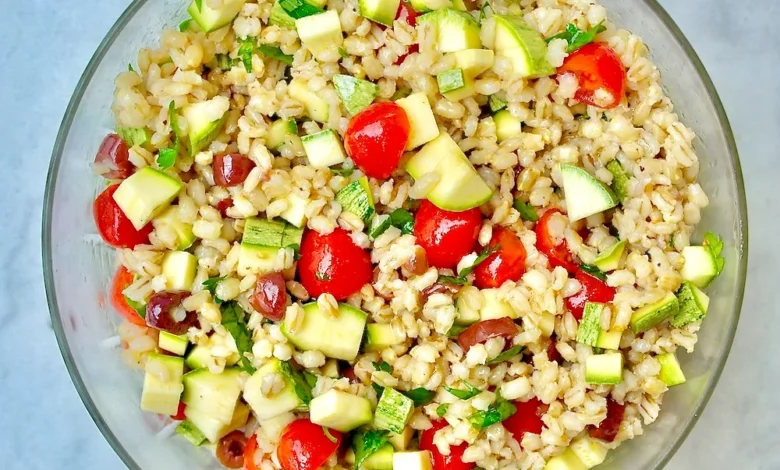
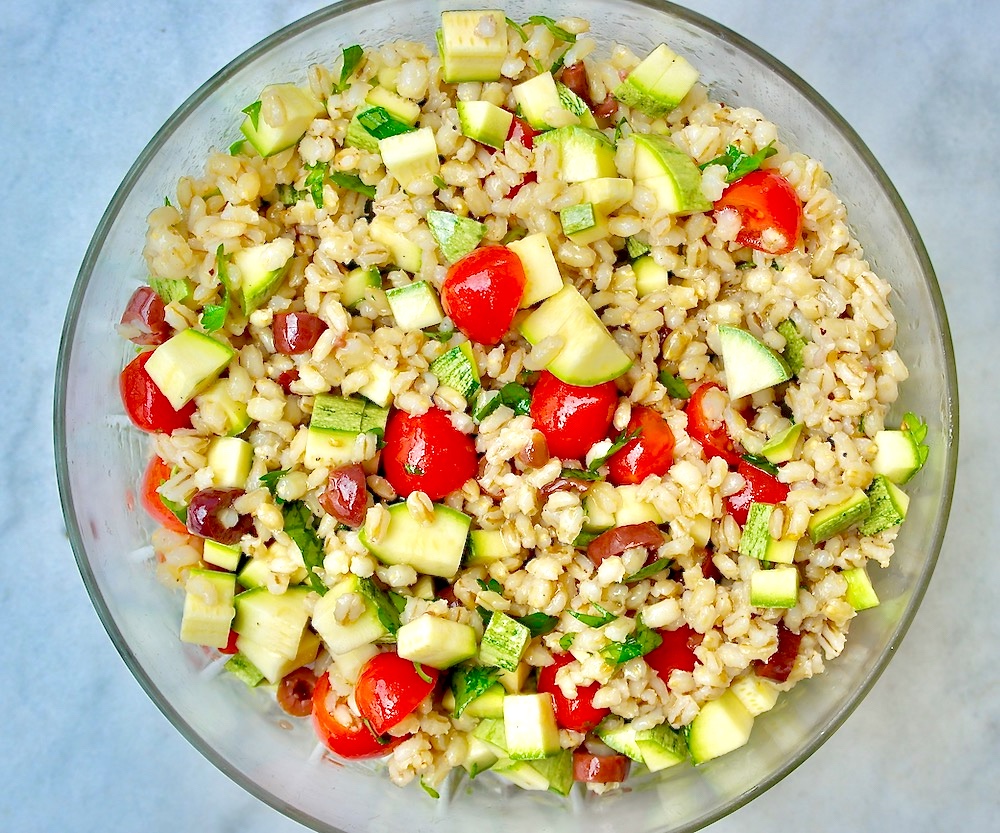
Depending on the specific geographic region within the Mediterranean basin, traditional tables feature a diverse array of unrefined grains, including barley, bulgur, farro, spelt, and whole-grain bread. Unlike refined carbohydrates, these intact grains provide a steady release of glucose, delivering essential dietary fiber, B vitamins, and trace minerals. Furthermore, they enhance satiety, working in tandem with vegetable-based dishes to prevent overeating.
Nutritional data consistently highlights the role of whole grains in gastrointestinal health and metabolic regulation. By incorporating grains like barley or farro into vegetable stews, legume dishes, and salads, home cooks can create balanced, satisfying meals that stabilize blood sugar levels and support long-term weight management.
2. Oregano: More Than a Culinary Garnish
Herbs and spices are frequently overlooked in discussions of macro-nutrition, yet they play a vital role in both the flavor profiles and the chemical composition of Mediterranean cuisine. Among these, dried Greek oregano holds a position of prominence.
Far from serving as a mere decorative dusting on a pizza or salad, dried Greek oregano is utilized generously across the Mediterranean. Its robust, highly aromatic profile can fundamentally transform simple, inexpensive ingredients—such as tomatoes, potatoes, beans, fresh fish, and roasted root vegetables—into deeply flavorful dishes. While fresh herbs certainly have a place in cooking, potent dried oregano remains a permanent fixture in the pantry.
From a biochemical perspective, oregano is exceptionally rich in antioxidant compounds, including carvacrol and thymol, which exhibit antimicrobial and anti-inflammatory properties. For public health advocates, the culinary reliance on herbs like oregano offers a practical solution to a major dietary hurdle: making wholesome, plant-based foods taste appealing without depending on heavy cream sauces, excessive sodium, or processed flavor enhancers.
3. Greek Yogurt: An Everyday Dairy Staple
In recent years, commercial marketing has popularized Greek yogurt across global markets as a high-protein functional food designed for fitness enthusiasts. However, in Greece and surrounding regions, thick, strained yogurt has never been viewed as a specialized wellness product; it is simply an everyday food.
Traditionally produced by straining out the liquid whey, authentic Greek yogurt features a thick, creamy texture and a tart flavor profile. It is consumed in numerous ways: enjoyed plainly, sweetened lightly with honey and fresh fruit, or utilized as the essential base for savory preparations like tzatziki, a garlic and cucumber yogurt dip.
From a nutritional standpoint, traditional yogurt provides high biological value protein, bioavailable calcium, and essential micronutrients. Furthermore, varieties containing live and active bacterial cultures support gut microbiome diversity. Epidemiological studies suggest that regular consumption of fermented dairy products can contribute to bone density maintenance and improved metabolic health, reinforcing the wisdom of traditional dietary habits.
4. Extra Virgin Olive Oil: The Indispensable Cornerstone
It is impossible to discuss Mediterranean nutrition without addressing extra virgin olive oil. In Greece, where per capita consumption of olive oil ranks among the highest in the world, this fat is utilized universally—for cooking, dressing salads, seasoning greens, enhancing bread, and even incorporated into traditional baked goods and desserts.
Extra virgin olive oil is extracted mechanically from olives without chemical refining, preserving its natural chemical composition. It is predominantly composed of monounsaturated fatty acids, primarily oleic acid, which research has linked to improved lipid profiles and reduced markers of systemic inflammation. More importantly, unrefined extra virgin olive oil contains a rich array of bioactive minor components, including polyphenols such as oleocanthal and oleuropein, which possess potent antioxidant and cardioprotective properties.
Public health experts stress that a low-fat Mediterranean diet is a contradiction in terms. The traditional dietary pattern relies on generous amounts of extra virgin olive oil not only for its physiological benefits, but also for its sensory impact. By enhancing the flavor profile of otherwise bitter or challenging vegetables—such as dark leafy greens, broccoli, and Brussels sprouts—olive oil ensures high compliance with plant-forward eating habits.
5. Seasonal Vegetables: The Heart of the Plate
Vegetables occupy the literal and figurative center of the Mediterranean plate. Tomatoes, zucchini, eggplants, bell peppers, leafy greens, onions, and cruciferous vegetables are consumed in vast quantities, dictated strictly by seasonal availability.
Rather than subjecting vegetables to elaborate, complicated culinary techniques, traditional Mediterranean cooking often employs straightforward preparation methods. Vegetables are frequently roasted with extra virgin olive oil and oregano, simmered slowly in tomato-based sauces, or stuffed with a mixture of rice, herbs, and legumes.
Nutritionally, this vegetable-heavy approach guarantees a high intake of dietary fiber, vitamins A and C, potassium, and thousands of distinct phytochemicals. Beyond the quantifiable nutritional metrics, however, traditional culinary practices solve a persistent behavioral challenge: they make vegetables genuinely delicious. By pairing produce with high-quality fats and aromatic herbs, Mediterranean cooking transforms plant foods from dietary obligations into culinary pleasures.
Broader Implications and Real Wellness
While these five core components—whole grains, oregano, Greek yogurt, extra virgin olive oil, and seasonal vegetables—form the biochemical backbone of the Mediterranean diet, nutrition scientists and public health officials increasingly emphasize that the diet cannot be divorced from its broader lifestyle context.
The authentic Mediterranean way of eating is intrinsically tied to community, seasonality, and mindfulness. It involves selecting real, minimally processed ingredients, cooking from scratch, sharing meals with family and friends, and finding intrinsic pleasure in daily culinary rituals. In an era characterized by rising rates of diet-related chronic disease and psychological fatigue associated with modern wellness trends, the enduring success of the Mediterranean diet offers a reassuring counter-narrative: sustainable health is found not in restriction, but in the celebration of simple, wholesome food and shared human connection.