Blackened Salmon Bowl: A Masterclass in Mediterranean-Inspired Nutritional Balance

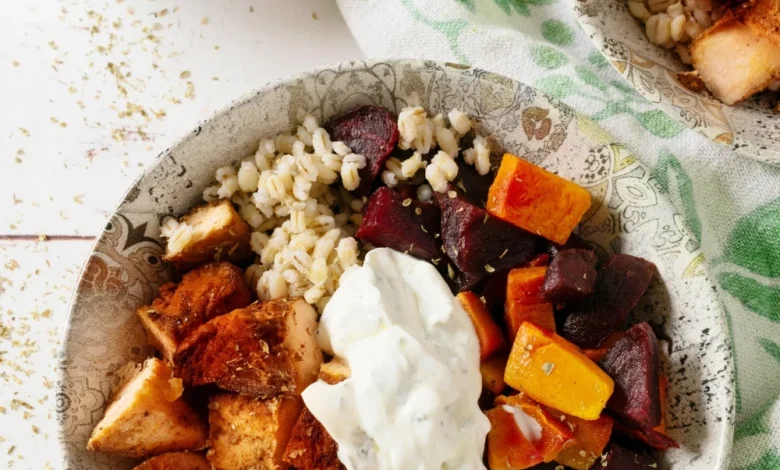
The contemporary culinary landscape has increasingly pivoted toward the "bowl" format as a primary method for delivering nutritionally dense, time-efficient, and visually cohesive meals. At the center of this movement is the Blackened Salmon Bowl, a dish that synthesizes the robust, savory profile of spice-crusted Atlantic salmon with the earthy, sweet undertones of roasted root vegetables and the fibrous, satiating properties of whole-grain barley. This dish, which has gained significant traction among nutritionists and home cooks alike, exemplifies the core tenets of the Mediterranean diet—a regimen consistently ranked by health organizations, including the American Heart Association, for its efficacy in promoting cardiovascular health and longevity.
The architectural integrity of this meal relies on a precise interplay of textures and temperatures. The preparation, which requires approximately 60 minutes from inception to completion, balances the lengthy, low-maintenance roasting time of seasonal produce with the rapid, high-heat technique required for searing protein. As a case study in modern meal preparation, this recipe offers a blueprint for balancing high-protein intake with complex carbohydrates and micronutrient-rich vegetation.
Culinary Methodology and Preparation Chronology
The logistical success of the Blackened Salmon Bowl is predicated on an efficient, tiered cooking timeline. Standard kitchen protocols suggest that the process begins with the thermal activation of the oven to 425°F (220°C). This specific temperature is critical; it facilitates the Maillard reaction on the surface of the butternut squash and beets, resulting in a caramelized exterior that balances the natural sugars of the vegetables with a slight, savory char.
The chronology of assembly is as follows:
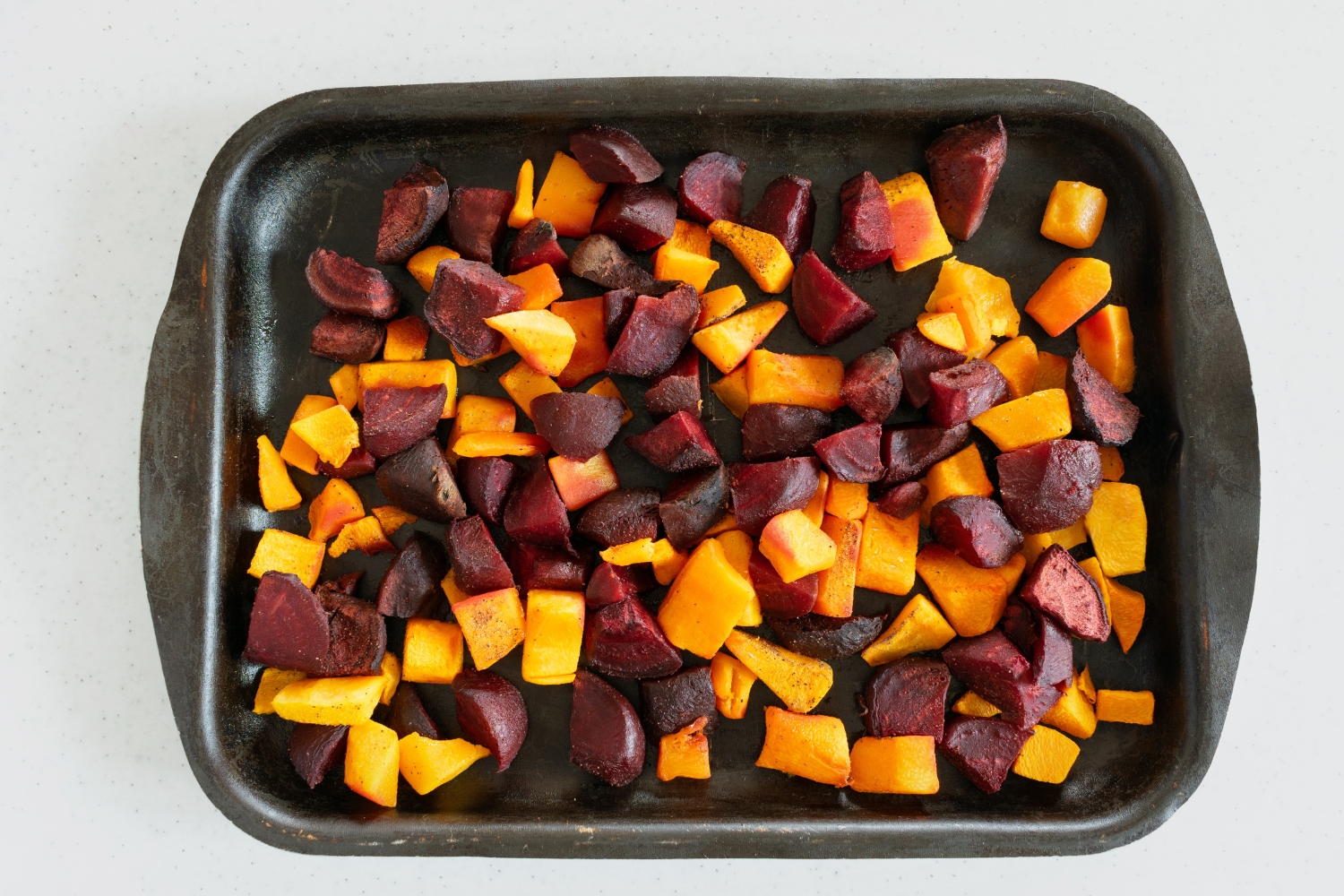
- T-Minus 60 Minutes: Vegetable preparation begins. Butternut squash and beet root must be uniform in size—ideally cut into one-inch cubes—to ensure consistent heat penetration. Coating these in a light application of extra virgin olive oil, kosher salt, and cracked black pepper provides the necessary foundation for roasting.
- T-Minus 50 Minutes: The vegetables are introduced to the oven. Proper spacing is non-negotiable; overcrowding the roasting tray results in moisture retention and steaming, rather than the desired roasting and caramelization.
- T-Minus 30 Minutes: Concurrently, the barley is boiled. Unlike white rice, barley requires a longer simmering period to achieve a chewy, al dente texture that serves as an effective, stable foundation for the bowl.
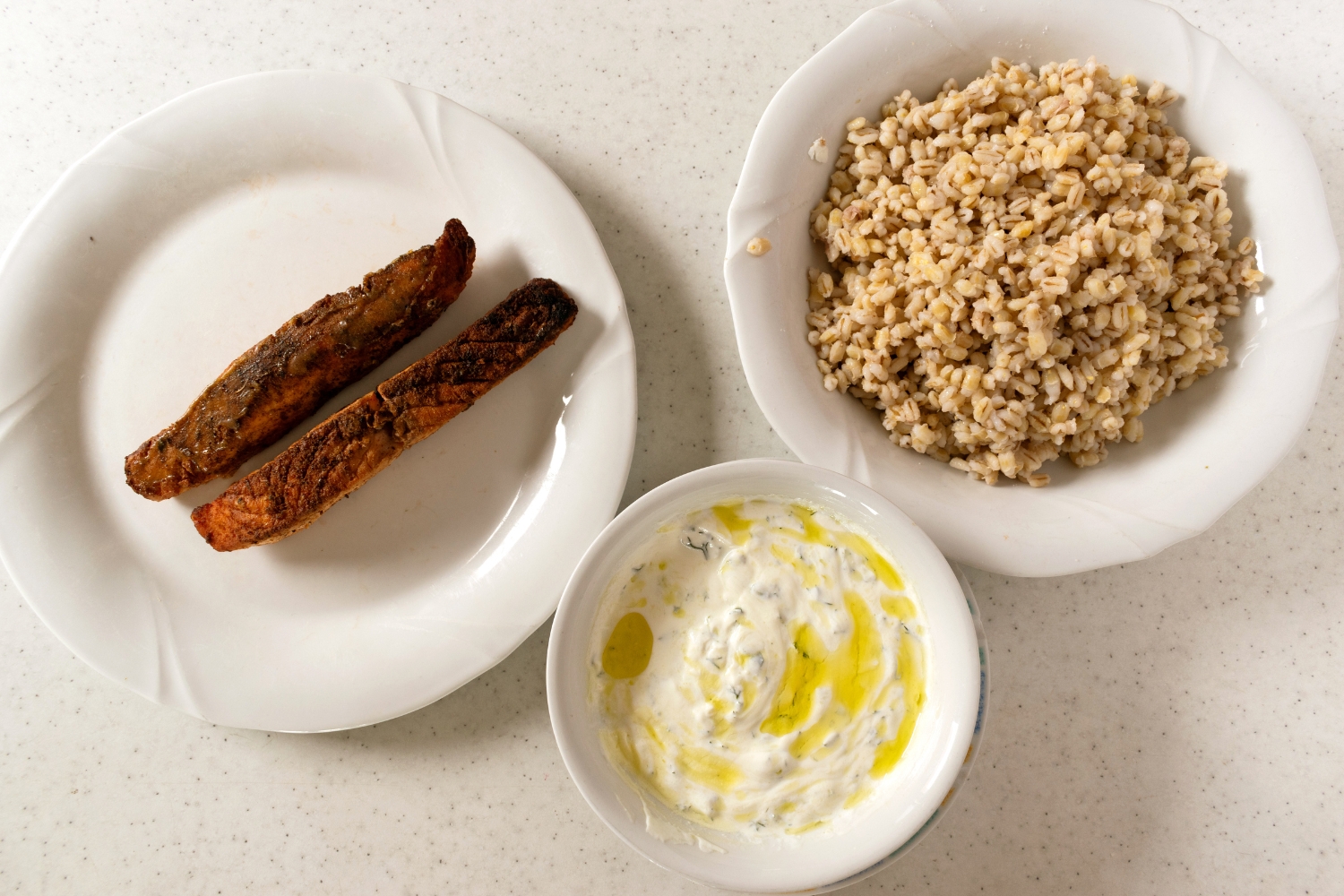
- T-Minus 15 Minutes: The salmon fillets are seasoned with a proprietary or classic "blackened" spice blend, typically consisting of paprika, cayenne, garlic powder, and onion powder. The sear should be performed in a heavy-bottomed skillet, allowing for the spices to darken—or "blacken"—without incinerating the delicate proteins of the fish.
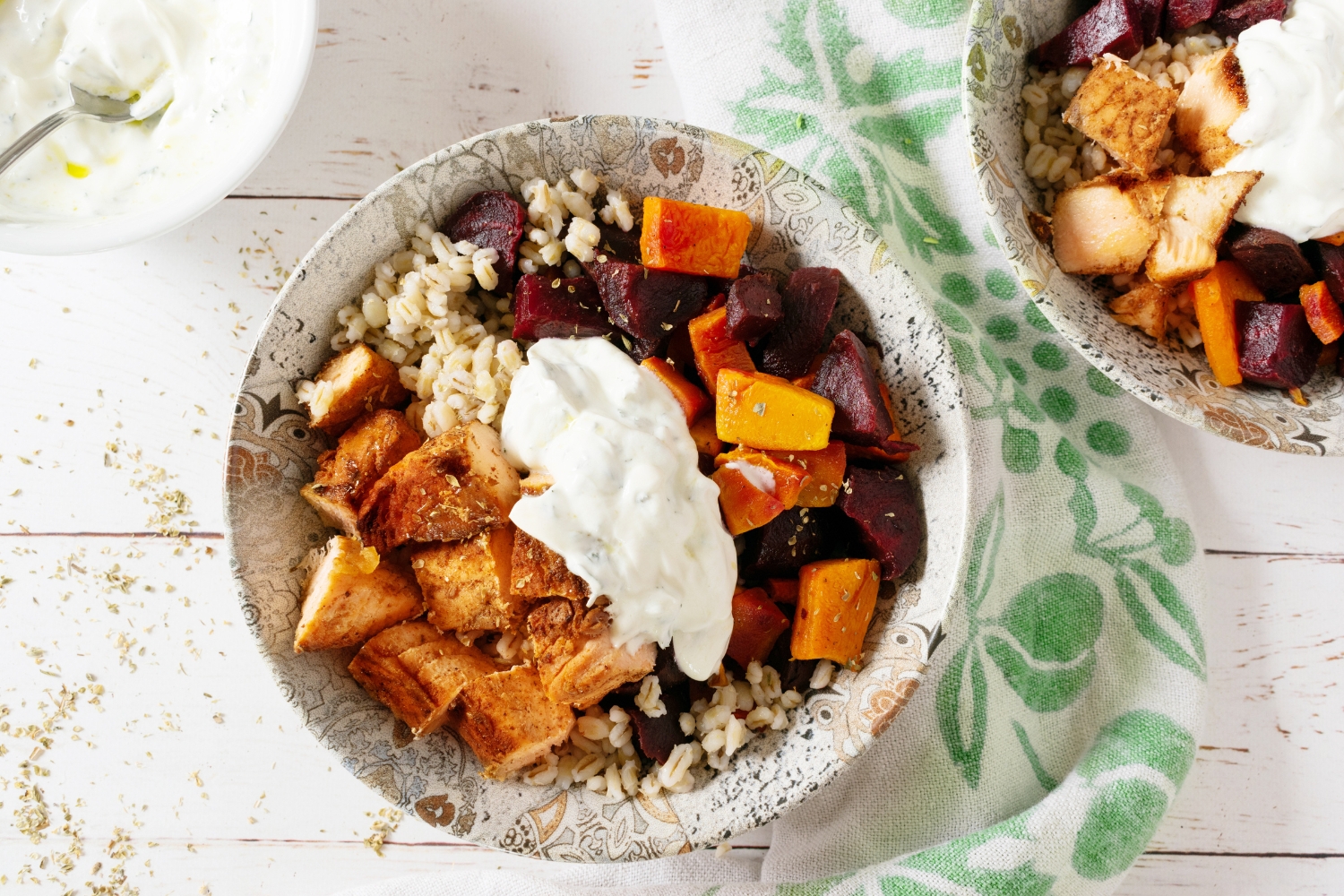
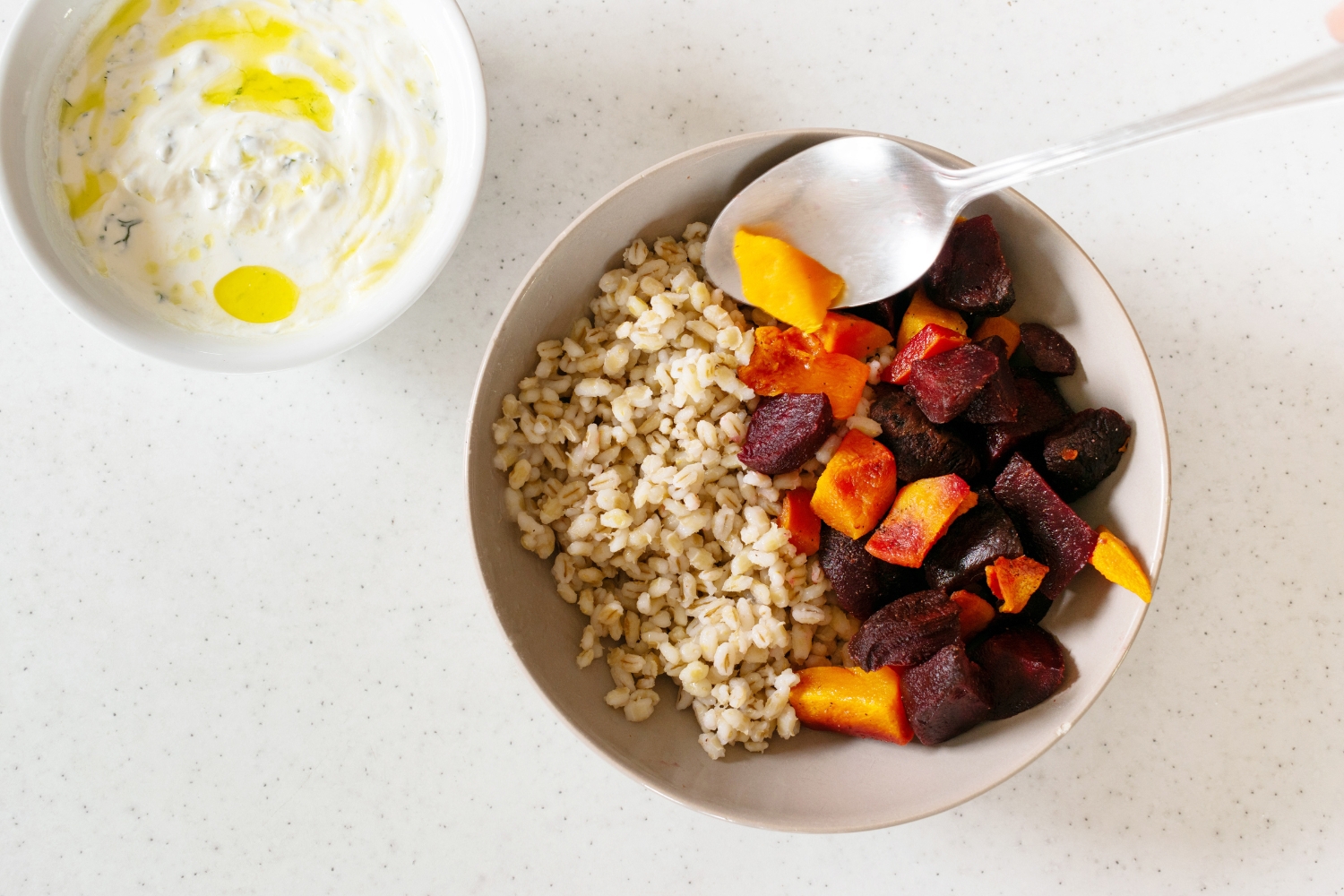
- T-Minus 0 Minutes: Assembly. The base layer of barley is topped with the roasted root vegetables, the salmon, and a dollop of a cool Greek yogurt-based sauce, which serves to offset the heat of the blackened spices with its high protein content and lactic acidity.
Nutritional Analysis and Cardiovascular Implications
The scientific rationale for the inclusion of these specific ingredients is substantial. Salmon is a premier source of long-chain omega-3 fatty acids, specifically eicosapentaenoic acid (EPA) and docosahexaenoic acid (DHA). Data from the National Institutes of Health (NIH) indicates that consistent consumption of these fatty acids is inversely correlated with the risk of arrhythmia and atherosclerotic plaque buildup.
The inclusion of barley adds a significant layer of dietary fiber, specifically beta-glucan. Research published in the Journal of Nutrition suggests that beta-glucan—a soluble fiber found in barley—is instrumental in the reduction of low-density lipoprotein (LDL) cholesterol. By replacing refined carbohydrates with such whole grains, individuals can achieve a more stable glycemic index throughout the post-prandial period, preventing the insulin spikes associated with highly processed starches.
The micronutrient profile is equally robust. Butternut squash is a dense source of beta-carotene, which the human body metabolizes into Vitamin A, essential for immune function and ocular health. Beets, conversely, are rich in nitrates, which have been shown in various clinical trials to improve blood flow and potentially lower systemic blood pressure by facilitating vasodilation.
Strategic Meal Prep and Food Safety Standards
For the modern consumer, the Blackened Salmon Bowl represents an ideal candidate for "batch cooking" or meal prep. However, this convenience requires strict adherence to food safety protocols. The United States Department of Agriculture (USDA) mandates that cooked fish must reach an internal temperature of 145°F (63°C) to ensure the destruction of potential pathogens.
When preparing these components in advance, separation is key. The yogurt sauce, which contains live active cultures and dairy proteins, must be stored in an airtight, refrigerated environment to prevent rapid degradation. If the components are mixed too early, the texture of the barley and the crispness of the roasted vegetables will suffer due to moisture migration. Industry experts suggest that the shelf life of these pre-assembled components—when stored in individual, hermetically sealed containers—should not exceed four days. Freezing is an option for the barley and vegetables; however, the salmon’s structural integrity often degrades during the thawing process, making it less desirable for long-term frozen storage.
Industry Perspectives on the "Bowl" Trend
Culinary historians and food scientists argue that the rise of the "bowl" is a direct response to the increasing demand for customizable, nutrient-dense, and portable meals. Unlike traditional plated meals where components are often separated by texture, the bowl format encourages a "total-bite" experience. By combining the cool, creamy yogurt sauce with the hot, spicy salmon, the consumer experiences a sensory contrast that is difficult to replicate in traditional dining formats.
Market analysts note that the popularity of the Blackened Salmon Bowl also reflects a broader shift toward Mediterranean-inspired eating, which emphasizes fresh produce and heart-healthy fats over the heavy, cream-based sauces that dominated mid-20th-century Western diets. This shift is not merely aesthetic; it is a fundamental move toward preventative nutrition. As health-conscious demographics grow, the demand for recipes that offer "functional food" benefits—meaning food that provides a health benefit beyond basic nutrition—is expected to rise.
Broader Implications for Home Dining
The accessibility of this recipe highlights a significant change in the home-cooking landscape. A decade ago, the complexity of balancing four distinct components—grain, vegetable, protein, and sauce—might have been relegated to restaurant dining. Today, however, the proliferation of digital resources and the democratization of culinary techniques have made this level of preparation common in the average household.
The scalability of the recipe is another factor in its endurance. Whether prepared for a solitary lunch or a dinner service for four, the fundamental ratios remain consistent. The flexibility to substitute farro for barley, or sweet potatoes for butternut squash, empowers the consumer to adapt the dish to their specific pantry inventory or dietary restrictions.
In conclusion, the Blackened Salmon Bowl is more than a mere culinary trend; it is a functional integration of traditional dietary wisdom and modern logistical convenience. By prioritizing ingredients that provide high-density nutrition while utilizing preparation methods that maximize flavor through heat and texture contrast, it stands as a standard-bearer for the future of home-prepared, health-focused meals. As food science continues to emphasize the link between diet and long-term wellness, meals that successfully bridge the gap between "healthy" and "satisfying" will remain the cornerstone of responsible, modern nutrition.
Frequently Asked Questions and Troubleshooting
For those attempting to refine their execution of this dish, several common queries arise regarding substitutions and technique. When asked about grain alternatives, culinary experts emphasize that while quinoa and farro are viable substitutes, they possess different absorption rates. Quinoa, for instance, requires less water than barley and has a shorter cooking duration, which necessitates an adjustment in the overall timeline to prevent the grain from becoming overcooked while waiting for the roasted vegetables.
Regarding the "blackening" process, the most common error is the use of too much oil or heat that is too high, leading to burnt spices rather than a charred crust. A high-smoke-point oil, such as avocado or grapeseed, is recommended over extra virgin olive oil for the searing process, as it can withstand the higher temperatures necessary for the spice blend to adhere properly without smoking prematurely.
Finally, for those managing dietary restrictions, the Greek yogurt sauce can be successfully swapped for a vegan alternative, such as a tahini-lemon emulsion. This substitution maintains the necessary acid-fat balance while adhering to dairy-free requirements. The versatility of this bowl, coupled with its nutritional density, ensures that it will continue to be a staple in the repertoire of those who view the kitchen as a place of both sustenance and preventative health management. As public awareness of the Mediterranean diet’s benefits continues to grow, such recipes serve as the bridge between theoretical nutritional guidelines and the realities of daily life.
Related posts: