The Nutritional Powerhouse of Table Olives: Why This Mediterranean Staple Deserves a Place in Your Daily Diet

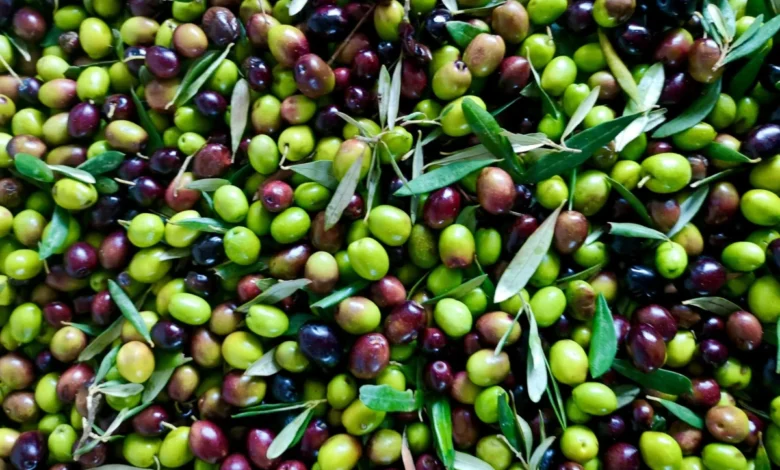
While global culinary appreciation for the Mediterranean diet often centers on the cardiovascular and systemic benefits of extra virgin olive oil, nutrition science and centuries of cultural tradition indicate that the whole olive fruit is an equally potent dietary asset. Across the Mediterranean basin, where olive cultivation spans more than six millennia, table olives have long served as a fundamental daily dietary staple. Modern nutritional research increasingly validates what ancient agricultural communities understood through observation: the whole olive is a complex matrix of monounsaturated fats, bioactive phytochemicals, essential micronutrients, and—when properly cured—beneficial probiotics.
Historical Context and Cultivation Origins
The domestication of the olive tree (Olea europaea) dates back approximately 6,000 years, anchoring itself deeply in the agricultural, economic, and culinary evolution of the Mediterranean region. Historical records show that ancient civilizations, including the Minoans and Phoenicians, traded olives and olive oil extensively, viewing the fruit as both a vital food source and a commodity of high value.
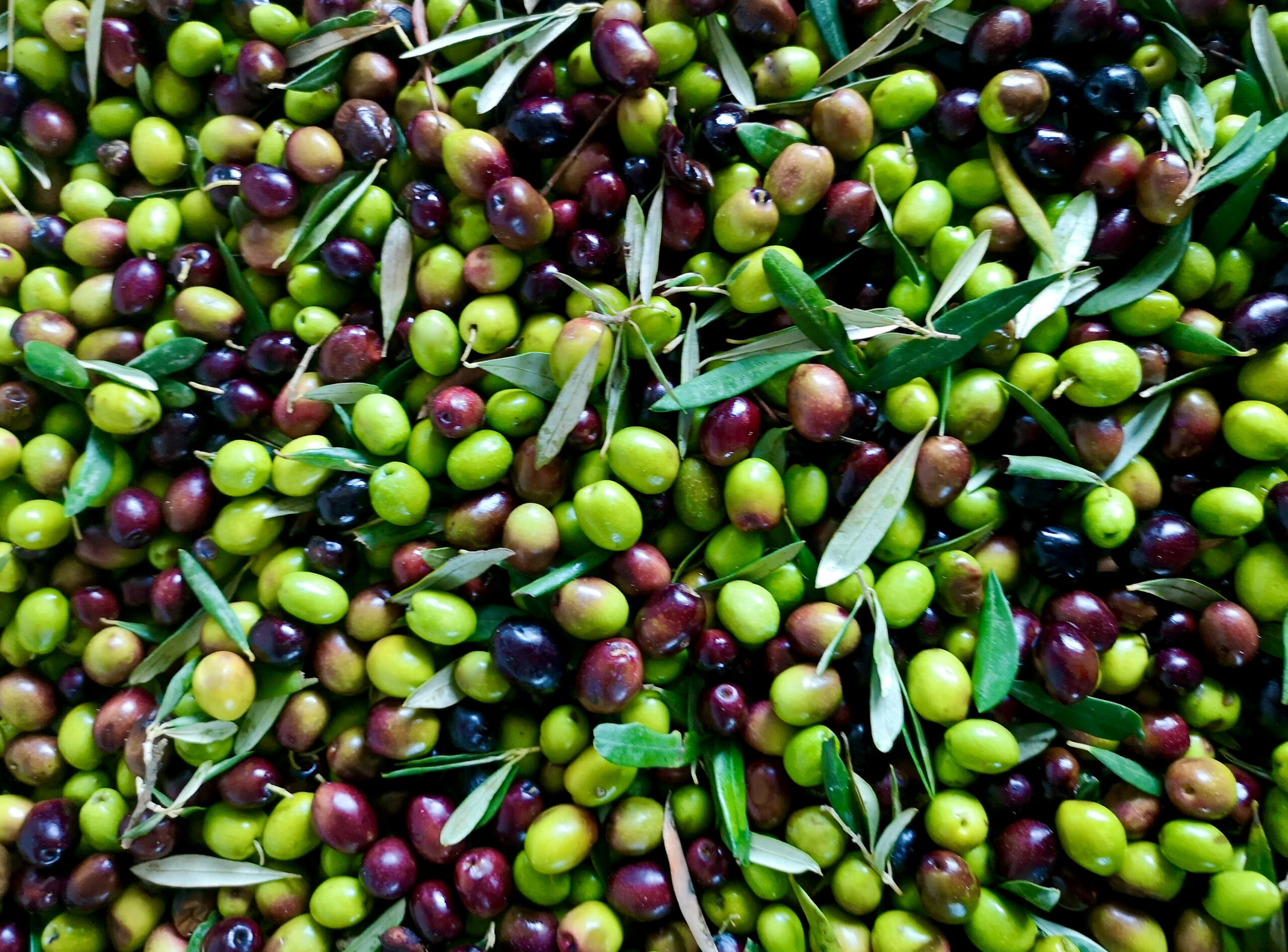
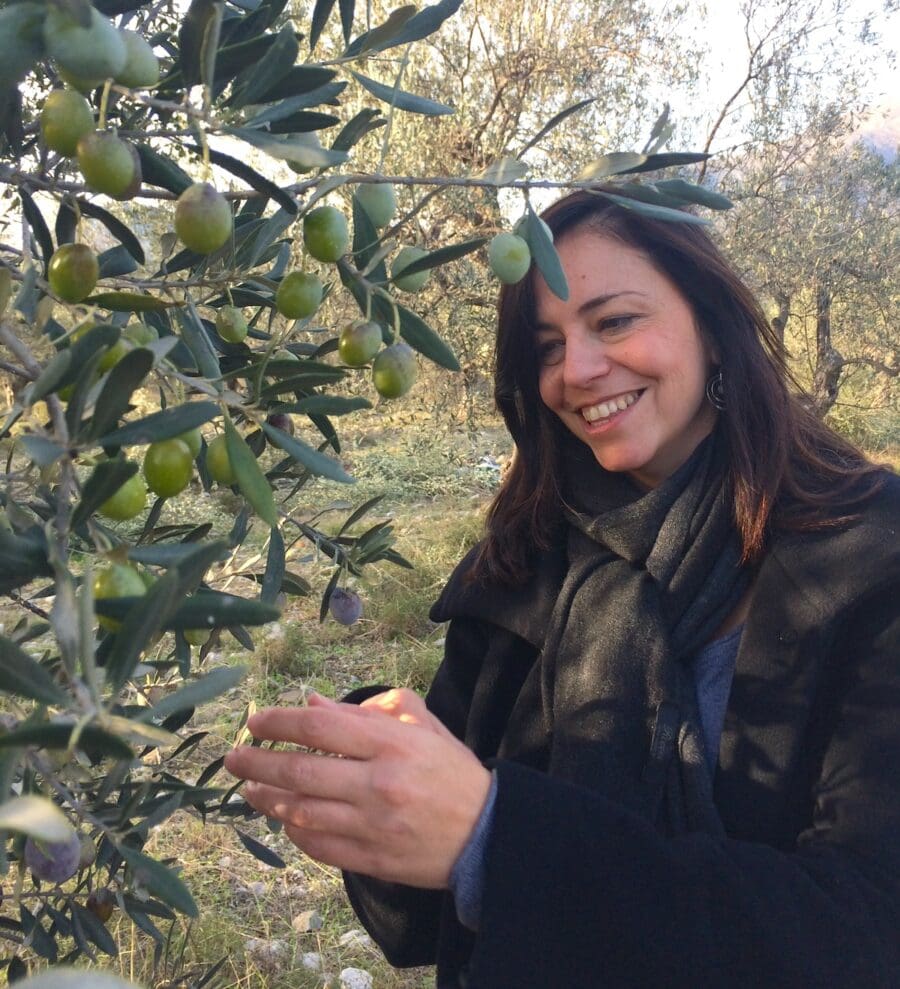
In mountainous agricultural regions, such as the Peloponnese in Greece, multi-generational farming families have sustained traditional harvesting and curing methodologies. Typically, the harvest commences in late autumn—principally November—when the fruit transitions through its natural ripening cycle. While the vast majority of the annual yield is pressed into oil, a significant portion of the harvest is systematically reserved for table consumption. Historically, these table olives were preserved using traditional methods that relied on simple elements: time, saltwater brine, and native microflora.
Botanical Classification and Phytochemical Profile
A common misconception in modern nutrition is that olives function primarily as a heavy fat source or a culinary condiment. Botanically, however, the olive is classified as a stone fruit, or drupe, placing it in the same broader category as peaches, cherries, and plums. This classification accounts for its dense concentration of antioxidants and plant-based bioactive compounds.
Nutritional data for a standard serving of approximately 10 olives (roughly 40 grams) reveals an energy profile ranging between 50 and 75 calories, composed predominantly of monounsaturated fatty acids—specifically oleic acid. The fruit contains minimal carbohydrates, trace amounts of plant protein, dietary fiber, vitamin E, and essential minerals including calcium, iron, and magnesium.
Beyond standard macronutrients, olives boast an extensive array of phytochemicals. Scientific analyses have identified over 30 distinct bioactive compounds within the fruit. The most prominent among these are polyphenols, which include oleuropein, oleocanthal, and hydroxytyrosol.
The Impact of Processing Methods on Nutritional Value
A critical factor frequently overlooked by consumers is that raw, freshly harvested olives are virtually inedible due to an intense, natural bitterness driven by high concentrations of oleuropein. Consequently, all table olives undergo some form of curing or debittering process prior to commercial distribution. However, the chosen processing technique drastically alters the final nutritional integrity and chemical composition of the fruit.
Traditional, Natural Fermentation (Greek-Style and Mediterranean Curing)
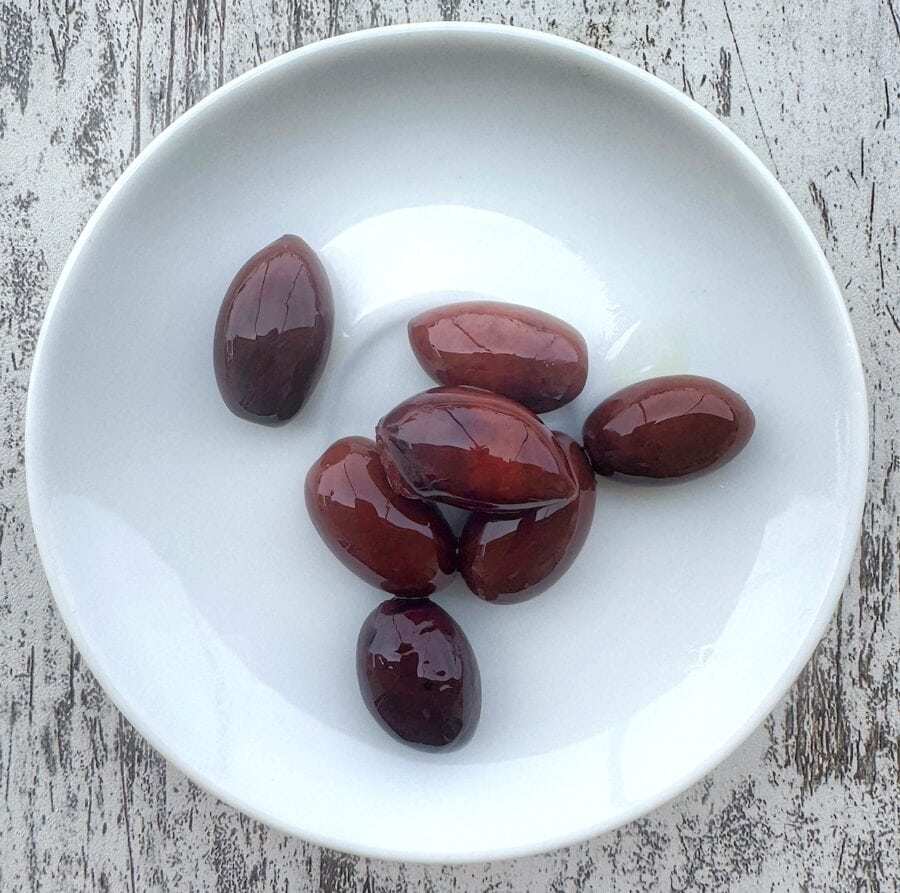
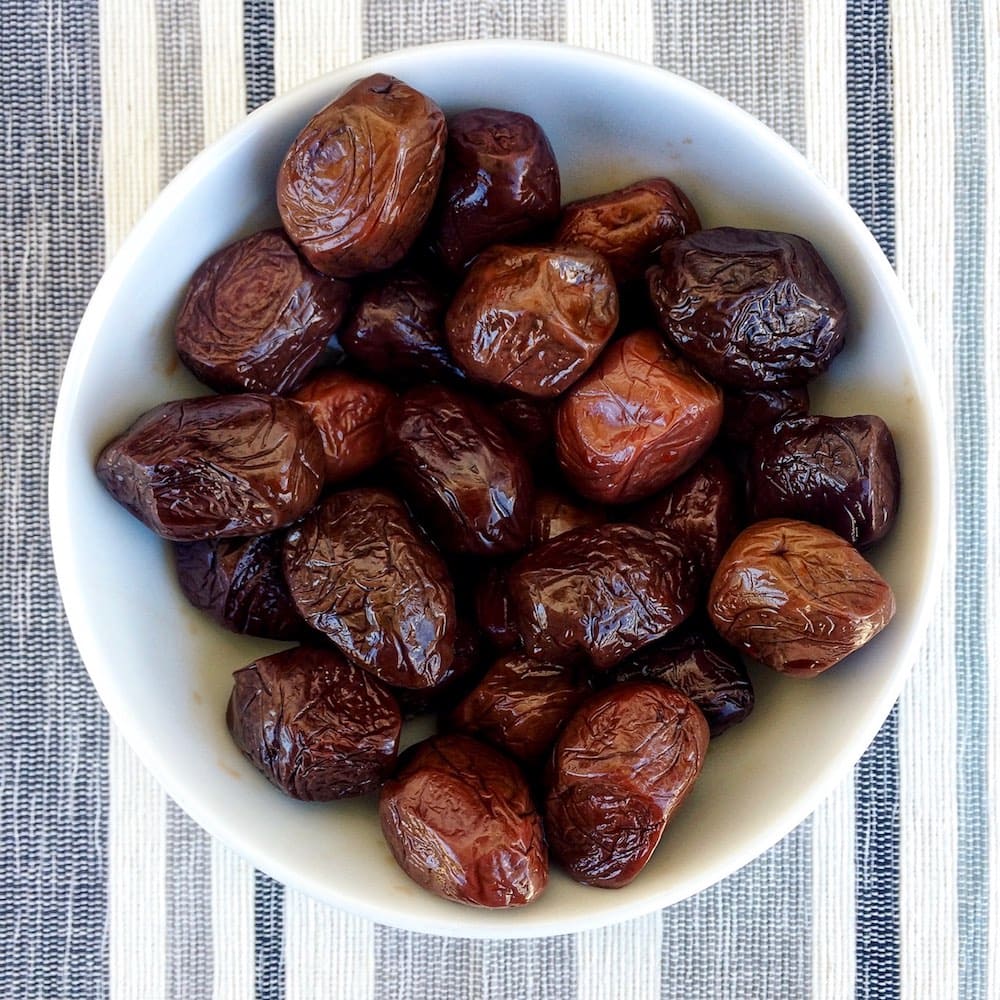
Traditional processing methods, predominantly practiced in Greece, Italy, and France, utilize slow, natural fermentation in a saltwater brine. This method encourages the proliferation of beneficial lactic acid bacteria. Because the process avoids harsh chemical treatments, the finished product retains high concentrations of delicate polyphenols and often harbors live probiotic cultures that support human gastrointestinal health.
Industrial Lye-Treatment (Spanish-Style and California-Style Processing)
In contrast, mass-production systems often employ chemical agents to accelerate the debittering phase. Spanish-style olives are frequently treated with dilute sodium hydroxide (lye) to rapidly neutralize oleuropein, followed by multiple water rinses. California-style black olives undergo an even more aggressive industrial regimen: lye treatment, followed by artificial darkening via high-pressure oxygen bubbling (oxidation), and subsequent high-temperature thermal sterilization. While this rapid processing yields a uniformly dark, mild-tasting, and soft-textured olive, it strips away the vast majority of the fruit’s native polyphenols, degrades its delicate flavor complexity, and eliminates all viable probiotic organisms.
Cardiovascular and Metabolic Health Implications
The inclusion of naturally processed olives in a balanced diet yields measurable physiological benefits, supported by a growing body of peer-reviewed clinical literature.
Cardiovascular Protection
The high ratio of monounsaturated fats found in olives contributes directly to lipid profile optimization. Clinical studies indicate that regular consumption of oleic acid helps reduce low-density lipoprotein (LDL) cholesterol while preserving or elevating high-density lipoprotein (HDL) cholesterol. Concurrently, olive polyphenols exert protective effects on the vascular endothelium by mitigating oxidative stress and reducing systemic inflammation, which collectively contributes to improved arterial elasticity and regulated blood pressure.
Systemic Anti-Inflammatory Action
Chronic, low-grade inflammation is a primary pathophysiological driver in numerous non-communicable diseases, including type 2 diabetes, cardiovascular disorders, neurodegenerative conditions, and certain malignancies. The specific polyphenols concentrated in traditional olives—most notably oleocanthal—exhibit pharmacological mechanisms comparable to non-steroidal anti-inflammatory drugs (NSAIDs) such as ibuprofen, actively suppressing inflammatory pathways at the cellular level.
Neuroprotective and Cognitive Considerations
Emerging epidemiological and biochemical research suggests that long-term dietary intake of olive-derived antioxidants may protect neural tissue from oxidative damage and age-related cognitive decline. The neuroprotective properties of hydroxytyrosol and related compounds are currently being investigated for their potential to reduce the incidence and progression of neurodegenerative disorders, including Alzheimer’s disease.
Metabolic Regulation and Blood Sugar Stability
Due to their low glycemic index, high healthy-fat content, and presence of specialized bioactive compounds, table olives assist in modulating insulin sensitivity. Incorporating moderate portions into meals can help prevent postprandial glucose spikes, supporting overall metabolic stability and reducing long-term risk factors associated with metabolic syndrome.
Digestive Support and Microbiome Health
Beyond systemic circulation, naturally fermented olives act as a functional food for the gastrointestinal tract. The fermentation process introduces active probiotic strains capable of surviving gastric transit, thereby supporting a diverse and resilient gut microbiome. This microbial interaction, combined with the dietary fiber content of the whole fruit, promotes regular gastrointestinal motility and mucosal integrity.
Consumer Guidelines and Dietary Integration
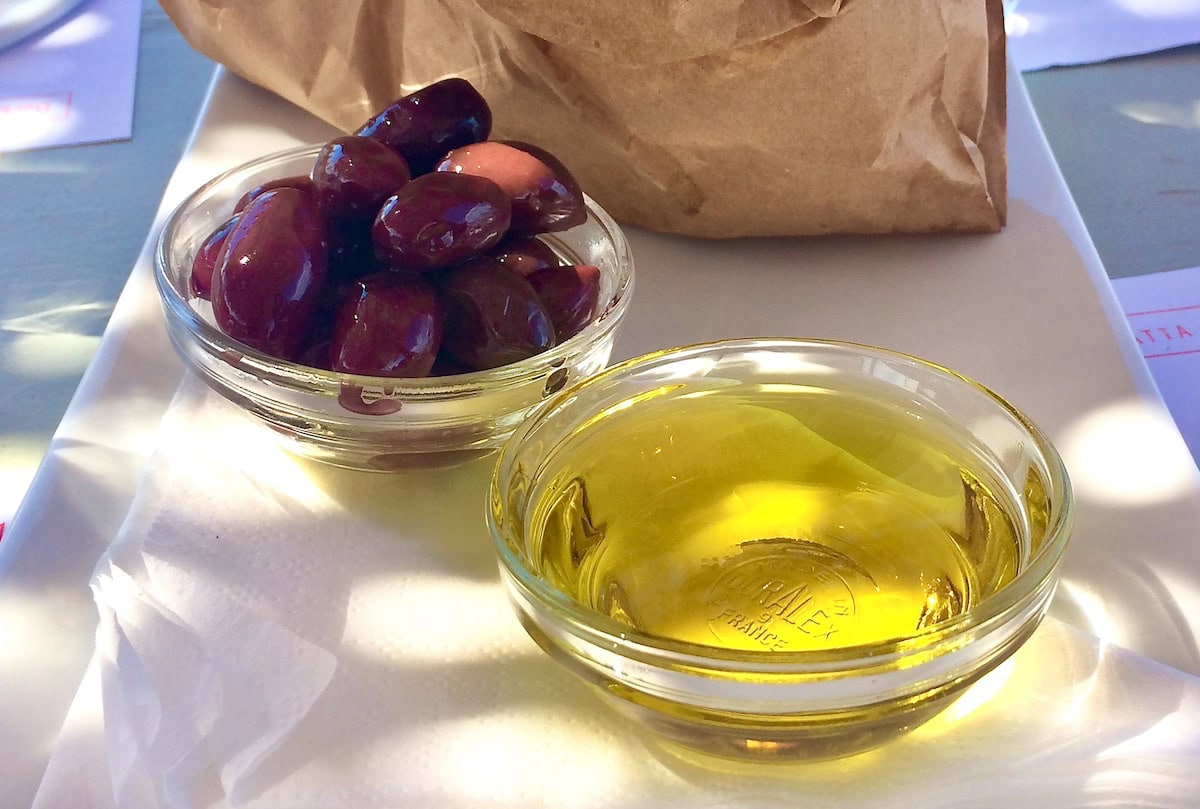
Nutrition experts and dietitians recommend a consistent, moderate intake—approximately 10 olives per day—to maximize health benefits without excessive sodium consumption, as olives are typically preserved in brine.
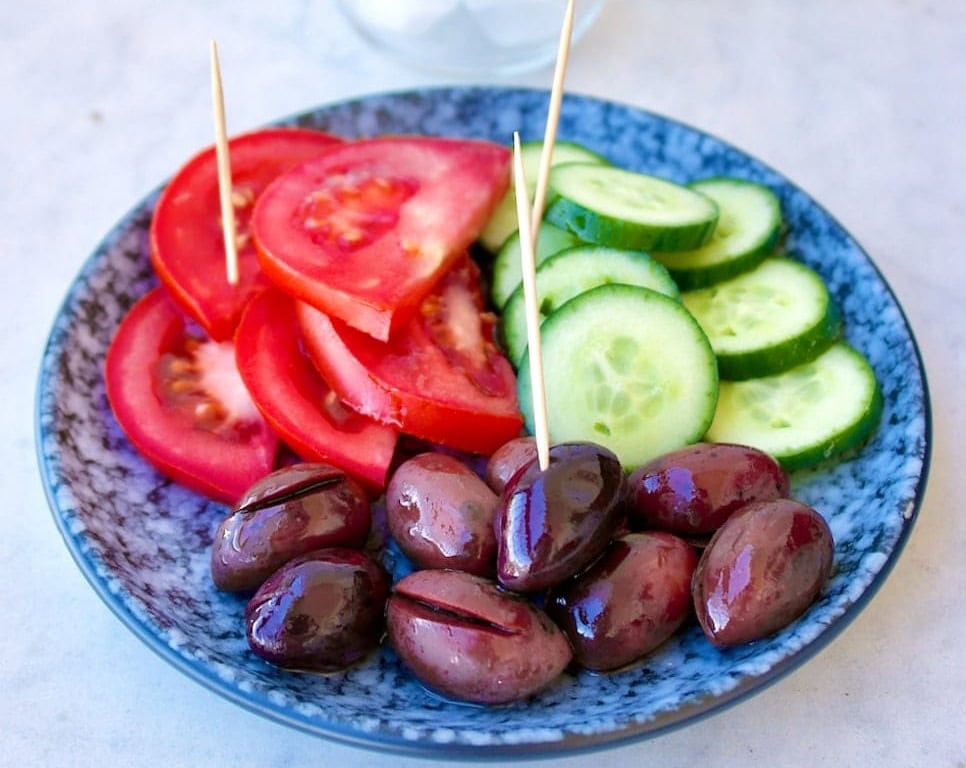
When navigating retail environments, consumers face a distinct labeling challenge, as commercial packaging rarely details the precise chemical curing method utilized. To ensure optimal nutritional density, public health and nutrition specialists advise consumers to select traditional, naturally fermented varieties—such as Greek Kalamata or Throuba, Sicilian Castelvetrano, or French Niçoise—while exercising caution with uniform, canned black table varieties that have undergone accelerated industrial oxidation.
Incorporating table olives into everyday culinary practices requires minimal preparation. They can be consumed plain as a snack, paired with whole-grain bread and plant proteins, integrated into traditional Mediterranean salads, or incorporated into warm dishes such as herb-roasted vegetable medleys, whole-grain tapenades, and baked Mediterranean potato preparations.
Conclusion
As contemporary nutritional science continues to dissect the physiological mechanisms of the Mediterranean diet, the whole olive fruit stands out as a functional food of exceptional value. Moving beyond its historical role as a mere culinary accompaniment, the naturally cured table olive offers a dense convergence of healthy fats, essential micronutrients, and powerful antioxidants that support long-term cardiovascular, metabolic, and neurological health.
Related posts: