Caesar Tomato Salad: A Modern Fusion of Mediterranean Freshness and Culinary Simplicity

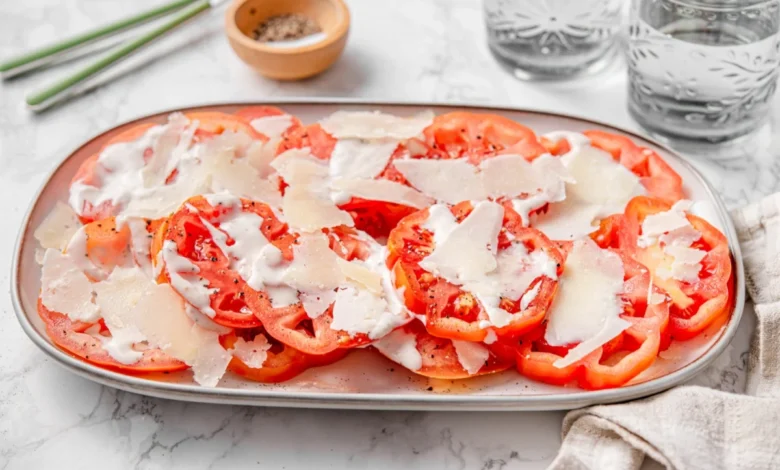
The rise of Mediterranean-inspired fusion cuisine has led to a renewed appreciation for minimal-ingredient preparation, a trend exemplified by the emergence of the Caesar tomato salad. This dish, which blends the rustic, vibrant profile of heirloom tomatoes with the savory, umami-rich notes of a traditional Caesar dressing, has gained significant traction in both home kitchens and contemporary restaurant menus. By stripping away the heavy carbohydrates often associated with classic salads—such as croutons or dense pasta bases—this iteration focuses on the botanical integrity of the tomato, utilizing it as the primary medium for a refined, balanced flavor profile.
Culinary Origins and the Evolution of the Caesar Profile
The traditional Caesar salad, attributed to restaurateur Caesar Cardini in the 1920s, has historically relied on romaine lettuce, croutons, and a dressing featuring emulsified oil, egg yolk, Worcestershire sauce, garlic, and anchovies. In the last decade, culinary professionals have begun to deconstruct this iconic dressing, applying it to unconventional bases. The Caesar tomato salad represents the most recent evolution in this movement, shifting the focus from the crunch of lettuce to the seasonal quality of the Solanum lycopersicum, or tomato.
The shift toward using heirloom varieties in this context is not merely aesthetic; it is a response to the agricultural diversity of the tomato market. Heirloom tomatoes, which are open-pollinated varieties passed down through generations, offer a broader range of acidity, sweetness, and texture compared to commercial hybrid varieties. Culinary historians note that the inclusion of Parmesan cheese in this salad mirrors the historical Italian practice of using aged cheeses to provide a saline counterpoint to the natural sugars found in ripe, field-grown produce.
The Anatomy of the Dish: Ingredients and Nutritional Composition
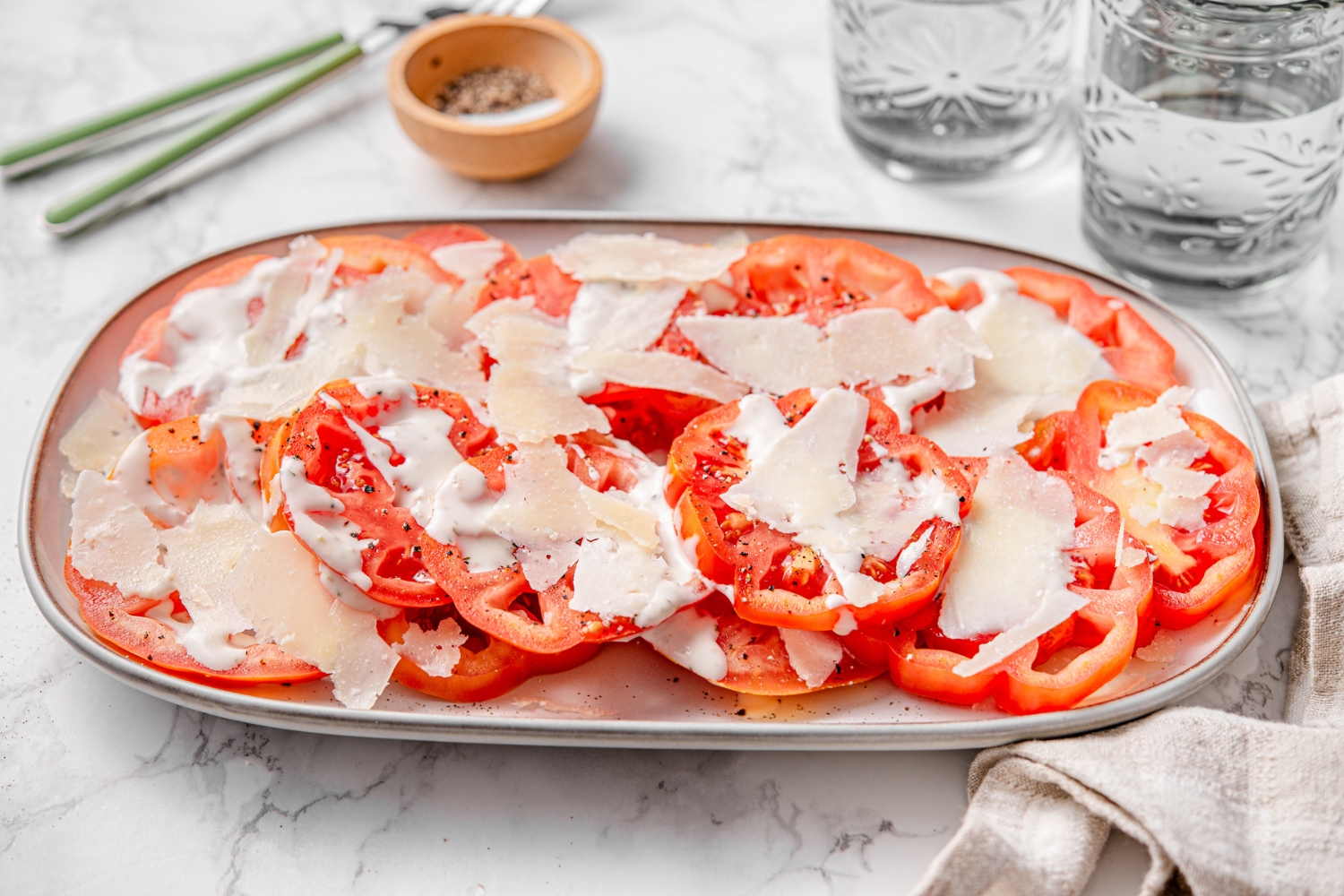
A standard serving of Caesar tomato salad typically contains approximately 130 kilocalories, providing a nutrient-dense alternative to traditional starters. The nutritional profile is anchored by the tomato, which is a significant dietary source of lycopene, a carotenoid pigment that has been extensively studied for its potential role in cardiovascular health and cellular protection.
The dressing serves as a functional lipid source, facilitating the absorption of fat-soluble vitamins, including Vitamin A and Vitamin C, which are abundant in tomatoes. The inclusion of shaved Parmesan adds a modest, high-quality protein component and essential calcium, while the anchovy-based dressing introduces omega-3 fatty acids, provided the dressing is prepared with high-quality, oil-packed fillets.
From an analytical perspective, the success of the dish relies on the equilibrium between the acidic profile of the tomato and the lipid-rich profile of the dressing. Because the recipe contains fewer than seven core ingredients, the quality of each component—specifically the grade of the Parmesan and the freshness of the tomatoes—becomes the primary determinant of the final sensory experience.
Chronology of Preparation and Implementation
The preparation of this dish is characterized by its high efficiency, requiring roughly 10 minutes of active labor. Professional chefs emphasize that the timing of assembly is the most critical variable in maintaining the structural integrity of the salad.

- Sourcing and Tempering: Ideally, tomatoes are sourced from local growers during peak harvest seasons. To maximize flavor, they must be brought to room temperature prior to slicing; chilling inhibits the release of volatile aromatic compounds that characterize a ripe tomato.
- Precision Slicing: The technique requires thick, consistent rounds. This is essential for structural stability, as thinner slices are prone to collapse under the weight of the dressing and cheese.
- Layering: The assembly process involves a "shingling" method, where slices overlap slightly on a wide platter. This not only optimizes the distribution of the dressing but also provides a larger surface area for the Parmesan to adhere to.
- Final Seasoning: The application of salt is a deliberate chemical step, used to draw out the tomato’s internal juices, which then emulsify with the Caesar dressing to create a self-forming vinaigrette at the base of the platter.
Comparative Analysis: Traditional vs. Modern Interpretations
Critics and food scientists often compare this modern variation to the classic Caprese salad, which utilizes mozzarella and basil. While the Caprese is defined by the milky, neutral profile of the cheese, the Caesar tomato salad is defined by the aggressive, savory profile of the anchovy and garlic-heavy dressing.
Data from consumer behavior studies in the culinary sector suggest that there is an increasing demand for "low-prep, high-impact" meals. The Caesar tomato salad aligns with these findings, as it circumvents the need for cooking while offering an elegant presentation. However, the dish presents a challenge for long-term storage; unlike a standard green salad, the high moisture content of the tomatoes causes rapid degradation once the salt and dressing are applied. Consequently, industry experts recommend that the salad be prepared for immediate consumption, noting that any leftovers retain poor quality after a 24-hour period due to the dilution of the dressing by tomato water.
Broader Implications for the Mediterranean Diet
The integration of this salad into the broader Mediterranean diet framework is consistent with the diet’s emphasis on whole foods and high-quality fats. Public health initiatives in Mediterranean regions have long promoted the consumption of raw, seasonal vegetables as a primary method for reducing systemic inflammation.
By replacing the processed, refined carbohydrates found in many modern side dishes with the fiber-rich, high-water-content structure of the tomato, this recipe serves as a template for healthy, sustainable eating. Furthermore, the ability to adapt the recipe—such as using cherry tomatoes for a more concentrated flavor or omitting anchovies to suit vegetarian preferences—demonstrates the versatility of the dish.

Regulatory and Dietary Considerations
For those adhering to strict dietary guidelines, the inclusion of anchovies in traditional Caesar dressing represents a non-negotiable non-vegetarian element. However, modern culinary adaptations have introduced vegan and vegetarian-friendly versions that use capers or miso paste to mimic the umami characteristics of the anchovy. This flexibility has allowed the salad to gain broader acceptance in international markets where dietary restrictions regarding fish consumption are common.
Furthermore, the emphasis on "seasoning as you go" is a professional technique that mitigates the risk of over-salting, which is a common error when combining Parmesan—an inherently salty cheese—with a dressing that often contains significant sodium levels. By managing the salt content carefully, the chef allows the natural sweetness of the tomato to remain the focal point of the dish.
Future Trends and Sustainability
As the climate shifts and growing seasons for heirloom tomatoes fluctuate, the sustainability of sourcing these specific ingredients remains a topic of agricultural interest. Farmers markets are increasingly viewed as the most reliable source for high-quality produce suitable for this specific salad. The reliance on local, seasonal produce is a core tenet of the "farm-to-table" movement, which views the Caesar tomato salad not just as a recipe, but as a commitment to reducing the carbon footprint associated with long-distance food transportation.
In conclusion, the Caesar tomato salad is a sophisticated yet accessible example of modern food assembly. Its success is rooted in the quality of its limited components and the precision of its assembly. As culinary trends continue to favor simplicity and fresh, raw ingredients, this dish is likely to remain a staple in both domestic and commercial environments, serving as a testament to the power of high-quality produce when paired with a classic, flavor-forward dressing. Whether presented as a light lunch or a complex accompaniment to a Mediterranean-style main course, the dish bridges the gap between traditional techniques and contemporary dietary preferences.