Oven Roasted Asparagus with Feta and Almonds Brings Mediterranean Flavor to Modern Tables

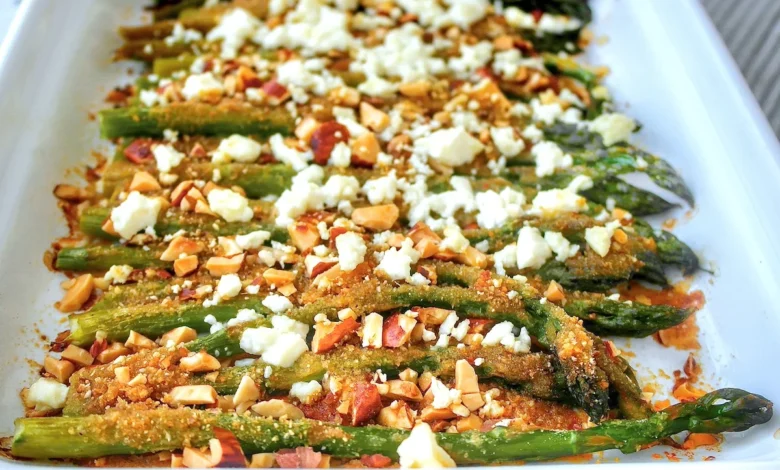
The culinary landscape of contemporary home cooking continues to shift toward dishes that successfully bridge the gap between nutritional integrity and rapid preparation. Among the latest developments in vegetable-forward cuisine, a specific preparation of oven-roasted asparagus paired with Greek feta cheese and toasted almonds has emerged as a noteworthy example of Mediterranean dietary traditions adapted for busy lifestyles. Developed by registered dietitian and nutrition expert Elena Paravantes, this recipe highlights the growing consumer interest in incorporating antioxidant-rich, plant-based meals into daily routines without sacrificing flavor or culinary complexity.
Nutritional Profile and Health Implications
From a nutritional standpoint, the combination of asparagus, extra virgin olive oil, almonds, and feta cheese offers a comprehensive array of macronutrients and micronutrients that align with recommendations from leading health organizations regarding chronic disease prevention and metabolic health. Asparagus itself is recognized within the scientific community as a nutrient-dense food source. It is particularly rich in vitamin K, folate, and various B vitamins, alongside essential minerals such as potassium and iron.
Crucially, the vegetable contains high levels of bioactive compounds, including flavonoids, phenolic acids, and glutathione. Clinical research indicates that these antioxidants play a vital role in neutralizing free radicals, thereby mitigating oxidative stress—a primary driver in the development of cardiovascular disease and certain forms of malignancy. Furthermore, asparagus provides significant amounts of lutein and zeaxanthin, carotenoids known to support ocular health by protecting cellular structures in the eye from light-induced damage.
Beyond vitamins and antioxidants, asparagus serves as a functional food due to its inulin content. Inulin is a non-digestible carbohydrate categorized as a prebiotic. Upon reaching the gastrointestinal tract, inulin acts as a selective substrate that feeds beneficial gut microbiota, specifically bifidobacteria and lactobacilli. This process promotes a balanced microbiome, which gastroenterologists and nutritional scientists increasingly link to enhanced digestive efficiency, improved immune function, and systemic anti-inflammatory effects.
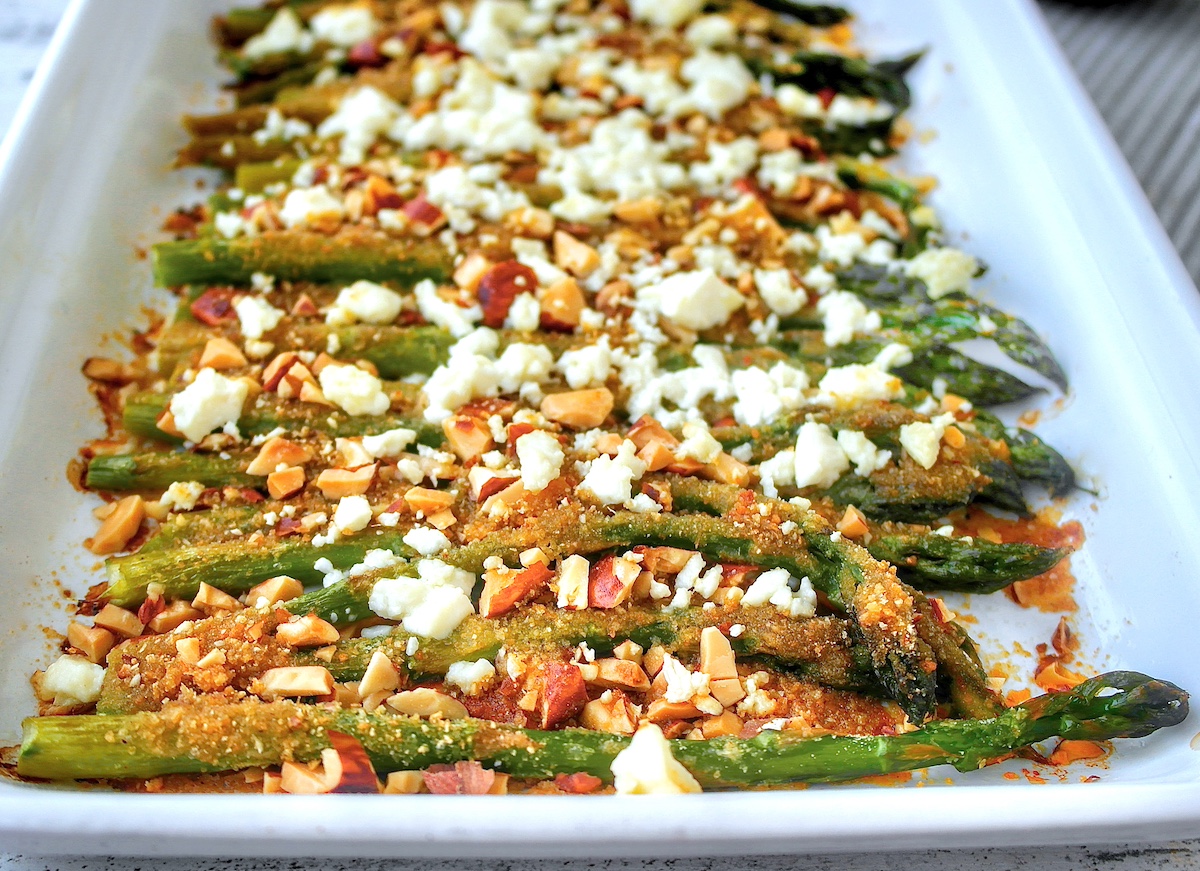
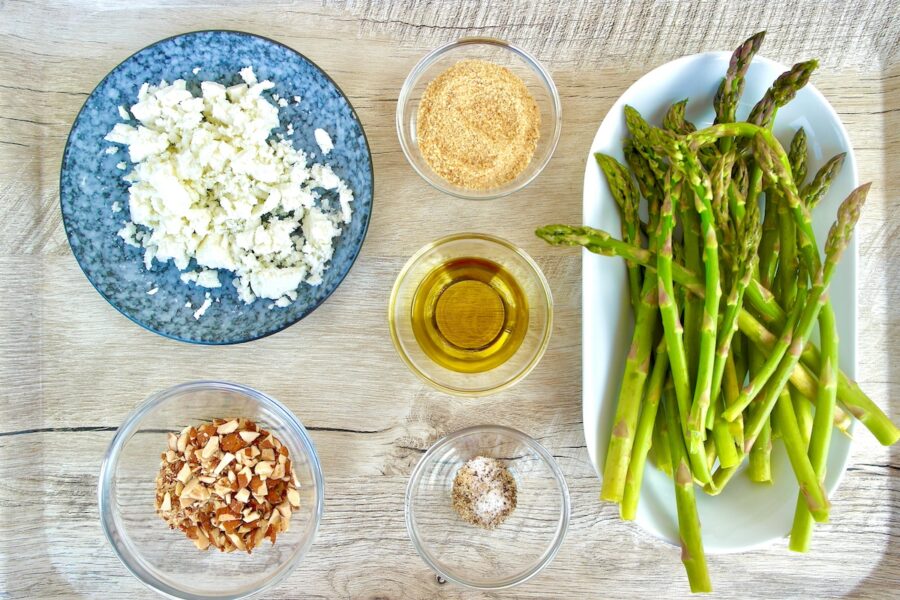
The addition of extra virgin olive oil during the roasting process not only facilitates the caramelization of the asparagus spears—enhancing flavor through the Maillard reaction—but also introduces monounsaturated fatty acids and phenolic compounds that work synergistically to improve lipid profiles. The inclusion of almonds and feta cheese elevates the protein content to approximately 10 grams per serving, transforming what would otherwise be a standard vegetable side dish into a more nutritionally complete component of a meal capable of sustaining satiety.
Culinary Context and Preparation Methodology
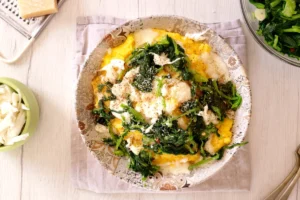
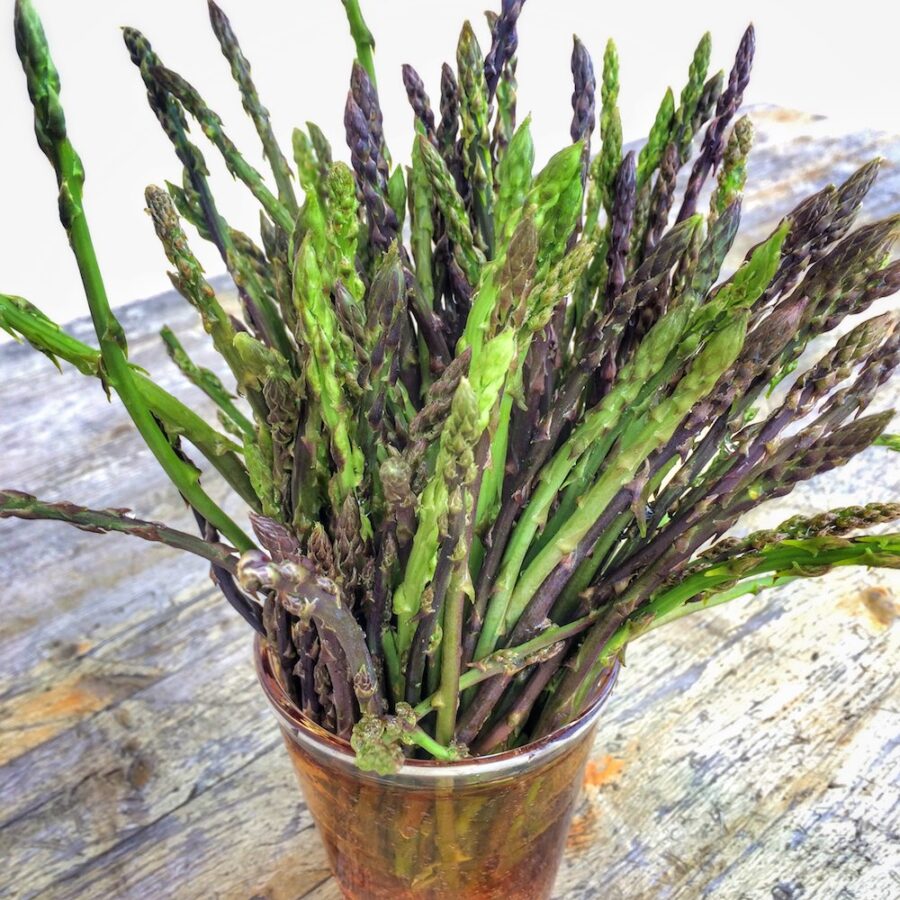
While asparagus is frequently associated with Northern European and American spring cuisines, its culinary roots run deep within the Mediterranean basin. In regions such as Greece, wild asparagus varieties proliferate during the spring months. These wild variants, characterized by exceptionally thin stalks and a concentrated, earthy flavor profile, have been traditionally harvested through foraging and incorporated into regional dishes ranging from simple wild greens plates (horta) to omelets and savory phyllo-based pies.
Culinary experts note that roasting represents one of the most effective thermal processing methods for maximizing the palatability of asparagus. Unlike boiling or steaming, which can leach water-soluble vitamins and result in a limp, waterlogged texture, high-heat oven roasting evaporates excess moisture while promoting surface caramelization. This dual action concentrates the natural sugars within the vegetable while developing a crisp exterior texture.
Achieving optimal results requires specific preparation techniques. Professional kitchens and culinary instructors emphasize the importance of selecting firm, straight spears with a vibrant green coloration and tightly closed, compact tips. Storage procedures dictate that fresh asparagus should be treated similarly to cut flowers: trimming the stem ends by one to two centimeters and storing the stalks upright in a container with a small amount of water, loosely covered in the refrigerator, can extend freshness and crispness for up to a week.
Preparation guidelines advise against peeling standard garden asparagus, as the nutrient-dense skin contains significant fiber and flavor compounds, reserving the peeling technique exclusively for unusually thick, woody stems or white asparagus varieties. To prevent the common culinary pitfall of soggy vegetables—which occurs when overcrowding on a baking sheet causes the produce to steam rather than roast—cooks are instructed to arrange the spears in a single, uncrowded layer coated evenly with oil before introducing them to a preheated oven.
Broader Economic and Dietary Trends
The introduction and popularization of recipes like roasted asparagus with feta and almonds reflect broader consumer trends favoring the Mediterranean diet, which has consistently been ranked by public health panels as one of the most sustainable and health-promoting dietary patterns globally. The demand for fresh, versatile produce that can function interchangeably as a side dish or a primary entrée has surged in response to shifting work-from-home schedules and an intensified consumer focus on preventative healthcare.
Public health analysts observe that as chronic lifestyle-related conditions such as obesity and type 2 diabetes continue to challenge healthcare systems worldwide, culinary interventions that increase vegetable consumption through flavor enhancement—such as incorporating healthy fats, aged cheeses, and nuts—offer a pragmatic pathway toward long-term dietary modification. By demonstrating that nutrient-dense vegetables can be prepared rapidly without complex culinary training, recipes of this nature support public health messaging aimed at reversing declining dietary quality indices in industrialized nations.
As agricultural sectors adapt to meet the rising year-round demand for asparagus and associated Mediterranean pantry staples, educational initiatives led by clinical nutritionists remain central to translating complex biochemical data into actionable, accessible home-cooking strategies. Through continued emphasis on evidence-based nutrition combined with traditional flavor profiles, culinary professionals aim to sustain public engagement with wholesome, plant-forward eating practices for the foreseeable future.