Unlocking Longevity: Inside the Kitchen and Philosophy of the Authentic Mediterranean Diet

The modern global wellness industry is saturated with restrictive dietary fads, complex meal-prep regimens, and synthetic supplements promising rapid transformations. Yet, for over a quarter of a century, registered dietitian and nutrition expert Elena Paravantes has advocated for a return to historical fundamentals. Raised in the Mediterranean tradition, Paravantes argues that true nutritional balance is not achieved through deprivation, but rather through the consistent integration of wholesome, time-tested ingredients that have anchored Mediterranean life for generations. Rather than chasing fleeting wellness trends, this culinary approach centers on the pleasure of communal dining, the utilization of seasonal produce, and the appreciation of unpretentious, flavor-forward components. A peek inside a traditional Mediterranean pantry reveals a collection of staples that not only define regional gastronomy but also form the evidence-based foundation of one of the world’s most thoroughly researched dietary patterns.
Historical Context and the Evolution of the Mediterranean Diet
The global recognition of the Mediterranean diet is rooted in mid-20th-century nutritional science, most notably the Seven Countries Study led by American physiologist Ancel Keys in the 1950s. Keys and his researchers observed that populations in regions such as Crete and southern Italy exhibited remarkably low rates of chronic cardiovascular disease despite high total fat intakes, primarily derived from olive oil. This paradox shifted public health paradigms, highlighting that the type of fat consumed and the broader dietary matrix—rich in plant foods, fiber, and antioxidants—matter far more than strict fat restriction. Over the subsequent decades, numerous randomized controlled trials, including the landmark PREDIMED study in Spain, repeatedly confirmed that traditional Mediterranean eating patterns significantly reduce the incidence of major cardiovascular events, type 2 diabetes, and age-related cognitive decline. Far from being a modern commercial construct, the diet represents an evolutionary adaptation of the agricultural yields of the Mediterranean basin, heavily influenced by local climates, ancient trade routes, and centuries-old preservation techniques.
Core Staples of the Mediterranean Kitchen
Understanding the Mediterranean lifestyle requires looking beyond abstract nutritional guidelines to examine the specific physical ingredients that populate home kitchens across Greece, Italy, Spain, and beyond. According to nutritional experts and culinary historians, five foundational elements consistently drive both the health benefits and the sensory pleasure of this dietary pattern.
- Whole Grains: The Satiating Base
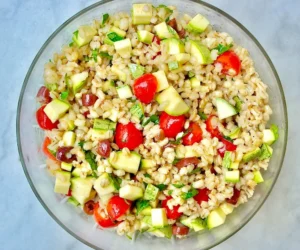
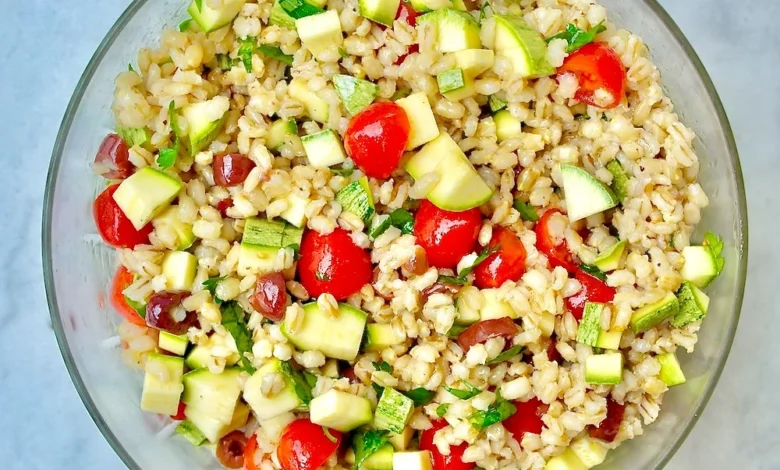
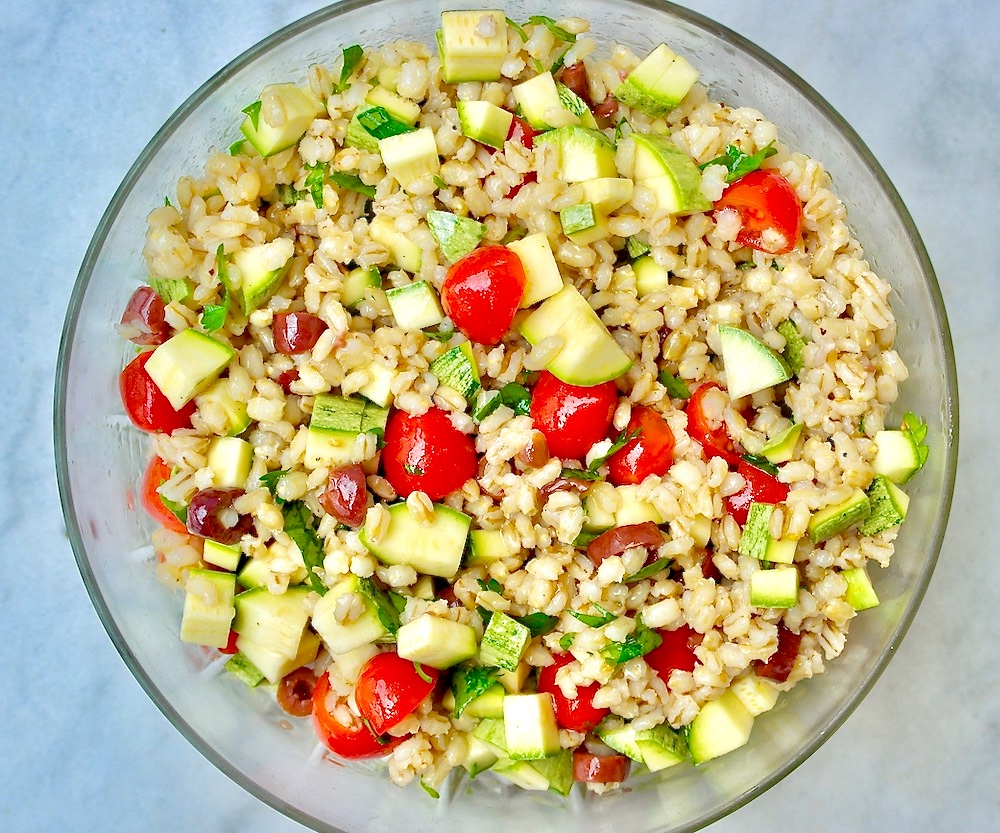
Unlike the heavily refined white flour products that dominate modern industrial food systems, traditional Mediterranean cultures have long relied on unrefined whole grains. Depending on the specific micro-region, tables feature nutrient-dense grains such as barley, bulgur, farro, and rustic whole-grain breads. Botanically, whole grains retain all three original parts of the seed—the fiber-rich bran, the vitamin-packed germ, and the starchy endosperm. This structural integrity ensures a slower digestion rate, providing sustained energy and prolonged satiety. When paired with legumes, fresh vegetables, aromatic herbs, and extra virgin olive oil, these grains transform into robust, satisfying meals that stabilize blood sugar levels and support long-term metabolic health.
- Oregano: Flavorful Therapeutics
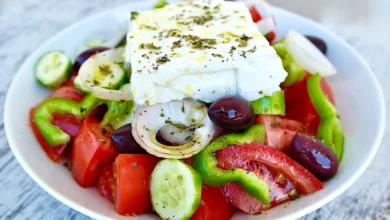
Herbs and spices in Mediterranean cooking serve a dual purpose: elevating sensory appeal and delivering concentrated bioactive compounds. Greek oregano, in particular, transcends the role of a mere garnish. Characterized by a robust, highly aromatic profile, dried oregano is utilized liberally to enhance everything from simple field greens and roasted root vegetables to fresh tomatoes, baked beans, and finfish. Beyond its culinary versatility, oregano is exceptionally rich in antioxidant compounds, including thymol and carvacrol, which exhibit antimicrobial and anti-inflammatory properties. By relying on potent dried and fresh herbs rather than heavy, sodium-laden sauces or artificial flavor enhancers, Mediterranean cooking achieves deep flavor profiles without nutritional compromise.
- Greek Yogurt: Everyday Fermentation
While international commercial markets have increasingly marketed strained yogurt as a specialized high-protein wellness product, in its native Greece, yogurt is an elemental, everyday food item. Thick, creamy, and naturally tart, traditional Greek yogurt is consumed independently, sweetened lightly with local honey and fresh fruit, or utilized as the savory base for preparations like tzatziki, a classic garlic and cucumber dip. From a nutritional standpoint, authentic strained yogurt provides a substantial supply of bioavailable protein, calcium, and phosphorus. Furthermore, varieties containing live and active bacterial cultures contribute beneficial probiotics to the gastrointestinal tract, supporting a healthy gut microbiome, which emerging science links to immune function and metabolic regulation.
- Extra Virgin Olive Oil: The Non-Negotiable Foundation
It is impossible to conceptualize a genuine Mediterranean diet devoid of olive oil. In Greece, which maintains the highest per capita consumption of olive oil globally, the ingredient is ubiquitous. It is utilized for sautéing, drizzled raw over crisp salads, absorbed by crusty bread, massaged into bitter greens, and even incorporated into traditional baked goods and desserts. Extra virgin olive oil—extracted through mechanical means without chemical processing—is rich in monounsaturated fatty acids, primarily oleic acid, and contains a diverse array of bioactive polyphenols. These compounds act as potent antioxidants and anti-inflammatory agents within the body. Nutritional consensus dictates that a low-fat Mediterranean diet is a contradiction in terms; generous quantities of extra virgin olive oil are essential not only for lipid profiles and cardiovascular protection, but also because its rich mouthfeel renders nutrient-dense vegetables deeply palatable.
- Seasonal Vegetables: Culinary Simplicity
Vegetables occupy the undisputed centerpiece of the Mediterranean plate. Tomatoes, zucchini, eggplant, bell peppers, dark leafy greens, onions, and cruciferous vegetables like cauliflower and broccoli are celebrated in their seasonal peaks. Rather than employing complex culinary techniques or masking flavors with heavy dairy-based dressings, Mediterranean preparation methods are remarkably straightforward. Vegetables are frequently roasted simply with olive oil and oregano, simmered slowly in olive-oil-and-tomato broths, or stuffed with rice, lentils, and aromatic herbs. This culinary approach ensures the preservation of vital micronutrients—including dietary fiber, vitamins A, C, and K, and various phytochemicals—while actively encouraging high vegetable consumption through sheer culinary enjoyment.
Broader Impact and Public Health Implications
The enduring relevance of the Mediterranean dietary pattern extends far beyond individual kitchen practices; it offers a vital blueprint for addressing global public health crises. In an era marked by rising rates of obesity, metabolic syndrome, and diet-related chronic illnesses, public health organizations increasingly look to food-based dietary guidelines rather than reductionist nutrient counting. The World Health Organization and various international cardiology societies regularly endorse the Mediterranean diet as a gold standard for chronic disease prevention.
From an economic and environmental perspective, the Mediterranean approach aligns closely with sustainable food systems. By emphasizing plant-based foods, seasonal harvesting, locally sourced grains, and minimal food processing, this dietary model inherently generates a lower carbon footprint compared to Western diets heavily reliant on industrial livestock production and ultra-processed convenience foods. Furthermore, the cultural framework surrounding the diet—emphasizing mindful eating, culinary literacy, and the social ritual of sharing meals with family and community—addresses the psychological and behavioral dimensions of nutrition that are frequently overlooked by clinical interventions.
Ultimately, experts emphasize that adopting a Mediterranean lifestyle does not require rigid adherence to arbitrary rules or the complete elimination of beloved foods. Instead, it invites a paradigm shift toward mindful engagement with real, unprocessed ingredients. By reintroducing foundational staples like extra virgin olive oil, whole grains, aromatic herbs, fermented dairy, and abundant seasonal produce into the daily routine, individuals can cultivate a sustainable approach to long-term wellness rooted in both scientific validation and cultural heritage.