Unlocking the Longevity Secrets of the Mediterranean Diet: Five Essential Staples for Sustainable Health

The pursuit of a balanced and healthy nutritional lifestyle has long confounded modern consumers, often leading them toward restrictive eating habits and fleeting wellness trends. However, nutritional science and decades of observational data consistently point toward a more enduring paradigm: the traditional Mediterranean diet. Rather than demanding the elimination of beloved foods, this lifestyle framework emphasizes the regular integration of wholesome, nutrient-dense ingredients that have sustained Mediterranean populations for generations. Raised on these time-tested culinary traditions and drawing upon more than 25 years of professional practice, registered dietitian and nutrition expert Elena Paravantes emphasizes that the true essence of this lifestyle lies not in rigid dietary rules, but in the appreciation of simple, high-quality ingredients and the communal ritual of dining.
For decades, public health researchers have examined why populations residing along the Mediterranean basin exhibit lower rates of chronic cardiovascular disease, metabolic disorders, and age-related cognitive decline compared to their Western counterparts. The answer, experts suggest, is rooted in a holistic dietary pattern rich in plant-based foods, healthy fats, and unrefined grains. Understanding this approach requires an examination of the foundational pantry staples that define authentic Mediterranean cooking, many of which offer profound biochemical and physiological benefits backed by contemporary nutritional research.
Historical Context and the Evolution of the Mediterranean Diet
The recognition of the Mediterranean diet as a model of cardiovascular health began to take shape globally in the mid-20th century, largely catalyzed by the landmark Seven Countries Study led by American physiologist Ancel Keys in the late 1950s and 1960s. Keys and his research teams observed that populations in Crete, mainland Greece, and southern Italy experienced remarkably low incidences of coronary heart disease despite diets that were relatively rich in total fat—specifically, olive oil.
Over the subsequent decades, nutritional epidemiologists traced the protective mechanisms of this diet to its unique matrix of foods. By the turn of the 21st century, public health organizations, including the World Health Organization (WHO), began formally recognizing the Mediterranean dietary pattern as a benchmark for chronic disease prevention. In 2010, UNESCO officially inscribed the Mediterranean diet on the Representative List of the Intangible Cultural Heritage of Humanity, acknowledging that the tradition encompasses far more than mere food nutrients; it represents a comprehensive social fabric characterized by hospitality, neighborliness, intercultural dialogue, and creativity.
Whole Grains: The Satiating Foundation
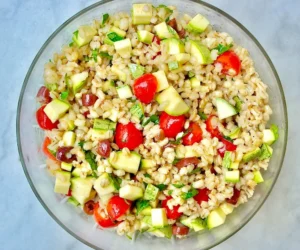
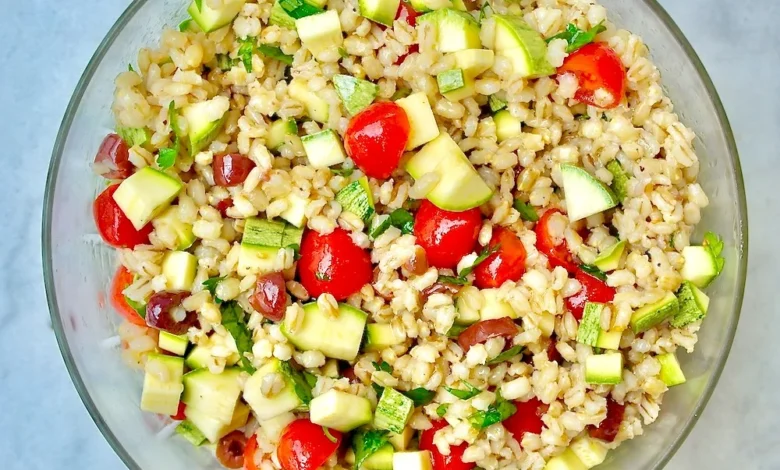
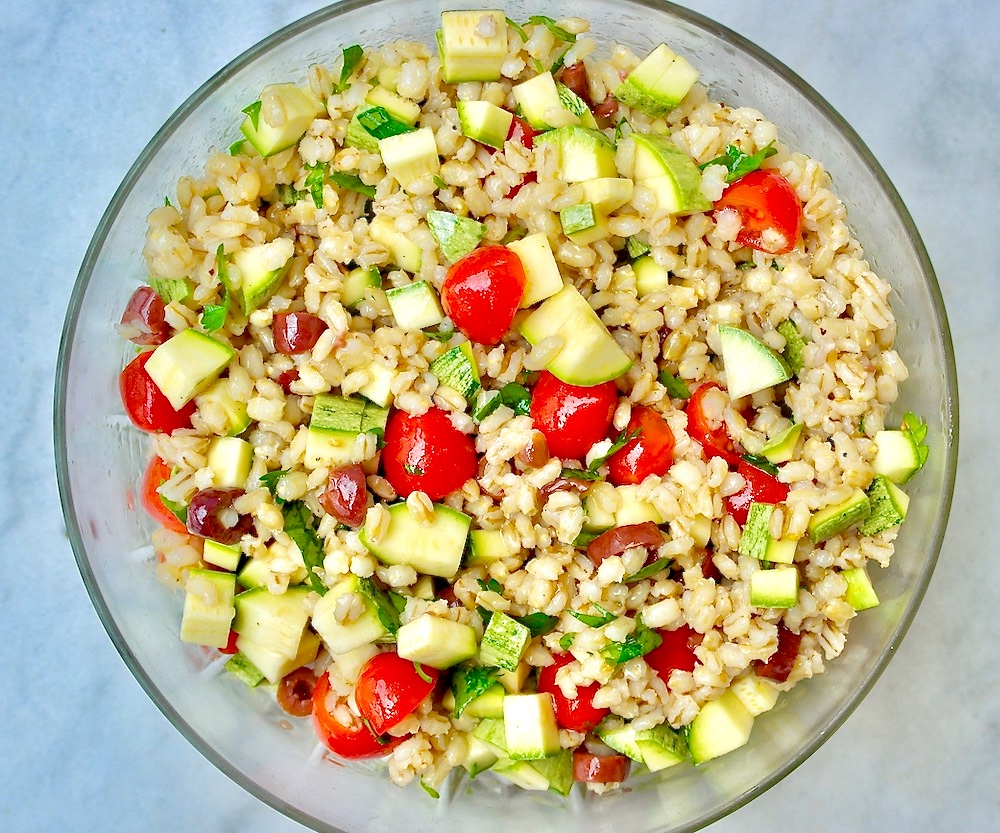
Long before the advent of modern commercial milling, whole grains served as an indispensable pillar of Mediterranean agriculture and cuisine. Depending on the specific geographical microclimate—whether the rocky terrain of the Greek islands, the rolling plains of southern Italy, or the sun-drenched coasts of the Levant—traditional tables featured staples such as barley, bulgur, farro, and whole-grain breads.
Unlike highly processed refined grains, which are stripped of their nutrient-rich outer layers during manufacturing, whole grains retain all three original parts of the seed: the bran, the germ, and the endosperm. This preservation ensures a robust supply of dietary fiber, B-vitamins, iron, magnesium, and antioxidants. From a physiological perspective, the high fiber content slows the digestion and absorption of carbohydrates, preventing rapid glycemic spikes and promoting prolonged postprandial satiety.
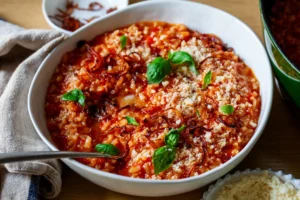
Nutritional science heavily supports the inclusion of unrefined grains in daily dietary patterns. Extensive epidemiological studies have linked regular consumption of whole grains to a reduced risk of type 2 diabetes, colorectal cancer, and ischemic stroke. In traditional Mediterranean kitchens, these grains rarely appear in isolation; instead, they are combined with seasonal vegetables, legumes, fresh herbs, and extra virgin olive oil, creating dishes that are both deeply satisfying and nutritionally complete.
Oregano: More Than a Culinary Herb
While culinary discussions surrounding the Mediterranean diet frequently center on macronutrients and major food groups, aromatic herbs play a critical role in both flavor enhancement and biochemical health. Among these, Greek oregano (Origanum vulgare hirtum) occupies a position of unique prominence.
Far from functioning as a mere decorative garnish, dried Greek oregano is utilized generously across a vast array of Mediterranean dishes, effortlessly transforming simple components such as tomatoes, root vegetables, legumes, and fish. Botanically distinct and exceptionally aromatic, dried oregano develops a robust concentration of essential oils during the intense Mediterranean summer, a process driven by prolonged sun exposure and arid soil conditions.
From an analytical standpoint, oregano is a potent source of bioactive compounds, most notably carvacrol and thymol. Laboratory and clinical investigations indicate that these phenolic compounds exhibit significant antimicrobial, anti-inflammatory, and free-radical-scavenging properties. Furthermore, the strategic deployment of flavorful herbs allows home cooks to prepare palatable meals without relying on excessive amounts of sodium, heavy cream, or complicated, high-calorie sauces. This culinary mechanism bridges the gap between health compliance and gastronomic pleasure, ensuring that nutrient-dense whole foods remain enjoyable over a lifetime.
Greek Yogurt: Tradition Meets Protein and Probiotics
Fermented dairy products have anchored Mediterranean nutrition for millennia, with regional iterations varying from sharp sheep’s milk cheeses to thick, cultured yogurts. In Greece and neighboring regions, traditional strained yogurt has long functioned as an everyday dietary staple rather than a specialized fitness commodity.
Produced by removing the liquid whey from fermented milk, traditional Greek yogurt yields a dense, velvety texture naturally richer in protein than conventional unstrained yogurts. Beyond its macronutrient profile, authentic Greek yogurt serves as a significant dietary source of bioavailable calcium, phosphorus, and vitamin B12. Furthermore, varieties containing live and active bacterial cultures introduce beneficial microorganisms—such as Lactobacillus bulgaricus and Streptococcus thermophilus—to the gastrointestinal tract, supporting a diverse and resilient gut microbiome.
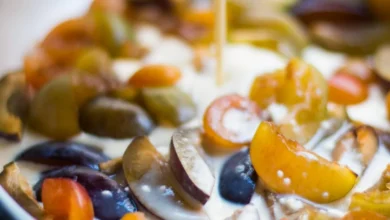
Public health research increasingly underscores the importance of the gut microbiome in modulating systemic inflammation, metabolic function, and immune defense. Regular consumption of fermented dairy products has been inversely associated with weight gain over time and a lower risk of metabolic syndrome. Traditionally enjoyed on its own, sweetened lightly with local honey, or incorporated into savory applications like tzatziki garlic dip, Greek yogurt exemplifies the Mediterranean principle of maximizing nutritional density through simple, minimally processed foods.
Extra Virgin Olive Oil: The Cornerstone of Lipid Health
It is impossible to discuss the Mediterranean dietary pattern without addressing its foundational lipid source: extra virgin olive oil (EVOO). In nations like Greece, which consistently rank among the highest per capita consumers of olive oil globally, this golden-green liquid is woven into every culinary facet, utilized for cooking, dressing raw salads, enriching artisanal breads, and even incorporated into traditional baked goods.
Nutritionally, EVOO is distinguished by its high concentration of monounsaturated fatty acids—predominantly oleic acid—which have been clinically shown to support healthy lipid profiles by maintaining high-density lipoprotein (HDL) cholesterol while helping to reduce low-density lipoprotein (LDL) oxidation. However, the true distinction of extra virgin olive oil lies in its minor components: a complex array of phenolic compounds, including oleocanthal, oleuropein, and hydroxytyrosol. These powerful antioxidants exhibit pronounced anti-inflammatory effects, with some pharmacological studies comparing the action of oleocanthal to non-steroidal anti-inflammatory drugs like ibuprofen.
Public health organizations and landmark clinical trials, such as the PREDIMED (PREvención con DIeta MEDiterránea) study, have provided robust empirical evidence regarding olive oil’s cardiovascular protective effects. The PREDIMED trial demonstrated that a Mediterranean diet supplemented with extra virgin olive oil significantly reduced the incidence of major cardiovascular events, including stroke and myocardial infarction, compared to a control diet advised to lower total fat. Crucially, the culinary science of EVOO extends beyond biochemistry; its rich, herbaceous profile enhances the palatability of nutrient-dense vegetables that might otherwise be unappealing to consumers, thereby driving long-term dietary adherence.
Vegetables: Seasonal Abundance and Phytochemical Diversity
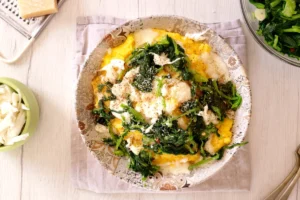
No overview of the Mediterranean lifestyle is complete without acknowledging the central role of vegetables. A walk through any traditional Mediterranean market reveals an abundance of seasonal produce: ripe tomatoes, tender zucchini, glossy eggplants, bell peppers, dark leafy greens, bulb onions, and cruciferous vegetables like cauliflower and broccoli.
Rather than subjecting these ingredients to complex culinary transformations, traditional Mediterranean cooking often employs straightforward preparation methods—roasting them slowly with olive oil and oregano, simmering them in aromatic tomato-based stews (known in Greece as ladera), or stuffing them with rice, herbs, and legumes. This minimalist approach preserves the structural integrity of the produce while maximizing bioavailability.
Vegetables deliver an expansive spectrum of essential nutrients, including dietary fiber, vitamins A, C, and K, potassium, and an array of phytochemicals such as carotenoids, flavonoids, and glucosinolates. Epidemiological data consistently correlate high vegetable intake with lower rates of chronic morbidity, improved endothelial function, and enhanced longevity. By combining these plant foods with healthy fats like extra virgin olive oil—which enhances the intestinal absorption of fat-soluble vitamins such as beta-carotene and lycopene—traditional cuisine optimizes nutrient utilization at every meal.
Broader Impact and Public Health Implications
The enduring relevance of the Mediterranean diet in the modern era extends far beyond individual meal planning; it offers a vital blueprint for global public health initiatives addressing the rising tide of diet-related chronic conditions. As healthcare systems grapple with the economic and human tolls of obesity, diabetes, and cardiovascular disease, public health agencies increasingly advocate for dietary shifts away from ultra-processed convenience foods and toward whole-food patterns.
The framework championed by nutrition experts like Elena Paravantes highlights a critical lesson for contemporary consumers: sustainable health outcomes are achieved through cultural engagement and culinary joy rather than medicalized restriction. By anchoring daily nutrition in whole grains, antioxidant-rich herbs, fermented dairy, premium olive oil, and seasonal vegetables, individuals can adopt a dietary model that is both scientifically validated and deeply gratifying. Ultimately, the Mediterranean diet reminds society that true wellness is not merely a temporary medical prescription, but an enduring lifestyle rooted in simplicity, seasonality, and shared human connection.