The Rise of Plant-Based Baking: How Alejandra Graf’s Vegan Apple Cinnamon Donuts Are Reshaping Home Confectionery Trends

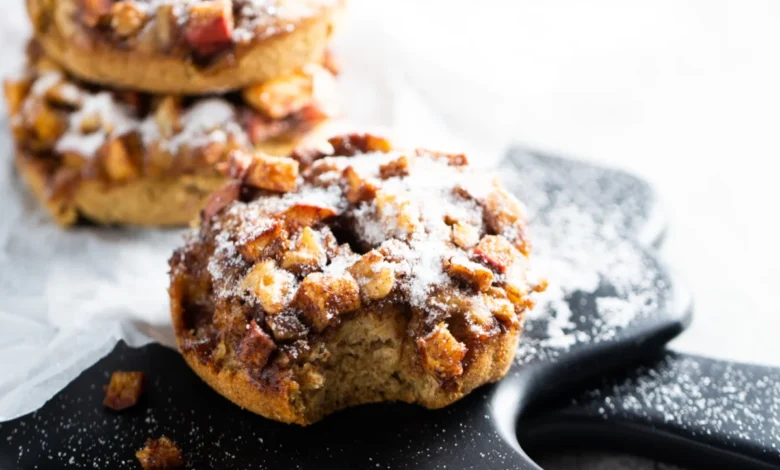
The modern culinary landscape has witnessed a profound paradigm shift over the past decade, driven largely by consumer demand for healthier, plant-based alternatives to traditional comfort foods. Among the notable figures at the forefront of this movement is culinary writer and recipe developer Alejandra Graf, whose recent viral recipe for baked vegan apple cinnamon donuts highlights a broader evolution in home baking. As dietary preferences increasingly lean toward cruelty-free, dairy-free, and egg-free ingredients, home cooks are actively seeking recipes that do not sacrifice flavor or texture for the sake of health. Graf’s creation, which eliminates the traditional deep-frying process in favor of baking, serves as a case study in how comfort food classics can be successfully adapted to meet contemporary nutritional and lifestyle standards.
Background Context of the Plant-Based Baking Movement

The commercial and domestic pivot toward plant-based baking is not a fleeting social media phenomenon, but rather the cumulative result of decades of nutritional research, environmental awareness, and a rising prevalence of food intolerances. Historically, baking relied heavily on animal-derived products—such as eggs for structure, butter for moisture and richness, and milk for hydration—to achieve desirable sensory characteristics. However, advancements in food science and a greater accessibility to alternative ingredients have redefined the possibilities of vegan gastronomy.
Apples and apple-derived products have long held a foundational role in vegetarian and vegan culinary traditions. Due to their high pectin content and natural moisture, pureed apples frequently serve as an effective binding and moisturizing agent, replacing fats and eggs without altering the structural integrity of baked goods. Graf’s integration of applesauce within the batter, paired with a spiced apple and walnut crunch topping, utilizes these traditional ingredients within a modern, health-conscious framework. This technique reflects a broader industry trend toward clean-label cooking, where consumers prioritize transparency, knowing precisely what ingredients go into their food, a priority explicitly emphasized by home cooks and culinary educators alike.
Chronology of the Recipe’s Development and Popularity
The trajectory of Alejandra Graf’s apple cinnamon donut recipe mirrors the digital evolution of culinary content over the last ten years. Originally conceptualized and published on her platform, the recipe was designed to address a common domestic dilemma: the desire for indulgent, bakery-quality treats achievable within a constrained timeframe, free of the mess and heavy trans fats associated with deep-frying.
Over the subsequent years, the recipe underwent subtle iterations to accommodate shifts in home kitchen availability, most notably the inclusion of alternative baking vessels such as standard muffin tins for households lacking specialized donut pans. By the mid-2020s, the recipe gained renewed traction across search engine discovery platforms and social media channels. This resurgence coincided with broader demographic shifts showing an increased percentage of families incorporating plant-based meals into their weekly routines. The timeline of the recipe’s dissemination underscores the enduring appeal of nostalgic autumn flavors—namely cinnamon, nutmeg, and apple—transcending seasonal limitations to become year-round staples of home baking culture.
Nutritional Data and Culinary Mechanics

Analyzing the nutritional composition of these baked vegan donuts provides insight into how traditional comfort foods can be modified for improved dietary profiles. Standard fried cake donuts often exceed 400 to 500 calories per serving, accompanied by high levels of saturated fats from immersion frying in industrial oils. In contrast, Graf’s baked iteration yields approximately 287 kilocalories per standard serving, constructed across a balanced macronutrient profile.
Each portion contains roughly 47 grams of carbohydrates, primarily sourced from unrefined elements and natural fruit sugars, alongside 5 grams of protein and 9 grams of total fat. Notably, the saturated fat content is restricted to just 1 gram per donut, a significant reduction compared to conventional commercial alternatives. Furthermore, the inclusion of whole-food components such as diced walnuts and fresh apples contributes dietary fiber and essential micronutrients, including iron, calcium, and potassium.
From a culinary perspective, the preparation timeline is engineered for efficiency, requiring approximately 15 minutes of active preparation followed by a 20-minute baking cycle, totaling a 35-minute turnaround. The science behind the bake relies on the interaction between chemical leavening agents and the natural acidity of the applesauce, which activates the rise without the need for whipped egg whites or commercial emulsifiers.

Statements and Industry Reactions
While independent food bloggers and recipe developers rarely issue formal corporate statements, the broader culinary community has responded enthusiastically to the democratization of plant-based pastry arts. Nutritional experts and holistic health advocates have frequently cited recipes of this nature as effective bridges for families transitioning away from highly processed, shelf-stable snacks.
Culinary analysts note that the popularity of simplified vegan baking reflects a shift away from overly complex ingredient lists that previously required specialized health-food store purchases. By utilizing accessible pantry staples—such as flour, plant-based milk, cinnamon, and fresh apples—developers like Graf have normalized plant-based eating, framing it not as a restrictive dietary protocol, but as an accessible, flavorful expansion of everyday cooking.

Broader Economic and Cultural Implications
The sustained interest in homemade, plant-based treats carries notable economic and cultural implications. Within the broader food and beverage sector, the demand for at-home baking supplies—including alternative flours, plant-based milks, and natural sweeteners—has remained robust. Consumers are increasingly investing in kitchen hardware, such as silicone donut molds and high-performance ovens, to replicate commercial bakery experiences in residential settings.
Culturally, the practice of baking comfort foods from scratch serves a psychological function, offering a sense of control and sensory comfort amidst fast-paced modern lifestyles. The sensory engagement highlighted in contemporary food writing—such as the aromatic release of warming spices like cinnamon and cloves—plays a vital role in domestic well-being, fostering shared culinary experiences across generations. As consumer awareness regarding health, sustainability, and animal welfare continues to mature, recipes that successfully merge nostalgia with modern dietary values will undoubtedly remain central to the future of home gastronomy.