The Evolution of Digital Meal Planning
The transition from traditional recipe blogging to structured meal planning represents a broader trend within the food media industry. With rising costs in the grocery sector and a heightened public interest in home-prepared meals, digital platforms are increasingly moving beyond static recipe repositories to provide actionable, long-term organizational tools. By curating a six-day dinner schedule—spanning Monday through Saturday—My Colombian Recipes aims to reduce the "decision fatigue" often associated with meal preparation.
Market research indicates that household meal planning is a primary strategy for both financial budgeting and nutritional management. Data from the Bureau of Labor Statistics and various culinary analytics firms suggest that families who engage in consistent weekly meal planning reduce their food waste by approximately 20 to 30 percent. By providing a structured framework, Erica Dinho, the founder of the platform, is tapping into a market segment that prioritizes cultural authenticity alongside domestic utility.
Chronology of the Initiative
The implementation of the weekly meal plan began in November 2026, marking a significant pivot in the platform’s content strategy. The initiative is structured to maintain a continuous, rolling schedule of culinary offerings.
- Phase 1 (Week 1): The initial launch served as a proof-of-concept, establishing the format of providing main dishes paired with appropriate side accompaniments.
- Phase 2 (Week 2): The current release builds upon the preliminary feedback from the inaugural week, refining the selection process to ensure that recipes remain accessible for both novices and experienced home cooks.
- Future Trajectory: The platform has committed to a recurring cycle of updates, with plans to integrate seasonal ingredients into future iterations as the calendar progresses.
The Methodology of Menu Curation
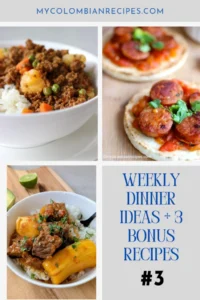
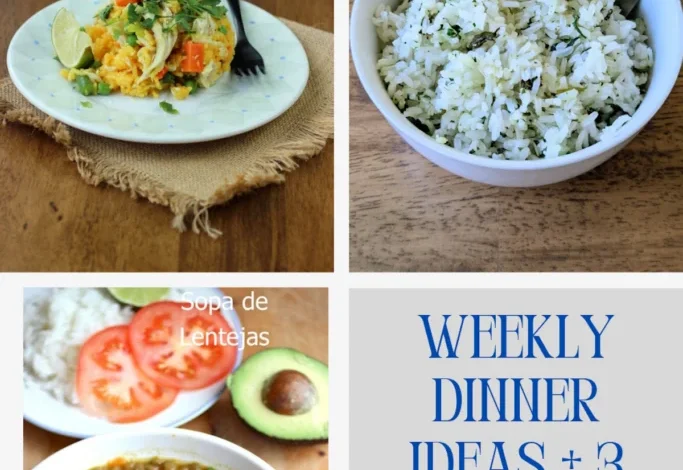
The curation process for these meal plans involves a systematic evaluation of Colombian staples, such as arepas, empanadas, sancocho, and various protein preparations. Each menu is designed to balance preparation time with nutritional variety. The inclusion of three "bonus" recipes—covering breakfast, appetizers, desserts, or snacks—adds an additional layer of value, encouraging subscribers to explore the breadth of the Colombian culinary canon beyond the primary dinner courses.
The strategy relies on a foundational knowledge of traditional techniques, largely inspired by the culinary heritage of the founder’s grandmother, known as "Mamita." This focus on heritage recipes provides a distinct market advantage in an industry often dominated by standardized, globalized quick-meal content.
Supporting Data and Consumer Trends
Consumer behavior studies in the post-pandemic era highlight that digital engagement with cooking content has shifted toward "solutions-based" media. Readers are no longer merely looking for individual recipes; they are searching for comprehensive systems that integrate seamlessly into their busy schedules.
- Engagement Metrics: Preliminary data from the launch week indicate a high click-through rate on curated links, suggesting that subscribers are utilizing the provided lists as a shopping guide rather than just for inspiration.
- Demographic Alignment: The demographic profile of the platform’s readership largely includes families and working professionals who seek to retain cultural connections through food but operate within the constraints of modern working hours.
- Sustainability Factors: By providing a structured plan, the platform encourages bulk ingredient purchasing, which correlates with reduced packaging waste and more efficient pantry management.
Official Perspective on Culinary Integration
Erica Dinho, the architect of this initiative, emphasizes that the goal is to demystify traditional Colombian cooking. By translating complex, multi-generational recipes into a standard weekly format, the platform aims to bridge the gap between traditional technique and modern convenience.
"The objective is to provide a roadmap for the week that honors the complexity of our culture while respecting the time constraints of the modern household," a spokesperson for the platform noted. This perspective aligns with a broader industry shift where cultural preservation is viewed through the lens of accessibility. The platform’s commitment to email-based distribution ensures that subscribers receive a consistent, uninterrupted stream of content, further reinforcing user retention and community building.
Broader Implications for the Food Media Sector
The move toward subscription-based meal planning has significant implications for food bloggers and culinary entrepreneurs. It indicates a departure from the "recipe-on-demand" model toward a "lifestyle management" model.
- Revenue Stability: By cultivating an email subscriber base, creators can foster a direct relationship with their audience, mitigating the volatility often associated with social media algorithms.
- Brand Loyalty: Consistent, high-value content creates a cycle of dependency where the reader views the platform as an essential utility in their weekly planning process.
- Community Development: The "Reader Interactions" section of the platform serves as a feedback loop, allowing the creator to adjust future meal plans based on the specific needs, dietary restrictions, or ingredient availability reported by the audience.
The Role of Technology in Culinary Preservation
The use of digital platforms to disseminate cultural recipes serves as a form of "digital archiving." By documenting these meals in a systematic, weekly format, the platform ensures that traditional dishes—which might otherwise be lost to the rapid pace of modern, convenience-based dining—remain part of the regular household repertoire.
The technical infrastructure, including optimized image delivery (as seen in the high-priority loading of current meal plan graphics) and clear, navigable categorization, ensures that these traditional recipes are easily discoverable. As the series continues into its third and fourth weeks, the platform is expected to further refine its delivery mechanism, potentially incorporating interactive shopping lists or nutritional data to enhance the user experience.
Conclusion and Future Outlook
As the Weekly Dinner Ideas series progresses, it stands as a case study in how specialized content providers are evolving to meet the complex needs of modern consumers. By combining the emotional resonance of family heritage with the functional requirement of efficient meal planning, My Colombian Recipes is effectively positioning itself as a leader in the niche of home-prepared, culturally-focused cooking.
For the reader, the value proposition is clear: the mitigation of daily culinary stress, the preservation of cultural heritage, and the acquisition of new skills through the consistent practice of planned cooking. As the project matures, it will likely provide further evidence that the most successful digital culinary platforms are those that provide not just the "how" of cooking, but the "when" and "why," framing the dinner table as a manageable, intentional, and deeply rewarding space.
The commitment to providing a weekly schedule—supported by bonus content and a consistent communication channel—serves as a template for other creators within the culinary space. Whether through the introduction of regional variations, ingredient-focused weeks, or thematic menu designs, the initiative is poised for expansion. The continued success of these weekly meal plans will ultimately depend on the balance between innovation and the core identity of the platform, ensuring that even as the service grows, the focus remains on the authentic flavors and techniques that define Colombian cuisine.