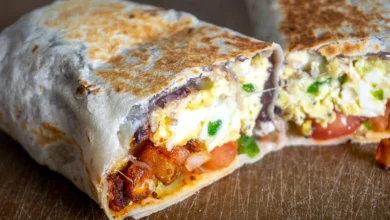
Weekly Dinner Ideas 3 is here, and if you are tired of figuring out dinner, you are not alone.


The perpetual challenge of meal planning remains a significant source of stress for households across the United States. According to recent consumer behavior studies conducted by the Food Marketing Institute (FMI), approximately 60% of primary household grocery shoppers cite "deciding what to make for dinner" as their most significant daily nutritional hurdle. As food costs fluctuate and time constraints become increasingly prevalent in the modern workforce, the demand for structured, accessible, and nutritionally balanced meal planning resources has reached an all-time high.
This week’s installment of the recurring series, Weekly Dinner Ideas 3, addresses these logistical concerns by providing a curated framework for home cooking. The initiative, spearheaded by food blogger Erica Dinho of My Colombian Recipes, represents a broader trend in digital culinary media: the transition from static, single-recipe databases toward comprehensive, actionable logistical tools for home kitchens.
The Evolution of Meal Planning in the Digital Age
The shift toward organized weekly meal planning is not merely a convenience preference but a reaction to shifting economic and environmental factors. Data from the Bureau of Labor Statistics indicates that expenditures on food away from home have seen significant volatility in recent years, prompting consumers to seek more efficient ways to manage home-prepared meals. By transitioning from impulsive shopping to structured weekly planning, households can reduce food waste—a global issue currently responsible for approximately 8% of total greenhouse gas emissions—and stabilize their monthly grocery budgets.
The methodology utilized in the current series focuses on "comfort-based, accessible cooking." By providing a rotating schedule from Monday through Saturday, the program aims to mitigate "decision fatigue," a psychological phenomenon wherein the quality of human decision-making declines following a long session of decision-making. In the context of the domestic kitchen, this often leads to the reliance on processed convenience foods or frequent, costly restaurant deliveries.
Chronology of the Weekly Meal Planning Initiative
The Weekly Dinner Ideas series was established by Erica Dinho to leverage her background in traditional Colombian culinary arts while adapting them to the realities of a modern, fast-paced lifestyle in the northeastern United States. The program’s development can be categorized into three distinct phases:
- Conceptualization (Q3 2026): Identifying the intersection between traditional, heritage-based recipes and the need for time-efficient, repeatable meal structures.
- Implementation (Q4 2026): Launching the first installment of the series to provide readers with a standardized, six-day template that includes primary courses and complementary side dishes.
- Expansion (Ongoing): The integration of "bonus recipes," which include snacks, appetizers, and beverages, designed to provide a holistic culinary experience rather than just a nightly dinner solution.
Data-Driven Benefits of Structured Cooking
The efficacy of the Weekly Dinner Ideas 3 approach is supported by nutritional and financial data. Clinical nutritionists often point to meal planning as the primary indicator for dietary adherence. Research published in the Journal of Nutrition Education and Behavior found that individuals who engage in frequent meal planning are significantly more likely to consume fruits and vegetables and are less likely to be classified as obese compared to those who do not plan their meals.
Financially, the "cook-at-home" model promoted by this series aligns with industry benchmarks for cost-savings. A typical family of four can reduce their monthly food expenditure by an estimated 30% to 40% when switching from takeout-heavy habits to a planned, ingredient-focused home cooking routine. Furthermore, the inclusion of side dishes and varied bonus recipes assists in balancing macronutrient intake, ensuring that the household diet remains diverse throughout the week.
Perspectives on Home-Centered Culinary Solutions
Industry experts observe that the rise of personalized, newsletter-delivered meal plans signifies a shift in how audiences interact with food content. Rather than searching for isolated recipes, users are seeking curated guidance that considers the entire week’s workload.
"The goal of these initiatives is to remove the cognitive load of cooking," says a digital content strategist specializing in food media. "When a reader knows that their Monday through Saturday is already mapped out, they are far more likely to engage with the actual cooking process rather than defaulting to outside options."
Erica Dinho’s personal background, influenced by her grandmother’s traditional techniques, serves as a pillar for the series. By blending heritage-rich ingredients with the logistical realities of contemporary life, the project functions as a bridge between cultural preservation and modern efficiency. The reliance on recurring, predictable schedules (Monday through Saturday) provides a sense of routine that is often lacking in the modern home environment.
Implications for Future Food Consumption
The broader impact of providing structured dinner ideas extends beyond the individual kitchen. As more households adopt planned eating habits, the aggregate effect on supply chain demand, local grocery shopping patterns, and food waste reduction becomes measurable. Retailers are increasingly taking note of this shift, with many grocery chains now offering "meal kit" style displays that mimic the structure of these digital planning services.
For the readers of the Weekly Dinner Ideas series, the value proposition remains consistent: the reduction of stress and the promotion of a healthier, more consistent diet. As the series moves into its fourth week and beyond, the focus will likely remain on scalability—ensuring that the recipes are adaptable for single diners, couples, and large families alike.
Summary of Strategic Advantages
The integration of these dinner ideas into a weekly routine offers several quantifiable advantages:
- Time Management: Reduction of daily time spent contemplating meal options, facilitating a more streamlined evening schedule.
- Economic Stability: By adhering to a pre-planned menu, consumers can shop more effectively, reducing the number of unnecessary items purchased during grocery runs.
- Nutritional Quality: Structured planning allows for better control over ingredients, salt levels, and portion sizes compared to commercial food preparation.
- Cultural Preservation: Through the inclusion of traditional techniques, the series ensures that heritage cooking methods remain relevant in a modern, convenience-driven market.
As the series continues, the primary challenge for organizers will be maintaining a balance between variety and simplicity. Ensuring that the ingredients remain accessible in most standard supermarkets is a critical factor in the success of the program. With the inclusion of bonus recipes for snacks and desserts, the project continues to evolve, providing a comprehensive solution to the common question: "What is for dinner?"
Ultimately, the Weekly Dinner Ideas project serves as a reminder that the kitchen remains the heart of the home. In an era dominated by digital distractions and the rapid pace of global commerce, the simple act of preparing a meal—guided by a clear, manageable plan—retains its status as a vital component of household well-being. The continued expansion of this series reflects a growing public interest in reclaiming the kitchen as a space of both comfort and efficiency.