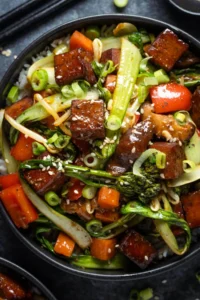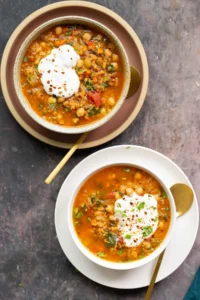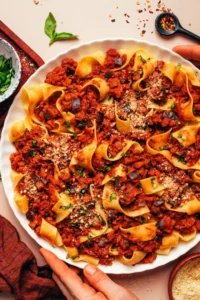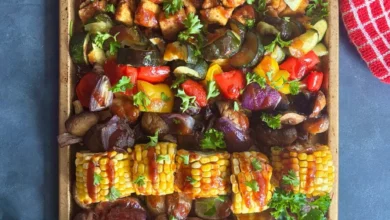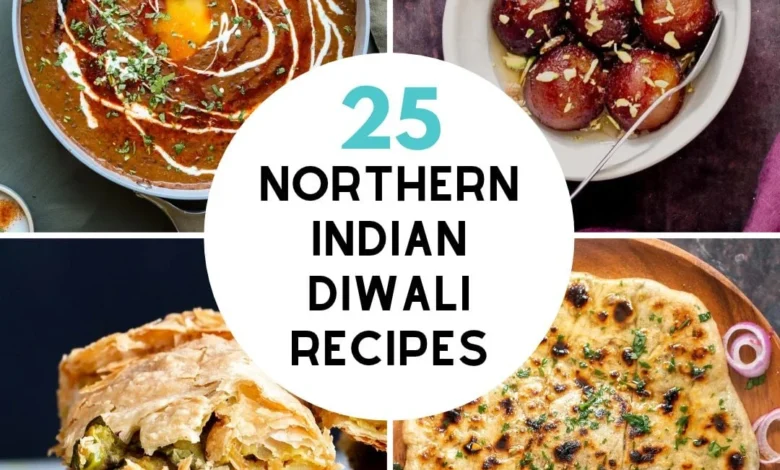
Diwali, the ancient Hindu festival of lights, represents the triumph of light over darkness, knowledge over ignorance, and good over evil. Celebrated annually by millions across the globe, the festival is deeply rooted in culinary traditions that vary significantly by region. In Northern India, the celebration is characterized by elaborate, multi-course feasts that emphasize rich, aromatic, and deeply comforting flavors. As modern dietary patterns evolve, there is an increasing shift toward plant-based adaptations of these traditional North Indian recipes, ensuring that the heritage of the festival remains accessible to a wider demographic without compromising on cultural authenticity.

The Historical and Cultural Significance of Diwali Cuisine
The culinary landscape of North India during Diwali is defined by its use of warming spices, legumes, and traditional sweets. Historically, these dishes served as a communal centerpiece, drawing families together to share in the harvest season and the spirit of renewal. The preparation of these meals is a labor-intensive process, often involving days of planning.
In recent years, the intersection of traditional Indian cuisine and the global plant-based movement has led to a significant shift in home-cooking trends. Traditional recipes that once relied heavily on dairy—such as paneer (Indian cottage cheese) or ghee (clarified butter)—are being reimagined through the use of tofu, cashew creams, and high-protein plant substitutes. This transition is not merely a modern convenience but a strategic move toward sustainability and dietary inclusivity.

A Chronological Guide to the Festive Spread
A typical North Indian Diwali feast follows a structured progression, starting with appetizers that whet the appetite, moving to complex, slow-cooked curries, and culminating in intricate desserts.

Appetizers: The Art of the Savory Starter
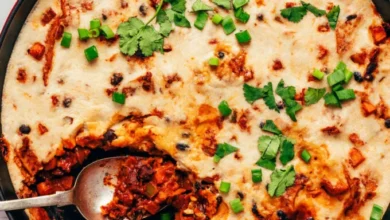
The commencement of any Diwali gathering often features dishes that provide a balance of textures—crispy, soft, and spicy. Notable adaptations include the Vegan Samosa Pie, which deconstructs the traditional handheld pastry into a communal, shareable format. By utilizing vegetable-heavy fillings and traditional spices like cumin, coriander, and garam masala, these dishes retain the familiar profile of the original street food while accommodating modern dietary requirements.

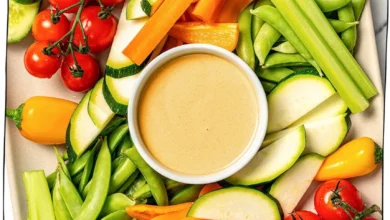
Similarly, the emergence of the Samosa Chaat Platter illustrates a shift toward interactive, "buffet-style" dining. By providing the essential elements—crispy chickpeas, tangy chutneys, and spiced potatoes—in a deconstructed format, hosts can serve larger groups efficiently. This trend toward "fusion-comfort" food, such as Chilli Garlic Tofu Puff Pastry, indicates a broader desire to blend traditional Indian flavor profiles with global culinary techniques.

The Main Course: Curries and Hearty Accompaniments
The core of the North Indian feast is undeniably the curry. The most iconic of these is Dal Makhani. Traditionally a slow-cooked, buttery black gram dish, modern plant-based iterations achieve the same velvety consistency through the use of coconut milk or cashew-based emulsions. Nutritional data suggests that substituting traditional dairy with legumes or plant-based proteins can significantly alter the macronutrient profile, often increasing fiber content and reducing saturated fats, which is a major factor for health-conscious consumers participating in the festivities.

Punjabi Chole, or spiced chickpea curry, remains a staple. The dish relies on the long-term simmering of chickpeas in a robust tomato and onion base. Research into the culinary heritage of the Punjab region indicates that the complexity of these curries is derived from the "tadka" or tempering process—the technique of heating spices in oil to release their essential oils. Maintaining this technique in vegan cooking is essential to ensuring the dish meets the expectations of traditional palates.

Bread and Rice: The Essential Foundations
No North Indian meal is considered complete without a starch component. Stuffed naans, such as the Spinach and Potato Naan, have become increasingly popular. The transition to yeast-free, baking-powder-based doughs has simplified the process for home cooks. Furthermore, for those requiring gluten-free options, almond flour-based flatbreads are now filling a significant market gap. These innovations highlight the industry’s response to the rising demand for gluten-free and grain-free alternatives in the health-food sector.

Economic and Social Implications of Modern Diwali Cooking
The shift toward plant-based Diwali recipes has wider implications for the food industry. According to industry analysis, the market for vegan-friendly traditional Indian ingredients has seen a steady uptick in the fourth quarter, coinciding with the Diwali season. This suggests that the "festive economy" is diversifying, with traditional retailers and modern health-food stores stocking more tofu, plant-based yogurt, and nut-based creams than in previous decades.

From a social perspective, the accessibility of these recipes allows for more inclusive gatherings. By standardizing recipes that are free from common allergens like dairy or soy, families can host multi-generational dinners that accommodate various health needs without requiring separate meals. This democratization of the kitchen is a significant departure from the rigid traditional structures of the past.

Sweets and Desserts: The Final Note
Sweets, or "mithai," are perhaps the most vital component of the Diwali experience. The transition of recipes like Gulab Jamun—traditionally made with khoya (reduced milk solids)—into vegan versions using dry mixes or plant-based alternatives is a testament to culinary ingenuity. The use of rose water, cardamom, and saffron continues to be the hallmark of these desserts.

The Kulfi Tiramisu fusion is an example of how the younger generation is bridging the gap between traditional Indian flavors and international favorites. By pairing cardamom-scented kulfi with coffee-infused cake, these desserts offer a nostalgic yet modern experience. This innovation ensures that the tradition of "mithai" remains relevant to a generation that is increasingly exposed to global culinary trends.

Analysis of Current Trends
A fact-based analysis of the current trend in Diwali cooking reveals a clear trajectory: convenience, health, and inclusivity are the primary drivers. The move toward using the Instant Pot for dishes that once required hours of manual stirring (like Gajar Halwa) suggests that even in traditionalist households, time-saving technology is being embraced.

Furthermore, the rise of "Rice Pudding Truffles" (Kheer Ladoo) demonstrates an interest in portion-controlled, aesthetically pleasing desserts that are easy to store and distribute—an important factor for those who participate in the tradition of exchanging sweets with friends and neighbors.

Official and Community Responses
While some culinary purists argue that the exclusion of dairy impacts the authenticity of dishes like Dal Makhani or Rasmalai, the overwhelming response from community leaders and food historians has been one of adaptation. Many point out that the core of Diwali is the spirit of the feast—the act of sharing—rather than the specific ingredients. Consequently, the adoption of plant-based recipes is being framed as an evolution of the tradition, rather than a departure from it.

Conclusion
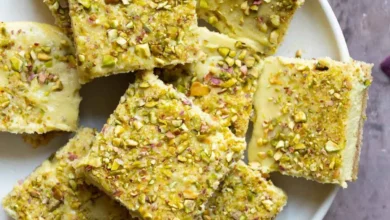
The evolution of North Indian Diwali recipes is a reflection of the broader changes occurring within the Indian diaspora and the global culinary community. As we look at the 25 recipes that define the modern, plant-based festive spread—from the savory complexity of a Tikki Chole to the delicate sweetness of a vegan Malai Burfi—it is clear that the essence of the festival remains intact. By blending heritage with innovation, these recipes ensure that the "Festival of Lights" continues to be a vibrant, inclusive, and delicious celebration for everyone, regardless of their dietary choices. The ability to adapt while honoring the fundamental spirit of the season remains the most enduring success of the modern Diwali kitchen.