Managing Weight Loss for Cardiac Patients: Navigating the Complex Intersection of Obesity and Heart Health

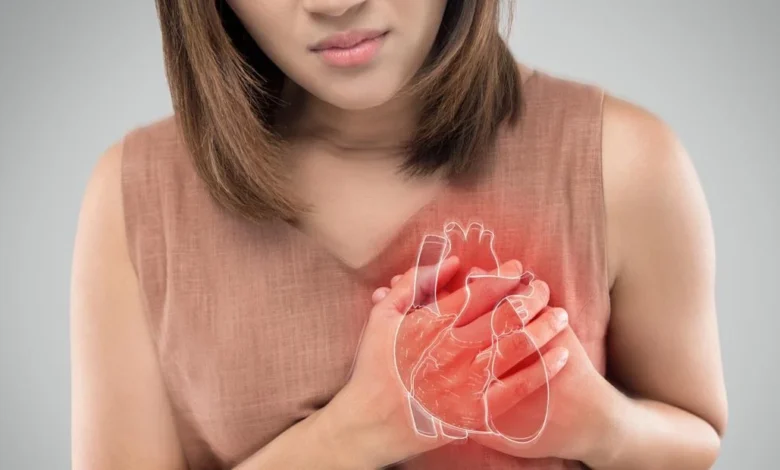
The pursuit of weight loss for individuals living with pre-existing cardiovascular conditions has long been a subject of medical debate, often characterized by patient apprehension regarding the potential interference between dietary interventions and daily cardioprotective medication. Recent medical discourse, led by clinical nutrition experts, has underscored that for patients suffering from both heart disease and obesity, treating these conditions in isolation is no longer a viable clinical strategy. Instead, a dual-focused approach is essential to mitigate the compounding risks of visceral fat on cardiac output.
During a recent health consultation broadcast on November 5, 2026, Dr. Igus Ulfa Yaze, SpGK, a specialist in clinical nutrition, emphasized that the presence of visceral fat—the deep-seated adipose tissue surrounding internal organs—serves as a primary driver of cardiac strain. This accumulation of fat, particularly in the vicinity of the heart, forces the organ to work significantly harder, thereby exacerbating the severity of pre-existing heart disease. Consequently, the medical consensus has shifted toward a mandate: weight reduction is not merely an aesthetic or general health goal for cardiac patients, but a vital therapeutic necessity to reduce the mechanical and metabolic load on the heart.
The Physiological Link Between Visceral Fat and Cardiac Stress
The human heart operates as a dynamic pump, and its efficiency is inextricably linked to the surrounding anatomical environment. When a patient is obese, the accumulation of visceral fat produces pro-inflammatory cytokines, which contribute to systemic inflammation and endothelial dysfunction. These processes accelerate atherosclerosis—the hardening of the arteries—which is the cornerstone of many cardiac conditions.
Data from global health organizations, including the World Health Organization (WHO) and the American Heart Association (AHA), consistently indicate that obesity is an independent risk factor for cardiovascular disease. The interaction is twofold: obesity induces structural changes in the heart, such as left ventricular hypertrophy, and it exacerbates metabolic risk factors such as hypertension, dyslipidemia, and insulin resistance.
Dr. Yaze’s clinical observations align with this global data. By prioritizing the reduction of visceral fat, patients can alleviate the pressure placed on the cardiovascular system. However, the critical challenge lies in ensuring that weight loss protocols do not conflict with the pharmacological management of the heart. Many cardiac patients rely on beta-blockers, ACE inhibitors, or antiplatelet therapies. The fear that dietary supplements or weight-loss drugs might interact with these life-saving medications is a significant barrier to patient compliance.
Chronology of Medical Guidance for Cardiac Patients
For decades, the standard of care for cardiac patients was primarily focused on stabilization—managing blood pressure and cholesterol levels while encouraging moderate exercise. Weight loss was often treated as a secondary concern, with physicians wary of aggressive dietary changes that might trigger electrolyte imbalances or orthostatic hypotension in patients with compromised heart function.
In recent years, the emergence of newer pharmacological agents and more sophisticated nutritional science has allowed for a more proactive approach. The timeline of this medical evolution can be categorized into three distinct phases:
- The Passive Phase (Pre-2010s): Clinical focus was restricted to medication adherence. Diet was discussed in vague terms, with little integration between nutritionists and cardiologists.
- The Integrated Phase (2010–2020): The rise of multidisciplinary teams (MDTs) began to bridge the gap. Cardiologists started referring patients to clinical nutritionists, recognizing that obesity was the "engine" driving their patients’ heart disease.
- The Precision Phase (2020–Present): The current era, where specialized, patient-specific therapy—including monitored pharmacological support—has become the gold standard. This phase emphasizes that "one-size-fits-all" dieting is obsolete for patients with comorbidities.
The Necessity of Specialized Clinical Supervision
A primary concern addressed by Dr. Yaze is the misconception that cardiac patients can safely embark on popular, commercialized weight-loss programs without professional medical oversight. General weight-loss protocols, which may involve sudden caloric restriction or high-intensity exercise regimes, can be dangerous for patients whose heart function is already impaired.
"Patients with comorbidities, specifically those with heart disease, require a bespoke therapeutic framework," Dr. Yaze explained. "The objective is to modulate appetite and accelerate metabolic activity in a way that is chemically compatible with their cardiac medication. This cannot be achieved through generic dieting."
The role of a clinical nutritionist in this context involves three key responsibilities:
- Pharmacological Audit: Reviewing the patient’s existing heart medication to identify potential contraindications with weight-loss aids.
- Metabolic Monitoring: Ensuring that the rate of weight loss does not result in electrolyte imbalances (such as hypokalemia or hyponatremia), which can trigger cardiac arrhythmias.
- Customized Nutritional Intervention: Designing a diet that supports weight loss while providing the necessary nutrients to maintain heart muscle integrity.
Navigating Pharmacological Options: The Shift Toward Injectables
One of the most significant advancements in the treatment of obesity among cardiac patients is the shift in how medical professionals approach appetite suppression. Historically, many oral appetite suppressants were stimulants that posed an unacceptable risk of tachycardia or increased blood pressure—both of which are contraindicated for individuals with heart disease.
Dr. Yaze highlighted that the current clinical approach involves being highly selective regarding pharmacological aids. In many instances, oral medications that were previously used for weight loss have been deemed unsuitable for patients with cardiovascular issues due to their potential to interfere with heart performance.
Instead, the medical community has increasingly turned to injectable therapies. These agents, which often mimic gut hormones to regulate satiety and blood glucose, have demonstrated efficacy in promoting weight loss without the systemic cardiovascular risks associated with traditional stimulants. The decision to utilize such therapies is never taken lightly; it follows a rigorous risk-benefit assessment, ensuring that the cardiovascular patient is not exposed to unnecessary hemodynamic stress.
Implications for Public Health and Future Policy
The implications of these findings are profound for both the healthcare industry and public health policy. As obesity rates continue to climb globally, the number of patients living with the "double burden" of cardiac disease and obesity is rising.
Health systems must adapt by facilitating better communication between cardiologists and clinical nutritionists. If patients perceive that they must choose between managing their heart health or their weight, they may abandon both efforts. The news from the recent medical briefing confirms that the two are not mutually exclusive; they are, in fact, inextricably linked.
Furthermore, there is a clear call for increased education among the public. Many individuals with heart disease remain fearful of engaging in any form of weight loss due to outdated advice or misinformation. Healthcare providers must take a proactive role in educating patients that weight management, under the guidance of a specialist, is a proactive form of heart disease treatment.
Conclusion: The Path Forward
The path to recovery for the cardiac-obese patient is paved with intentional, medically supervised steps. As Dr. Yaze emphasized, the commitment to daily cardiac medication must remain absolute, while the simultaneous reduction of visceral fat provides the heart with the relief it needs to function more efficiently.
This dual-pronged strategy—pharmacological stability and metabolic optimization—represents the most effective pathway for improving longevity and quality of life for millions of patients. By removing the guesswork from weight loss and replacing it with specialized, evidence-based therapy, the medical community is setting a new standard for holistic cardiovascular care. The lesson is clear: for the heart to heal, the body must be supported, and for the body to be supported, the expertise of specialized clinicians is paramount. Moving forward, the integration of clinical nutrition into routine cardiology care will likely become the cornerstone of successful, long-term patient outcomes.