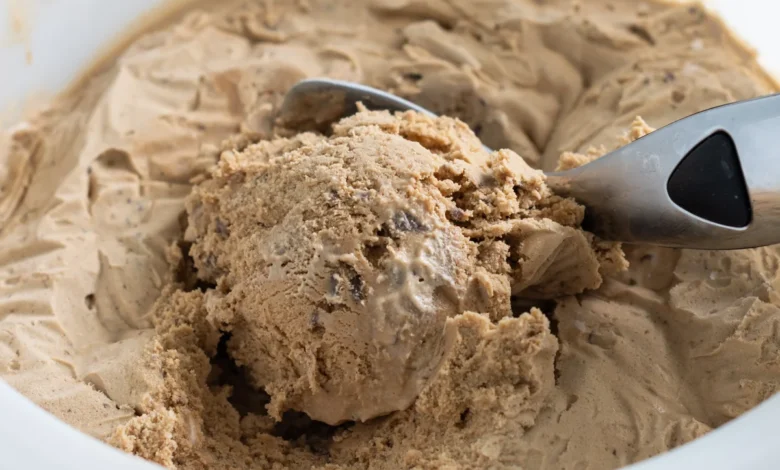
The pursuit of the perfect homemade coffee ice cream has long challenged culinary enthusiasts, balancing the delicate chemistry of dairy emulsions with the robust, volatile aromatics of roasted coffee. Recent developments in artisanal dessert preparation have highlighted a significant shift in methodology, favoring concentrated instant espresso powder over traditional brewing methods to achieve a superior flavor profile. This evolution in technique underscores a broader trend in home cooking: the strategic use of high-quality, shelf-stable ingredients to improve the texture and intensity of frozen confections.
The Evolution of Flavor Extraction Methods
For decades, the standard approach to coffee-flavored desserts involved steeping fresh coffee grounds directly into the dairy base. While theoretically sound, this method frequently results in a muted flavor profile. Culinary testing conducted by industry experts suggests that when fresh coffee grounds are introduced to hot milk and cream, the fats within the dairy bind to the coffee’s tannins and essential oils. This chemical interaction effectively mutes the bright, acidic notes of the coffee, leaving a muddied, one-dimensional taste that fails to translate the complexity of the bean into the final frozen product.
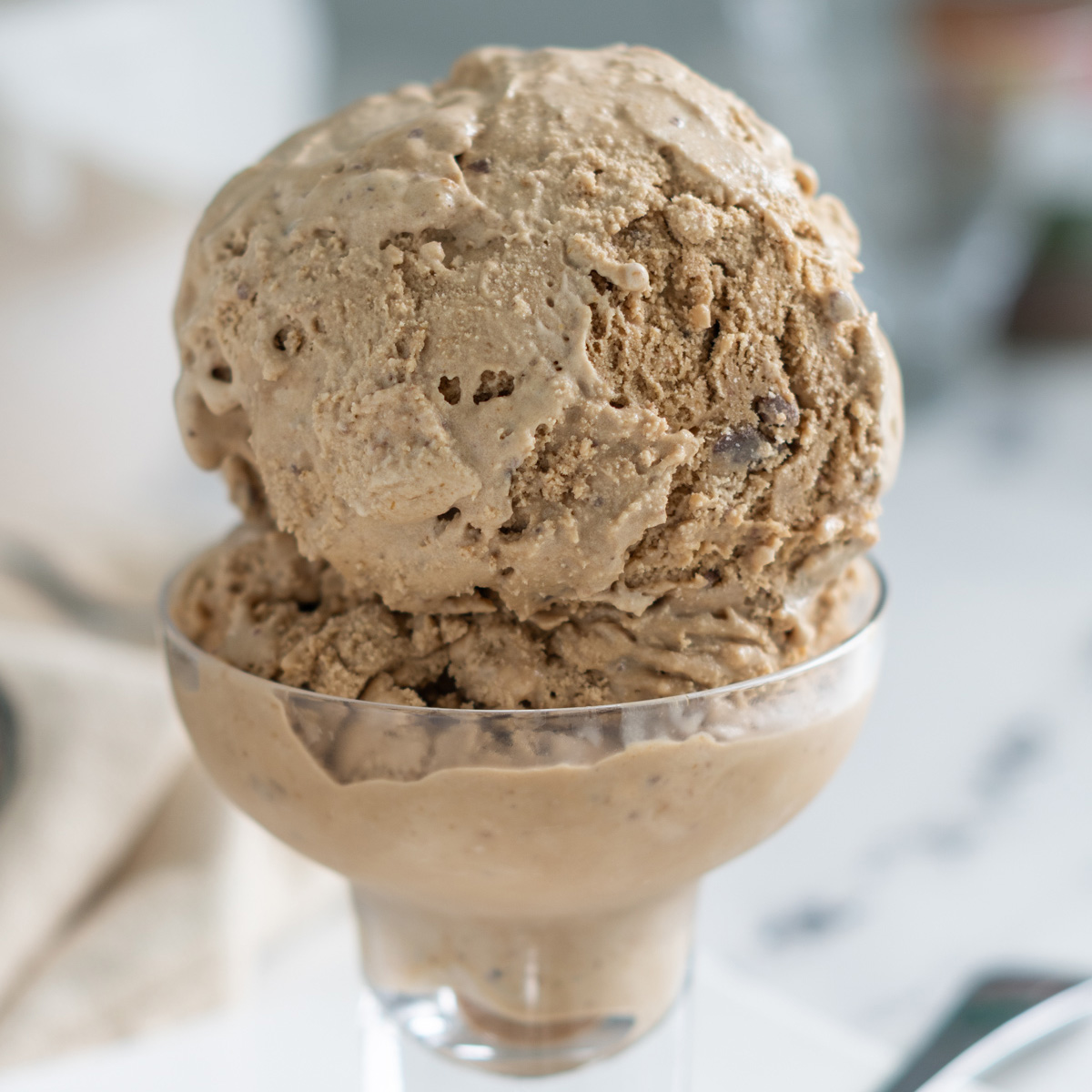
In contrast, the adoption of instant espresso powder offers a scientifically superior alternative. Because espresso powder is derived from a highly concentrated brew that has been dehydrated, it allows for the introduction of intense coffee flavor without the addition of excess water. In ice cream production, water content is a critical variable; excess moisture during the freezing process leads to the formation of large ice crystals, which compromise the silky, smooth texture of the custard. By utilizing a concentrated powder, home chefs can maintain the structural integrity of the custard while simultaneously achieving a "bold" flavor profile that remains distinct even when subjected to the numbing effects of freezing temperatures.
Chronology of Modern Ice Cream Production
The trajectory of this recipe’s development followed a rigorous, two-phase testing protocol. The initial phase focused on the traditional infusion method. On day one, researchers utilized medium-roast Arabica grounds steeped in a scalded milk-and-cream mixture. The resulting custard, while fragrant during the cooking stage, showed a significant loss of "top notes"—the volatile compounds responsible for the characteristic aroma of fresh coffee—once chilled and churned.
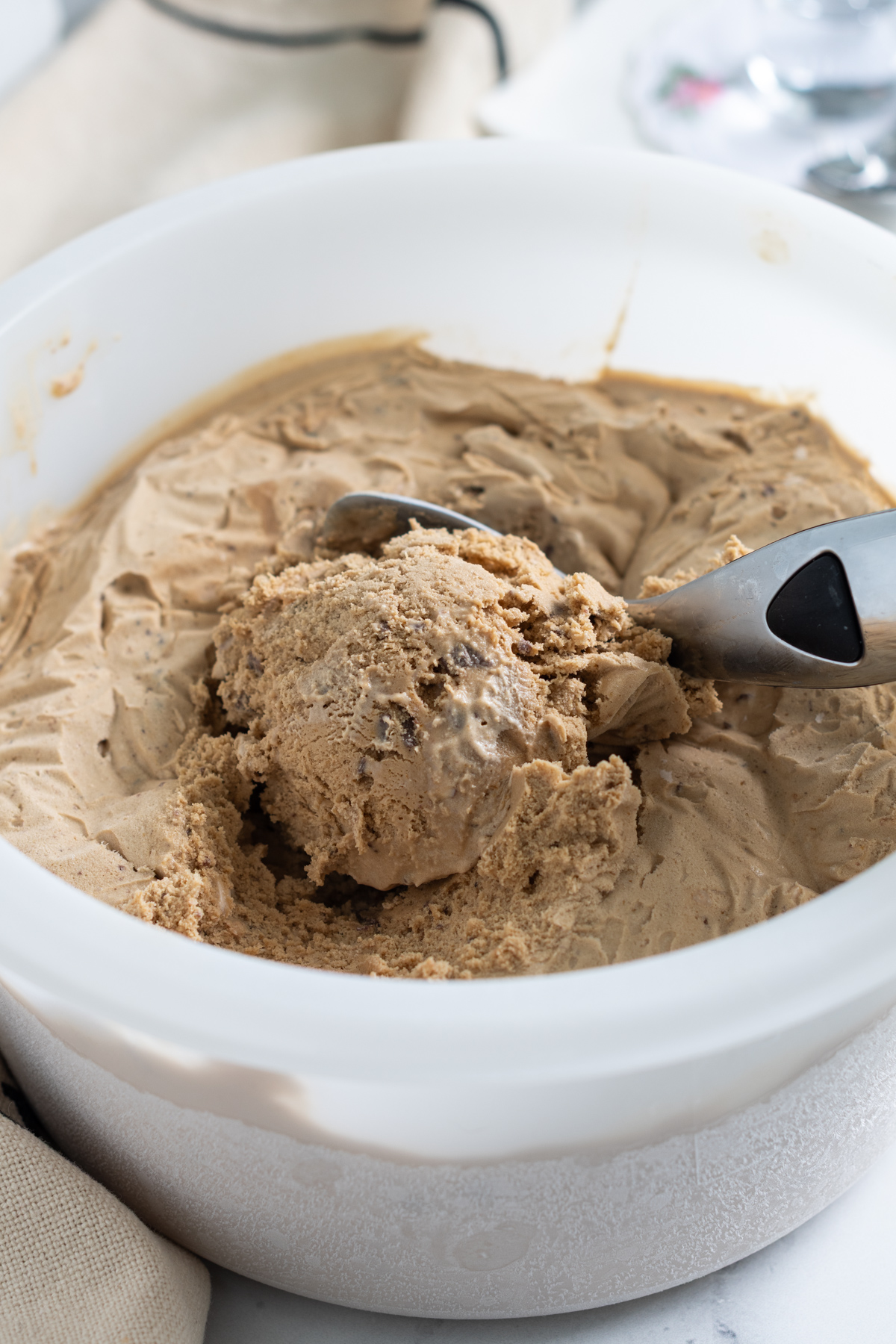
The second phase involved the integration of professional-grade instant espresso powder. By dissolving the powder directly into the warm custard base before the chilling process, the flavor profile remained stable throughout the thermal shock of the ice cream maker. The results were definitive: the espresso-based batch yielded a flavor that cut through the richness of the yolk-based custard, providing a clean, bright, and deeply satisfying experience that mirrored the characteristics of a well-pulled espresso shot.
Supporting Data: The Chemistry of Custard
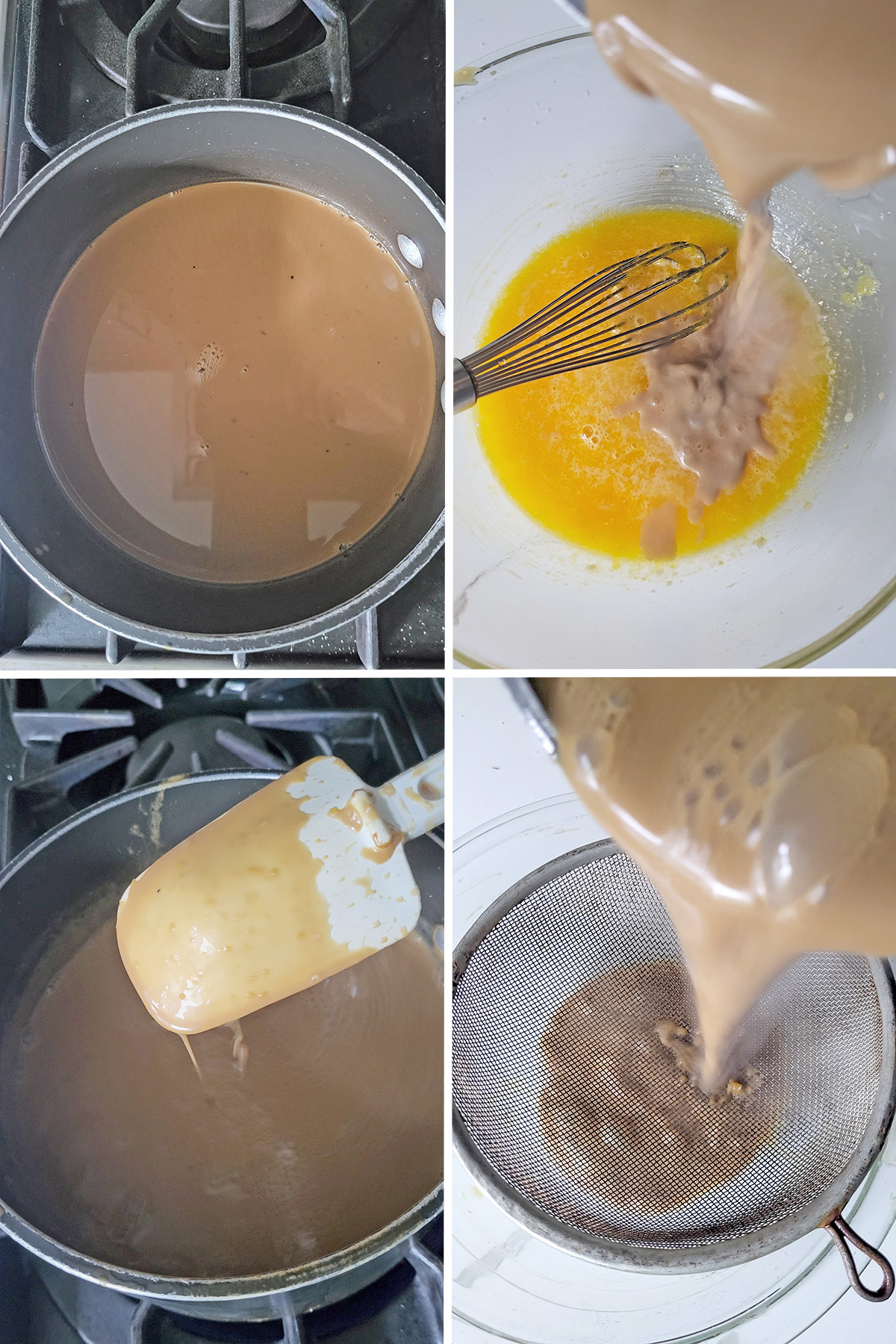
The success of a custard-based ice cream is heavily dependent on the ratio of fats to sugars and the inclusion of emulsifiers—in this case, egg yolks. According to food science standards, a high-quality custard base requires careful temperature management. The mixture must be heated to approximately 170°F to 175°F (77°C to 79°C) to thicken the yolks without curdling them.
When adding flavoring agents, the timing is paramount. The following data points represent the standard requirements for a successful batch:
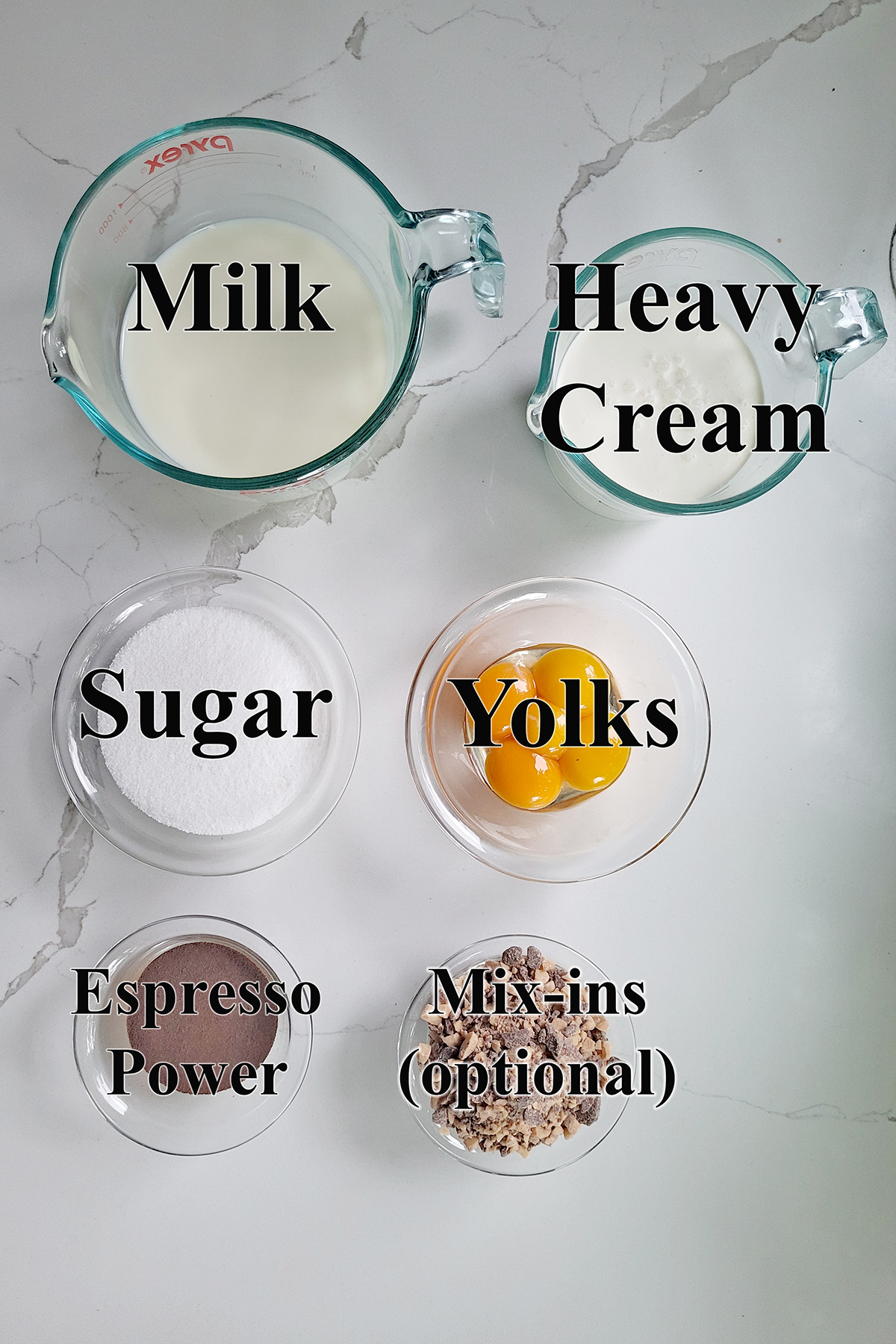
- Custard Base: Typically requires a blend of heavy cream, whole milk, granulated sugar, and large egg yolks.
- Flavoring Agent: Instant espresso powder is recommended at a ratio of approximately 2 to 3 tablespoons per quart of base, depending on the desired intensity.
- Thermal Management: The base must be chilled to 40°F (4°C) or lower before entering the ice cream maker to ensure small ice crystal formation and a smooth overrun (the amount of air incorporated during churning).
- Storage Requirements: To prevent freezer burn—the sublimation of ice crystals on the surface of the product—an airtight seal, such as plastic wrap pressed directly against the surface of the ice cream, is required.
The Role of Mix-ins and Consumer Trends
Beyond the base flavor, the addition of solid mix-ins has become a significant focal point for consumer customization. Market data from the specialty food sector indicates a growing preference for "textured" ice creams, where ingredients like Heath bar chunks, white chocolate chips, and toasted almonds serve to create contrast against the creamy base.
The choice of mix-in is not merely a matter of preference but one of culinary pairing. For instance, white chocolate, which contains a high percentage of cocoa butter, acts as a neutral, fatty foil to the slight bitterness of the coffee base. Conversely, chopped chocolate-covered espresso beans provide a secondary, intense burst of caffeine and flavor, appealing to the segment of the market that prioritizes high-intensity coffee experiences.
Implications for Home Culinary Practices
The findings surrounding the superiority of instant espresso powder hold significant implications for the broader landscape of home baking and dessert preparation. It suggests that the "traditional" or "from-scratch" approach is not always the most effective path to culinary excellence. Instead, the selective integration of high-quality industrial products can overcome specific technical limitations—in this case, the negative effects of water content and fat-tannin binding.
Furthermore, this shift reflects a broader trend toward efficiency in the kitchen. By eliminating the time-consuming step of steeping and straining coffee grounds, home chefs are able to achieve a more professional result with less waste and greater consistency. This is particularly relevant as home ice cream makers become more prevalent in domestic kitchens, allowing users to move beyond basic vanilla and chocolate toward complex, nuanced flavor profiles that were previously the exclusive domain of boutique creameries.
Concluding Analysis
The synthesis of these findings demonstrates that the most successful homemade coffee ice cream is one that prioritizes the stability of the custard base and the precision of the flavoring agent. The transition from infusion-based methods to concentrated powder integration represents a maturation in home-cooking techniques. By focusing on the scientific realities of dairy chemistry and flavor extraction, enthusiasts can replicate the quality of commercial artisanal products.
As consumer interest in high-quality, small-batch ice cream continues to rise, the emphasis on using ingredients that provide maximum flavor impact with minimal disruption to the chemical structure of the custard will likely remain a guiding principle. Whether for simple enjoyment or the pursuit of culinary perfection, the mastery of the coffee-to-custard ratio stands as a testament to the intersection of science and gastronomy in the modern home. The result—a bold, smooth, and deeply flavored frozen dessert—serves as an ideal platform for further innovation through personalized mix-ins, marking a high point in the current trend of domestic dessert craftsmanship.