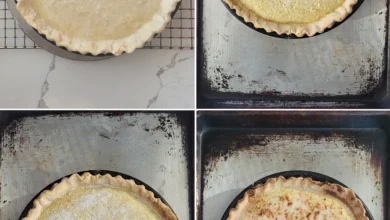
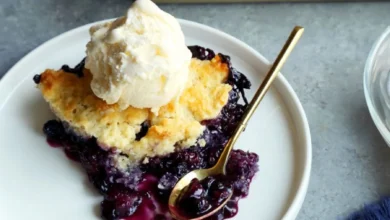
The seasonal shift toward citrus-based confectionery represents a significant trend in contemporary culinary arts, particularly during the summer months when consumer demand for lighter, acidic flavor profiles increases. Lemon, characterized by its high citric acid content and versatile aromatic oils, serves as a cornerstone ingredient in seasonal baking. Data from food industry analysts indicates that lemon-flavored dessert searches consistently spike between June and August, correlating with the peak harvest periods for various citrus cultivars and the consumer preference for desserts that provide a refreshing alternative to heavier, chocolate-based options.

The Science and Culinary Utility of Lemon in Baking
From a chemical perspective, lemon juice and zest provide both flavor complexity and structural integrity in baking. The acidity in lemon juice reacts with leavening agents like baking soda, facilitating the lift in cakes and quick breads. Furthermore, the pectin content in citrus, particularly when paired with sugar and heat, allows for the creation of stable emulsions such as curd, which serves as a foundational element for a wide variety of secondary desserts.

The culinary utility of the lemon is exhaustive. When utilized in shortbread—a classic base for lemon bars—the acidity cuts through the richness of the butter, preventing the cloying sweetness often associated with dense, flour-heavy confections. Professional bakers often emphasize the importance of "whole-fruit utilization," suggesting that the zest contains the essential oils (limonene) required for fragrance, while the juice provides the necessary tartness.

Historical Context and Evolution of Lemon Confections
Lemon desserts have occupied a prominent place in Western culinary history for centuries, evolving from simple fruit-based preserves to the sophisticated, multi-textured pastries seen today. The classic lemon bar, widely popularized in the United States during the mid-20th century, represents an evolution of the traditional shortbread recipe. Its rise in popularity is attributed to its "crowd-friendly" nature—a durable, easily portioned square that remains stable at various temperatures, making it an ideal candidate for large-scale social gatherings.
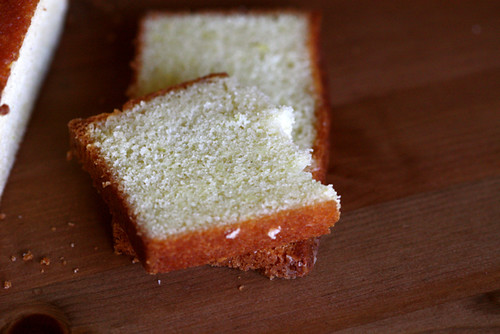
The progression of lemon-based desserts has also been influenced by the availability of specific citrus varieties. The Meyer lemon, a hybrid originating from China and introduced to the United States in the early 20th century, has become a prized ingredient for chefs seeking a milder, more floral flavor profile compared to the standard Eureka or Lisbon lemons. The integration of brulee techniques—a process involving the caramelization of a sugar crust via a butane torch—reflects a modern culinary shift toward texturally complex desserts that provide a contrast between a crisp exterior and a smooth, custard-like interior.
Chronological Development of Seasonal Favorites
The following timeline highlights the evolution of these recipes and their current standing in modern home baking:

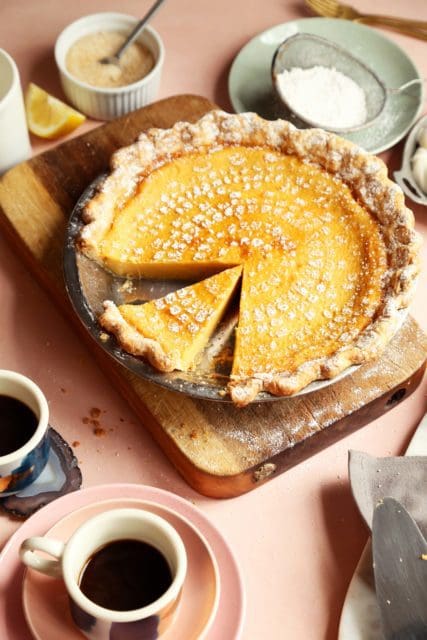
- 19th Century and Early 20th Century: The establishment of the "Lemon Chess Pie" as a staple in Southern American cuisine. This era solidified the use of cornmeal as a thickening agent, a technique that remains a standard practice for achieving the signature texture of the pie.
- 1950s–1970s: The standardization of the lemon bar recipe in community cookbooks. The transition toward convenience baking led to the widespread adoption of the bar format as a standard potluck contribution.
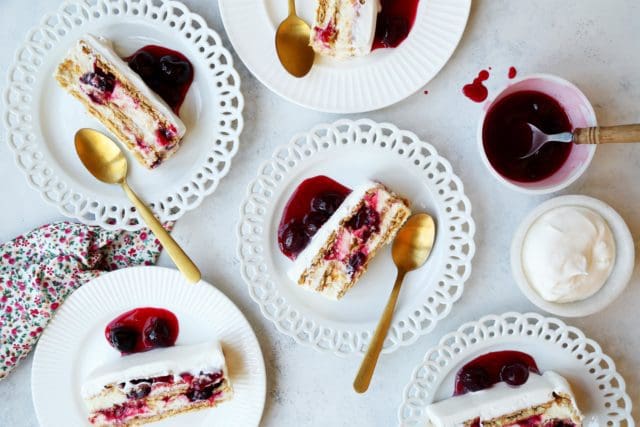
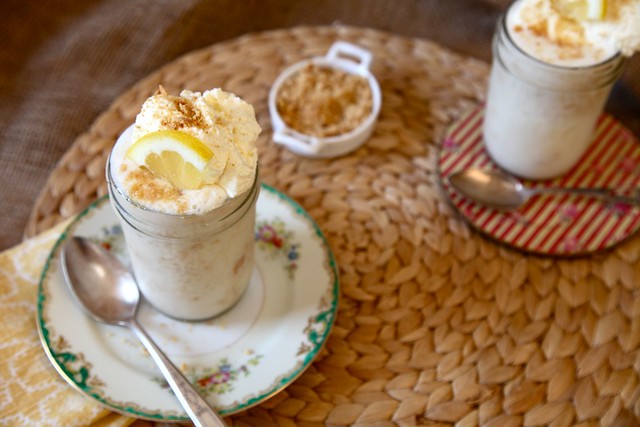
- 2000s–Present: A rise in "no-bake" and "fusion" desserts. The emergence of the icebox cake, which utilizes structural components like graham crackers or cookies that soften into a cake-like consistency when layered with cream, marks a shift toward temperature-efficient cooking methods during peak summer heat.
Data-Driven Analysis of Dessert Preferences
A survey of baking trends conducted by industry stakeholders reveals a distinct hierarchy in consumer preference for lemon-based treats:

- High-Volume Production (Crowd-Sourced): Recipes such as classic lemon bars and lemon pound cakes remain the most frequently baked items for social events. These items are favored for their longevity, often maintaining quality for 48 to 72 hours under refrigeration.
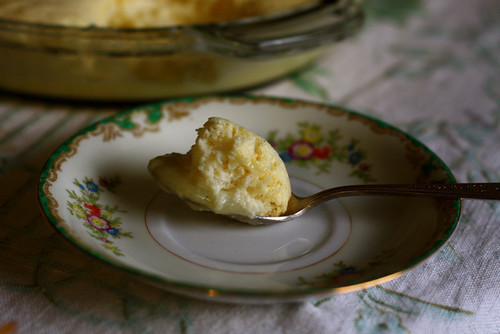
- Specialty/Technical Desserts: Items involving soufflé techniques or brulee finishes are increasingly categorized as "special occasion" desserts. These require precise timing, as the structural integrity of a soufflé or the crispness of a sugar crust is highly susceptible to humidity and temperature fluctuations.
- No-Bake/Frozen Options: These represent the fastest-growing segment during the summer months. The ability to avoid oven usage significantly impacts kitchen management, especially in climates where indoor heat is a primary concern.
Culinary Techniques for Optimal Results
Professional bakers and culinary instructors emphasize specific technical standards to ensure consistency when working with citrus:
- Zesting Before Juicing: To extract the maximum amount of aromatic oils from the peel, zesting must be performed on the whole fruit. Juicing the fruit first renders the peel limp and difficult to process, leading to a loss of the essential oils located in the flavedo (the outermost colored layer of the rind).
- Temperature Control in Pastry: For crusts involving butter, maintaining a cold temperature is critical to achieving a flaky texture. Grating cold butter directly into dry ingredients is a technique often cited for its ability to create uniform, distinct layers within the shortbread.
- The "Water Bath" Method: When preparing custards or soufflés, the use of a bain-marie (water bath) is an essential technical requirement. By surrounding the baking dish with water, the heat is distributed more gently, preventing the eggs in the custard from curdling and ensuring a uniform, silky set.
Economic and Logistical Implications for the Home Baker
The adoption of these recipes has practical implications for food waste reduction. Because citrus is highly perishable, the creation of "make-ahead" components, such as lemon curd, serves as a method of extending the shelf life of the fruit. Lemon curd, when properly prepared and sealed, can be stored for several weeks, providing a modular base for various secondary desserts, from yogurts to layered cakes.
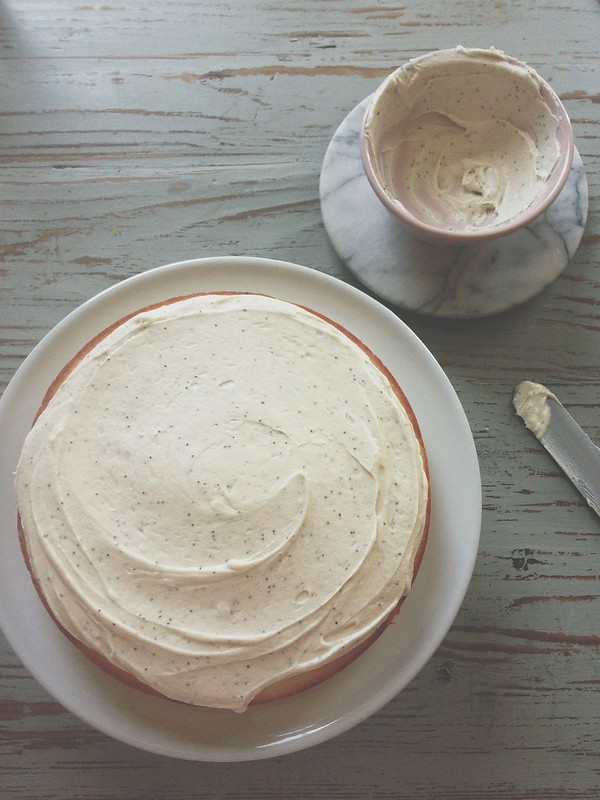
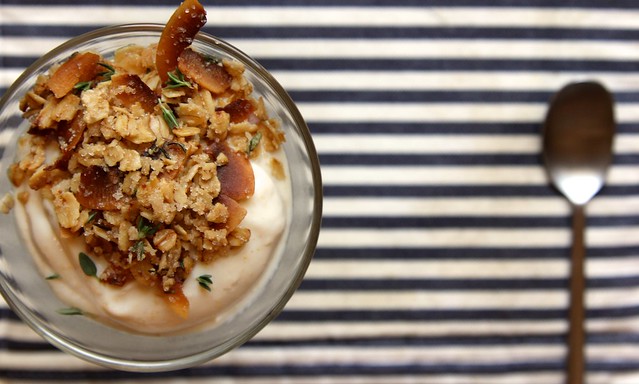
Furthermore, the integration of savory elements—such as the use of thyme in oat crumbles or poppy seeds in cake batters—represents a sophisticated approach to flavor balancing. These additions move the dessert away from one-dimensional sweetness, creating a more mature profile that appeals to a broader demographic.
Broader Impact on Summer Culinary Culture
The persistent popularity of lemon-based desserts in summer highlights a broader cultural preference for seasonal, refreshing, and manageable culinary projects. As consumers continue to prioritize "easy-to-prepare" yet "visually impressive" food, the evolution of the lemon bar and the icebox cake serves as a barometer for home-baking trends.
In conclusion, the mastery of lemon-based confectionery relies on a foundational understanding of acidity, temperature control, and ingredient selection. Whether the baker is aiming for the structural stability of a classic square or the delicate complexity of a soufflé, the lemon remains a versatile, cost-effective, and essential tool in the seasonal baker’s repertoire. By adhering to standardized techniques and leveraging the natural properties of the fruit, home bakers can achieve professional-level results that define the culinary identity of the summer season.
As the industry looks toward future trends, it is likely that the emphasis will remain on the intersection of convenience and quality, with continued innovation in the realms of dairy-free substitutions and no-bake assembly techniques ensuring that the lemon maintains its status as the quintessential flavor of the summer months.