Mastering the Art of Baked Cheesecake: A Culinary Deep Dive into a Famed Dessert

Cheesecake has long held a reputation for being a notoriously finicky dessert, often associated with daunting challenges like surface cracks, lumpy batter, and soggy crusts. However, culinary professionals argue that this perception belies its true nature, asserting that it is, in fact, one of the more forgiving desserts once its fundamental principles are understood. This perspective shifts the narrative from a dessert to be feared to one that is eminently approachable and rewarding for any home baker equipped with the right knowledge.
In the United States, the term "cheesecake" almost universally refers to a baked cheesecake – a rich, creamy confection primarily set with eggs. This style, often exemplified by the iconic New York cheesecake, forms the cornerstone of traditional cheesecake artistry. At its core, a baked cheesecake is a custard, and like any custard, its success hinges on the application of gentle heat, a degree of patience, and the mastery of a few critical techniques. By adhering to these foundational elements, bakers can confidently tackle a myriad of cheesecake variations, achieving consistently smooth, unblemished results. While no-bake and soufflé-style cheesecakes offer delightful alternatives, the insights detailed here are specifically tailored to the nuances of traditional baked cheesecakes, revealing the science and skill behind their irresistible charm.
A Rich History: The Evolution of Cheesecake
The story of cheesecake is as rich and complex as the dessert itself, tracing its origins back thousands of years. The earliest known "cheesecake" is believed to have originated in ancient Greece, served to athletes during the Olympic Games as an energy-boosting treat. Recipes from this era describe a simple concoction of mashed cheese, honey, and flour, baked in a pan. As the Roman Empire expanded, so too did the popularity of cheesecake, with variations spreading across Europe. The Roman statesman Cato the Elder, in his treatise De Agri Cultura (circa 160 BC), even documented a recipe for libum, a small cake often offered to the gods, which contained cheese and honey.
Over centuries, as dairy farming and baking techniques evolved, so did cheesecake. Medieval Europe saw the emergence of more refined versions, incorporating eggs and spices. It was, however, the arrival of cream cheese in the United States in the late 19th century that truly revolutionized the dessert, paving the way for the dense, rich, and creamy style now globally recognized as "New York cheesecake." The introduction of Neufchâtel cheese by American dairies, followed by the accidental creation of cream cheese in New York in 1872 by dairyman William Lawrence, provided the perfect canvas for a truly decadent cheesecake. The 20th century cemented its status as a dessert icon, particularly with the proliferation of diners and bakeries in New York City, each vying to perfect their signature recipe. This historical trajectory underscores that while the basic concept is ancient, the modern baked cheesecake, as we know it, is a testament to culinary innovation and regional adaptation.
Demystifying the Bake: Essential Techniques for Perfection
The perceived difficulty of baked cheesecake often stems from a misunderstanding of its nature as a custard. Unlike traditional cakes that rely on aeration and leavening for a light crumb, cheesecake aims for a dense, velvety texture that sets through the coagulation of egg proteins. This fundamental difference dictates the baking approach and explains why gentle heat and precise technique are paramount.
1. The Pan Debate: Springform vs. Standard Cake Pan
Conventionally, most cheesecake recipes advocate for a springform pan, lauded for its detachable sides that facilitate easy removal of the finished cake. However, many experienced bakers, including numerous pastry chefs, often express reservations about its reliability. The common complaint revolves around springform pans becoming warped over time, making them notoriously prone to leaking, particularly when a water bath (bain-marie) is employed. The tedious process of wrapping a springform pan in multiple layers of heavy-duty foil in an often-futile attempt to create a waterproof seal adds to the frustration.
An increasingly popular and highly effective alternative is the use of a standard, solid-bottom cake pan. To ensure effortless release, the bottom of the pan is simply lined with parchment paper. Once the cheesecake is fully chilled and firm, it can be released by briefly dipping the bottom of the pan into hot water or, for a more professional touch, by using a culinary blow torch to gently warm the exterior. This slight warming causes the chilled cake to contract ever so slightly from the pan walls, allowing it to be inverted onto a serving plate or lifted out without any damage. This method eliminates the risk of leaks entirely, offering a more dependable and less stressful baking experience.
2. Achieving Silky Smoothness: Banishing Lumps from Batter
A hallmark of a perfectly executed cheesecake is its uniform, silky-smooth texture. A batter riddled with unmixed cream cheese lumps will translate directly into a finished cake with an undesirable, pockmarked consistency. The secret to a flawless batter lies in gradually harmonizing the dense texture of cream cheese with the thinner liquid components. Two critical techniques are at play:
- Room Temperature Ingredients: This is perhaps the most crucial initial step. Cold cream cheese is stiff and resists smooth incorporation, leading to lumps. Allowing cream cheese, and often eggs, to come to room temperature ensures they are soft and pliable, blending seamlessly without requiring excessive mixing.
- Gradual Incorporation and Gentle Mixing: Once at room temperature, the cream cheese should be beaten on its own until utterly smooth and creamy, with no lumps remaining. Subsequent ingredients, especially eggs and liquids, should be added gradually and mixed on a low speed. Overmixing, particularly after eggs are added, introduces excess air into the batter. While air is desirable in a sponge cake, in a cheesecake, it can lead to a soufflé-like rise during baking, followed by a dramatic collapse and cracking upon cooling. The goal is to combine ingredients just until uniform, ensuring a dense, consistent batter.
3. Preventing the Dreaded Crack: The Science of Controlled Cooling
Cheesecake cracks are primarily a consequence of uneven contraction. When a cheesecake rises significantly during baking due to trapped air and then rapidly shrinks as it cools, the surface can tear. The objective, therefore, is to minimize rise and facilitate a slow, even cool-down. Culinary science offers five proven strategies to achieve a pristine, unblemished surface:
- Avoid Overbaking: The most common culprit for cracking is overbaking. A cheesecake is done when its edges are set, but the center (about a 2-inch diameter) still has a slight wobble. This residual wobble indicates that the custard is still moist and will continue to set as it cools, preventing dryness and excessive contraction. An internal temperature of around 150-155°F (65-68°C) is often a good indicator.
- Utilize a Water Bath (Bain-Marie): Baking the cheesecake in a water bath is a technique highly endorsed by pastry experts. The water bath serves multiple functions: it provides incredibly gentle and even heat, preventing the edges from baking faster than the center; it adds moisture to the oven environment, reducing surface drying; and it slows down the baking process, promoting a more uniform set. This gentle cooking environment is crucial for the delicate egg proteins in the custard.
- Gradual Cooling within the Oven: After baking, resist the urge to immediately remove the cheesecake from the hot oven. Instead, turn off the oven, prop the door ajar, and allow the cheesecake to cool gradually inside for at least an hour, or even longer. This slow transition from hot to warm helps prevent sudden temperature shocks that can cause the cake to contract too rapidly and crack.
- Room Temperature Ingredients (Revisited): As mentioned for lump prevention, ensuring all dairy and eggs are at room temperature creates a smooth, emulsified batter that bakes evenly, reducing the likelihood of internal stress that leads to cracks.
- Release the Edges Post-Bake: A key technique, often overlooked by home bakers, is to run a thin, flexible paring knife around the perimeter of the warm cheesecake a few minutes after it’s removed from the oven (or after its initial cool-down in the oven). This simple action releases the cake from the pan walls, allowing it to contract naturally as it cools without being pulled by the pan, thereby significantly reducing the risk of cracking.
Storage and Serving: Preserving Perfection
Once baked and cooled, a cheesecake requires proper handling to maintain its texture and flavor.
- Chilling is Crucial: A baked cheesecake must be thoroughly chilled for at least 6-8 hours, preferably overnight, before serving. This chilling period allows the custard to fully set, firming up to its ideal dense, creamy consistency and intensifying its flavors. Attempting to slice a warm or insufficiently chilled cheesecake will result in a messy, unset slice.
- Slicing Techniques: For clean slices, use a sharp, thin-bladed knife. For the best results, dip the knife in hot water and wipe it clean between each slice. This warms the blade, allowing it to glide through the dense cake without sticking or tearing.
- Storage: Cover leftover cheesecake tightly with plastic wrap and store it in the refrigerator for up to 3-5 days. Cheesecake also freezes exceptionally well. Wrap individual slices or the entire cake (without toppings) tightly in plastic wrap, then in foil, and freeze for up to 2-3 months. Thaw overnight in the refrigerator before serving.
Beyond the Basics: A World of Cheesecake Flavors
The versatility of the baked cheesecake is astounding, allowing for an endless array of flavor profiles and creative presentations. The foundational principles of the "custard" remain consistent, but the additions transform it into diverse culinary experiences.
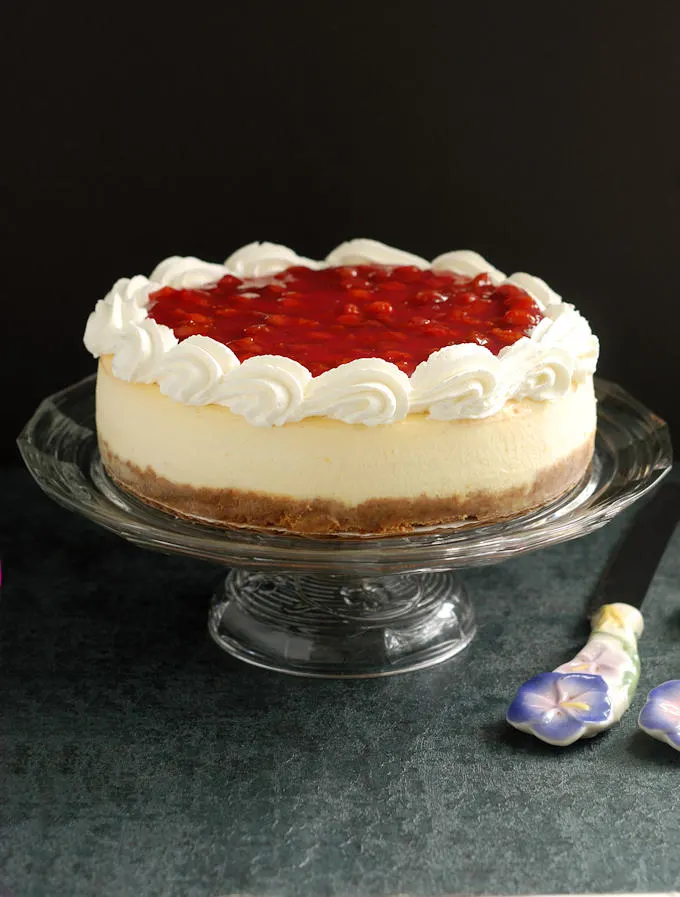
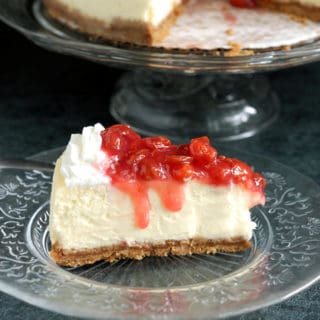
The classic New York Cheesecake with Cherry Topping exemplifies richness and tang, where sour cream in the batter provides a delightful counterpoint to the creamy base, all grounded by a crunchy graham cracker crust and vibrant cherry topping. From this classic, the spectrum expands dramatically:
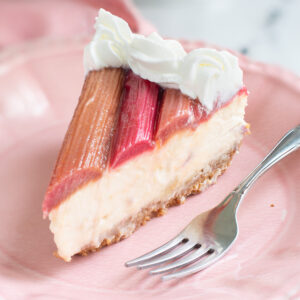
- Rhubarb Cheesecake: A delightful British-inspired creation, swirling tangy rhubarb compote through a custardy base, finished with stunning roasted rhubarb. This showcases how seasonal fruits can elevate the dessert.
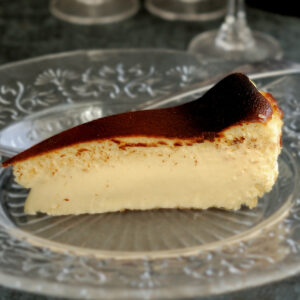
- Basque Burnt Cheesecake: A departure from traditional smooth tops, this unique cheesecake embraces a dramatically caramelized, almost burnt exterior and an incredibly oozy, custardy interior. Its rustic charm and ease of preparation have made it a global sensation, demonstrating that "imperfection" can be a design choice.
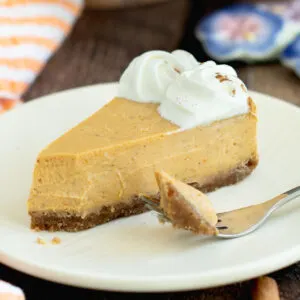
- Pumpkin Cheesecake: A quintessential autumnal dessert, featuring a lightly spiced, ultra-creamy pumpkin filling on a pecan and graham cracker crust, perfect for holiday tables.
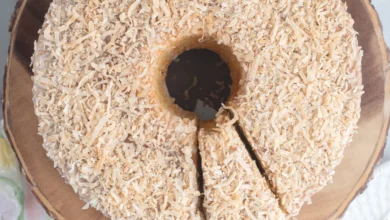
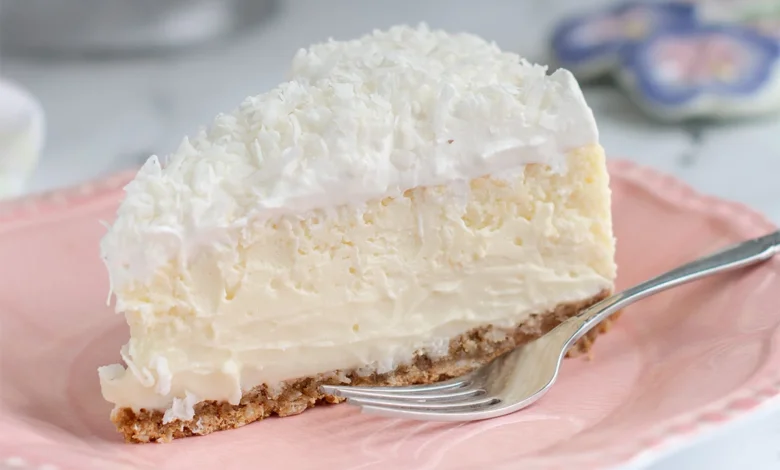
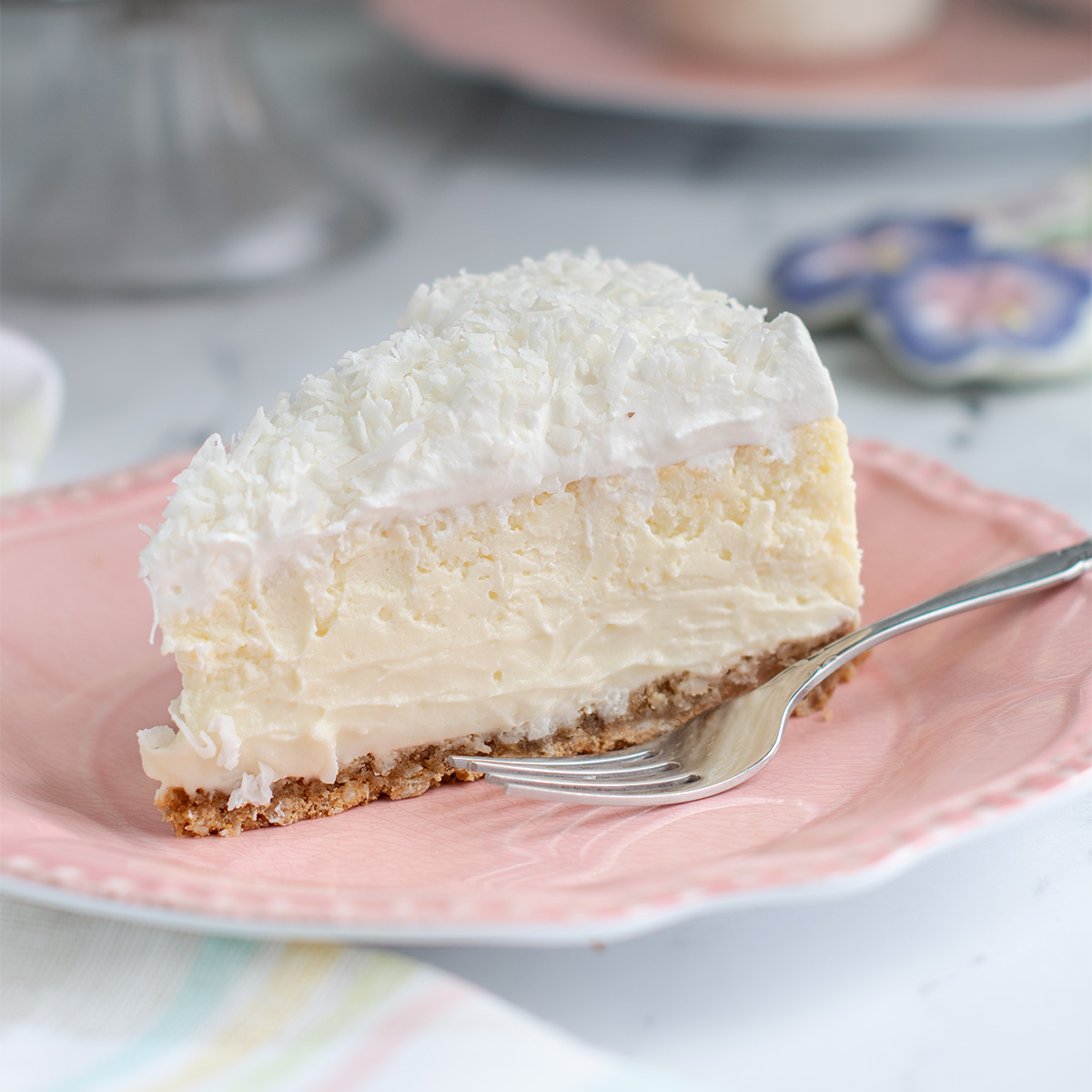
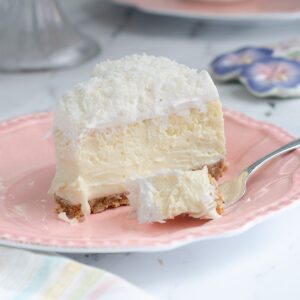
- Coconut Cheesecake: An indulgent tropical escape, with a creamy coconut-infused cheesecake on a coconut and graham cracker crust, topped with whipped cream and shredded coconut.
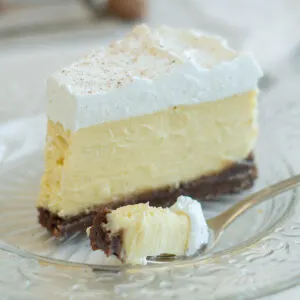
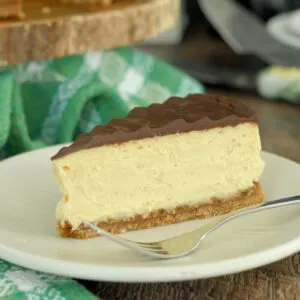
- Boozy Delights: Cheesecakes infused with spirits like Eggnog Cheesecake (with nutmeg and bourbon on a gingersnap crust) or Baileys Cheesecake (spiked with Irish Cream and topped with a decadent Baileys Chocolate glaze) demonstrate how alcohol can add depth and complexity.
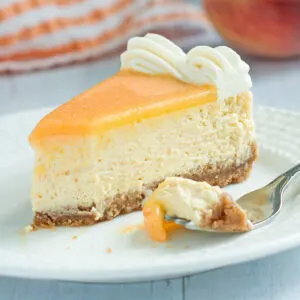
- Fruity and Zesty: Peach Cheesecake (with peach glaze), Chocolate Orange Cheesecake (with orange zest and liqueur), and Key Lime Layer Cake (combining key lime cheesecake layers with vanilla cake and graham cracker crunch) highlight the refreshing possibilities.
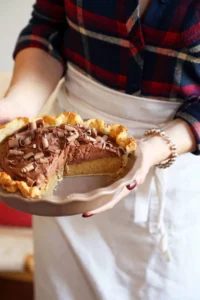
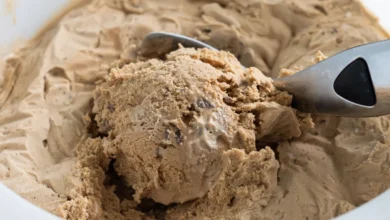
- Unique Formats: The concept of cheesecake extends beyond the traditional round cake. "Tart Michel" Chocolate Cherry Cheesecake Tart and Blueberry Cheesecake Tart integrate the creamy filling into a crisp pastry shell, offering a different textural experience. Even Cheesecake Ice Cream transforms the beloved flavor profile into a frozen dessert.
In conclusion, while cheesecake may carry a reputation for being challenging, this detailed exploration reveals it to be a remarkably forgiving dessert when approached with understanding and the correct techniques. By recognizing its fundamental nature as a custard and applying principles of gentle heat, careful mixing, and controlled cooling, home bakers can consistently achieve the smooth, crack-free, and irresistibly creamy results typically associated with professional patisseries. The vast array of flavor combinations and cultural adaptations further underscores cheesecake’s enduring appeal, making it a truly rewarding endeavor for any culinary enthusiast.