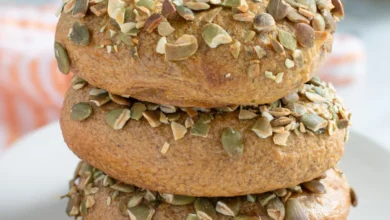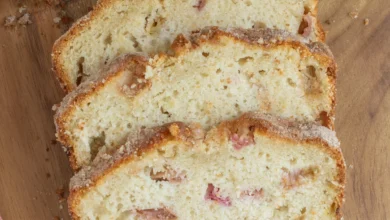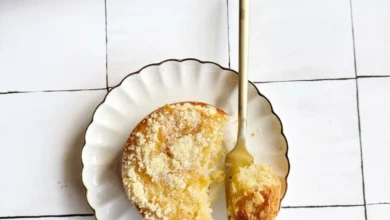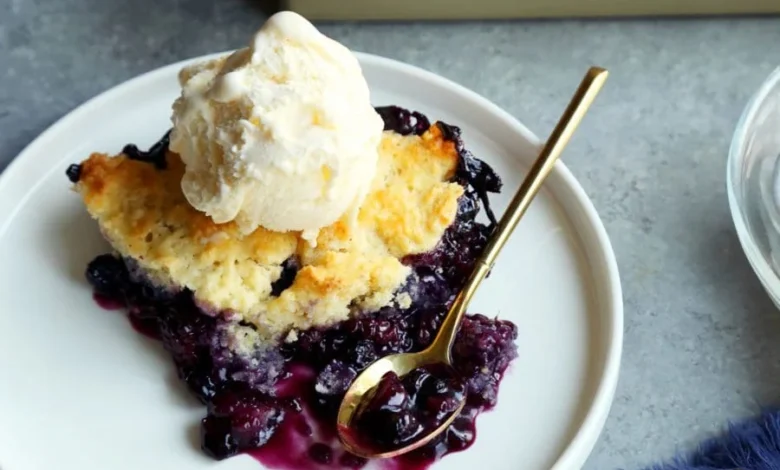
The arrival of the summer harvest brings a narrow window of agricultural opportunity, as blueberries, raspberries, blackberries, and cherries reach their peak ripeness. This seasonal transition represents a significant period for both professional pastry chefs and home bakers, as the high sugar content and structural integrity of these fruits make them ideal for various culinary applications. By leveraging the natural acidity and moisture levels of these berries, bakers can produce high-quality desserts that utilize minimal additional processing. Understanding the optimal usage of these fruits—ranging from thick-skinned blueberries that resist heat to delicate raspberries that require careful handling—is essential for maximizing the yield of this brief summer window.
The Seasonal Window and Culinary Dynamics
The agricultural cycle for soft fruits is notably compressed, typically spanning from late May through early August in temperate climates. During this time, the supply chain for these commodities becomes saturated, leading to lower price points for consumers and higher quality, vine-ripened produce. Culinary professionals categorize these fruits based on their moisture content and structural durability, which dictates the appropriate cooking method.
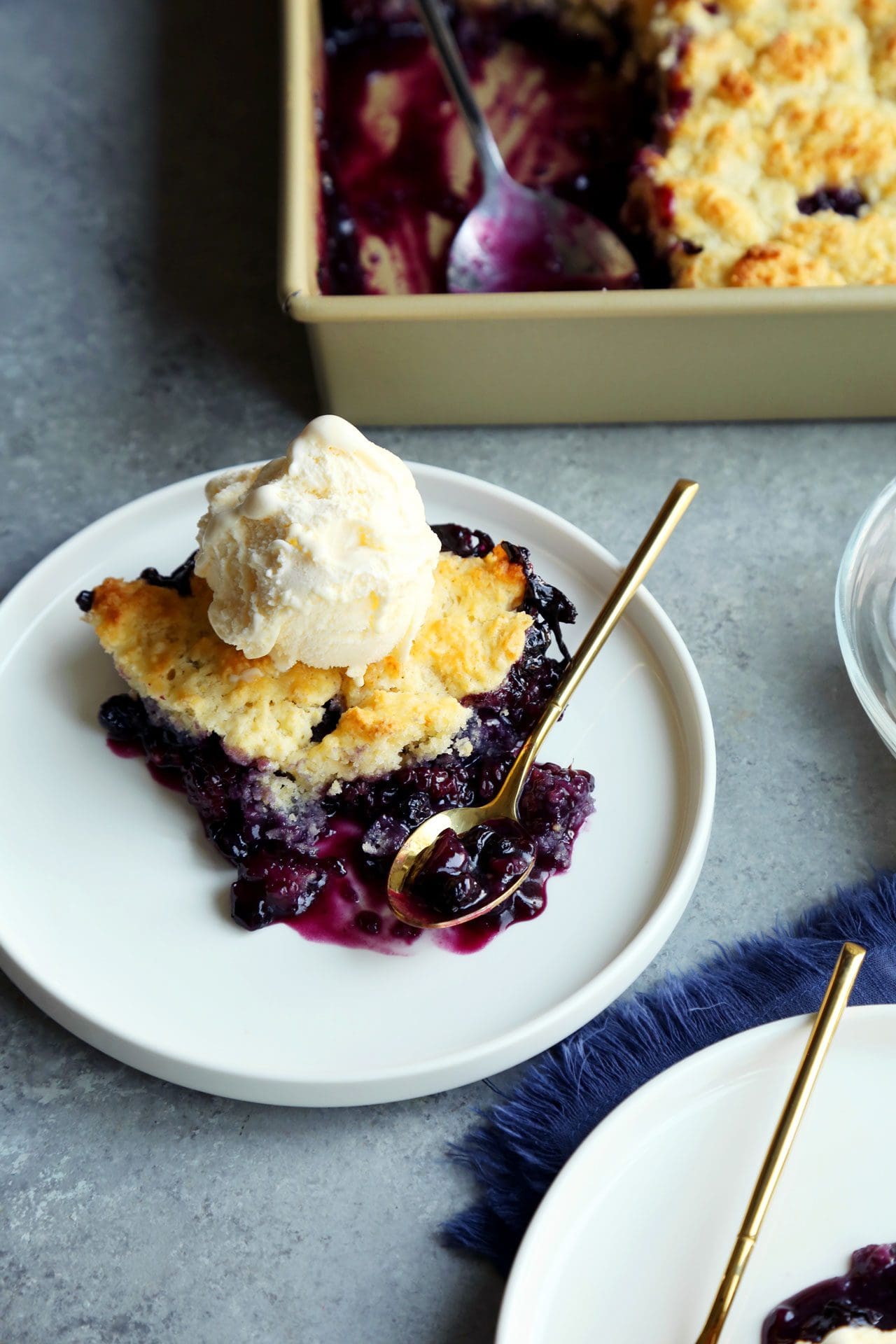
Blueberries, for instance, are characterized by their robust skin and high pectin content. When exposed to heat, they break down into a viscous, jam-like consistency that is ideal for cobblers and pie fillings. Conversely, raspberries are highly susceptible to maceration; their delicate cellular structure makes them better suited for folded applications or as raw toppings, as prolonged exposure to heat can result in a loss of physical form. Cherries, possessing a higher sugar density and distinct stone-fruit characteristics, require specific pitting techniques to ensure structural integrity in baked goods.

Classification of Berry-Based Confections
The taxonomy of berry-based desserts is largely defined by the interaction between the fruit’s moisture and the accompanying starch or fat. Data from culinary archives suggest that the most successful recipes are those that account for the fruit’s hydration levels.
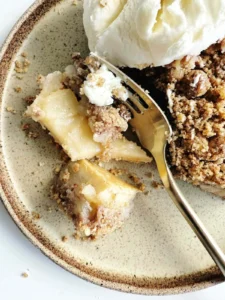
- Cobblers and Crisps: These rely on the evaporation of excess fruit juices to create a thickened, concentrated flavor profile. The inclusion of cornstarch or flour during the maceration phase is a standard industry practice to ensure that the structural integrity of the base is not compromised by the liquefaction of the berries.
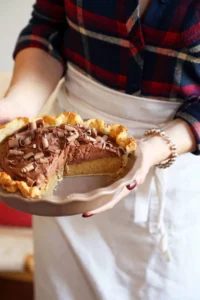
- Pie and Pastry: The dual-crust methodology remains the gold standard for high-moisture fruit like cherries. The application of steam vents is critical; it allows for the release of pressure, preventing the "bursting" effect that occurs when internal moisture turns to steam and seeks an exit path through the bottom crust.
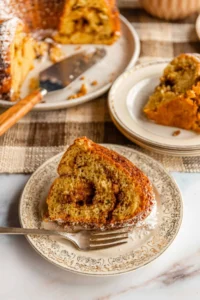
- Streusel-Topped Cakes: The use of fat-heavy crumb toppings serves a functional purpose beyond flavor. By creating a dense barrier, these toppings help retain the heat within the cake, allowing for a more even distribution of moisture from the berries into the surrounding batter.
Technical Considerations for Baking Success
The success of a berry-based dessert is often dictated by the chemical interaction between ingredients. For example, in the production of blueberry-heavy coffee cakes, the "sinking" of fruit is a common technical failure. This is caused by the disparity in density between the fruit and the surrounding batter. The professional recommendation is to toss the berries in a small portion of flour prior to folding them into the mixture. This coating provides a friction-based bond that keeps the fruit suspended throughout the bake.

Another technical consideration is the choice of fat. The use of browned butter (beurre noisette) in cobblers adds a layer of complexity due to the Maillard reaction. By heating butter until the milk solids brown, bakers introduce nutty, caramelized notes that complement the natural tartness of raspberries and blueberries. This technique has gained popularity in contemporary baking as a means of elevating "lazy" or "simple" recipes into more sophisticated flavor profiles.
Chronological Preparation and Storage Strategies
The logistics of managing a berry-heavy kitchen require a structured approach. Expert pastry consultants suggest that when working with large volumes of berries, the following timeline should be observed to maintain quality:

- Initial Procurement (0–24 hours): Berries should be inspected for mold, which can spread rapidly within a container due to the high moisture environment.
- Maceration Phase: For desserts requiring a filling, mixing berries with sugar and a thickening agent 30 minutes prior to baking allows for the osmosis-driven release of juices, which can then be properly managed.
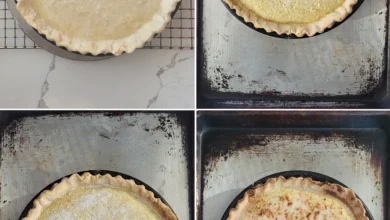
- Thermal Processing: Baking should be performed in a controlled environment. For pies, a high-heat start followed by a reduced temperature ensures the crust achieves a golden-brown finish before the filling begins to over-caramelize.
- The Cooling Period: This is perhaps the most critical stage. The transition from oven-hot to room temperature is when the pectin sets. Cutting into a berry-based dessert before it reaches a stable temperature is the leading cause of structural failure in home kitchens.
Broader Economic and Nutritional Impact
The annual berry harvest has a measurable impact on the regional economy. During the peak of the season, local farmers’ markets see a significant surge in foot traffic, reflecting a broader consumer trend toward "farm-to-table" consumption. From a nutritional standpoint, these berries are significant sources of antioxidants, specifically anthocyanins, which are retained even after the baking process.
Furthermore, the surge in home baking during these months has implications for the retail sector. Sales data for baking staples—including all-purpose flour, granulated sugar, and unsalted butter—consistently show a correlation with the peak availability of summer fruits. This trend suggests that consumers view the act of baking as an essential component of seasonal engagement.

Addressing Common Technical Inquiries
Professional kitchens frequently receive inquiries regarding the use of frozen versus fresh berries. The consensus is that frozen berries are an acceptable substitute for baked goods, provided that the thawing process is managed. Frozen fruit contains a higher volume of free water due to the crystallization process; if not properly drained, this can lead to an excess of liquid that ruins the texture of crusts or batters.
Regarding the "crowd-pleasing" factor, the preference for bars over traditional round cakes is rooted in portion control and portability. Pie bars allow for a uniform serving size and a more consistent crust-to-fruit ratio, which is advantageous for events or catering scenarios.

Future Implications for Summer Culinary Trends
As culinary technology advances, there is an increasing shift toward reducing refined sugars in favor of highlighting the natural fructose inherent in peak-season berries. This shift is reflected in the current popularity of "naked" cakes and simple cobblers, where the quality of the fruit is the primary driver of the dessert’s success.
The integration of alternative flours, such as almond or oat, has also become a standard practice, not only for gluten-free requirements but for the added texture and depth of flavor they provide. These developments indicate that while the core techniques of baking remain rooted in traditional methods, the application is becoming increasingly focused on ingredient provenance and the preservation of the fruit’s natural state.

In conclusion, the effective utilization of summer berries requires a blend of traditional baking principles and an appreciation for the biological properties of the fruit. By understanding the interaction between acidity, sugar, and heat, home and professional bakers alike can maximize the potential of the short but highly rewarding summer berry season. The focus remains on simplicity, quality, and the strategic management of moisture to produce desserts that are as technically sound as they are reflective of the season’s bounty.