The Enduring Allure of Coconut Custard Pie: A Culinary Deep Dive into a Timeless Classic

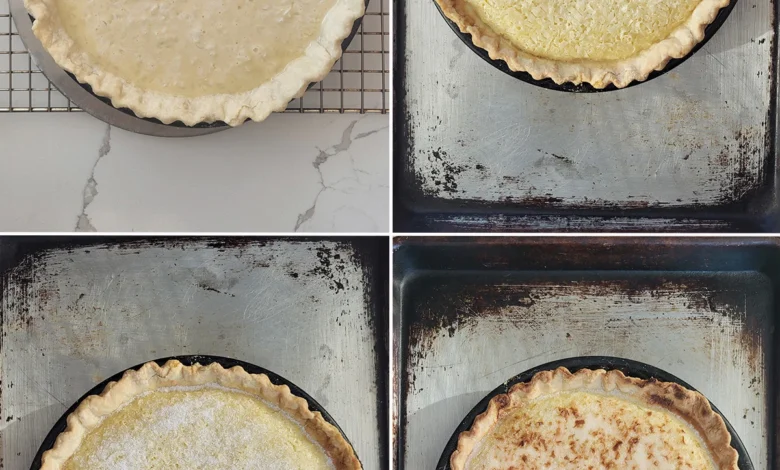
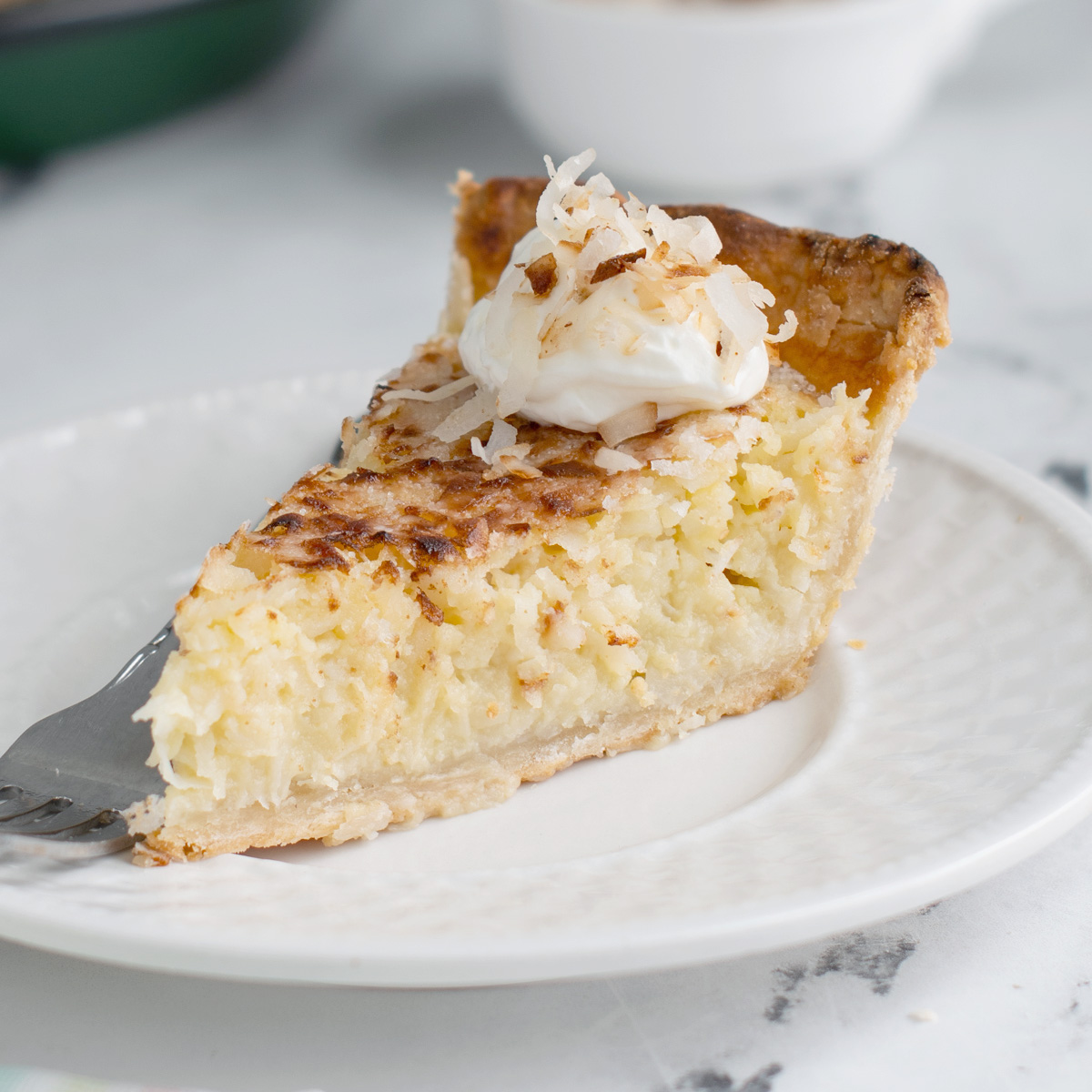
Coconut Custard Pie, a dessert celebrated for its elegant simplicity and profound flavor, continues to captivate palates across generations. Characterized by a perfectly flaky pie crust cradling a rich filling of sweetened coconut and a silky custard, subtly infused with vanilla and almond, this classic stands as a testament to understated culinary excellence. It is a dessert that transcends seasonal boundaries, consistently earning its place at diverse tables, from casual family meals to festive holiday gatherings. The inherent charm of the Coconut Custard Pie lies in its harmonious balance of textures and flavors, offering a comforting yet refined experience that distinguishes it within the vast landscape of baked goods.
Historical Roots of a Beloved Dessert
The lineage of the custard pie stretches back centuries, with rudimentary forms appearing in medieval European cuisine, often as savory dishes. Over time, as sugar became more accessible and culinary tastes evolved, custards transitioned into sweet delicacies. These early custards, typically a mixture of eggs, milk, and sweeteners, were baked in crusts or individual ramekins. The pie format gained prominence in the 17th and 18th centuries, becoming a staple in both aristocratic and common households.
Concurrently, coconut began its journey into Western desserts. While coconuts have been a dietary cornerstone in tropical regions for millennia, their widespread integration into European and American baking traditions saw a significant surge in the 19th and early 20th centuries, particularly with advancements in desiccating and preserving coconut flakes. The ease of transport and storage of these processed coconut products made them accessible to bakers far from tropical climes. This period marked a pivotal moment where the classic custard pie encountered the exotic allure of coconut, giving rise to the Coconut Custard Pie. Its popularity grew steadily, particularly in the Southern United States, where a strong tradition of pie-making and a penchant for rich, comforting desserts allowed it to flourish. The pie became emblematic of Southern hospitality, often featured at church potlucks, family reunions, and holiday feasts, cementing its status as a culinary institution.
The Science of a Perfect Pie: Unpacking the Elements
The seemingly simple composition of Coconut Custard Pie belies a sophisticated interplay of culinary science and precise technique. Each component, from the crust to the custard and the coconut itself, contributes critically to the pie’s revered profile.
The Flaky Crust: A Foundation of Excellence
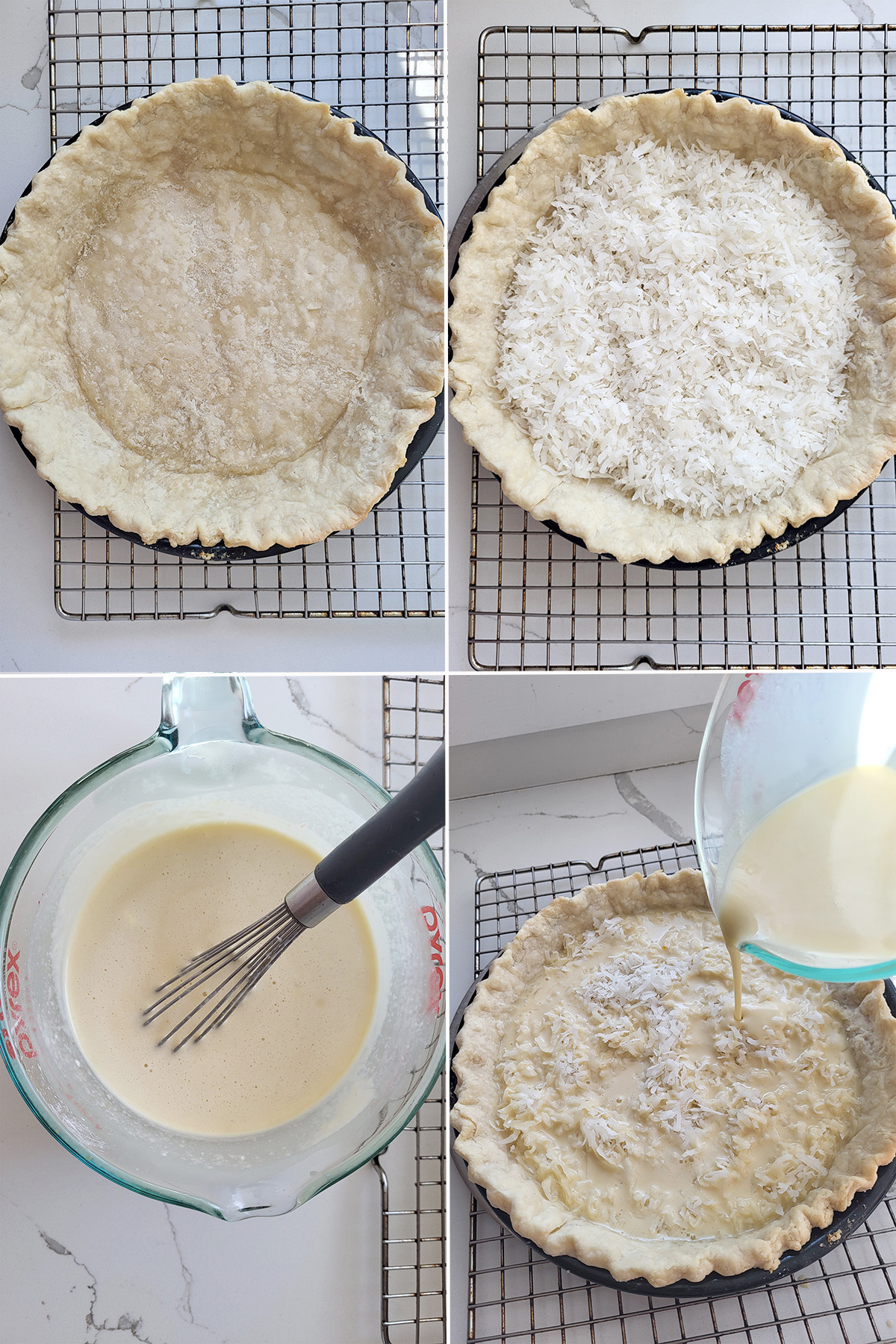
A truly exceptional pie begins with its crust. The ideal flaky crust is achieved through a delicate balance of ingredients and handling. Cold butter or shortening, cut into small pieces, is rapidly incorporated into flour. This method prevents the fat from fully emulsifying with the flour, instead creating discrete pockets of fat. During baking, these fat pockets melt, releasing steam that pushes apart layers of gluten, resulting in the characteristic flakiness. Overworking the dough is a common pitfall, as it develops gluten excessively, leading to a tough, rather than tender, crust. The par-baking step, as highlighted by seasoned pastry chefs, is non-negotiable for this type of pie. This pre-baking process creates a waterproof barrier, preventing the liquid custard filling from saturating the bottom crust and rendering it soggy. Without this crucial step, even the most expertly made crust would succumb to moisture, compromising the pie’s structural integrity and textural appeal.
The Silky Custard: A Masterclass in Emulsion
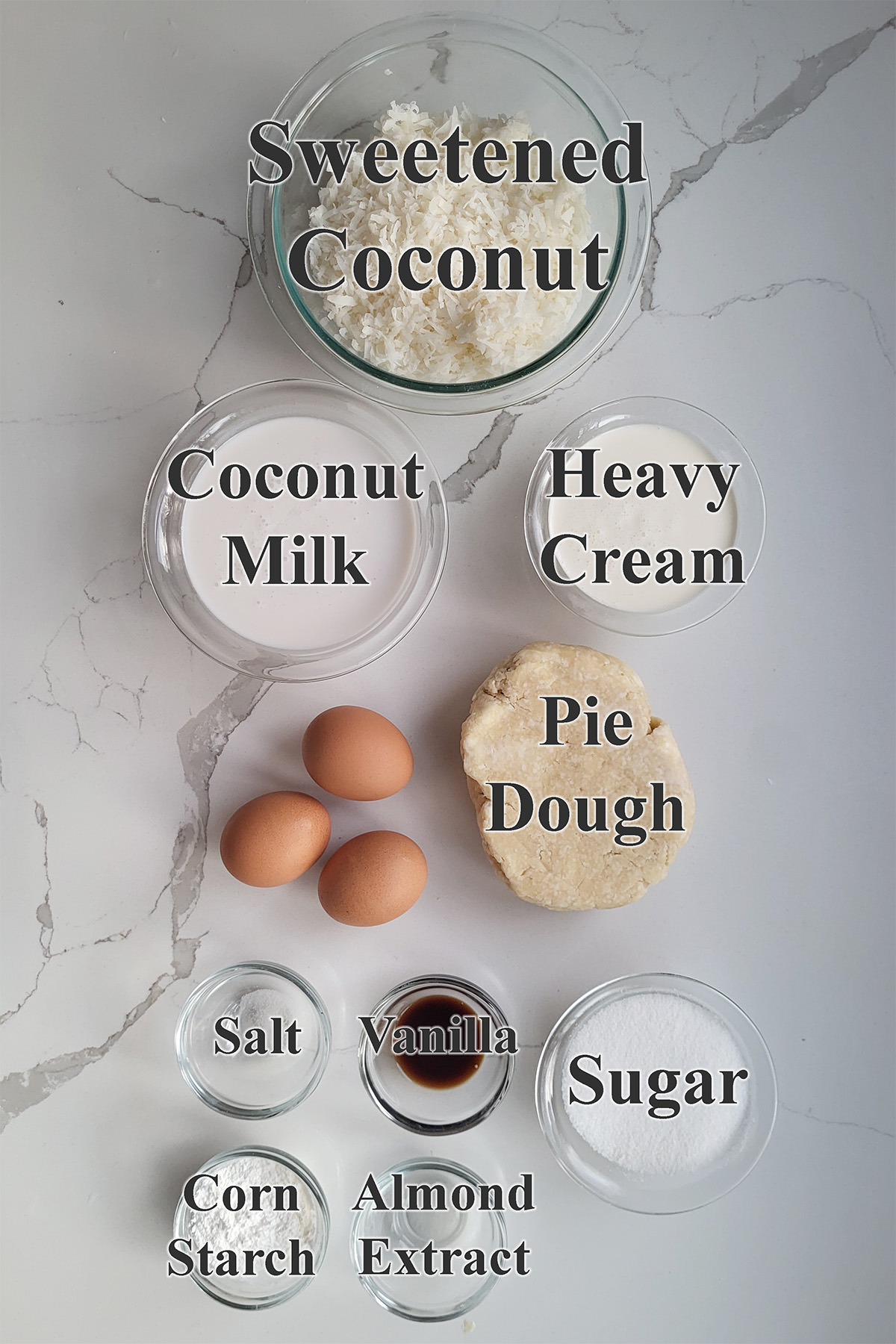
The heart of the Coconut Custard Pie is its silky, smooth custard. This delicate filling is an emulsion, primarily composed of eggs, dairy (often a blend of milk and heavy cream), and sugar, delicately flavored with vanilla and almond extracts. The eggs serve as both a thickening agent and a structural component. Egg yolks, rich in fat and lecithin, contribute to the custard’s luxurious creaminess and smooth texture. The balance of yolks to whites is critical. As explained by pastry experts, an excess of egg whites, which contain more protein, can lead to the release of sulfur compounds when cooked too rapidly or at too high a temperature, resulting in an undesirable "eggy" flavor. This phenomenon underscores the importance of a recipe that prioritizes yolks over whites and advocates for moderate baking temperatures, often utilizing a sheet pan to temper heat distribution and ensure a slow, even set. The dairy provides moisture and richness, while sugar sweetens and contributes to the custard’s tender consistency. The vanilla and almond extracts are chosen to complement, rather than overpower, the natural sweetness of the coconut, adding layers of aromatic complexity.
Sweetened Coconut and the Caramelized Top: Texture and Depth
Sweetened coconut flakes are integral to both the texture and flavor of the pie. These flakes are dispersed throughout the custard, providing chewy morsels that burst with tropical flavor in every bite. The sweetness of the coconut enhances the overall dessert, contributing to its comforting profile. A distinguishing feature of some Coconut Custard Pie preparations, including expert renditions, is a quick pass under a broiler after baking. This step serves to caramelize the top layer of the pie, creating a subtle, toasted crunch that contrasts beautifully with the soft, yielding custard beneath. This caramelization, a result of the Maillard reaction, also develops deeper, more complex flavors, adding another dimension to the pie’s sensory experience. This subtle charring elevates the pie from merely delicious to truly exceptional, setting it apart from versions lacking this finishing touch.
A Tale of Two Coconuts: Custard vs. Cream
A common point of confusion for many dessert enthusiasts lies in distinguishing Coconut Custard Pie from its equally beloved cousin, Coconut Cream Pie. While both celebrate the tropical essence of coconut, they represent fundamentally different approaches to pie-making, yielding distinct textures and culinary philosophies.
Coconut Cream Pie typically features a custard that is cooked on the stovetop and thickened with a starch, such as cornstarch or flour. This filling, often referred to as a type of pastry cream, is then poured into a pre-baked cookie or graham cracker crust. The pie is usually chilled and generously topped with a mound of whipped cream, creating a decadent, soft, and overtly indulgent dessert. The filling of a Coconut Cream Pie is characterized by its smooth, pudding-like consistency, offering a melt-in-your-mouth sensation that is undeniably rich.
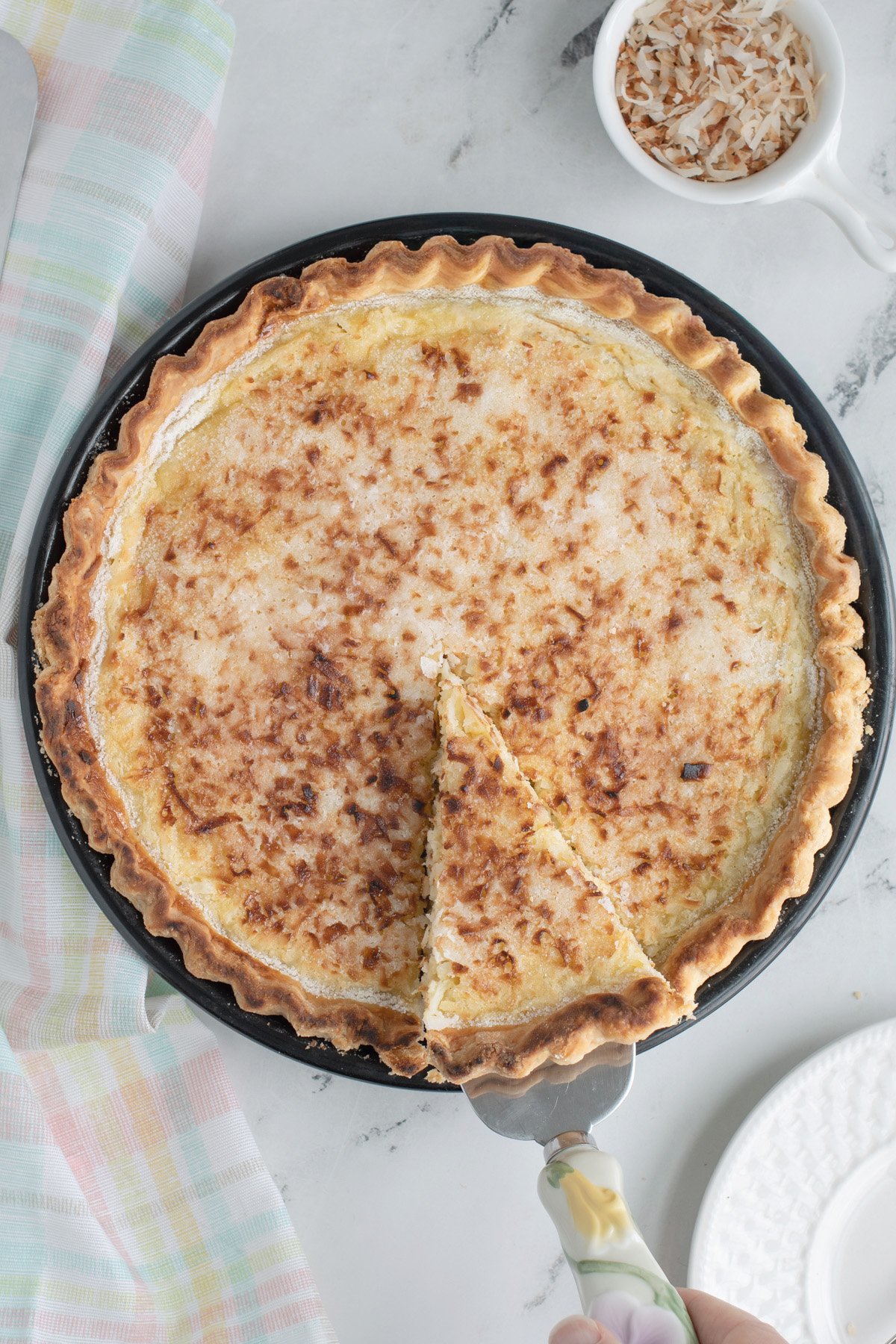
In stark contrast, Coconut Custard Pie is a baked custard. The filling, once combined with the coconut, is poured into a par-baked pastry shell and cooked in the oven until the custard sets. This baking process results in a firmer, more sliceable texture that holds its shape beautifully when served. Culinary critics and pastry chefs often describe the Coconut Custard Pie as less extravagant and more refined. Its baked custard allows the inherent flavor of the coconut to truly shine, unobstructed by the often overwhelming richness of whipped cream toppings or the heavier mouthfeel of a starch-thickened cream. The focus shifts to the pure, unadulterated taste of coconut within a perfectly structured, yet tender, custard base. For those who appreciate the subtle nuances of coconut and a pie that offers a clean, elegant finish, the Coconut Custard Pie is often the preferred choice. It embodies a classicism that prioritizes the integrity of its core ingredients and the fundamental techniques of baking.
Mastering the Craft: Expert Techniques for Flawless Execution
Achieving a flawless Coconut Custard Pie involves adherence to several key techniques, refined over decades by pastry professionals. These insights ensure a pie that is not only delicious but also structurally sound and aesthetically pleasing.
The Importance of Par-Baking: As previously noted, par-baking the pie crust is paramount. This process, also known as blind baking, involves partially baking the empty pie shell before adding the filling. The heat sets the gluten structure of the dough and evaporates moisture, creating a firm, crisp barrier. Pastry chefs often line the unbaked crust with parchment paper and fill it with pie weights, dried beans, or even granulated sugar to prevent shrinkage and bubbling during this initial bake. The resulting "water-proofed" crust is essential for preventing the liquid custard from rendering the bottom crust soggy, a common pitfall in many custard-based pies.
Preventing an "Eggy" Custard Flavor: The delicate balance of egg components is critical to avoiding the dreaded "eggy" taste. This off-flavor, attributed to sulfur compounds in egg proteins, becomes more pronounced when eggs are cooked too quickly or at excessively high temperatures, particularly when there is a higher proportion of egg whites. Expert recipes, therefore, often call for a higher ratio of egg yolks to whites, or specifically instruct on gentle baking methods. Baking the pie on a sheet pan, for instance, helps to moderate the baking speed, ensuring the custard sets slowly and evenly, allowing for the gentle coagulation of proteins without releasing those undesirable sulfur compounds. This controlled baking environment results in a smooth, clean-tasting custard that perfectly complements the coconut.
Achieving the Perfect Set: Knowing when the custard is perfectly set is another crucial skill. The pie should be removed from the oven when the edges appear firm and slightly puffed, but the very center still exhibits a slight wobble, similar to gelatin. The residual heat will continue to cook the custard as it cools, bringing it to the ideal consistency. Overbaking can lead to a rubbery or curdled texture, detracting from the pie’s silky mouthfeel.
The Enduring Appeal and Practicality in Modern Culinary Landscape
Beyond its historical significance and precise culinary science, the Coconut Custard Pie holds a compelling position in contemporary kitchens due to its enduring appeal and remarkable practicality. In an era where complex, multi-layered desserts often dominate culinary trends, the Coconut Custard Pie stands as a beacon of classic comfort, proving that simplicity, executed with precision, can be profoundly satisfying.
Make-Ahead Advantages: For home bakers and professional kitchens alike, the ability to prepare components of a dish in advance is invaluable. The Coconut Custard Pie excels in this regard. The pie dough can be mixed and refrigerated for up to 3-4 days or even frozen for up to three months, offering significant flexibility. Once rolled, the pie shell can be held in the pan, covered, for a day before baking. The par-baked crust itself can be stored in the refrigerator for a full day, further streamlining the baking process. Even the custard filling can be prepared a day ahead and refrigerated, allowing for quick assembly on baking day. This modular preparation makes the Coconut Custard Pie an ideal choice for entertaining or for busy individuals who appreciate efficient meal planning without compromising on quality.
Optimal Storage and Enjoyment: Proper storage ensures the longevity and quality of the pie. Coconut Custard Pie should always be stored in the refrigerator to maintain the integrity of its dairy and egg-based custard. While serving, the pie can remain at room temperature for a maximum of 2-3 hours, allowing the flavors to fully develop and the custard to achieve a softer, more yielding texture. Leftover slices can be individually wrapped and frozen, providing a convenient option for future indulgence. When ready to enjoy, the frozen slices should be defrosted in their wrapping, then served chilled or at room temperature. This robust storage capability further enhances the pie’s practical appeal, minimizing waste and maximizing enjoyment.
Nutritional Considerations: From a nutritional standpoint, a single slice of Coconut Custard Pie, serving approximately 10 individuals per pie, typically contains around 313 kilocalories. It provides 22 grams of carbohydrates, 4 grams of protein, and 24 grams of fat, with 18 grams of that being saturated fat, largely due to the coconut and dairy content. It also contains 68 milligrams of cholesterol, 120 milligrams of sodium, and 184 milligrams of potassium, alongside 4 grams of fiber and 14 grams of sugar. Micronutrients include 242 IU of Vitamin A, 1 mg of Vitamin C, 25 mg of Calcium, and 1 mg of Iron. While clearly an indulgence, its nutritional profile is comparable to many other rich desserts, offering a balanced energy contribution when consumed as part of a varied diet.
Broader Implications and Cultural Significance: The enduring presence of Coconut Custard Pie in culinary traditions speaks to its inherent quality and its ability to evoke nostalgia and comfort. It represents a simpler time in baking, relying on fundamental techniques and quality ingredients rather than elaborate decorations or novel flavor combinations. Its consistent appearance in cookbooks, food blogs, and bakery displays underscores its status as a foundational dessert. As food trends ebb and flow, the Coconut Custard Pie remains a steadfast classic, continually reminding us of the timeless pleasure found in a perfectly crafted, unpretentious slice of pie. Its continued popularity reflects a collective appreciation for desserts that offer genuine flavor and satisfying texture without unnecessary complexity, securing its place as a cherished culinary legacy.