The Evolution of Bakery Classics: How Nostalgia and Precision Flourish in Modern Home Baking

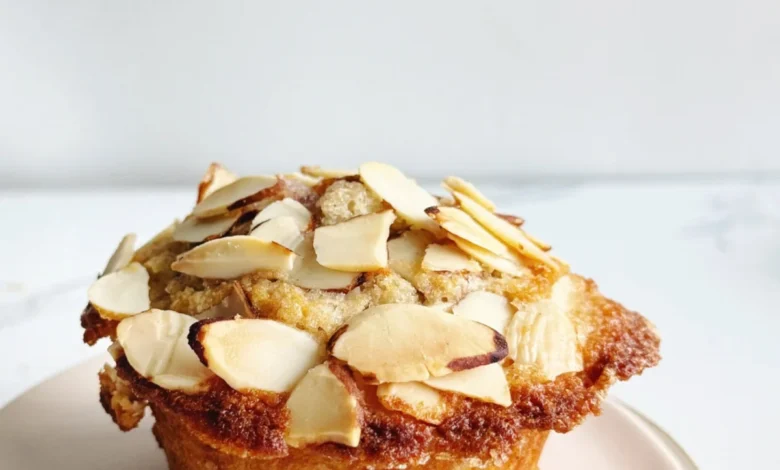
The resurgence of heritage-inspired baked goods in contemporary home kitchens has brought classic flavor pairings back into the culinary spotlight, led by the enduring appeal of cherry and almond combinations. Originating from regional artisan bakeries and traditional European pastry traditions, the marriage of stone fruit and nutty marzipan-like notes has transitioned from commercial coffeehouse display cases to domestic ovens. This shift is exemplified by the adaptation of foundational recipes, such as beloved blueberry muffin bases, to accommodate nostalgic flavor profiles that prioritize texture, chemical balance in baking, and rigorous ingredient measurement.
Historical Context and the Rise of Cherry Almond Pastries
The flavor combination of cherry and almond is deeply rooted in culinary history, capitalizing on the natural chemical compound benzaldehyde, which is shared by both sweet stone fruits and almond kernels. Throughout the mid-to-late 20th century, regional coffeehouses across the United States popularized the pairing as a sophisticated alternative to standard fruit muffins. Establishments such as the Blue Heron Coffeehouse served as community anchors where these seasonal offerings became staples of the morning bakery case.
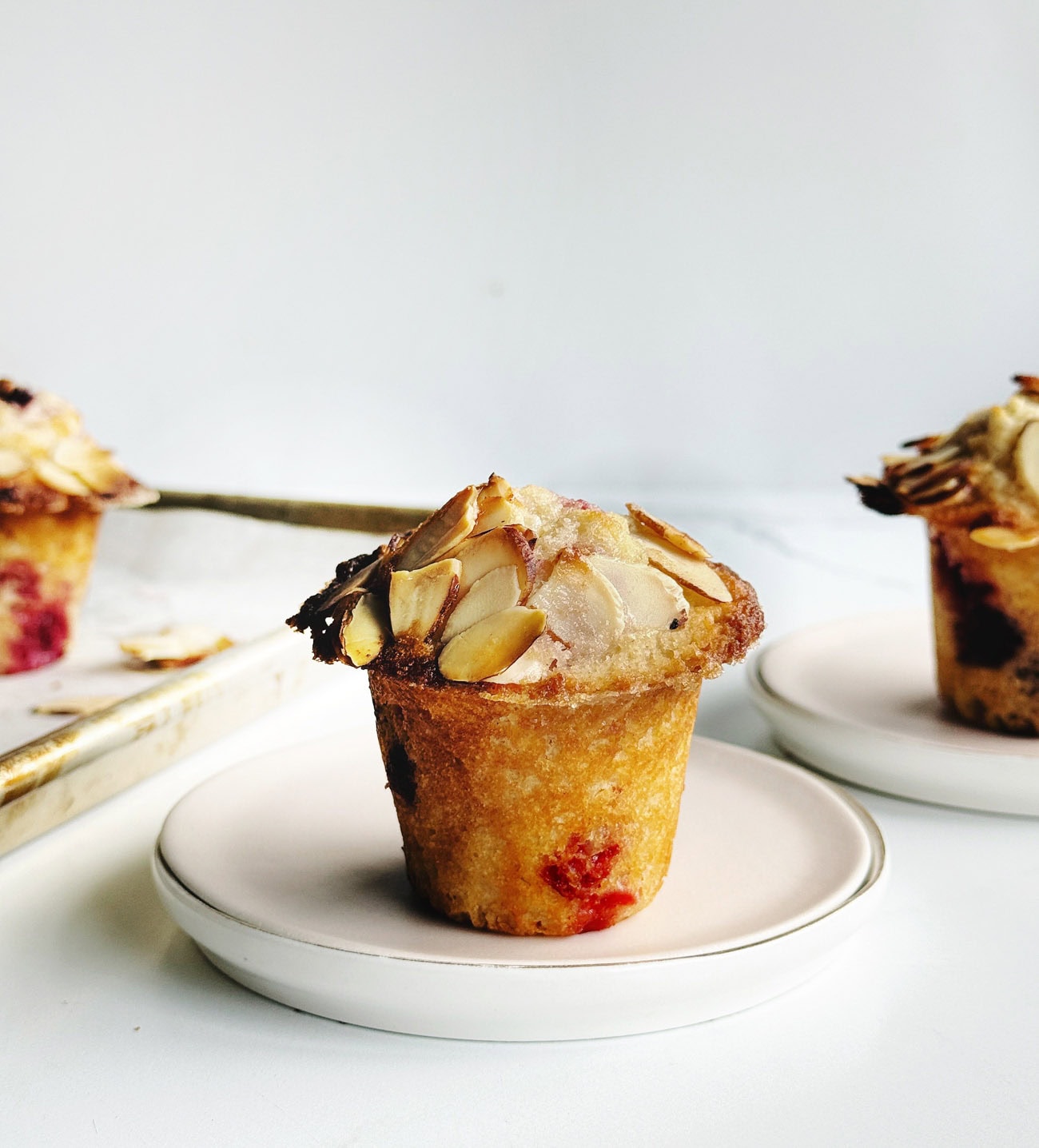
In recent years, home baking trends have shifted away from overly sweet, cake-like muffins toward lighter, structurally sound pastries featuring a tender crumb. Professional recipe developers have capitalized on this nostalgia by re-engineering classic commercial formulas. By substituting traditional all-purpose flour blends with integrated portions of almond flour, modern bakers can replicate the moisture retention and rich mouthfeel characteristic of high-end bakery items without sacrificing structural integrity.
The Science of Muffin Chemistry and Structural Integrity
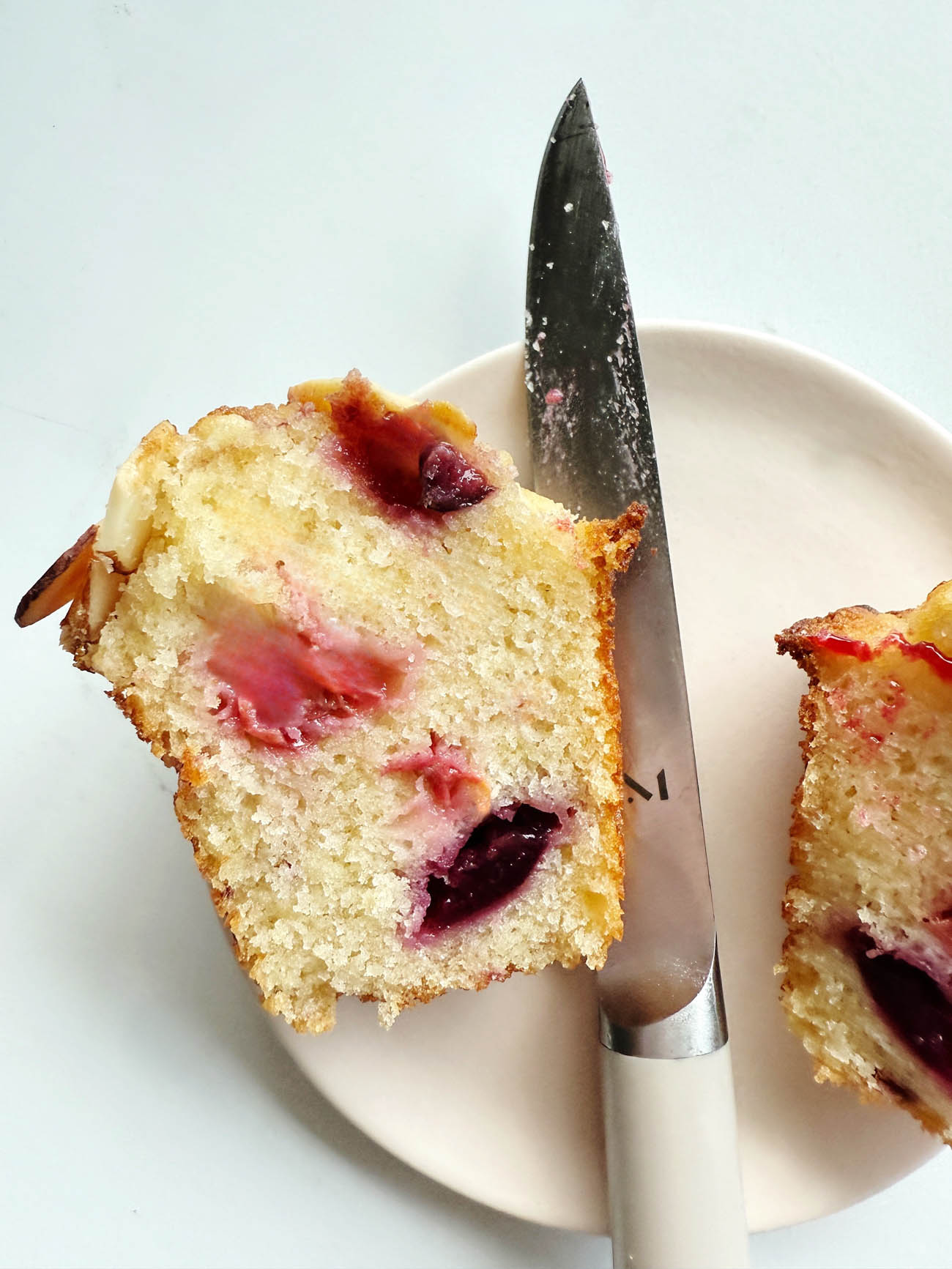
Achieving the ideal muffin texture requires a precise understanding of ingredient ratios and thermal dynamics within the home oven. Culinary tests indicate that incorporating almond flour into a base batter introduces natural fats and proteins that inhibit excessive gluten formation, resulting in a lighter, more delicate crumb. However, baking experts advise against substituting all-purpose flour entirely with almond flour, as the lack of structural gluten can cause the baked goods to collapse.
Furthermore, thermal consistency across different cookware brands remains a significant variable in home baking. Standardized testing of 12-cup aluminum muffin pans—such as those manufactured by Nordic Ware—reveals that variations in gauge thickness and thermal conductivity directly impact crown formation and browning. Professional bakers frequently recommend conducting a single-muffin test bake when utilizing new equipment to calibrate batter volume and prevent overspill.
Advanced Techniques for Optimal Muffin Architecture
Achieving the characteristic high-domed muffin top associated with commercial bakeries involves specific spatial and thermal strategies. Empirical testing in commercial and domestic kitchens suggests that leaving alternating cups empty in a standard 12-cup muffin tin facilitates superior heat circulation and allows batter to expand vertically without merging with adjacent pastries. This technique necessitates the use of multiple pans but yields a structurally superior product.
Alternative equipment has also gained traction among home enthusiasts. Utilizing dedicated popover pans, for instance, yields taller, more slender muffins with a distinct aesthetic profile. When experimenting with non-standard vessels, bakers must adjust batter distribution and incorporate secondary sheet pans on lower oven racks to manage potential overflow safely.
+-----------------------------------------------------------------+
|                    Muffin Pan Comparison Chart                  |
+---------------------+-------------------+-----------------------+
| Pan Type            | Thermal Behavior  | Structural Result     |
+---------------------+-------------------+-----------------------+
| Standard Aluminum   | Moderate/Even     | Traditional shape     |
+---------------------+-------------------+-----------------------+
| Heavy-Gauge Natural | High Conductivity | Crisp edges, high dome|
+---------------------+-------------------+-----------------------+
| Popover Pan         | Vertical Draft    | Tall, elegant profile |
+---------------------+-------------------+-----------------------+
Surface Preparation and Pan Release Protocols
The mechanics of pan release represent a critical phase in pastry preparation. Industry standards dictate that unlined metal pans require thorough greasing to prevent structural damage during extraction. Culinary professionals advocate for a methodical approach: applying softened butter via a pastry brush followed by a fine flour dusting, or utilizing commercial pan release sprays containing flour.
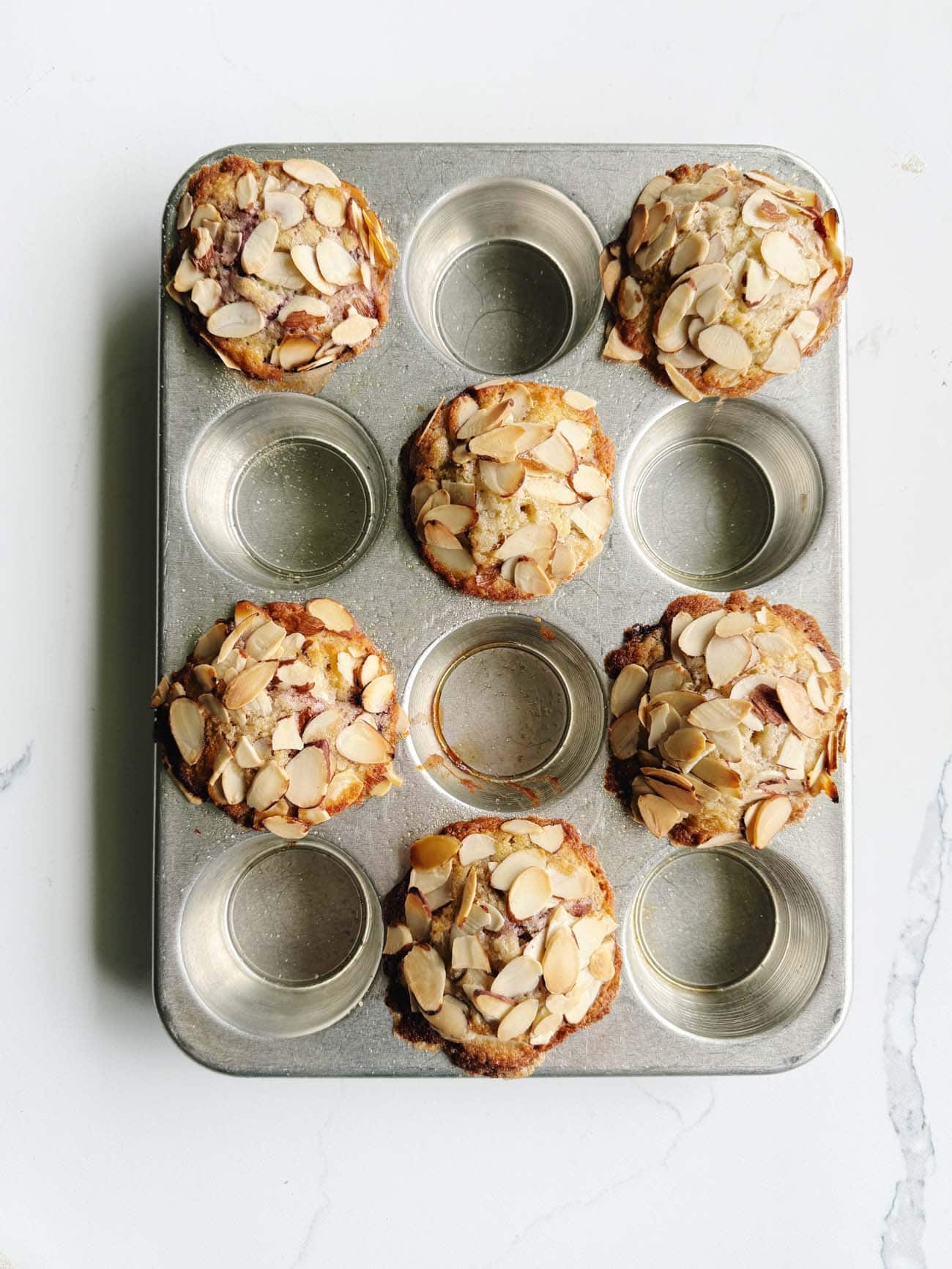
To prevent burnt residue during extended baking cycles, bakers often differentiate between interior cavity treatments and upper rim maintenance. Applying a floured spray exclusively to the wells while utilizing a non-floured spray on the top surface of the pan prevents flour from charring under high radiant heat.
Precision Measurement and Ingredient Standardization
Discrepancies in domestic baking outcomes are frequently traced to volumetric measurement inconsistencies. Culinary researchers emphasize that a single cup of all-purpose flour can vary significantly in weight depending on the packing method and regional milling practices. Standardizing recipes around a metric weight—specifically establishing one cup of unbleached all-purpose flour at approximately 142 grams—mitigates these variables.
Moreover, flour selection plays a deterministic role in final crumb structure. Protein content varies substantially across commercial flour brands; unbleached, medium-protein options such as Gold Medal all-purpose flour are frequently cited by recipe developers as providing the optimal balance for non-yeasted quick breads. Protein levels outside this optimal window can result in either dense, tough textures or structurally weak products prone to crumbling.
Consumer Preferences and Aesthetic Variations
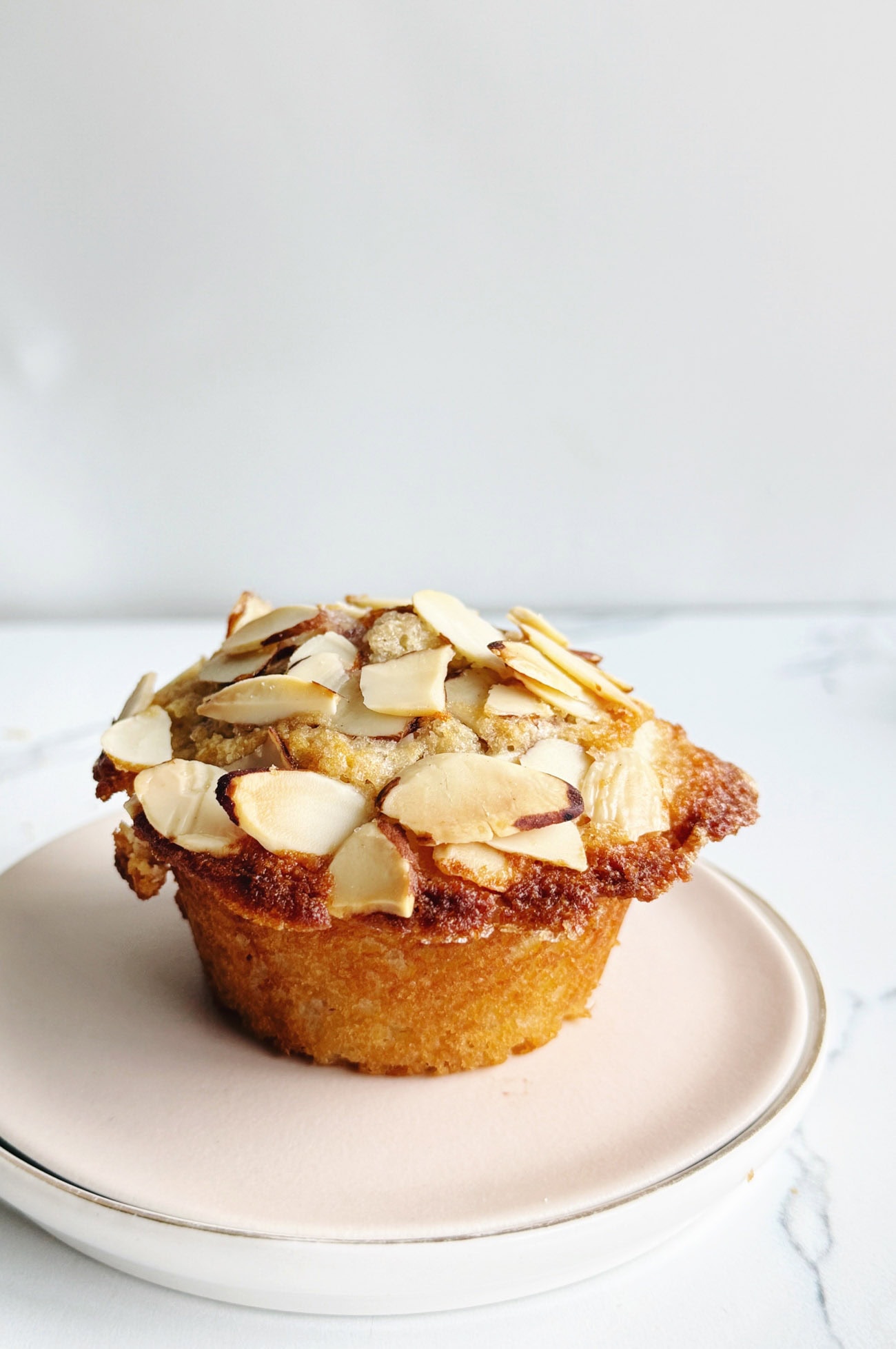
Modern culinary presentation often balances visual appeal against functional consumption. While decorative toppings, such as raw sliced almonds, enhance the finished aesthetic of cherry almond pastries, consumer feedback indicates a distinct polarization regarding texture. Biting into hard, toasted surface nuts can contrast sharply with the soft, moist interior crumb, prompting some bakers to substitute traditional crystal sugar coatings for a more uniform mouthfeel.
Broader Implications for the Baking Industry
The resurgence of nostalgic flavor profiles paired with rigorous, metric-based recipe development reflects a broader maturation of the home baking demographic. As consumers demand higher transparency regarding weights, measures, and equipment compatibility, culinary media has shifted toward technical precision. This evolution bridges the gap between commercial pastry arts and domestic kitchens, ensuring that classic combinations like cherry and almond continue to adapt to contemporary tastes and standards.