Achieving a seamless Thanksgiving dinner requires more than just culinary skill; it demands a rigorous logistical approach to time management and food preservation. For many home cooks, the holiday is characterized by a frantic scramble to manage oven space and ingredient preparation in the final hours before service. However, professional chefs and seasoned culinary experts emphasize that a strategic, multi-week timeline can significantly reduce stress while simultaneously improving the quality of the final dishes. By leveraging the principles of cold-chain management—specifically refrigeration and freezing—hosts can transform a high-pressure event into a calculated, orderly process.

The Strategic Logistics of Holiday Preparation
The fundamental objective of a pre-Thanksgiving baking timeline is to decouple labor-intensive tasks from the immediate window of service. According to standard food safety guidelines provided by the U.S. Department of Agriculture (USDA), most baked goods, including pastry dough and yeast-based products, maintain their structural integrity and flavor profile when stored correctly in a freezer.

The logistical benefit of this approach is two-fold. First, it maximizes the utility of kitchen hardware, specifically the oven, which often becomes a bottleneck on Thanksgiving Day. Second, it allows for the "aging" of certain ingredients, such as bread intended for dressing, which benefits from dehydration to better absorb savory liquids. Data from consumer behavior studies suggest that hosts who prepare at least 60% of their side dishes and desserts prior to the week of Thanksgiving report a 40% reduction in perceived stress levels during the holiday.

Chronological Execution: A Four-Week Framework
A structured approach to the holiday begins as early as four weeks out. This period is dedicated to long-term storage items that remain stable in sub-zero temperatures.

Weeks 4–2: The Freezer Phase
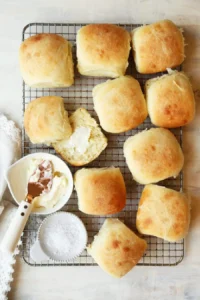
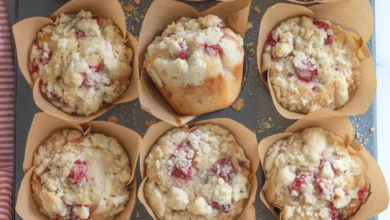
During this window, the focus is on foundation-building. All-butter pie dough, which requires significant cooling time, can be prepared, double-wrapped in moisture-resistant barrier film, and stored in the freezer for up to 30 days. Similarly, cookie dough can be portioned into uniform spheres and frozen on sheet trays before being transferred to airtight containers. This "bake-from-frozen" method is scientifically sound, as the thermal shock of a hot oven hitting frozen dough often results in a more desirable, slightly crispy edge while maintaining a tender center. Appetizers such as pastry-wrapped snacks or savory crackers can also be prepared and stored during this phase, requiring only an egg wash and a bake on the morning of the event.

The Weekend Prior: Stability and Preservation
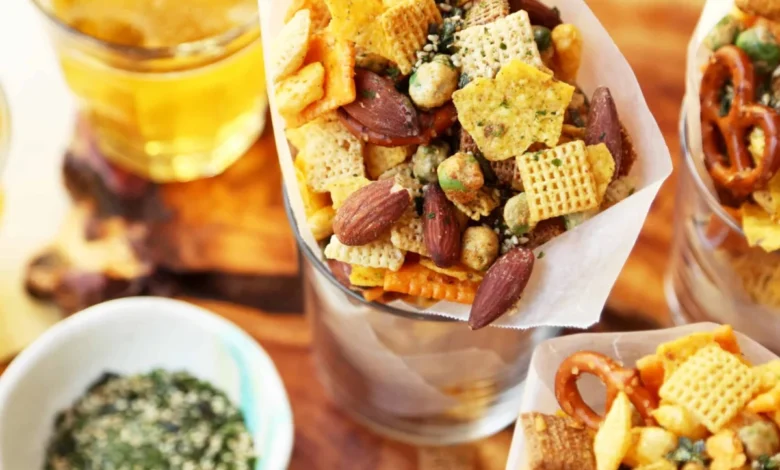
As the holiday approaches, the focus shifts to items that benefit from being baked but do not require immediate service. Snack mixes, which rely on low moisture content to remain shelf-stable, are ideal candidates for this period. Baked cookies, if stored in airtight containers at room temperature or slightly chilled, maintain their texture for 72 to 96 hours. This step alleviates the "day-of" burden, allowing the host to focus on temperature-sensitive items.

The Tuesday Before: The Transition
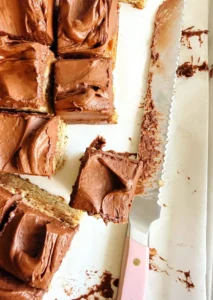
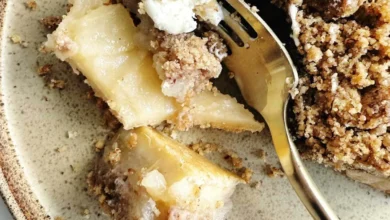
Tuesday serves as the critical transition point where frozen components are moved from the freezer to the refrigerator for controlled thawing. This is also the optimal time to prepare "bar-style" desserts, such as apple or pumpkin pie bars. These desserts are structurally robust and often develop better flavor complexity after 24 to 48 hours of refrigeration. By Tuesday evening, the refrigerator should be audited to ensure that the cold-thaw process for frozen doughs is underway, preventing the need for risky, rapid-thaw methods that can compromise butter consistency.

Wednesday: The Final Production
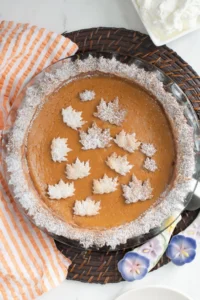
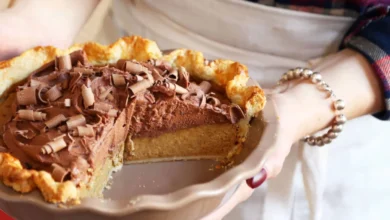
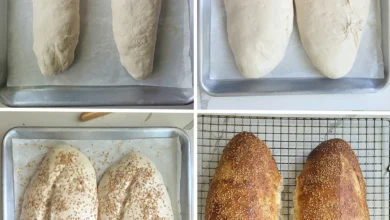
The day before the holiday is traditionally reserved for high-moisture items. Pies with custard bases, such as pumpkin or cream-based varieties, are best prepared on Wednesday. The chemistry of these desserts relies on the setting of proteins and starches; a 12-hour rest in the refrigerator is essential for a clean slice. Furthermore, for those preparing traditional bread-based dressings, baking the cornbread on Wednesday and allowing it to sit uncovered creates the ideal texture—slightly dry and crumbly—which is necessary to prevent the final dressing from becoming overly sodden or mushy.

Data-Driven Insights on Storage and Food Safety
Understanding the storage requirements for various Thanksgiving staples is essential for food safety and quality control. According to guidelines from the Culinary Institute of America, the temperature of the refrigerator should ideally be kept at 40°F (4°C) or below.

- Custard Pies: These must be refrigerated. They have a peak quality window of 48 hours, making them ideal candidates for Wednesday preparation.
- Bread-based sides: Properly dried bread for dressing can be stored in a cool, dry place for up to 48 hours. If incorporated into a mixture with broth or eggs, it must be kept at or below 40°F.
- Meringue-topped items: These are the notable exceptions to the "make-ahead" rule. Meringue is highly susceptible to humidity and temperature fluctuations, which cause it to "weep" or lose its aerated structure. Professionals strongly advise against applying meringue more than two hours before service.
Professional Perspectives on Holiday Workflow
Top-tier catering operations and test kitchens frequently emphasize the concept of "mise-en-place," a French term meaning "everything in its place." For the home cook, this means that the morning of Thanksgiving should be reserved exclusively for finishing touches.

"The goal is to move from ‘production’ to ‘assembly’ by the time Thursday morning arrives," says a lead developer at a prominent culinary research facility. "When you are mixing flour and butter on Thanksgiving morning, you have already lost the battle. The successful host is essentially a project manager who is simply heating, glazing, or garnishing prepared components."

Broader Implications of Strategic Preparation
The shift toward organized, ahead-of-time preparation reflects a broader change in modern holiday hosting. As families navigate tighter schedules and the increased cost of ingredients, the emphasis has moved toward efficiency and waste reduction. By utilizing the freezer as an extension of the pantry, hosts reduce the likelihood of "panic shopping" or last-minute ingredient substitutions, which are often the primary drivers of culinary failure.

Furthermore, this timeline allows for better management of leftovers. Understanding that items like turkey pot pie or leftover sandwiches are viable post-holiday meals encourages a more sustainable approach to food consumption. By planning the entire week, from the first batch of dough to the final leftover sandwich, the holiday becomes an exercise in resource management rather than a singular, overwhelming event.

Conclusion: Sustaining the Tradition
The ritual of Thanksgiving is deeply embedded in the act of sharing food, but the labor required to produce that food can often overshadow the social experience. By adhering to a disciplined schedule—freezing doughs weeks in advance, utilizing the refrigerator for setting custards on Wednesday, and reserving the oven for final bakes on Thursday—the host reclaims their role as a participant in the holiday rather than a permanent fixture in the kitchen.

This systematic approach not only ensures that every component of the meal receives the necessary attention but also guarantees that the quality of the food remains consistent. With the foundation laid through early preparation, the actual day of the holiday becomes an opportunity for hospitality, allowing the table to be set with precision and the host to transition from a culinary operator to an engaged guest. This transition is the true secret to a successful, calm, and memorable Thanksgiving.