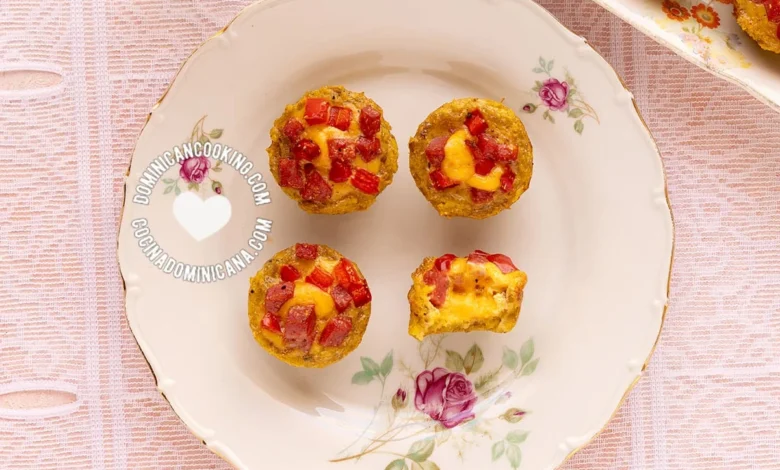
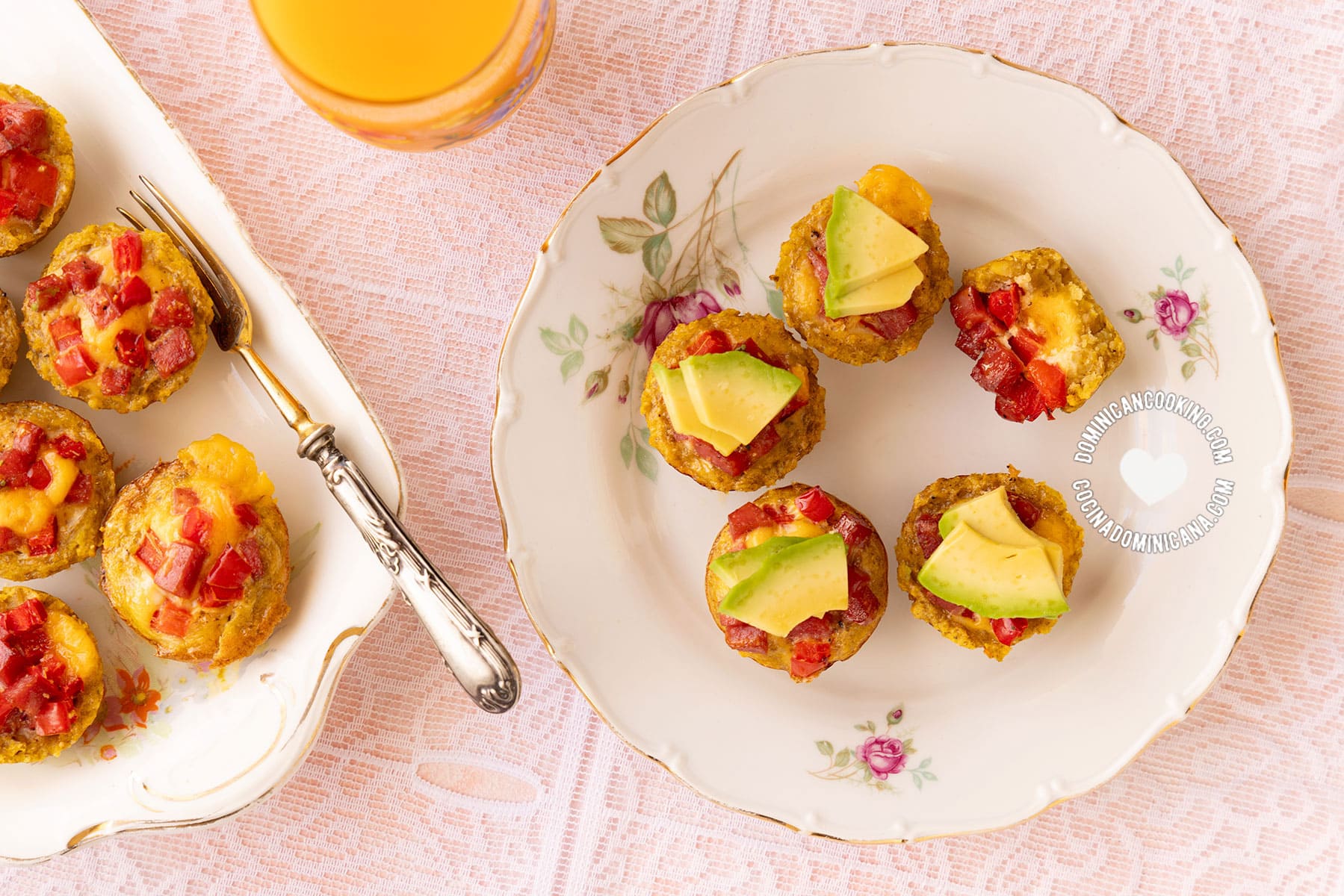
The global culinary landscape has witnessed a significant surge in the popularity of Caribbean gastronomy, with plantains emerging as a versatile staple in modern fusion and traditional diaspora cooking. Among the latest culinary innovations capturing the attention of food enthusiasts and caterers alike is the introduction of plantain-based brunch and party bites. Adapted from the beloved Dominican Republic breakfast classic known as mangú, these bite-sized appetizers combine the rich, savory flavors of authentic Caribbean cuisine with contemporary presentation standards suited for upscale buffets, cocktail parties, and weekend brunches.
Background and Cultural Context of Mangú
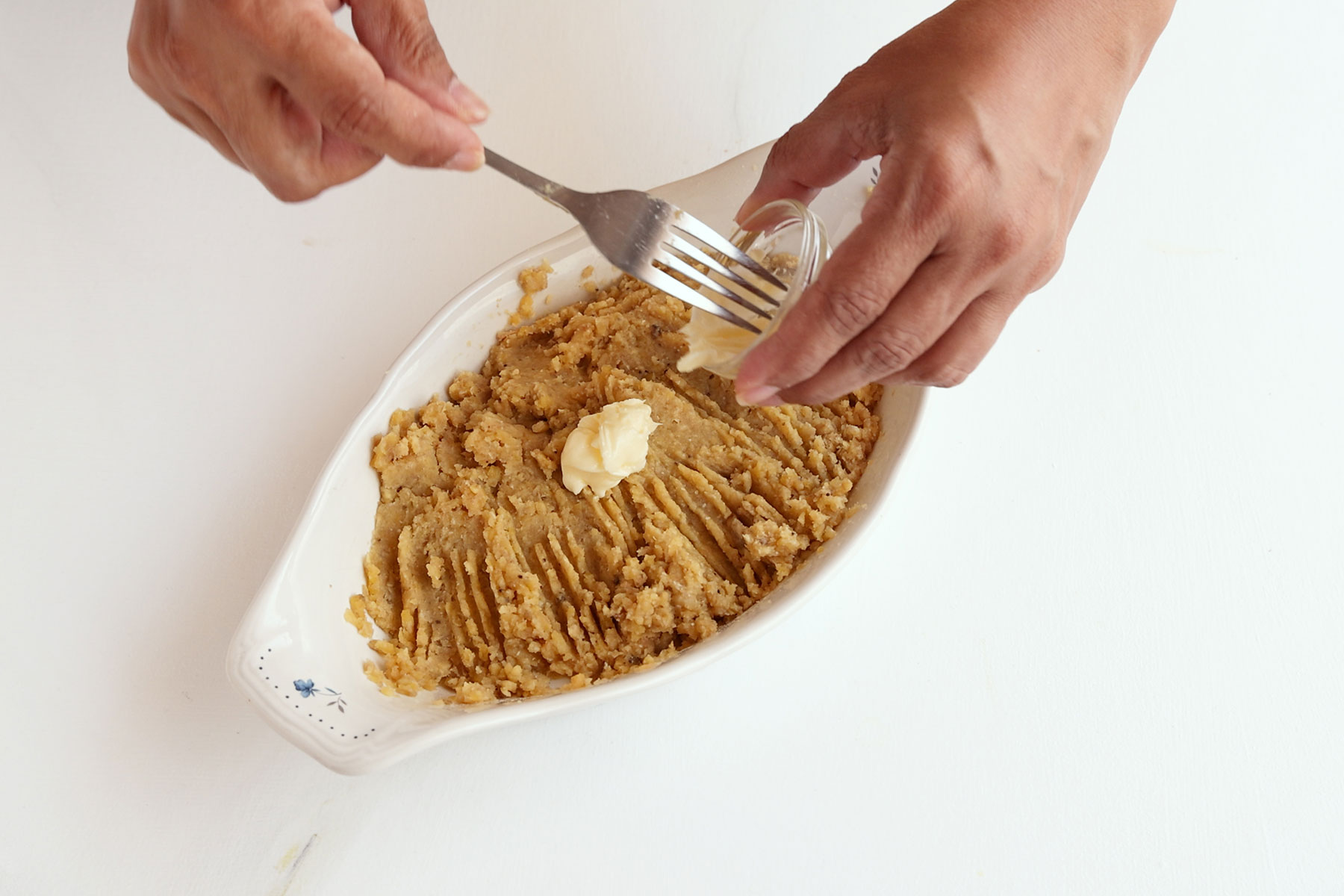
To understand the cultural significance of plantain breakfast bites, one must examine the origins of mangú, a foundational dish within Dominican cuisine. Traditionally prepared by boiling green plantains and mashing them with butter, oil, or warm water—often accompanied by a splash of cooking liquid to achieve a smooth, velvety consistency—mangú has long served as the centerpiece of the Dominican breakfast table.

Historically, mangú is most famously served as part of Los Tres Golpes (The Three Hits), a hearty breakfast platter that includes fried salami, fried cheese (queso frito), and scrambled or fried eggs, frequently garnished with pickled red onions and paired with sliced avocado. This nutrient-dense meal was designed to provide laborers and families with sustained energy throughout the day. In recent decades, as Caribbean cuisine gained broader international visibility, home cooks and professional chefs alike began experimenting with ways to translate these traditional flavors into formats more compatible with modern entertaining, leading to the creation of bite-sized, finger-food iterations such as plantain cups and baked appetizers.
Nutritional Profile and Culinary Composition
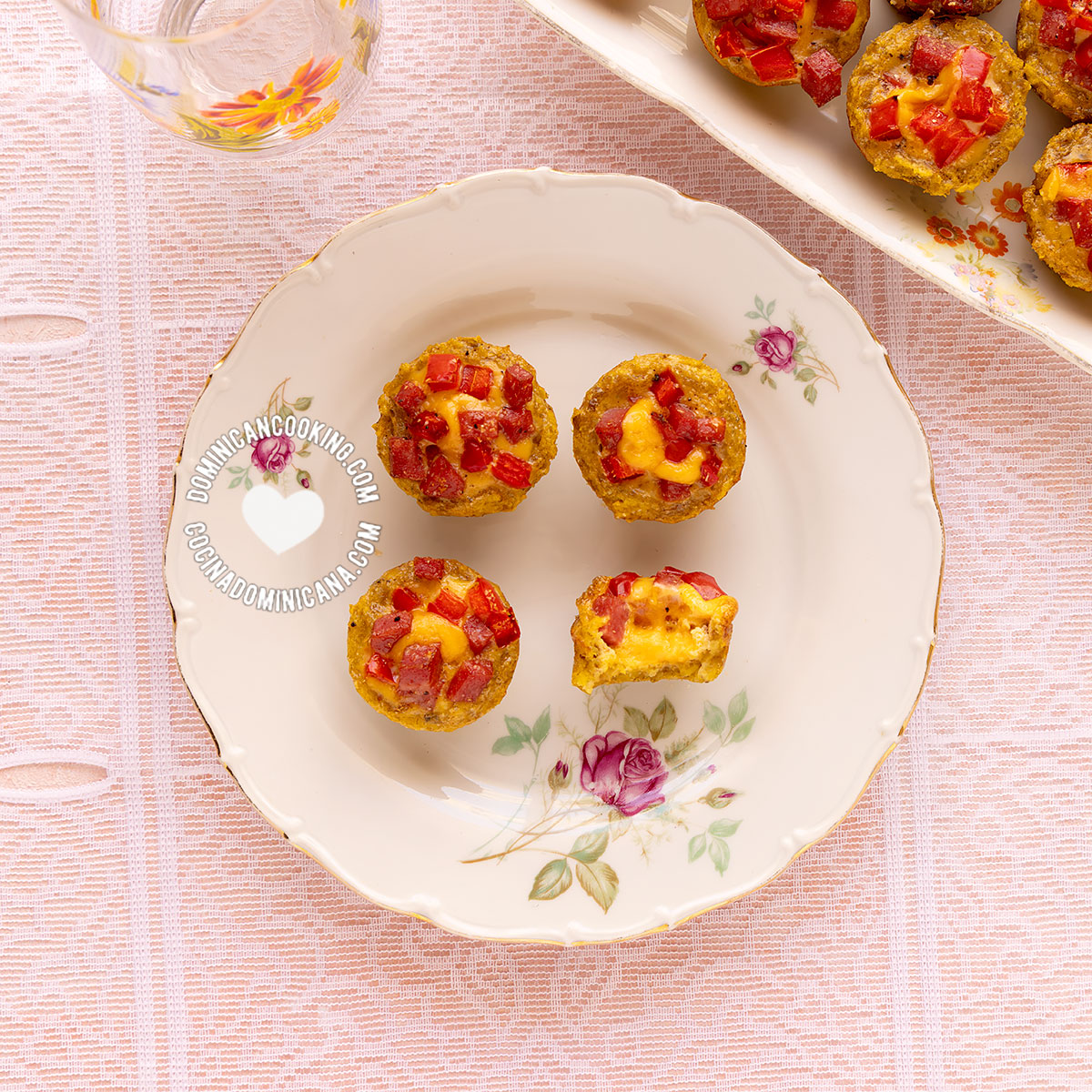
From a nutritional standpoint, plantains offer a complex carbohydrate profile distinct from standard potatoes or wheat-based pastries. A typical serving of these plantain bites—calculated at approximately four pieces per person—yields roughly 257 kilocalories, 21 grams of carbohydrates, 6 grams of protein, and 17 grams of fat, of which 4 grams are saturated fat. Additionally, the dish provides essential micronutrients, including potassium, dietary fiber, vitamin A, and vitamin C, derived primarily from the core ingredients of green plantains, eggs, and complementary savory fillings.
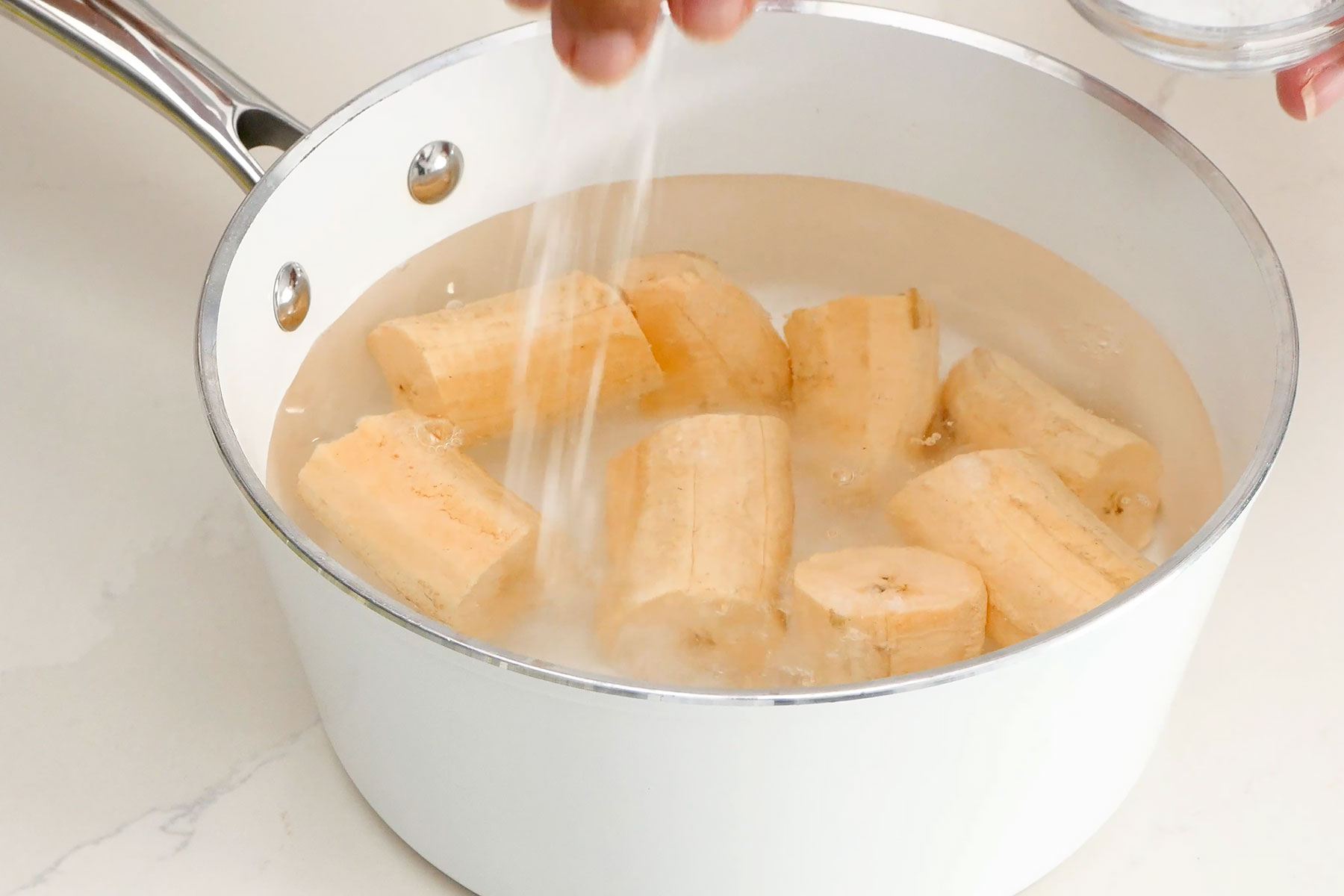
The preparation process bridges traditional mashing techniques with modern baking methods. Rather than deep-frying, which is common for many Caribbean plantain snacks like tostones, these brunch bites utilize a baked format to reduce excess oil while maintaining a structurally sound vessel for various fillings. The standard timeline for preparation and cooking requires approximately 35 minutes total: five minutes dedicated to prep work—such as peeling and boiling the green plantains—and thirty minutes allocated for boiling, mashing, forming the bite-sized cups, incorporating the egg and savory mixtures, and baking until golden.
Evolution of Brunch Culture and Finger Foods
The rise of the plantain bite coincides with a broader shift in global dining habits, specifically the institutionalization of weekend brunch as a cultural and economic phenomenon. Over the past twenty years, brunch has transitioned from a leisurely weekend meal into a vibrant culinary sector characterized by menu innovation and cross-cultural fusion.
In urban centers with significant Caribbean diaspora populations—such as New York City, Miami, and Boston—traditional breakfast items are increasingly being reimagined as artisanal finger foods. Party planners and caterers favor items like plantain cups because they offer both structural durability and a high flavor yield, making them ideal for standing receptions, potlucks (fiestas de traje), and multi-course breakfast buffets. Culinary analysts note that this trend reflects a wider consumer demand for authentic ethnic flavors presented in accessible, contemporary formats.
Preparation Methodology and Standardized Recipe Parameters
For culinary practitioners and home cooks seeking to replicate these authentic Caribbean flavors, the standardization of the recipe ensures consistent results across various settings. The process begins by boiling peeled green plantains until tender, followed by thorough mashing to eliminate lumps and achieve the signature smooth texture characteristic of fine mangú.
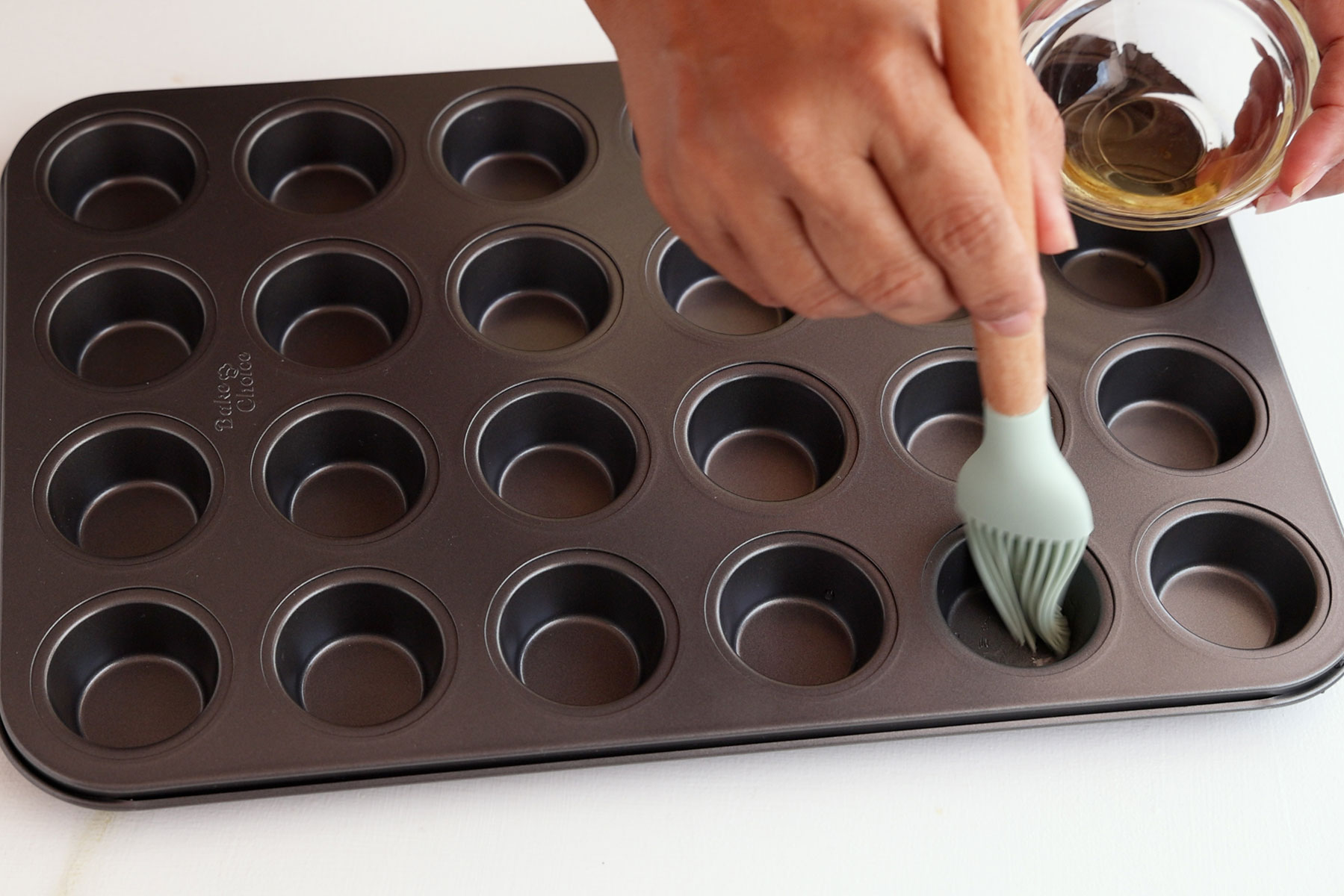
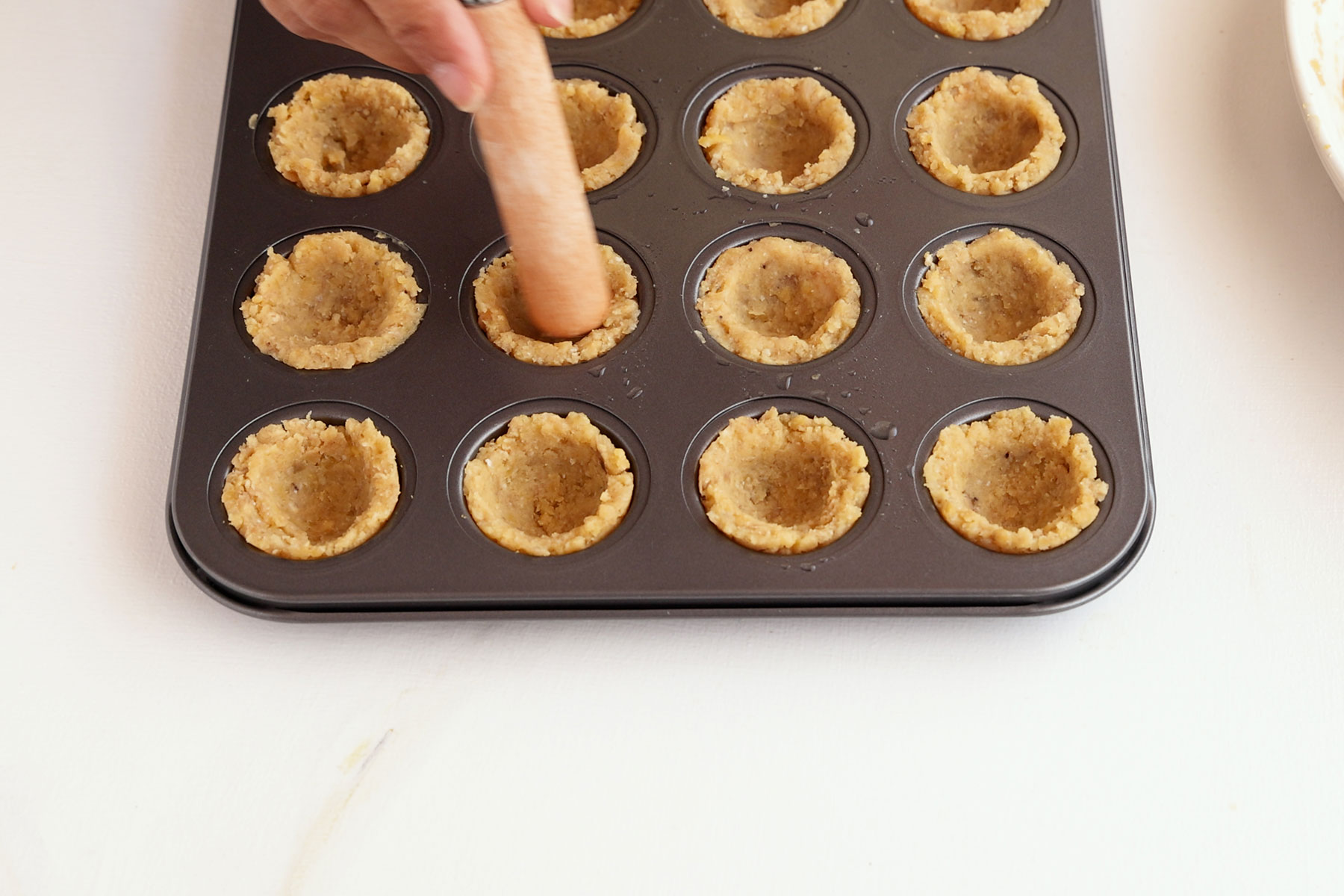
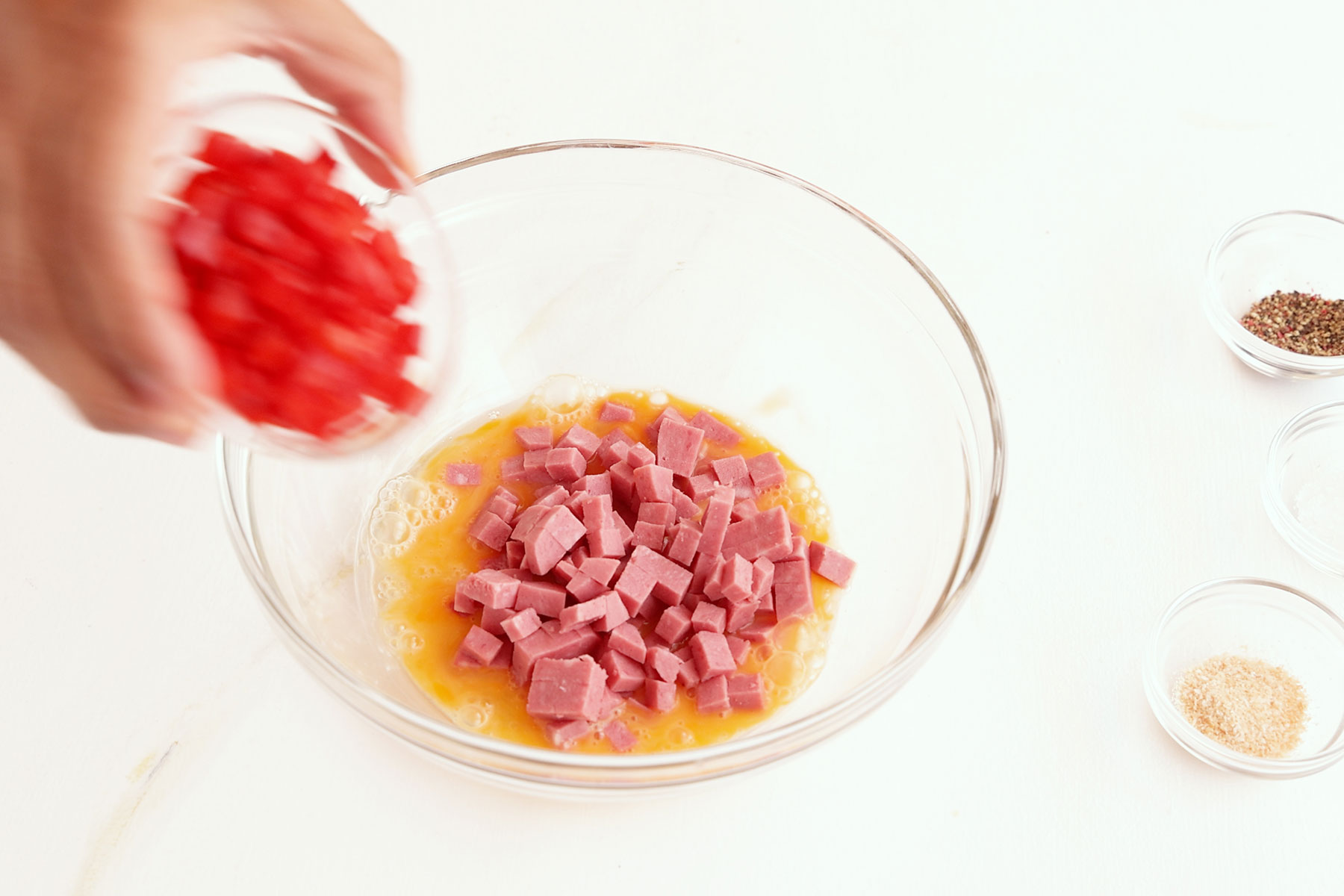
Once mashed, the warm plantain mixture is shaped into miniature cups using greased muffin tins or specialized pastry molds, allowing the starch content to naturally bind the structure together during a brief pre-bake phase. A savory filling—typically incorporating beaten eggs, herbs, and optional protein elements reminiscent of traditional breakfast accompaniments—is then poured or spooned into each plantain cup. The assembly is returned to the oven to bake at a controlled temperature until the egg mixture is fully set and the edges of the plantain cups achieve a crisp exterior.
Broader Economic and Cultural Implications
The growing commercial and domestic interest in Caribbean ingredients like plantains points to a larger economic shift within the specialty food and agriculture sectors. As international demand for tropical produce increases, agricultural supply chains are adapting to ensure a steady export of green and ripe plantains to non-tropical markets. This growth supports agricultural economies in Central America, South America, and the Caribbean islands, while simultaneously expanding the inventory of specialty grocers and mainstream supermarkets alike.
Furthermore, culinary historians emphasize that the adaptation of traditional dishes into modern party fare plays a vital role in cultural preservation. By introducing second- and third-generation diaspora members—as well as a broader multicultural audience—to foundational flavors through approachable formats like finger foods, culinary traditions are kept alive and relevant in rapidly changing global societies. Whether served at a formal reception, a casual backyard gathering, or a family holiday celebration, these plantain-based innovations demonstrate the enduring adaptability and universal appeal of Caribbean cuisine.