The intersection of traditional Mexican confectionery and contemporary viral food culture has recently produced a distinctive snack phenomenon known as boozy grapes, or uvas entequiladas. While macerated fruit has long been a staple in global mixology and dessert preparation, the specific combination of green grapes, silver tequila, chamoy, and chili-lime seasoning has gained significant traction across digital social platforms, evolving from a niche DIY project into a recognized trend in modern culinary circles.
Origins and Cultural Context
The popularity of tequila-infused grapes can be traced back to the broader movement of "chamoy-fication"—the practice of applying the salty, sweet, and sour pickled fruit sauce to a vast array of snacks, ranging from gummy candies to fresh fruit and frozen beverages. While the practice of soaking fruit in spirits is an established culinary technique, the specific adaptation involving chamoy is rooted in Mexican street food traditions, where the balance of picante (spicy), salado (salty), and ácido (acidic) flavor profiles is paramount.
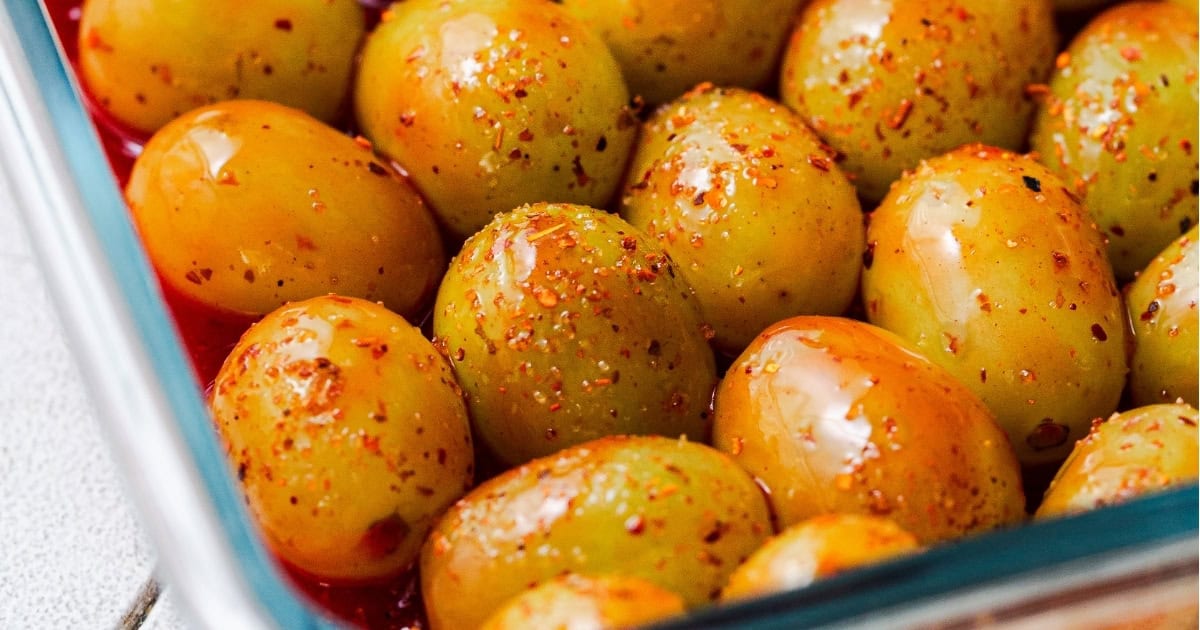
Industry observers note that the viral spread of this recipe was catalyzed by Mexican food content creators on platforms such as TikTok. By demonstrating the tactile process of piercing grape skins to facilitate absorption and the subsequent coating in Tajín—a dehydrated chili-lime condiment—these creators bridged the gap between traditional Mexican street snacks and the modern, experimental home-cooking trend.
Technical Preparation and Methodology
The methodology behind creating these snacks requires a precise approach to ensure flavor integration. According to culinary standards for fruit-based infusions, the grape skin acts as a natural barrier. Consequently, the preparation process mandates the creation of micro-perforations in the fruit. By utilizing a toothpick or a small fork to pierce the epidermis of the green grapes, the internal pulp is exposed to the silver tequila, allowing for osmotic pressure to draw the alcohol into the fruit over a period of four to twenty-four hours.
From a culinary chemistry perspective, the silver tequila—chosen for its crisp, agave-forward profile—complements the inherent sweetness of the green grapes. Following the maceration phase, the straining of the liquid and the application of chamoy serve to introduce a secondary, viscous layer of flavor. The final dusting of chili-lime seasoning provides a granular texture and a complex spice profile that rounds out the palate, providing a stark contrast to the chilled, alcohol-saturated fruit.

Market Implications and Culinary Trends
The emergence of this snack reflects a broader shift in consumer behavior toward "hybrid" snacking. Data from the food and beverage industry suggests that consumers are increasingly seeking snacks that offer multi-sensory experiences—specifically those that combine varying textures and conflicting flavor profiles.
The low barrier to entry for this recipe has contributed to its ubiquity at social gatherings and summer events. Because the ingredients—green grapes, tequila, chamoy, and chili-lime seasoning—are widely available at major retailers, the barrier to adoption remains low, allowing for rapid replication across different demographics. Furthermore, the ability to customize the intensity of the flavor profile, such as the addition of sweeteners like agave or honey for under-ripe fruit, allows for a high degree of culinary flexibility.
Nutritional Considerations
While these snacks are often categorized as a light, refreshing alternative to heavy desserts, they remain a processed, alcohol-infused product. Standard serving portions (roughly one cup) typically contain approximately 40 to 50 calories, with sugar content primarily derived from the fructose found in the grapes. However, the addition of chamoy and commercial seasoning blends can introduce sodium, which, while minimal per serving, is a factor to consider for those monitoring their dietary intake.

Experts in the field of dietetics emphasize that while fruit provides necessary vitamins and minerals, the alcohol content necessitates moderate consumption. Because the grapes are physically saturated with tequila, the alcohol-to-volume ratio can be deceptive, leading to higher consumption than one might expect with a traditional cocktail or standard fruit snack.
Chronology of the Trend
The trajectory of the boozy grape trend followed a rapid growth pattern:
- Initial Phase (2025): The concept surfaced in regional Mexican food circles and gained moderate visibility through niche food blogs and localized social media accounts.
- Expansion Phase (Early 2026): Influencers on platforms like TikTok and Instagram began standardized video tutorials, resulting in a surge of user-generated content.
- Mainstream Adoption (Late 2026): The recipe began appearing in lifestyle publications and event planning guides, cementing its status as a staple for informal hosting.
Expert Analysis of the Phenomenon
Food scientists and culinary historians view this trend as a manifestation of "flavor fusion." The success of the boozy grape is largely attributed to the contrast between the refreshing, cold nature of the grape and the sharp, bold, and slightly abrasive quality of the chamoy-chili coating.

"This is not merely a recipe; it is a sensory exercise," notes a consultant in the culinary arts. "The reason it persists is that it satisfies a craving for something that is simultaneously an appetizer, a cocktail component, and a snack. The chemistry is sound: the acid in the lime cuts the fat of the chamoy, while the tequila provides a clean, neutral alcohol base that does not overpower the fruit’s natural acidity."
Future Outlook
As the trend continues to evolve, variations are already appearing in the market. Some practitioners are experimenting with different spirit bases, such as mezcal for a smoky undertone, or vodka for a more neutral infusion. Others are exploring the use of frozen grapes to create a sorbet-like consistency, which helps to mitigate the soft texture that often occurs after a long soak in alcohol.
Whether this trend will maintain its current momentum or eventually settle into the canon of traditional party snacks remains to be seen. However, its current prominence underscores the power of social media to elevate traditional culinary techniques and transform them into global sensations. For now, the boozy grape remains a testament to the enduring appeal of the sweet-salty-spicy triad that defines much of modern, globally-influenced snack culture.
Related posts: