Morisqueta, a cherished comfort food originating from the state of Michoacán, Mexico, embodies the essence of traditional Mexican home cooking. This deceptively simple dish, built upon layers of fluffy white rice, creamy pinto beans, and succulent pork ribs simmered in a rich, roasted salsa, offers a profound depth of flavor that speaks to generations of culinary tradition. While its presentation may appear straightforward, the intricate balance of textures and tastes elevates morisqueta to a truly satisfying meal, representative of the warmth and generosity of Michoacán’s gastronomy.
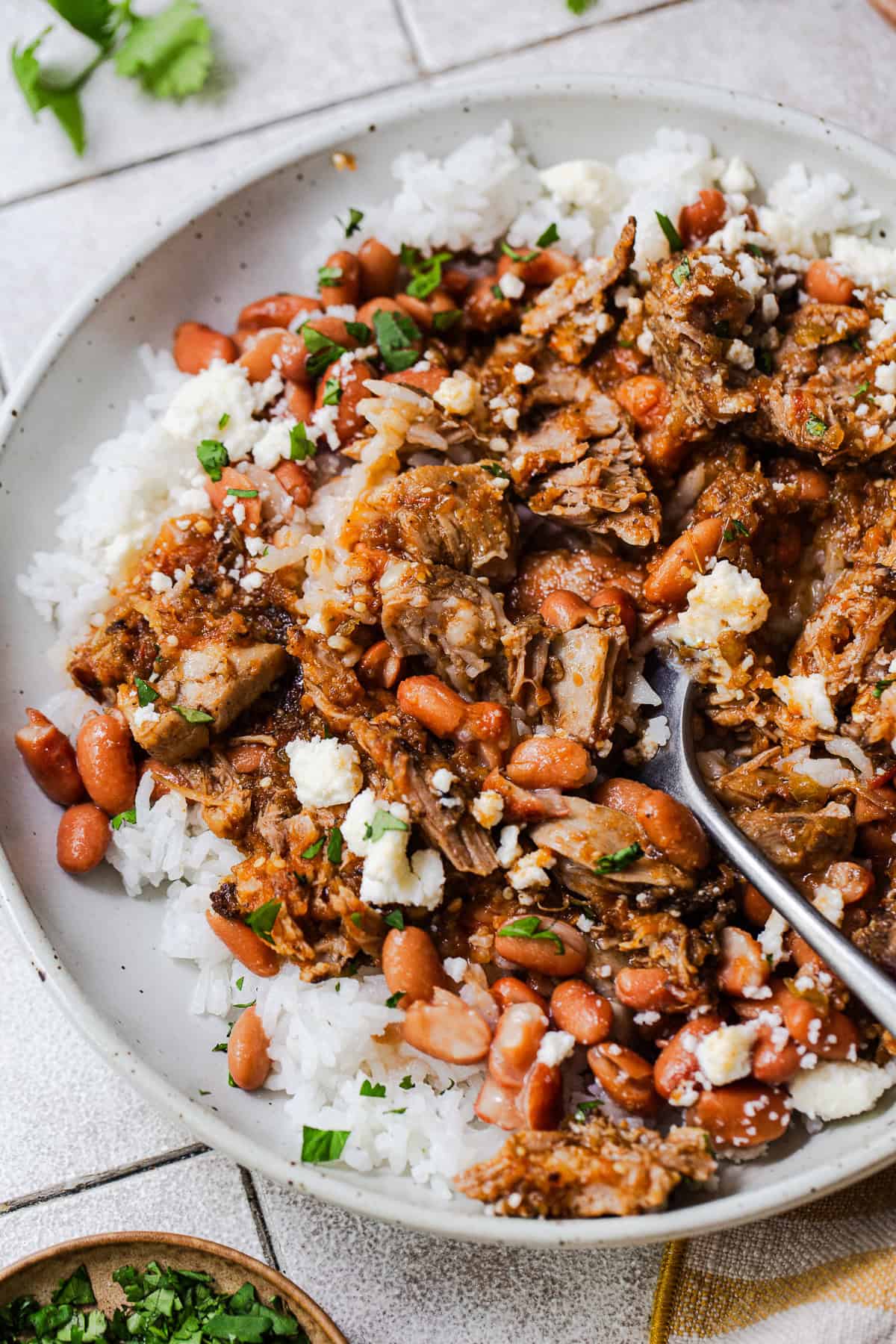
The origins of morisqueta are rooted in the resourceful and flavorful cooking traditions of rural Mexico. While the exact historical genesis is difficult to pinpoint, its development is closely tied to the readily available ingredients and the need for nourishing, economical meals. The state of Michoacán, known for its diverse agricultural landscape and vibrant indigenous cultures, has long been a cradle of Mexican culinary innovation. Morisqueta, particularly the version featuring pork ribs, showcases the region’s mastery in slow-cooking techniques and the artful use of roasted ingredients to create complex flavor profiles.
A notable aspect of morisqueta is its adaptability, with variations that cater to different dietary preferences. While the pork rib rendition is arguably the most popular and widely recognized, a traditional vegetarian version exists, highlighting the dish’s core components of rice, beans, and salsa. This vegetarian iteration can be further enhanced with the inclusion of panela cheese, cubed and gently cooked in the salsa, providing a different textural and savory dimension. This flexibility underscores the dish’s role as a communal and inclusive meal, adaptable to various circumstances and tastes.
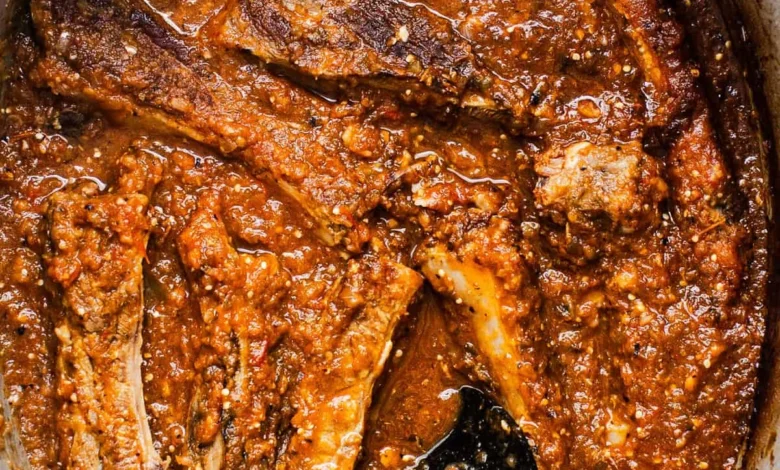
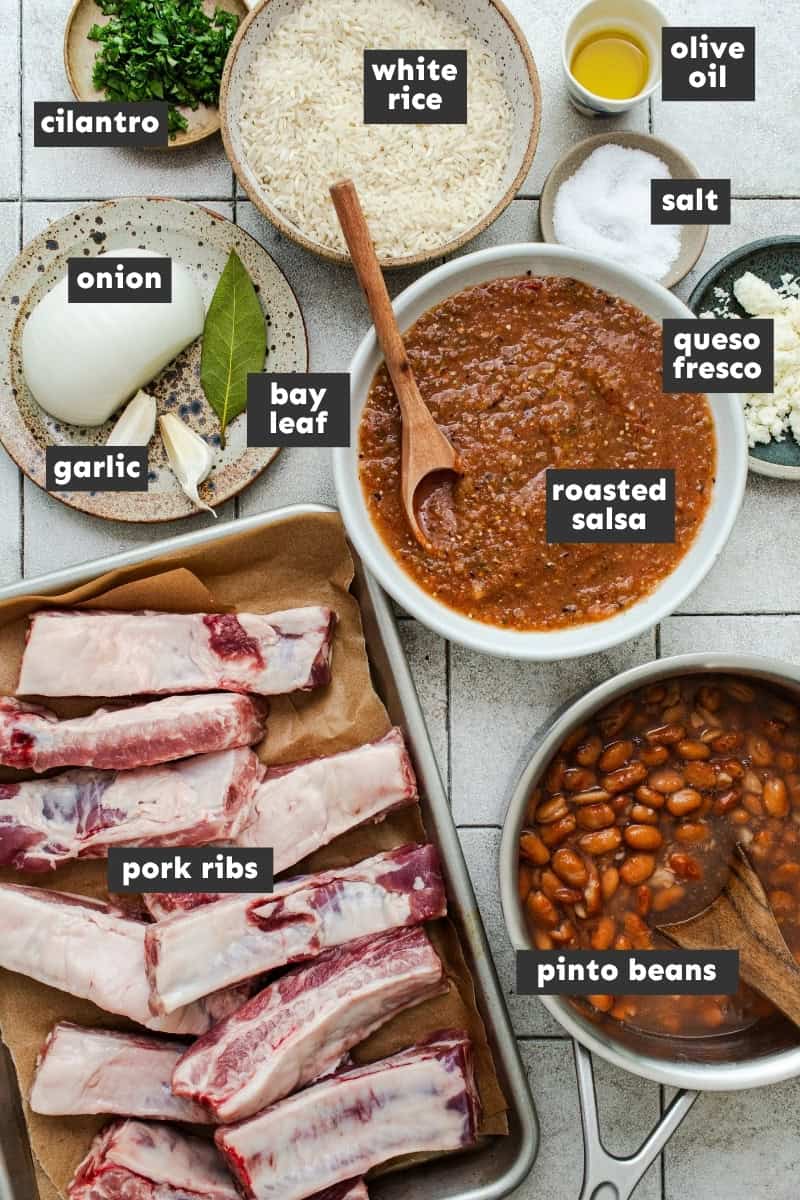
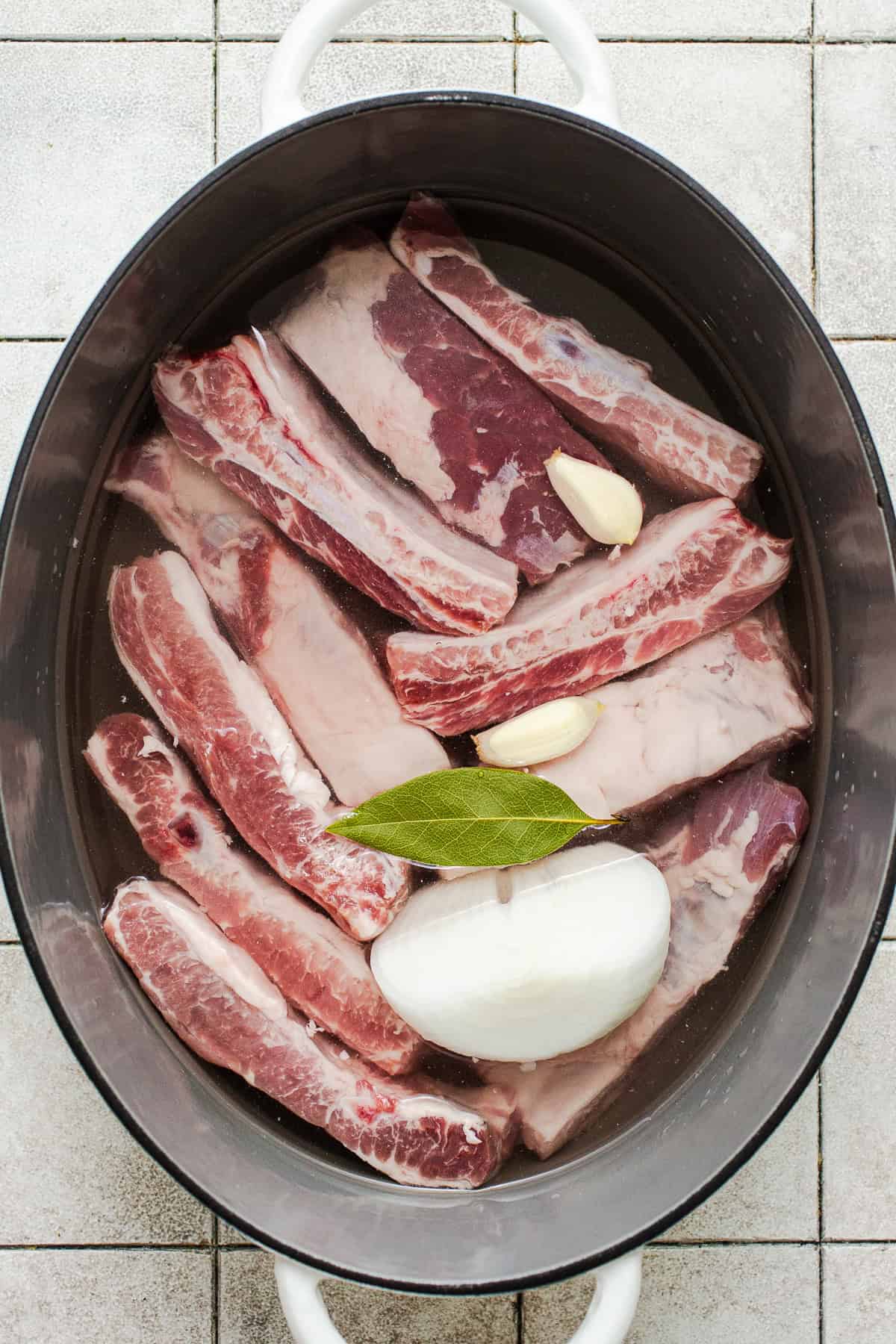
The preparation of morisqueta is a labor of love, beginning with the pork ribs. The process typically involves simmering the ribs in water with aromatics such as onion, garlic, and a bay leaf. This initial simmering stage tenderizes the meat, rendering it fall-apart tender and preparing it for the subsequent frying process. As the water evaporates, the ribs begin to fry in their own rendered fat, developing a rich, caramelized crust. This crucial step adds a layer of savory depth and a satisfying textural contrast to the final dish.
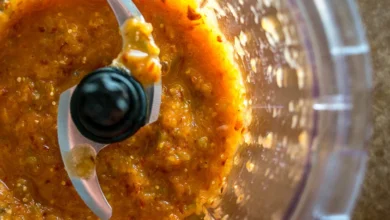
Concurrently, the foundation of morisqueta’s distinctive salsa is laid through the roasting of its key ingredients. Tomatoes, tomatillos, jalapeños, onion, garlic, and often chile de árbol for a touch of heat, are charred on a comal, over an open flame, or under a broiler. This charring process imparts a smoky, complex flavor to the vegetables, which are then blended until mostly smooth. The addition of water and salt balances the intensity, creating a vibrant and aromatic salsa that is integral to the dish’s character. The salsa’s preparation is a testament to the Mexican culinary principle of transforming simple ingredients into something extraordinary through careful cooking techniques.

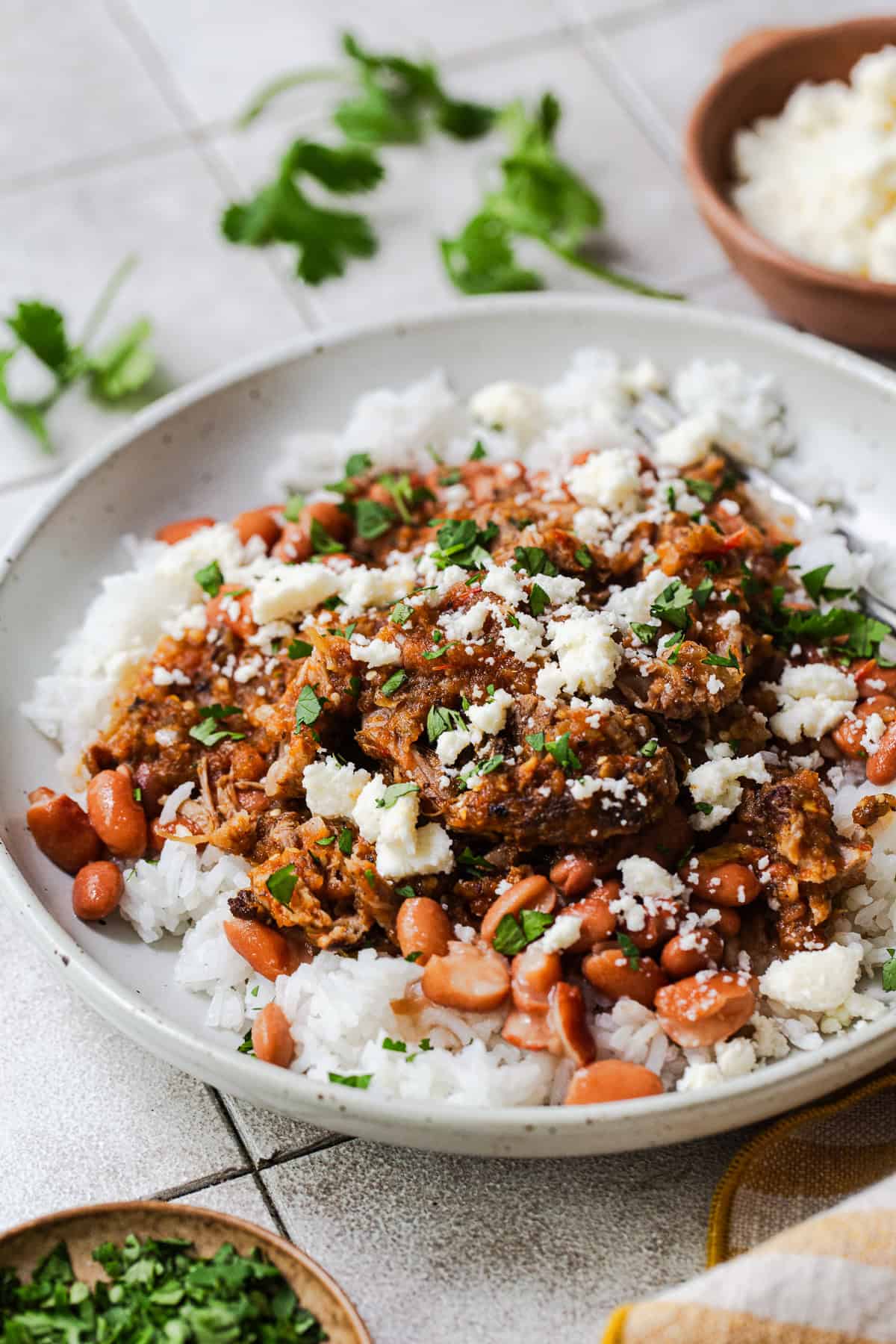
The final assembly of morisqueta is a layered art form. A generous base of fluffy white rice is typically placed in a bowl, acting as a canvas to absorb the rich flavors of the salsa. This is followed by a layer of creamy pinto beans, providing a smooth, earthy counterpoint. The star of the dish, the tender, salsa-coated pork ribs, are then arranged on top, often with an extra spoonful or two of the flavorful salsa. Garnishes such as crumbled queso fresco, fresh cilantro, and a drizzle of crema can further enhance the dish, adding freshness and a creamy finish. The entire creation is often served with warm corn tortillas, flour tortillas, or crusty bolillo bread, perfect for soaking up any remaining salsa.
The culinary journey of morisqueta is not merely about the ingredients but also about the experience it fosters. It is a dish that evokes feelings of home, family, and comfort. Isabel Orozco-Moore, a culinary enthusiast and blogger, recounts her introduction to morisqueta, noting its immediate resonance with other beloved Mexican dishes like chile colorado and chile verde. While not a dish from her parents’ hometown, the visual and conceptual appeal of morisqueta prompted her to recreate it, a testament to its universal appeal and the inherent connection it holds to the broader spectrum of Mexican cuisine. She highlights the "fall-apart tender" pork ribs and the "juicy pork ribs with an extra spoonful (or two) of salsa on top" as key elements contributing to its comforting nature.
The typical serving size for morisqueta is estimated to yield approximately six servings, with each serving containing around 573 calories. The nutritional breakdown reveals a balanced profile, with approximately 64 grams of carbohydrates, 31 grams of protein, and 21 grams of fat. This substantial nutritional content makes morisqueta a filling and satisfying meal, capable of providing sustained energy. The dish also contributes valuable micronutrients, including Vitamin A, Vitamin C, calcium, and iron, reflecting the wholesome nature of its core ingredients.
Morisqueta’s storage and reheating instructions emphasize the importance of preserving the integrity of its individual components. It is recommended to store the rice, beans, and pork separately in airtight containers in the refrigerator. The rice typically maintains its quality for up to four days, while the beans and pork can be stored for up to five days. Reheating can be accomplished by assembling the dish and microwaving it for one to two minutes until warmed through, or by gently reheating the pork and salsa in a skillet over low heat. This approach ensures that each element retains its optimal texture and flavor.
The enduring popularity of morisqueta can be attributed to its ability to encapsulate the spirit of Mexican hospitality and culinary tradition. It is a dish that can be shared amongst family and friends, fostering a sense of community and connection. Its robust flavors, comforting textures, and adaptable nature have cemented its place as a beloved staple in the culinary landscape of Michoacán and beyond. As a dish that bridges generations and celebrates the bounty of the land, morisqueta continues to offer a delicious and authentic taste of Mexico’s rich cultural heritage.
Related posts: