The Cultural Significance and Origins of Flan
Flan, a custard dessert defined by its signature caramel topping and smooth consistency, has deep roots in European history. The dish traces its origins back to the Roman Empire, where the preparation of savory custards using eggs was a common practice. Over centuries, the recipe underwent a transition from savory to sweet, gaining widespread popularity in Spain. When Spanish explorers and settlers arrived in the Americas, they brought these culinary traditions with them, introducing the techniques of caramelization and egg-based thickening to local populations.
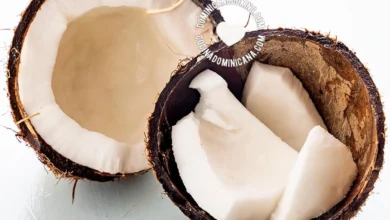
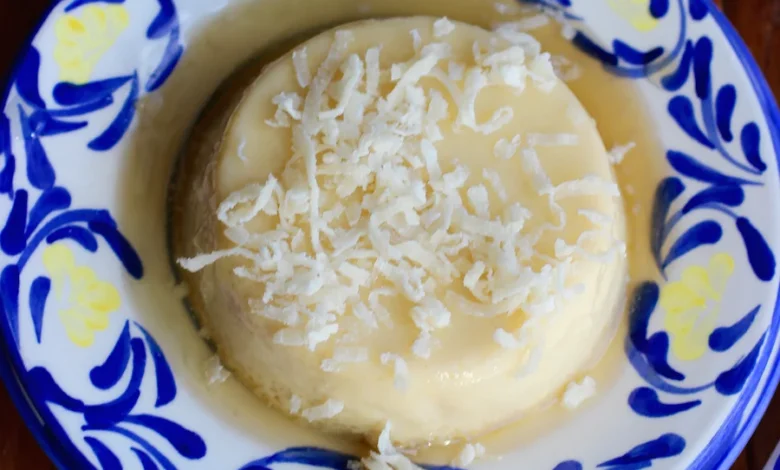
In the Latin American context, the basic "Flan de Leche"—a mixture of eggs, milk, sugar, and vanilla—became a canvas for regional creativity. In Colombia, particularly along the Caribbean coast, the abundance of coconut palms led to the integration of fresh coconut milk and shredded coconut into the traditional custard base. This adaptation not only utilized local, accessible ingredients but also created a distinct, tropical flavor profile that elevated the dish from a standard household staple to a regional delicacy.
Culinary Composition and Ingredient Dynamics
The structural integrity of a traditional coconut flan relies on the chemical interaction between protein-rich eggs and the fat content provided by dairy and coconut milk. Professional chefs and culinary historians note that the success of the dessert depends on achieving a precise balance of ingredients.
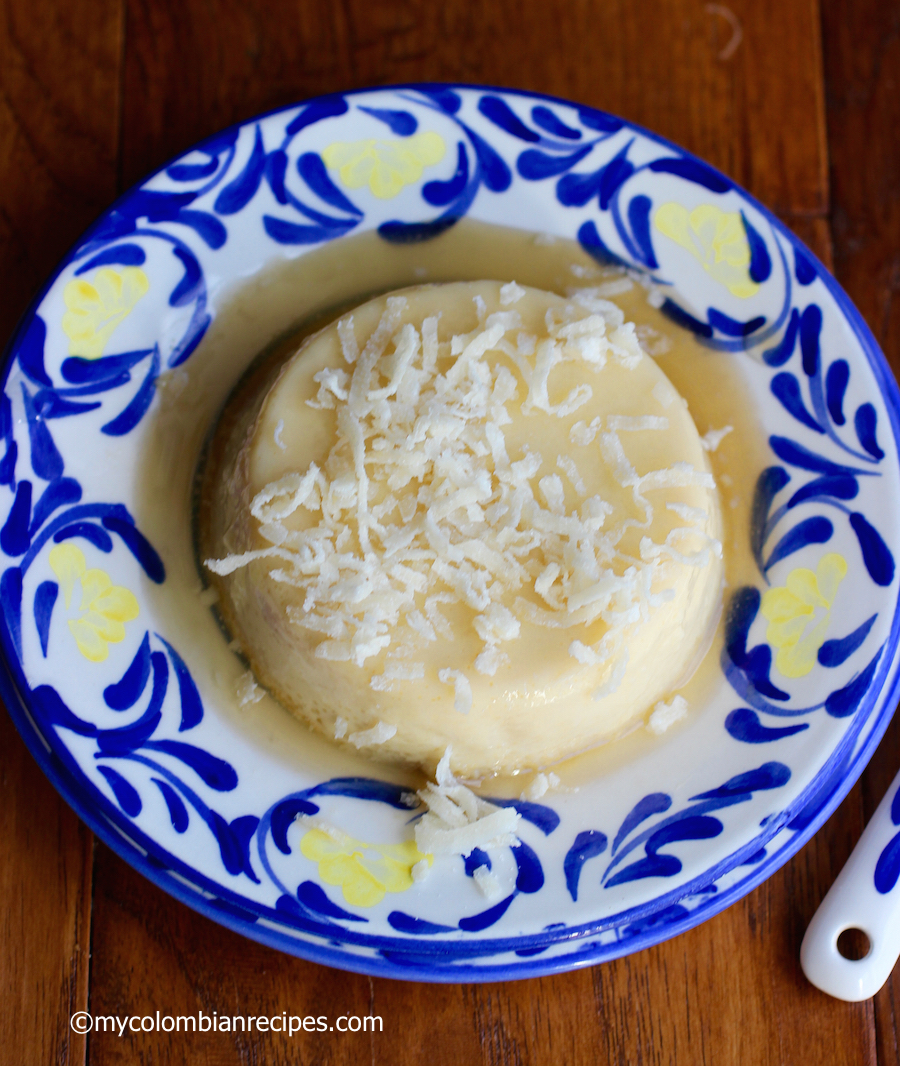
The essential components include:
- Eggs: These serve as the binding agent, providing the structure that allows the custard to set firmly yet maintain a "silky" mouthfeel.
- Coconut Milk and Heavy Cream: The use of full-fat coconut milk provides the characteristic tropical aroma and essential oils, while heavy cream contributes to the richness and density expected of a high-quality dessert.
- Sweetened Condensed Milk: This ingredient acts as both a sweetener and a stabilizer, ensuring the final product remains smooth and resistant to crystallization.
- Caramel: The base, made from granulated sugar and a small amount of water, provides a bitter-sweet contrast to the creamy custard.
From a nutritional standpoint, a single serving of approximately 150 grams contains roughly 470 kilocalories, with a significant portion derived from saturated fats (approximately 23 grams) and sugars (approximately 42 grams). While not categorized as a health-conscious food, its status as a celebratory dish means it remains a fixture at festivals, weddings, and family gatherings across Colombia and the broader Caribbean basin.
A Chronological Perspective on Dessert Preparation
The preparation of a traditional flan typically follows a standardized timeline, designed to ensure proper cooling and setting. While prep time is relatively short, the total turnaround time is extended by the need for refrigeration.
- Preparation (0–10 Minutes): The process begins with the creation of the caramel. Sugar and water are heated in a saucepan until they reach a deep amber hue. This must be performed with precision; exceeding the heat threshold can cause the sugar to burn, resulting in an acrid flavor, while under-heating prevents the necessary hardening.
- Mixing (10–20 Minutes): The custard base—comprising eggs, condensed milk, coconut milk, heavy cream, and vanilla—is whisked to incorporate air. Over-whisking is avoided to prevent the formation of bubbles, which would compromise the aesthetic and structural smoothness of the flan.
- Baking (20–50 Minutes): The mixture is poured into ramekins previously coated with the cooled caramel. The ramekins are placed in a water bath (bain-marie) within the oven. This technique is critical, as it provides gentle, indirect heat, preventing the eggs from curdling and ensuring a consistent texture throughout the custard.
- Cooling (4+ Hours): Once removed from the oven, the flan must be cooled to room temperature before being transferred to a refrigerator. A minimum of four hours—ideally overnight—is required for the proteins to fully set and for the caramel to soften into a syrup that coats the dessert upon unmolding.
Technical Analysis of Preparation Failures
Culinary experts identify two primary points of failure in the production of coconut flan: the unmolding process and the setting phase. Unmolding requires a clean separation of the custard from the sides of the ramekin. A common industry technique involves running a thin, sharp blade around the interior edge to break the surface tension.

Furthermore, the "weeping" of a flan—where liquid leaks from the structure—is often attributed to overcooking. When the internal temperature of the custard exceeds the threshold required to set the egg proteins, the structure tightens and expels the liquid content. Precise temperature control during the baking process is therefore considered the hallmark of a skilled practitioner.
Broader Economic and Cultural Implications
The popularity of Coconut Flan, alongside variations such as Lime, Chocolate, and Pineapple flan, has created a niche within the global food market. In the United States, the rising interest in authentic Latin American cuisine has seen these recipes migrate from home kitchens to restaurant menus.
The cultural impact of such dishes is significant. By maintaining the integrity of traditional recipes, families of Colombian descent preserve a tangible link to their heritage. This is particularly evident in the documentation of these recipes by modern culinary historians and food bloggers, who seek to codify the "grandmother-inspired" techniques that were once passed down only through oral tradition.
Conclusion: The Future of Traditional Custards
As global culinary trends shift toward both fusion and a renewed appreciation for authentic regional dishes, the coconut flan remains remarkably resilient. It is a dish that resists the move toward highly processed, quick-fix desserts, instead requiring patience and adherence to classical techniques.
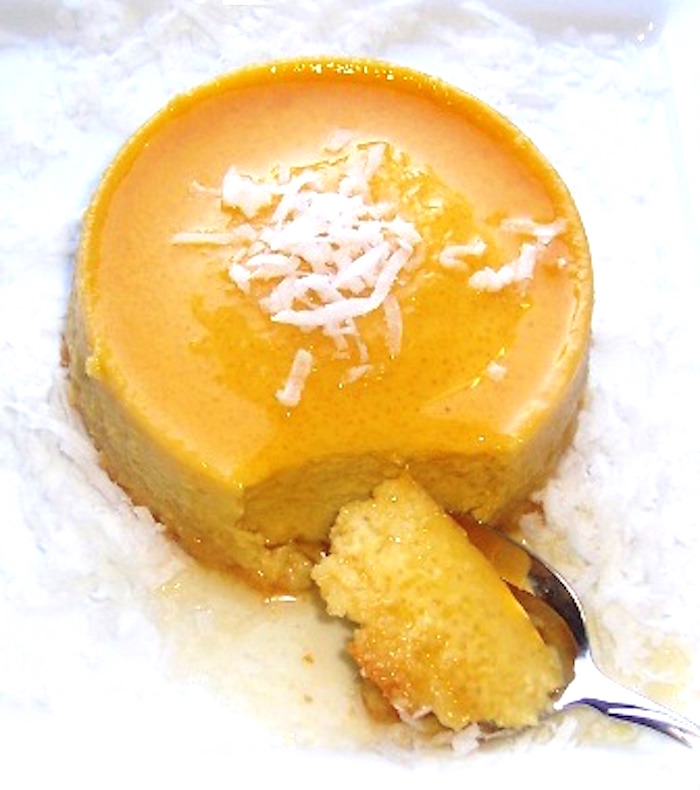
The continued relevance of the coconut flan suggests that, despite the rapid modernization of the food industry, there is an enduring market for desserts that emphasize traditional flavor profiles and home-style preparation. Whether served in a modest household in the Colombian coastal city of Cartagena or a high-end restaurant in New York City, the dish stands as a testament to the longevity of colonial-era culinary adaptations and their capacity to adapt to contemporary tastes without losing their original identity.
In summary, the Coconut Flan is more than a simple confection; it is a synthesis of history, chemistry, and cultural identity. As a staple that bridges the gap between Spanish tradition and tropical geography, it remains a vital component of the international dessert lexicon, ensuring its place on tables for generations to come.
Related posts: