The Evolution and Cultural Significance of Mexican Tuna Salad in Modern Culinary Practices

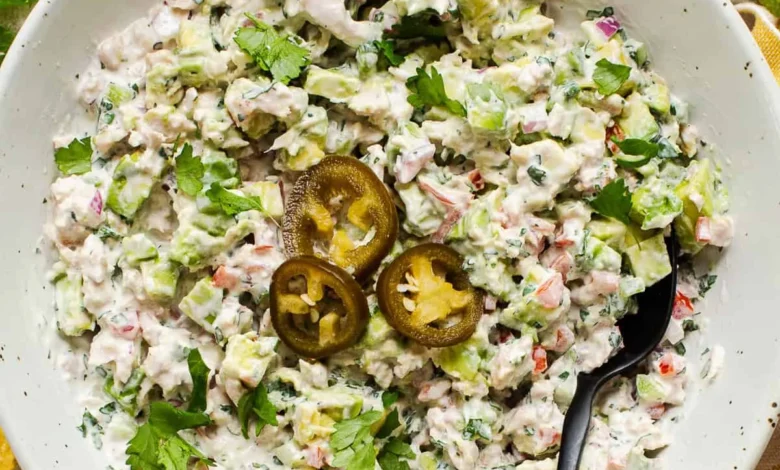
Mexican tuna salad, known locally as ensalada de atún, has transitioned from a humble, home-style staple into a subject of significant culinary interest in the modern digital food landscape. While often perceived as a simple assembly of canned goods and fresh aromatics, the dish represents a convergence of coastal Mexican dietary habits and the global convenience of shelf-stable protein. Recent data from food industry analysts suggests that the surge in popularity of this dish—particularly across social media platforms—reflects a broader consumer shift toward “no-cook” high-protein meals that utilize pantry staples while maintaining nutritional integrity.
Historical Context and Culinary Foundations
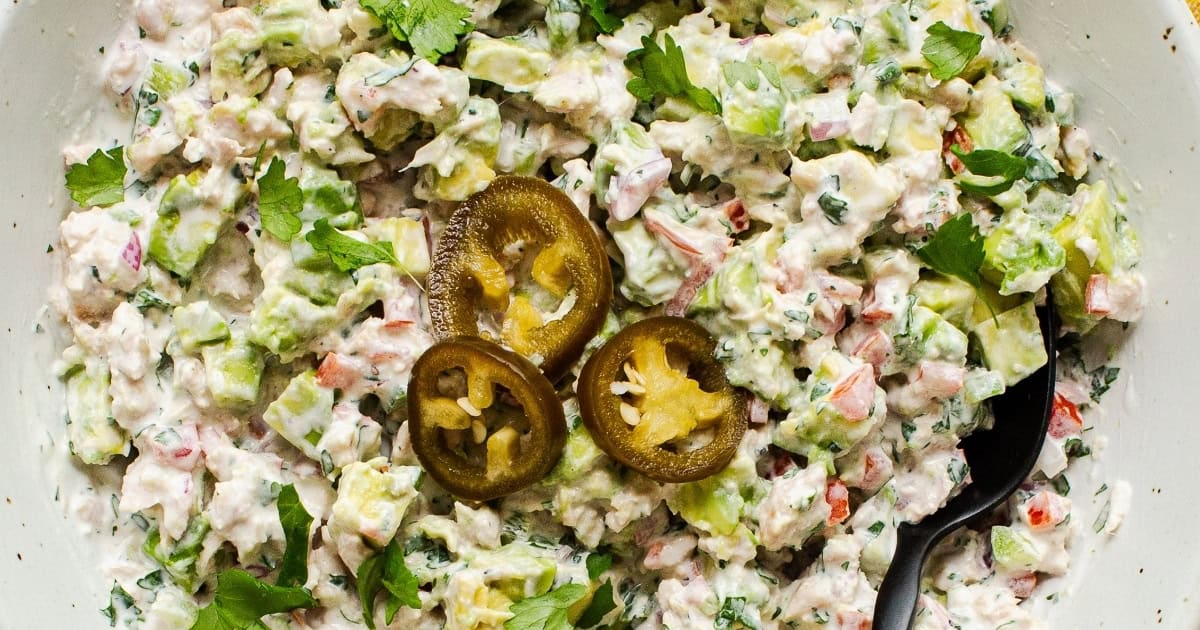
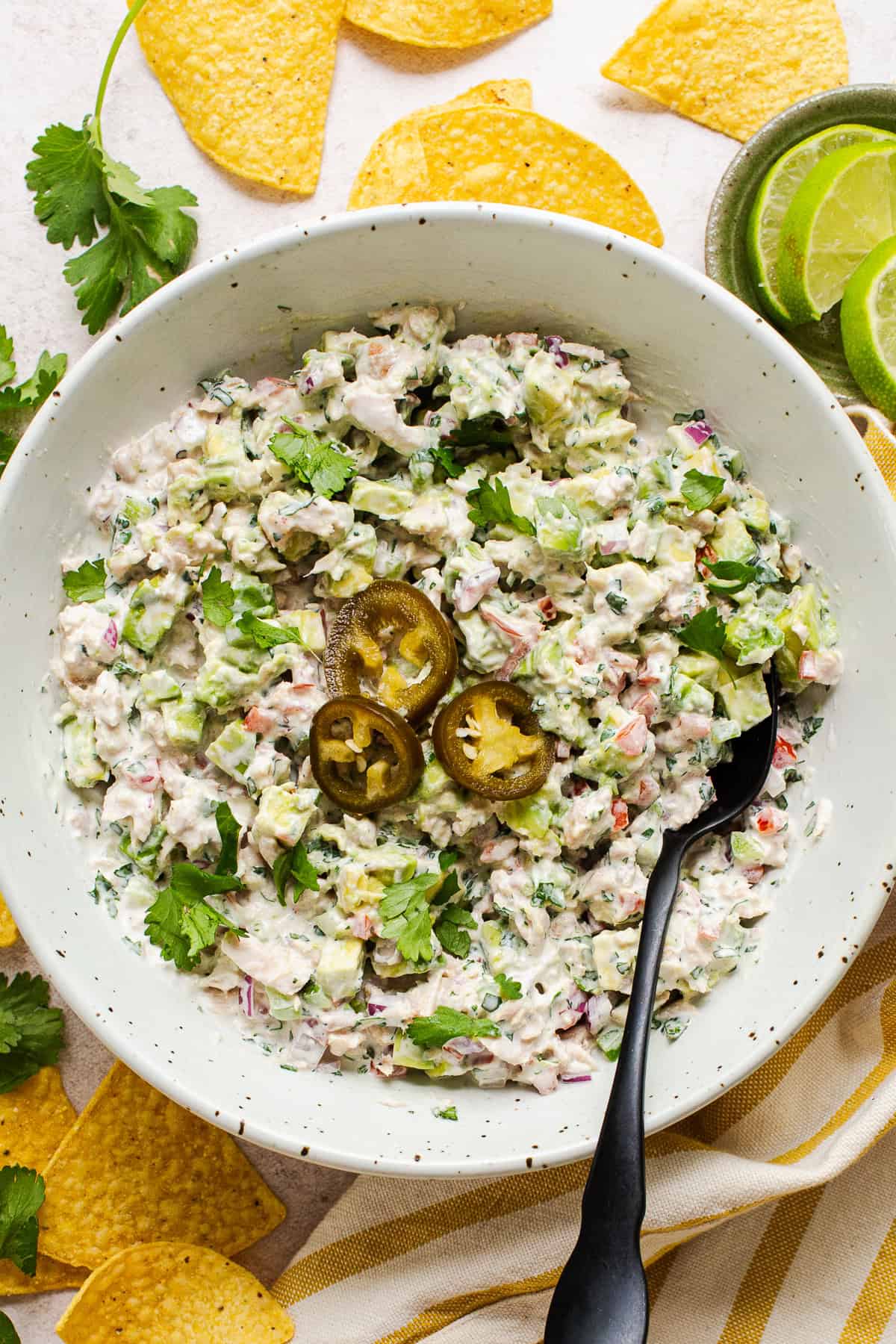
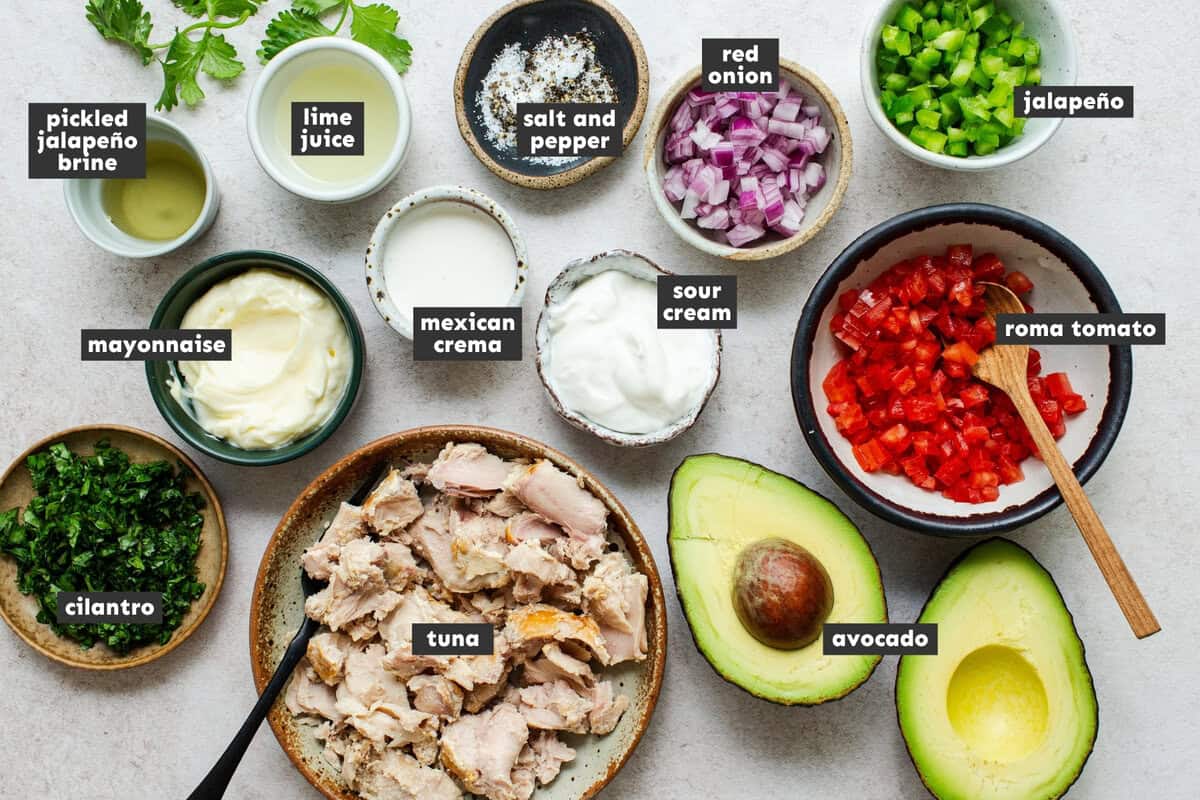
The origins of ensalada de atún are deeply rooted in the domestic kitchens of Mexico, where it serves as a common, efficient solution for mid-day meals or casual gatherings. Unlike its North American counterpart, which typically relies on a mayonnaise-heavy base supplemented by celery and sweet pickles, the traditional Mexican preparation emphasizes a profile defined by brightness and heat. The foundational components—canned tuna, Roma tomatoes, red onion, and serrano or jalapeño peppers—are designed to provide a textural contrast and a sharp, acidic finish.
In the mid-20th century, the introduction of processed canned tuna into the Mexican market provided households with an affordable, high-protein alternative to fresh fish, which was often subject to regional logistics and refrigeration limitations. By incorporating locally available produce, families developed a version of tuna salad that felt distinctly regional rather than imported. The integration of Mexican crema—a slightly tangy, thinner cultured cream—instead of or in combination with standard mayonnaise, serves as a testament to the synthesis of global ingredients with local preferences.
The Anatomy of the Dish: Ingredients and Nutritional Profile
The contemporary iteration of the dish has undergone a minor transformation to accommodate modern palate preferences for acidity and brine. A critical component in current recipes is the substitution of plain vinegar with the brine from pickled jalapeños. This adjustment adds a depth of flavor that complements the canned tuna, which is most often sourced from albacore or skipjack varieties packed in water.
From a nutritional perspective, the dish is highly regarded by health professionals for its efficiency. A standard serving of this salad provides approximately 25 grams of protein, making it a functional option for weight management and muscle recovery. The addition of avocado provides a necessary source of monounsaturated fats and fiber, which helps to balance the high sodium content typically found in canned tuna and preserved peppers. Analytical breakdowns indicate that the combination of these ingredients results in a nutrient-dense profile that maintains a relatively low caloric footprint, typically averaging around 415 calories per serving.

Culinary Chronology: The Shift in Preparation Techniques
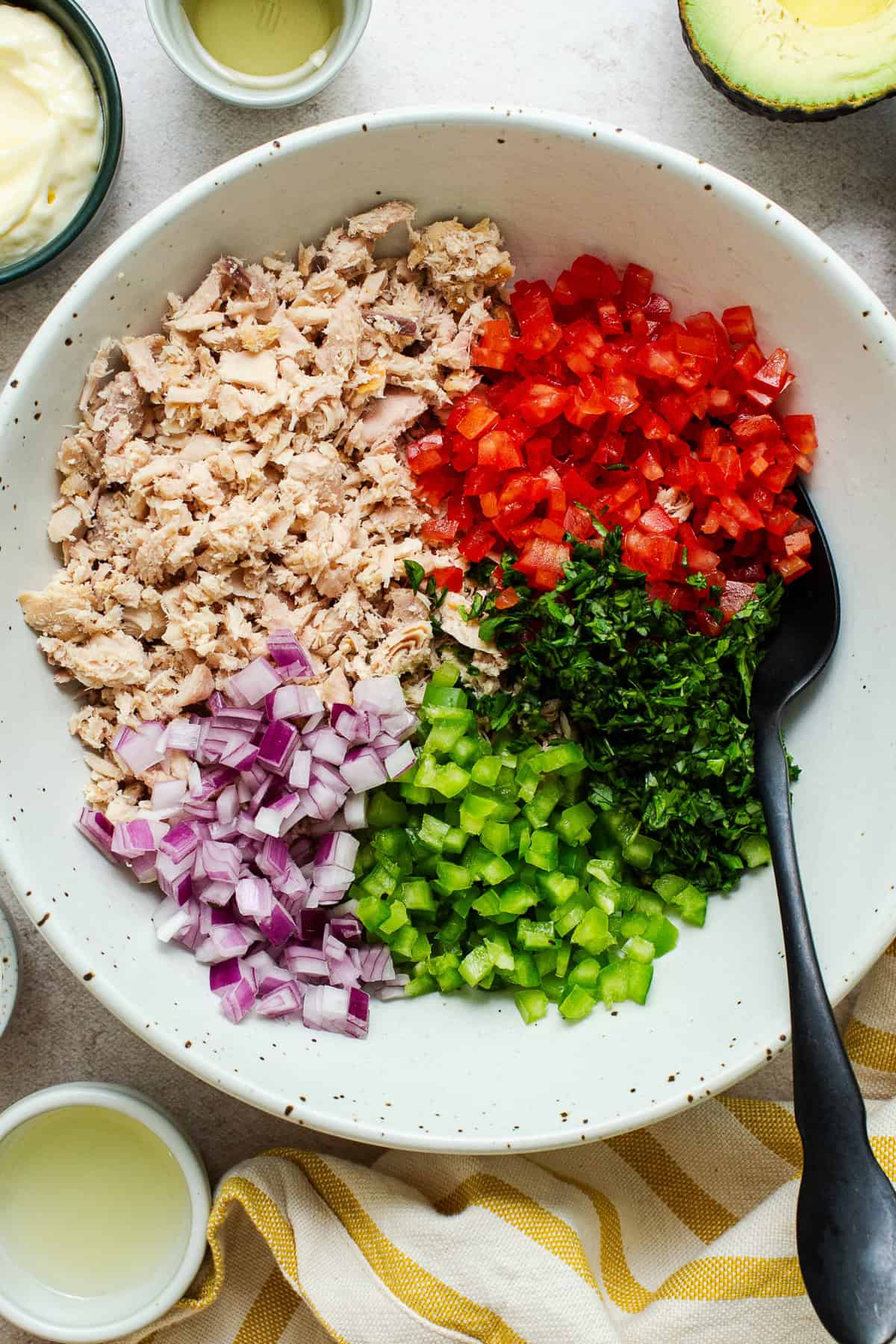
The preparation of ensalada de atún has remained relatively static over several decades, favoring a "mise en place" approach where the raw vegetables are diced finely to ensure even distribution.
- The Traditional Era (1950s–1990s): The dish was primarily a functional, stove-free meal. Ingredients were manually chopped, and the tuna was hand-flaked. It was historically served as a snack alongside saltine crackers or simple bread.
- The Modern Adaptation (2000s–Present): The rise of digital food content has led to a standardization of the recipe. The incorporation of jalapeño brine directly into the dressing, rather than serving it as a side condiment, is a more recent innovation intended to streamline flavor integration.
- The Global Expansion (2020–Present): Social media visibility has introduced the dish to international audiences, prompting a discourse on the differences between "Tex-Mex" variants—which often include corn, black beans, and peas—and the more traditional, vegetable-forward Mexican preparation.
Market Implications and Industry Response
The resurgence of this dish has not gone unnoticed by the retail sector. Consumer demand for "clean label" canned tuna and higher-quality pickling products has seen a moderate uptick, as home cooks seek to replicate the specific flavor profile found in authentic recipes. Food scientists observing these trends note that the popularity of ensalada de atún is part of a larger movement toward "elevated pantry cooking." As inflation impacts grocery bills, consumers are actively searching for ways to transform low-cost, shelf-stable proteins into meals that feel "crafted" rather than merely assembled.
Industry analysts suggest that this trend could lead to an increase in pre-mixed kits or branded, high-quality ingredient pairings designed to simplify the preparation of the salad. However, culinary traditionalists argue that the essence of the dish lies in the freshness of the produce—the crispness of the red onion and the ripeness of the tomato—which cannot be replicated in a pre-packaged format.
Comparative Analysis: Mexican vs. Standard Tuna Salad
When analyzing the standard American tuna salad against the Mexican ensalada de atún, the primary divergence is the treatment of acid and texture. The standard American recipe relies on the crunch of celery to offset the richness of heavy mayonnaise. In contrast, the Mexican recipe utilizes the chemical properties of lime juice and vinegar-based brine to "cook" the raw onions and peppers slightly, creating a more cohesive, vibrant, and aromatic experience.
Furthermore, the serving methods illustrate distinct cultural values. In Mexico, the usage of tostadas (fried corn tortillas) provides a structural platform that can support the heavier, wetter consistency of the salad, whereas the American reliance on bread or crackers focuses on portability.
Conclusion: A Staple for the Future
The enduring nature of ensalada de atún lies in its adaptability. Whether served as a quick lunch, a protein-rich snack, or an appetizer at social gatherings, it remains a reliable constant in the domestic repertoire. Its recent rise to digital prominence serves as a reminder that culinary innovation does not always require complex techniques or expensive equipment. Often, it is the simple, historical, and geographically specific combinations—like the marriage of flaked tuna, tangy brine, and creamy avocado—that define the evolving landscape of global home cooking. As health-conscious consumers continue to prioritize high-protein, low-prep meals, this traditional Mexican dish is well-positioned to maintain its status as a staple of the modern kitchen.
Related posts: