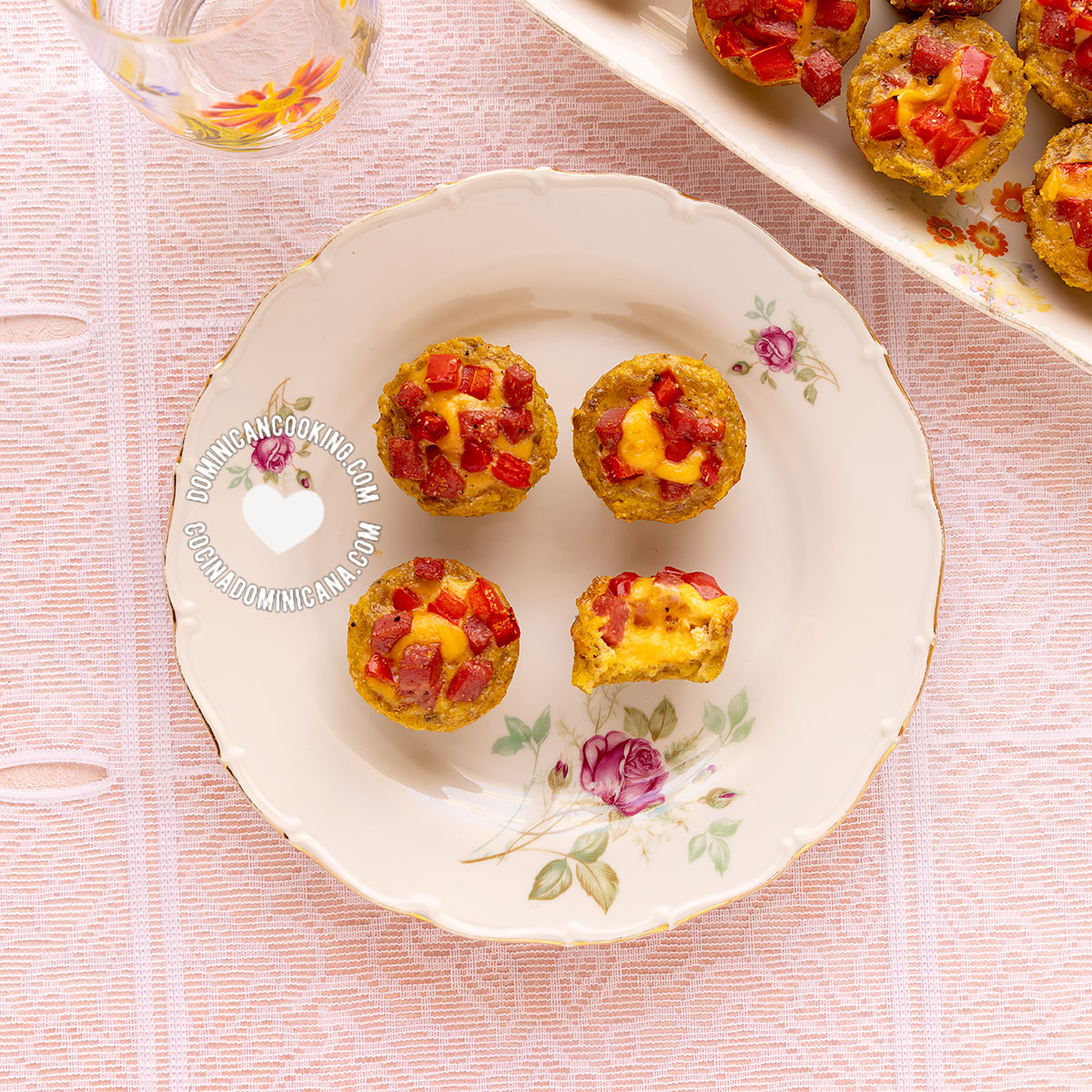
The culinary landscape of Caribbean-inspired brunch and party catering has expanded significantly in recent years, driven by a growing global appetite for authentic regional flavors fused with modern presentation styles. Among the latest culinary innovations gaining traction in domestic kitchens and catering circles is the adaptation of mangú—the quintessential Dominican mashed plantain dish—into bite-sized, finger-food formats. Conceived by culinary writers and home economists such as Clara Gonzalez, widely known online as Tía Clara, these plantain breakfast bites have emerged as a prominent fixture in contemporary brunch culture, bridging the gap between traditional Caribbean comfort food and modern bite-sized party appetizers.

Cultural Background and the Rise of Caribbean Brunch
To understand the significance of plantain bites in modern gastronomy, one must examine the profound cultural relationship between Caribbean populations—particularly in the Dominican Republic—and the plantain (plátano). For generations, plantains have served as a dietary cornerstone, consumed green or ripe, boiled, fried, or mashed. The traditional Dominican breakfast, frequently accompanied by Los Tres Golpes (salami, fried cheese, and eggs) alongside pickled red onions and creamy slices of avocado, has long been a staple of morning hospitality.
In recent decades, however, the dining habits of both diaspora communities and culinary enthusiasts have evolved. The weekend brunch phenomenon, originally imported from Western urban centers, has been successfully indigenized. Rather than adhering strictly to traditional mid-day serving times, home cooks and chefs have reimagined classic comfort foods into shareable, aesthetically refined formats suitable for buffets, cocktail parties, and potlucks—locally referred to in Dominican culture as fiestas de traje.
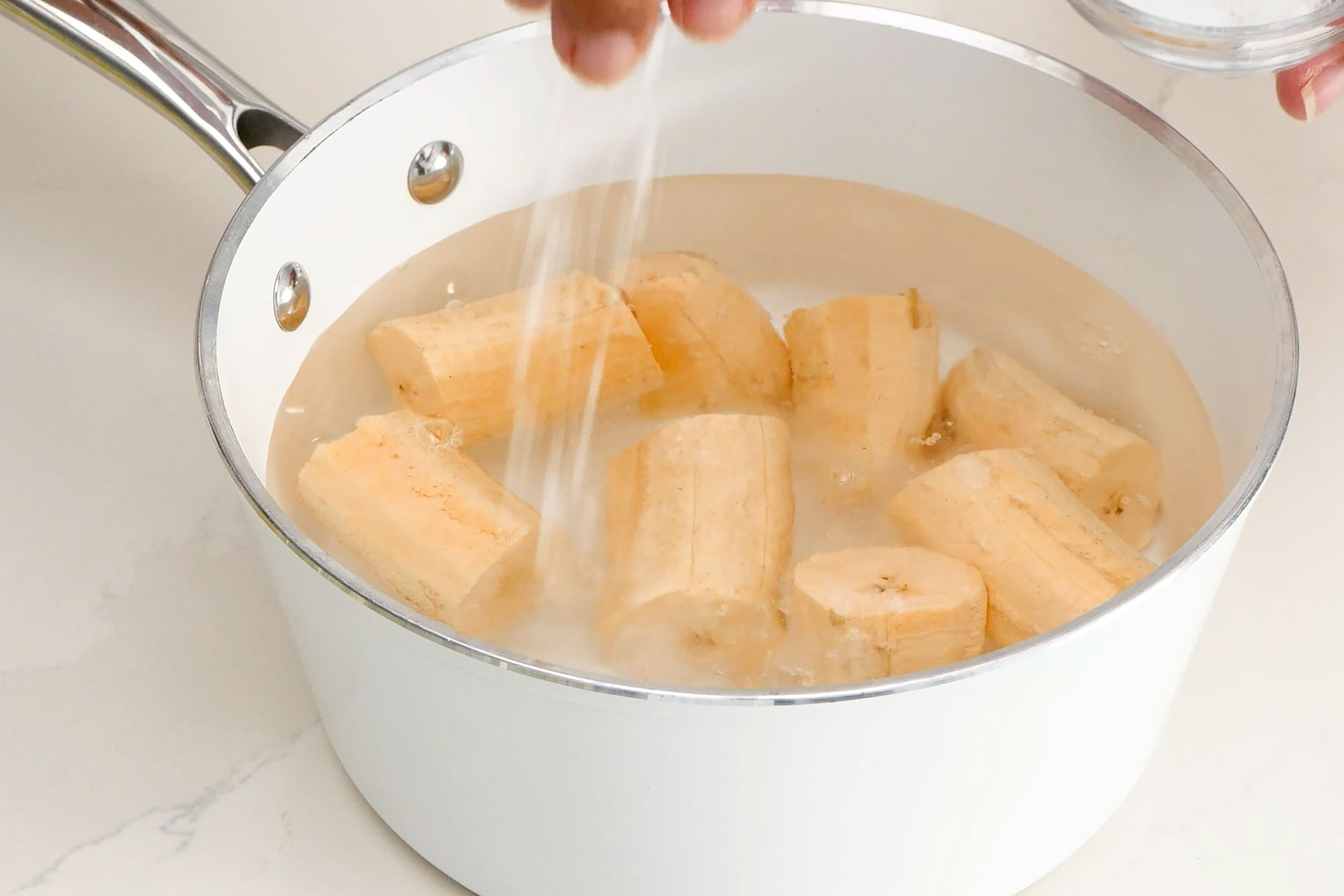
Culinary Evolution: From Traditional Mangú to Bite-Sized Appetizers
The transformation of standard mangú into individual portions involves a careful culinary process designed to maintain the dish’s signature smooth, velvety texture while ensuring structural integrity for finger-food service.
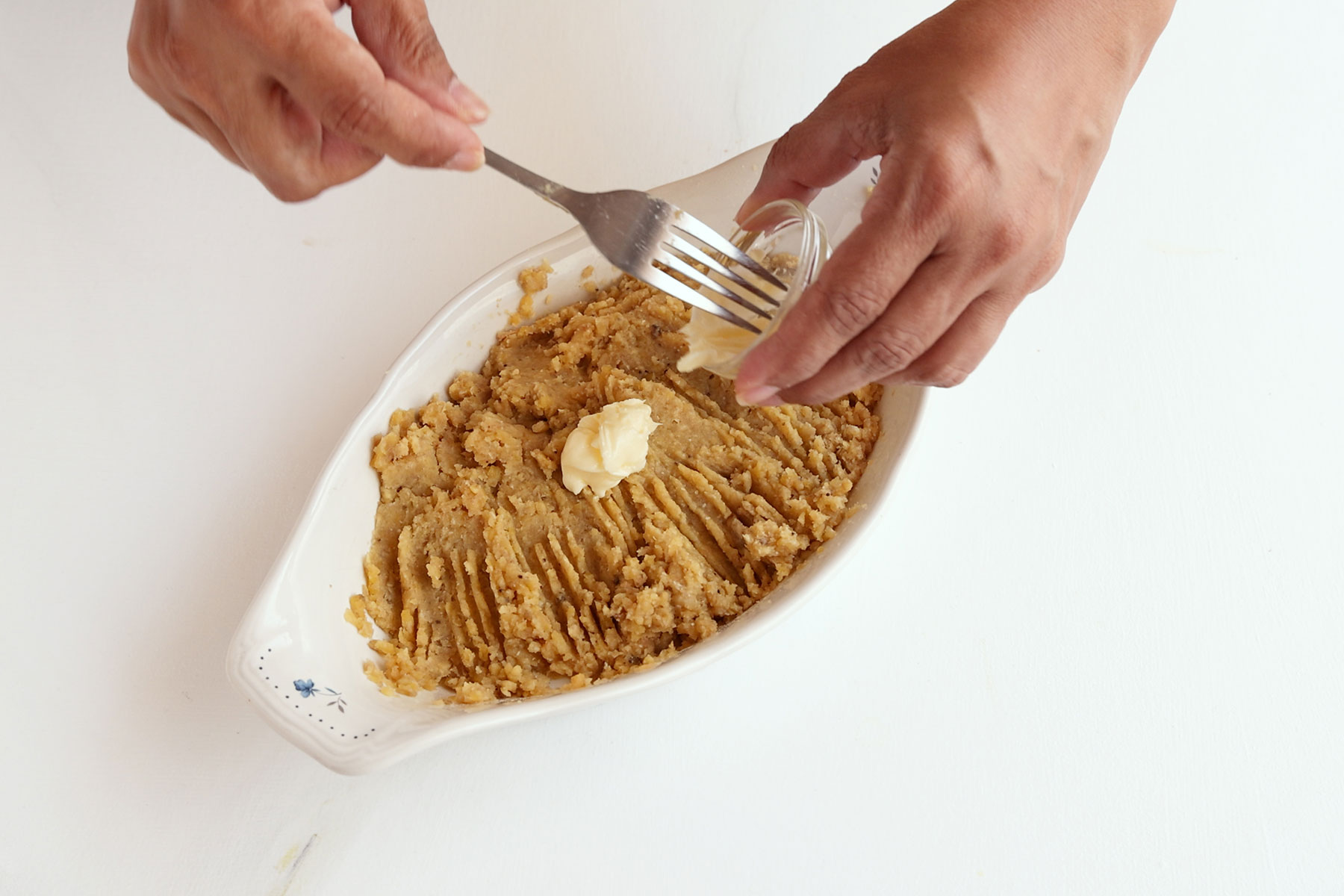
According to culinary documentation provided by recipe developers, the preparation timeline typically spans approximately 35 minutes, comprising five minutes of active preparation and 30 minutes of cooking time. The chronological workflow requires specific kitchen steps:
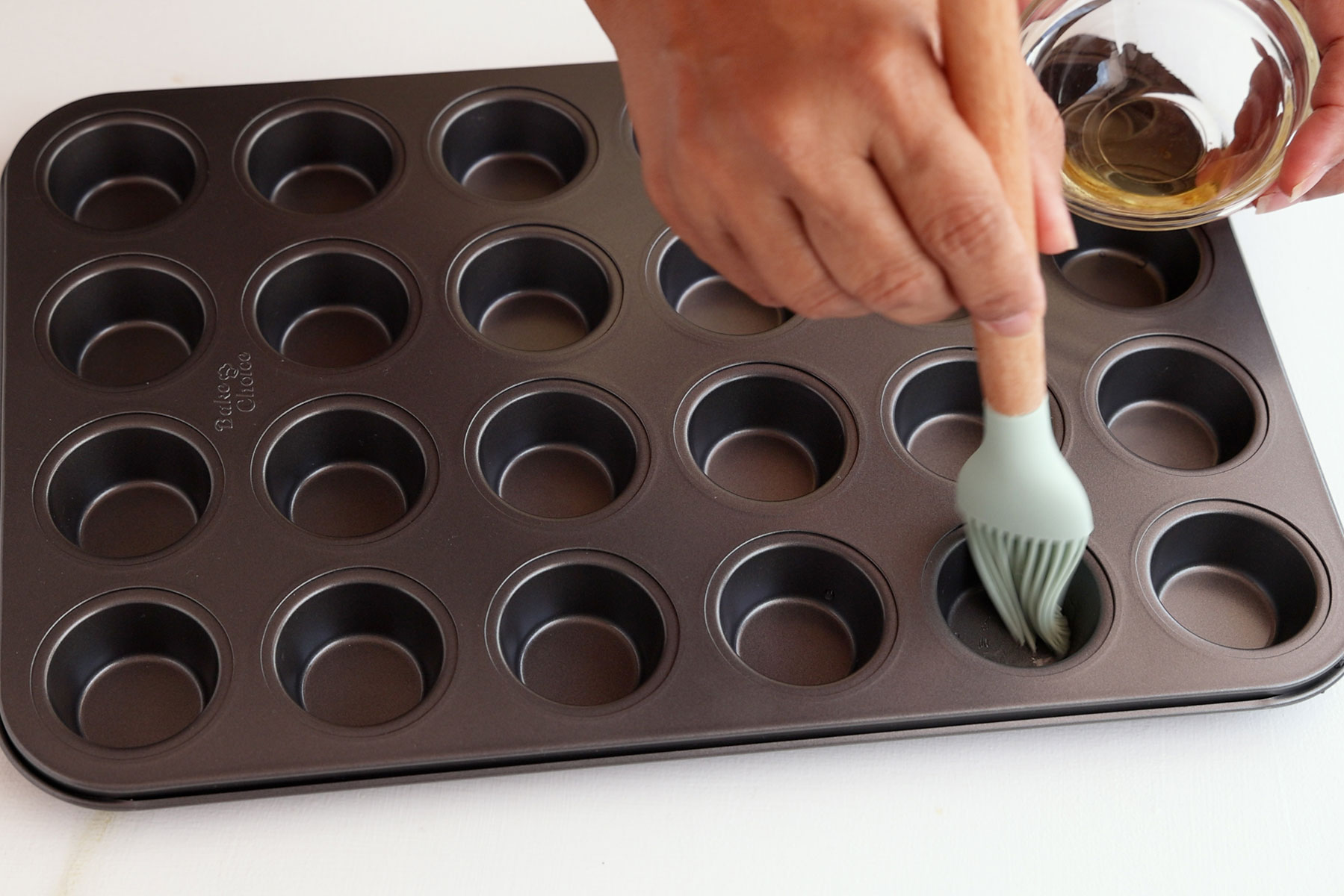
- Boiling the Plantains: Green plantains are peeled, sectioned, and boiled in salted water until thoroughly tender.
- Mashing and Emulsification: The boiled plantains are mashed while hot, traditionally incorporating butter, warm water, or milk to achieve the characteristic smooth, buttery consistency without heavy lumps.
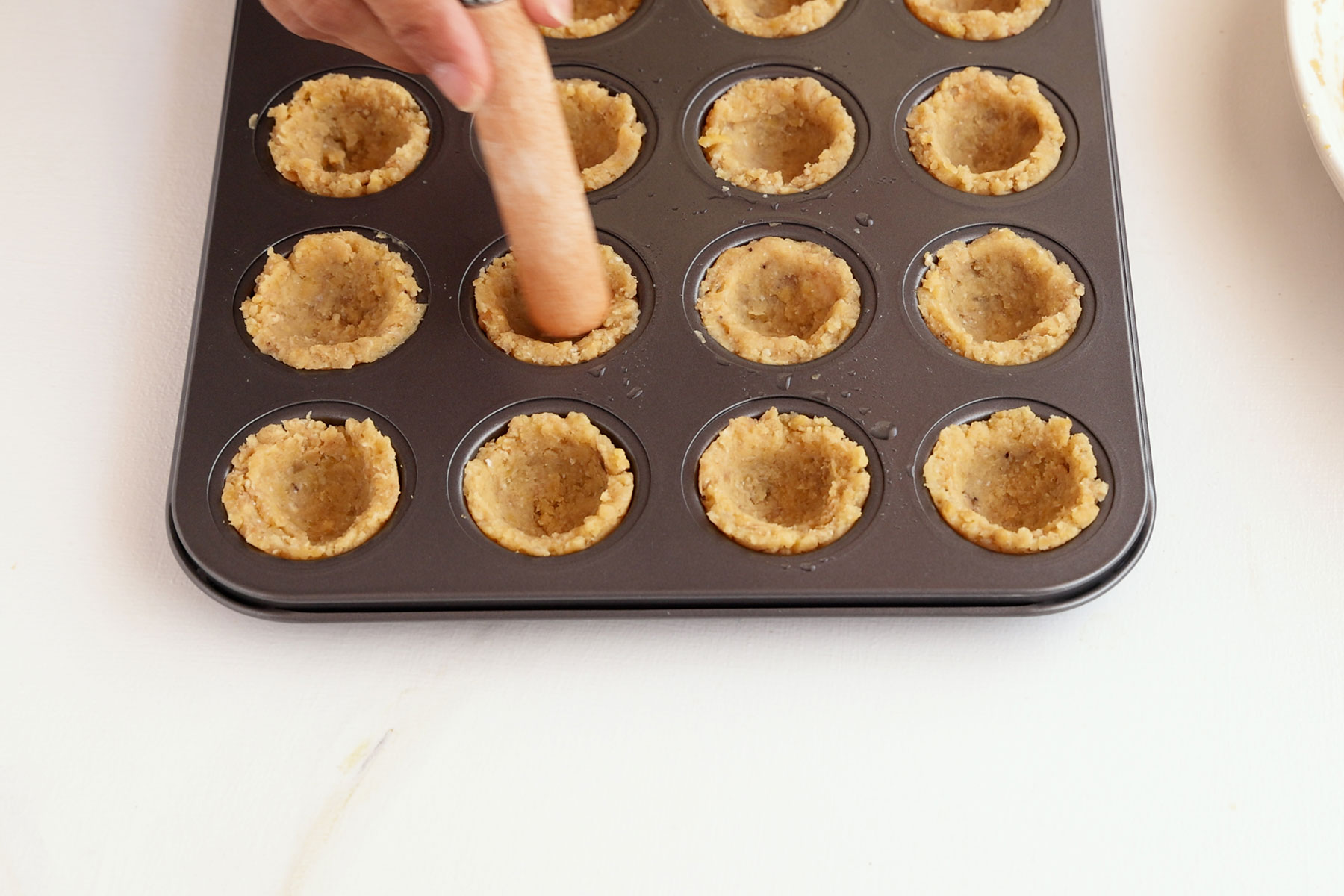
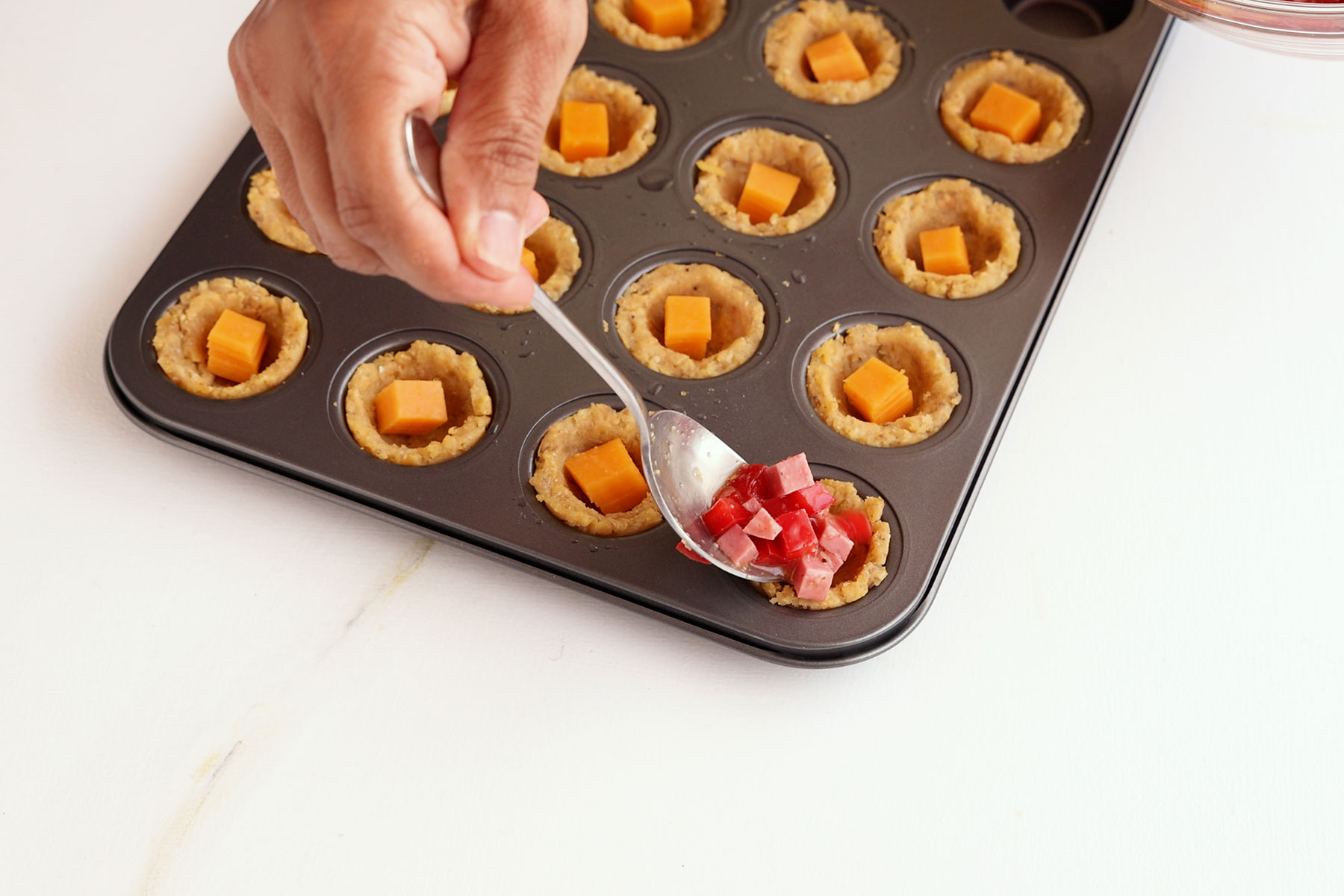
- Forming the Cups: The seasoned plantain mixture is shaped into small, individual cups or bites, often utilizing a muffin tin or specialized baking molds to set the form.
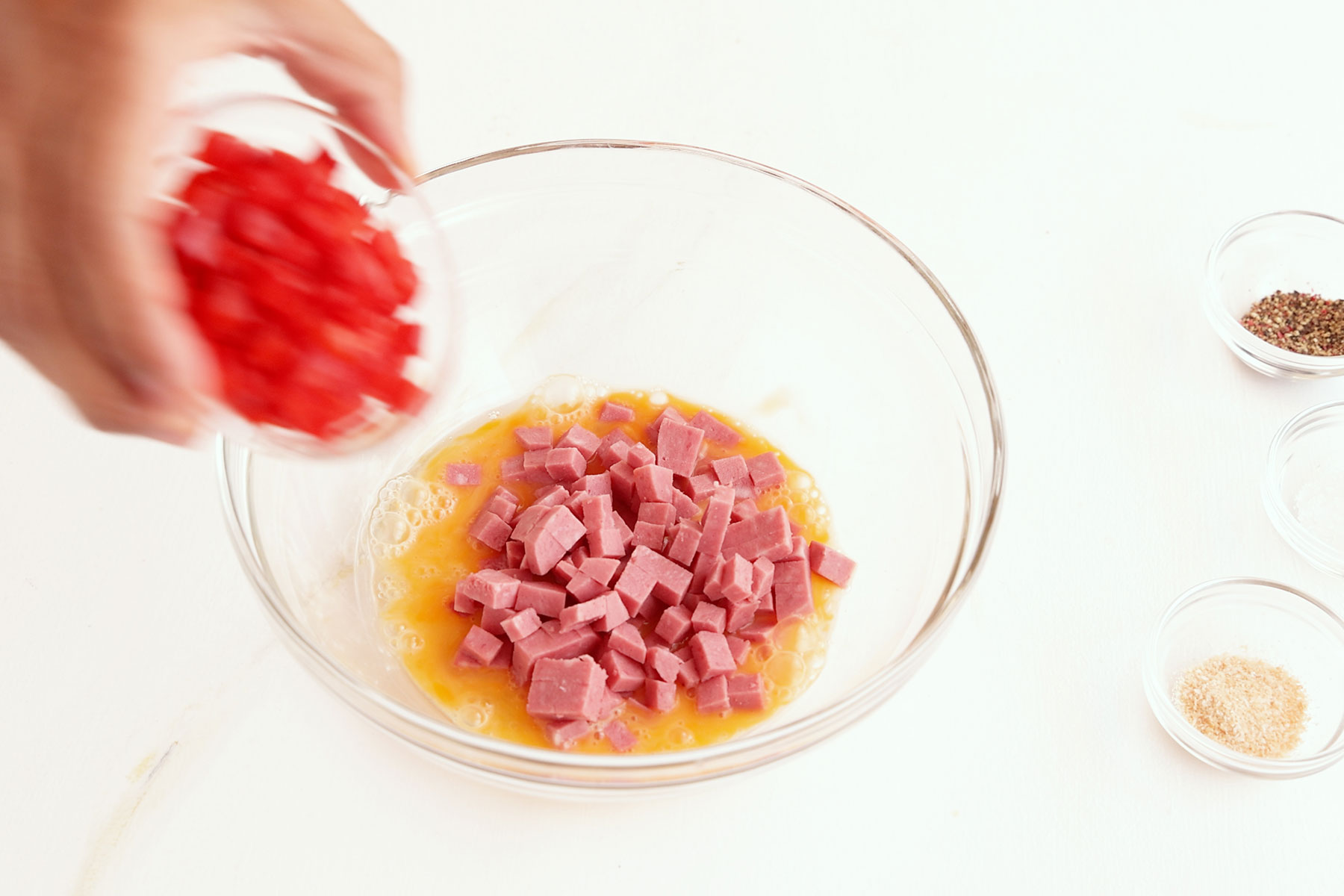
- Preparing the Filling: Complementary ingredients, frequently featuring beaten eggs, cheeses, or savory meats reminiscent of traditional breakfast accompaniments, are prepared separately.
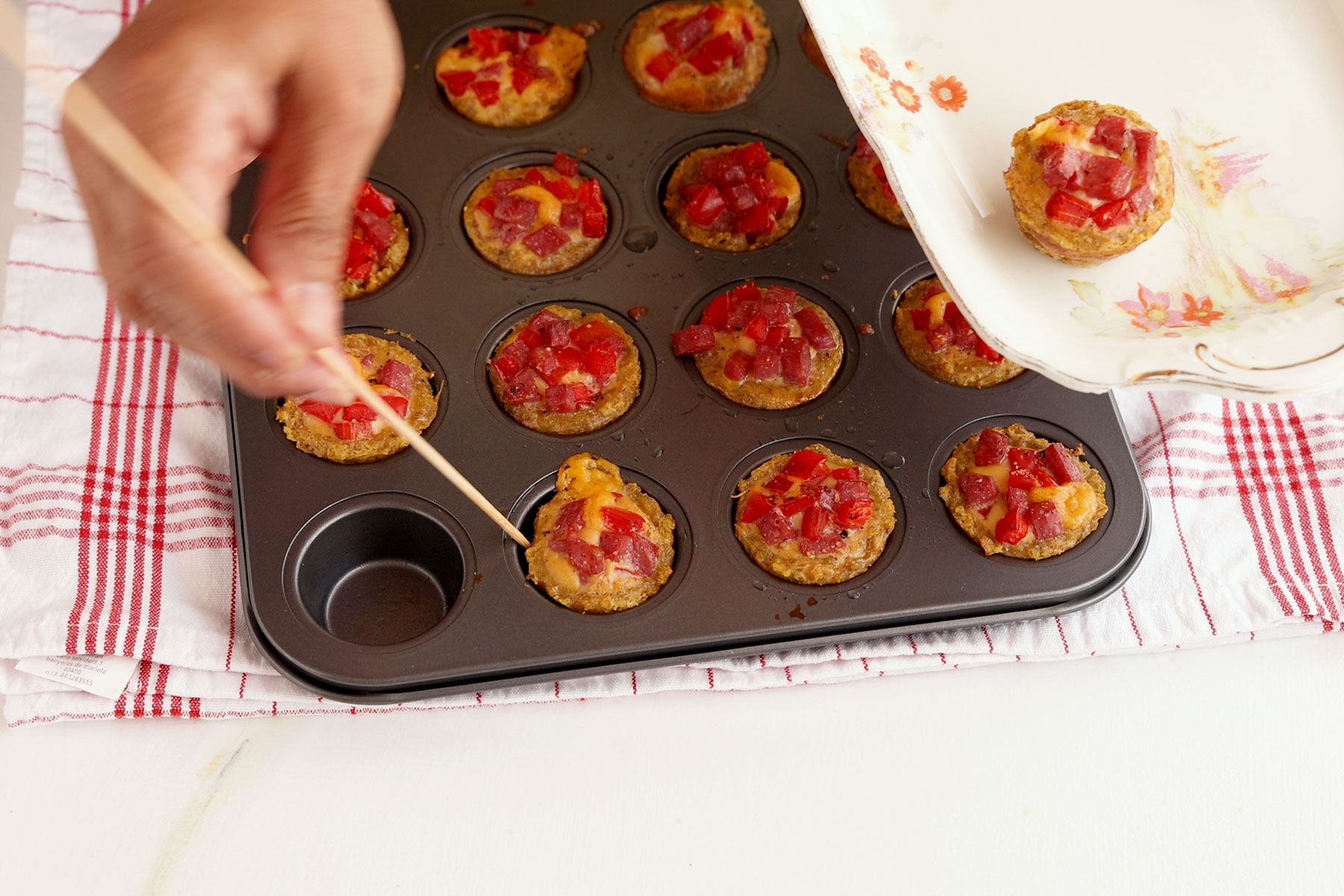
- Assembly and Baking: The plantain cups are stuffed with the egg mixture and baked at a controlled temperature until the filling is set and the exterior achieves a light, golden crust.
- Final Presentation: Served warm, the bites are often garnished to reflect traditional flavor profiles, pairing well with avocado slices, pickled onions, or savory reductions.
Nutritional Profile and Dietary Considerations
From a nutritional standpoint, plantains offer distinct dietary characteristics compared to standard potatoes or wheat-based pastry crusts. A standard serving of plantain bites (calculated at approximately four pieces per portion, yielding roughly 257 kilocalories) provides a balanced macronutrient distribution.
Data compiled from culinary nutritional calculators indicates that a typical serving contains approximately 21 grams of carbohydrates, primarily in the form of complex starches and dietary fiber (roughly 2 grams), alongside 6 grams of protein and 17 grams of fat, with saturated fats kept to moderate levels (about 4 grams). Additionally, plantains serve as a natural source of potassium (averaging 395 milligrams per serving), vitamin C, and vitamin A, making this appetizer a nutrient-dense alternative to traditional pastry-based canapés.
Broader Culinary Implications and Market Trends
The popularity of dishes like plantain bites and related innovations—such as mofonguitos (mashed plantain cups filled with meat or seafood) and plantain-based quiches—highlights a broader trend within the global food and beverage industry: the elevation of regional, diaspora cuisines into mainstream culinary spaces.
Food historians and market analysts note that consumers increasingly seek authenticity combined with convenience. By converting labor-intensive traditional breakfasts into accessible, portion-controlled appetizers, creators are preserving cultural heritage while adapting to modern entertaining habits. Furthermore, the inclusion of video tutorials and step-by-step digital recipes has accelerated the cross-cultural exchange of Caribbean cooking techniques, enabling home cooks globally to experiment with ingredients that were once restricted to localized markets.
As brunch culture continues to evolve globally, the integration of traditional staples like the green plantain into sophisticated, bite-sized formats demonstrates the enduring adaptability of Caribbean cuisine. Whether served at formal gatherings, casual weekend brunches, or community potlucks, these culinary adaptations ensure that traditional flavors continue to find a receptive audience in contemporary kitchens.
Related posts: