The Rise of the Burnt Basque Cheesecake: How a San Sebastián Tapas Bar Exported a Global Dessert Phenomenon

Food culture often moves in predictable cycles, oscillating between elaborate pastry arts and rustic simplicity. Yet, few culinary inventions have captured the international baking zeitgeist quite like the Basque cheesecake, also known locally as tarta de queso vasca or the La Viña burnt cheesecake. Originating as a humble dessert served in a bustling tapas bar in San Sebastián, Spain, this crustless, heavily caramelized creation has successfully bypassed traditional baking conventions to become a staple of modern global gastronomy.
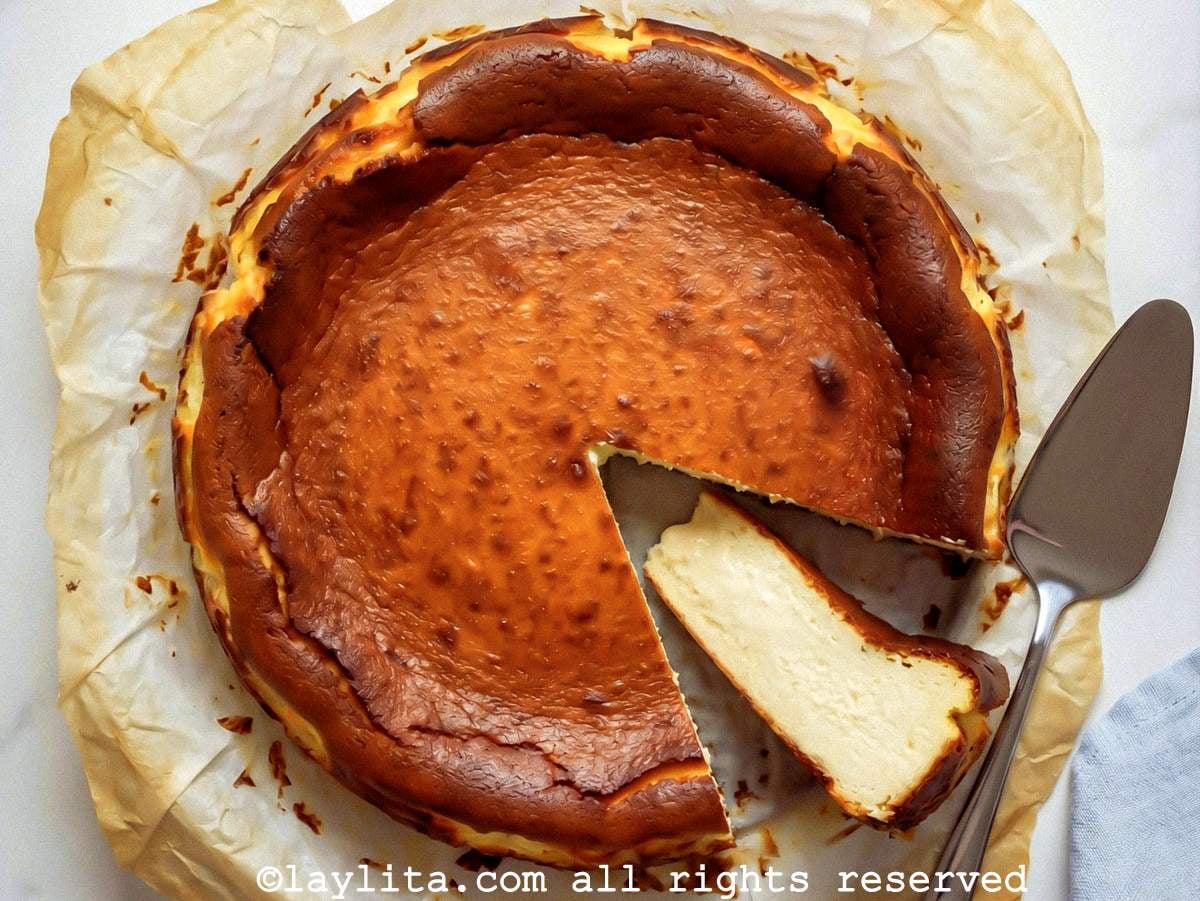
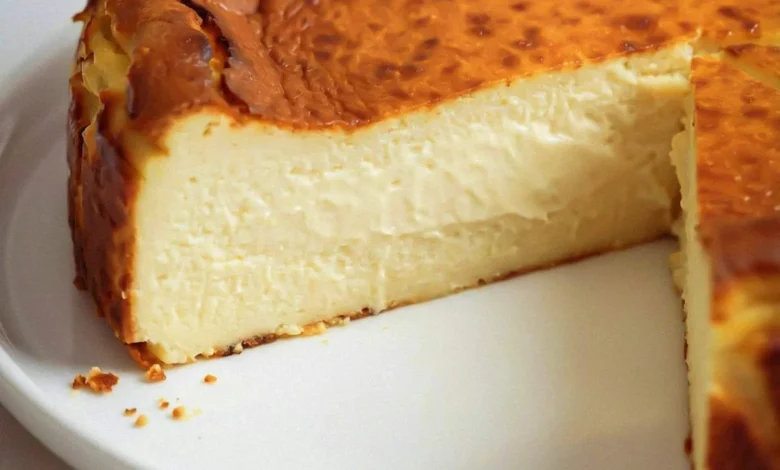
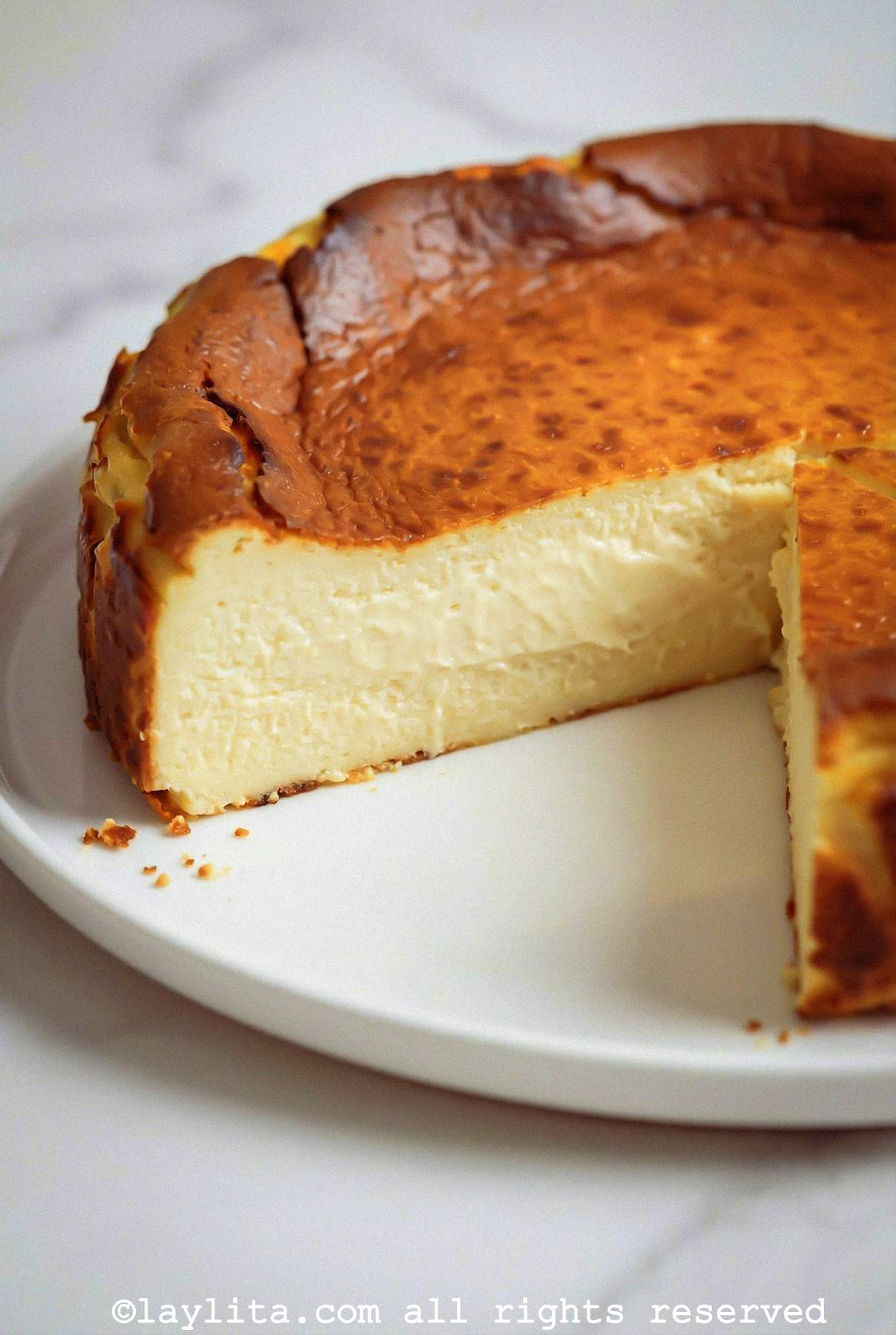
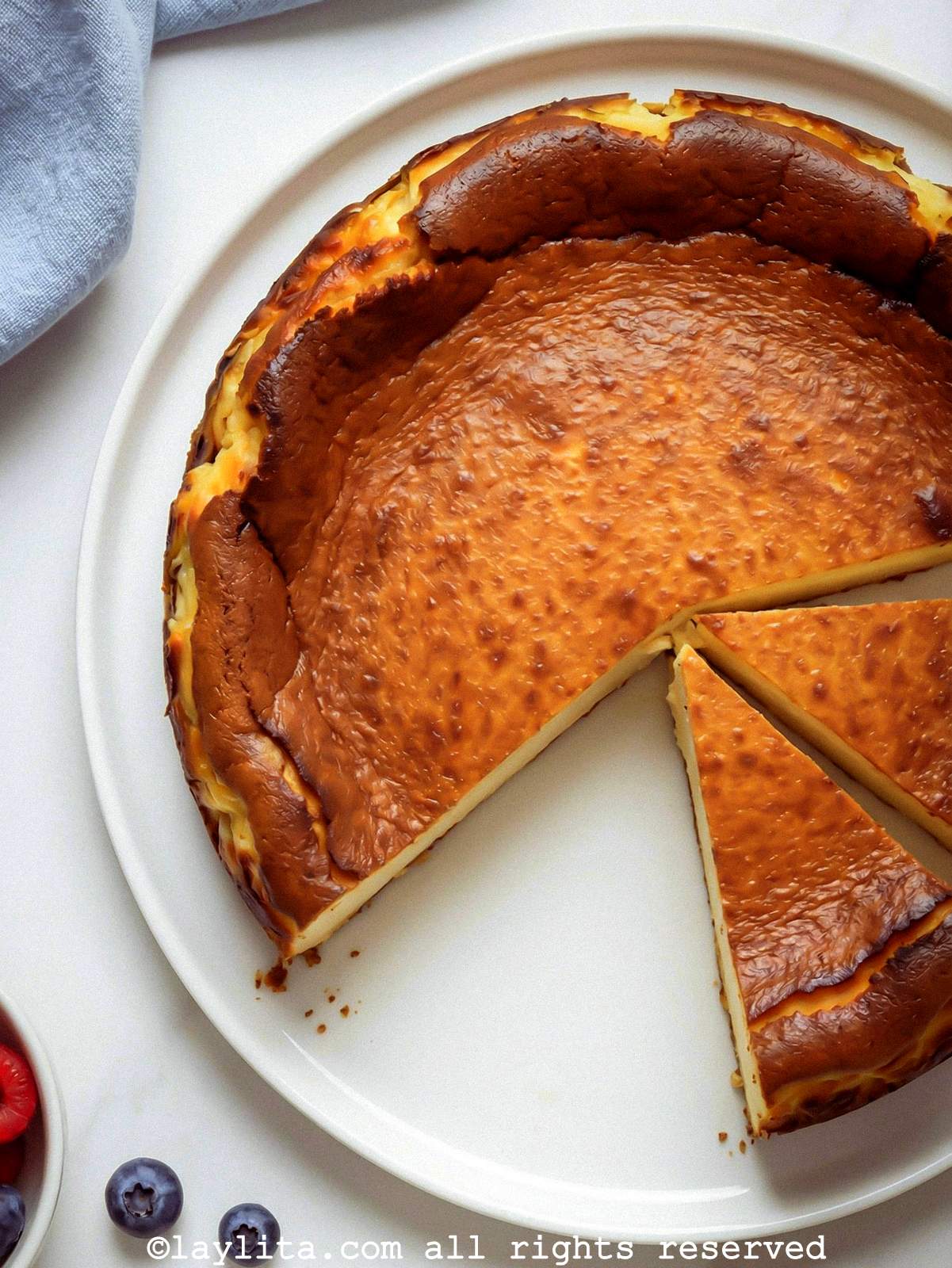
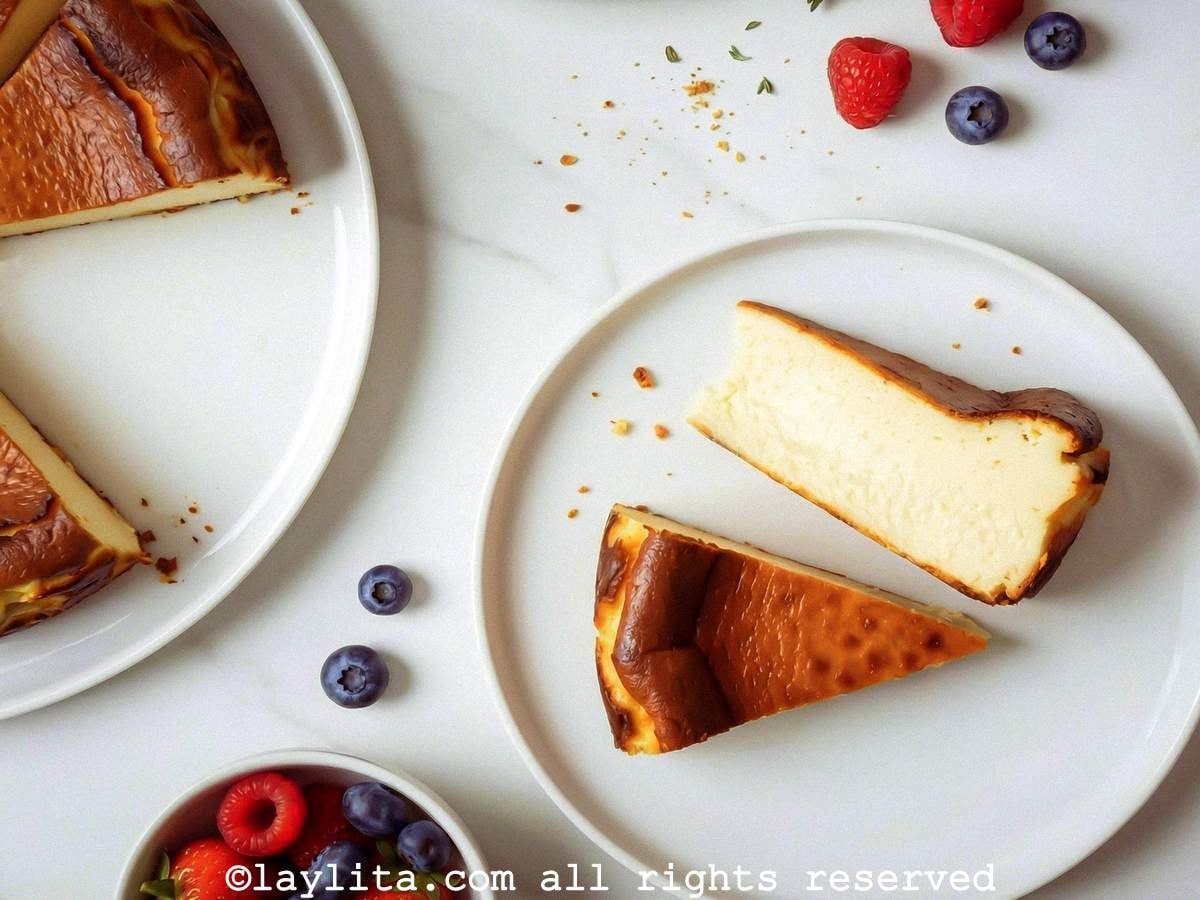
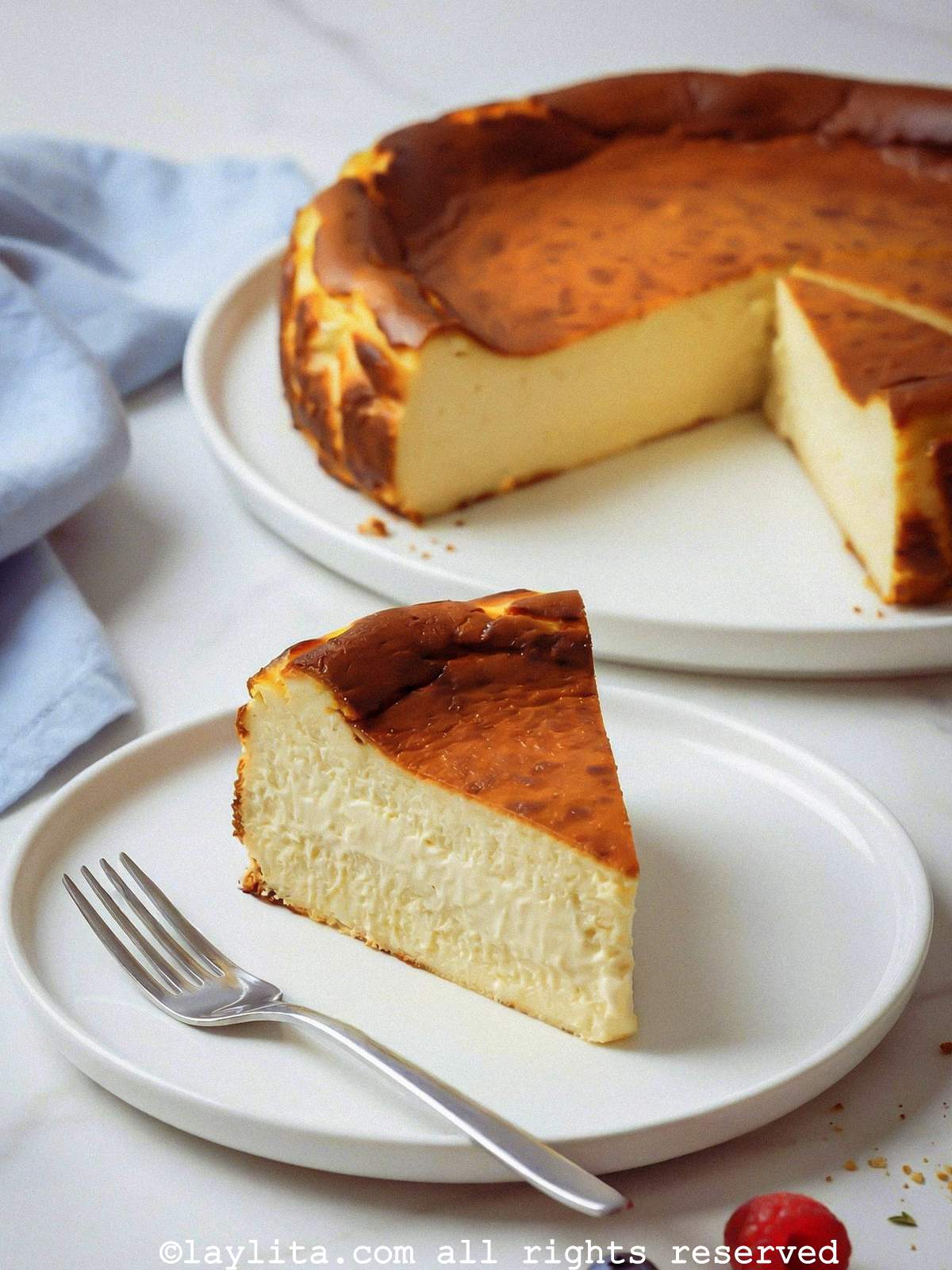
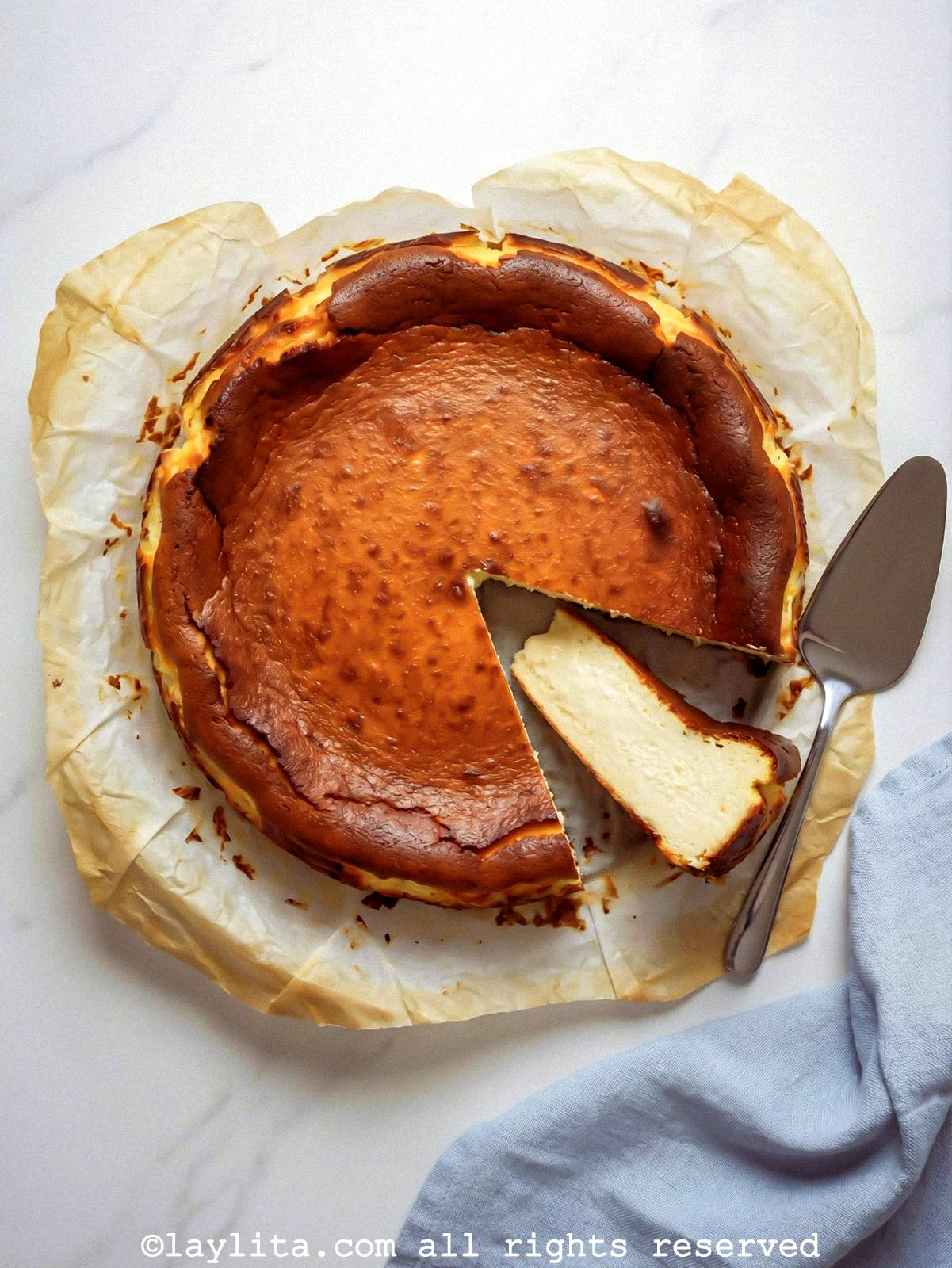
Unlike its rigid American counterpart, the New York-style cheesecake—which requires a precise graham cracker crust, a delicate water bath, and a meticulously monitored baking temperature to avoid surface blemishes—the Basque cheesecake thrives on imperfection. Characterized by a dark, almost scorched mahogany top and a decadent, custard-like center that gently wobbles when removed from the oven, the dessert has fundamentally redefined home and professional baking standards.
Origins and Evolution: From Basque Country Tapas Bar to Global Stage
The definitive history of the Basque cheesecake traces back to the late 1980s or early 1990s at La Viña, a family-run tavern situated in the historic Old Town of San Sebastián, in Spain’s Basque Country. Conceived by chef Santiago Rivera, the recipe was designed not as an avant-garde statement, but as a practical, crowd-pleasing dessert that could complement the savory pintxos lining the bar’s counter.
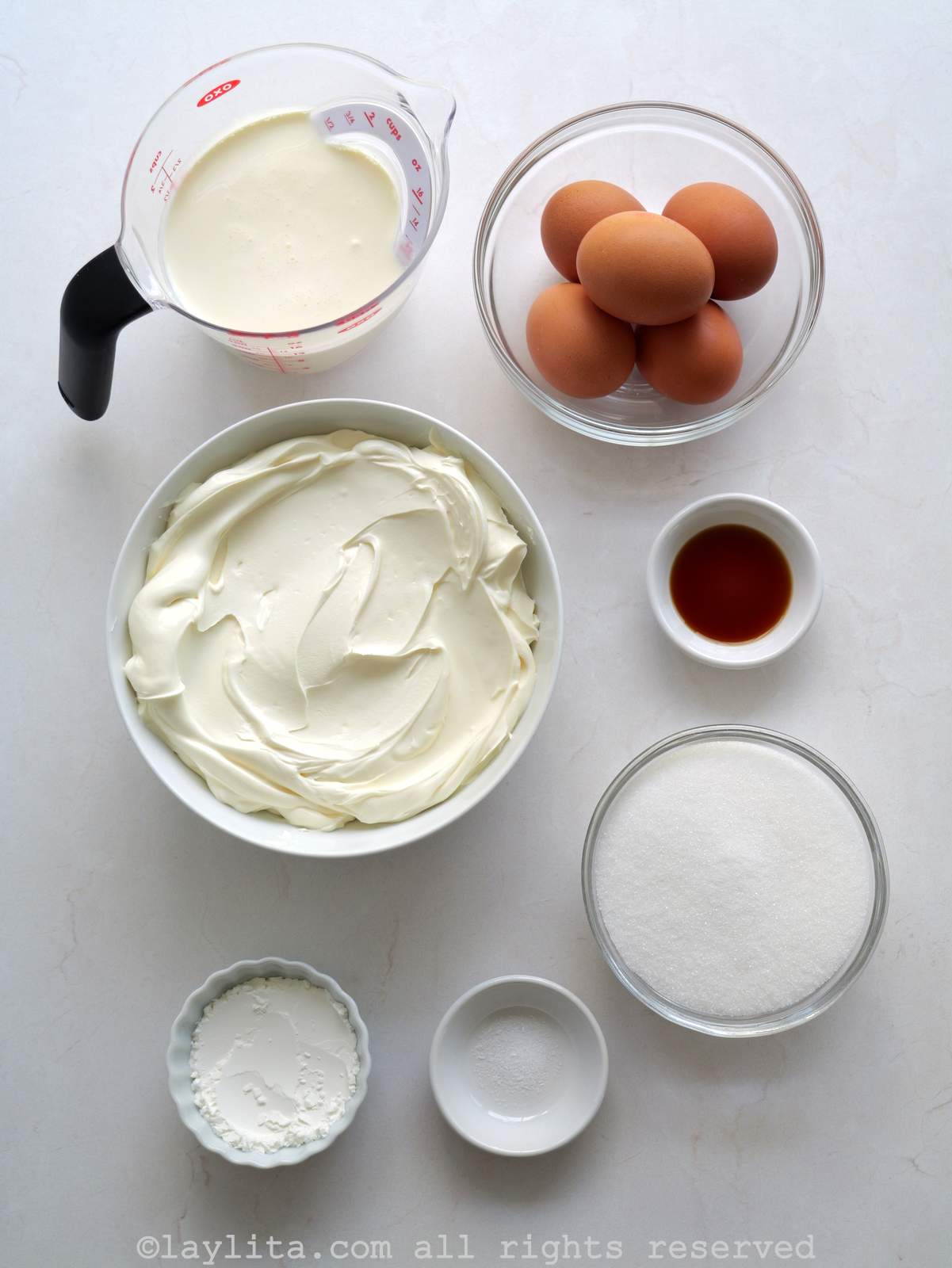
For decades, the recipe remained a regional secret, enjoyed primarily by locals and discerning travelers visiting the culinary capital of northern Spain. However, as international travel surged and food media shifted toward digital platforms in the late 2010s, the dessert experienced a viral renaissance. Food journalists, culinary influencers, and renowned pastry chefs began experimenting with Rivera’s minimalist ingredient list: cream cheese, sugar, eggs, heavy cream, vanilla, and a touch of flour or cornstarch.
By 2020, the burnt cheesecake had transcended its Spanish origins, appearing on menus from Tokyo to New York City. Culinary historians note that its meteoric rise coincided with a broader consumer fatigue surrounding overly manicured, highly decorated desserts. The unpretentious, rustic presentation of a burnt pastry resonated strongly with bakers seeking accessible yet impressive results during periods of widespread home cooking.
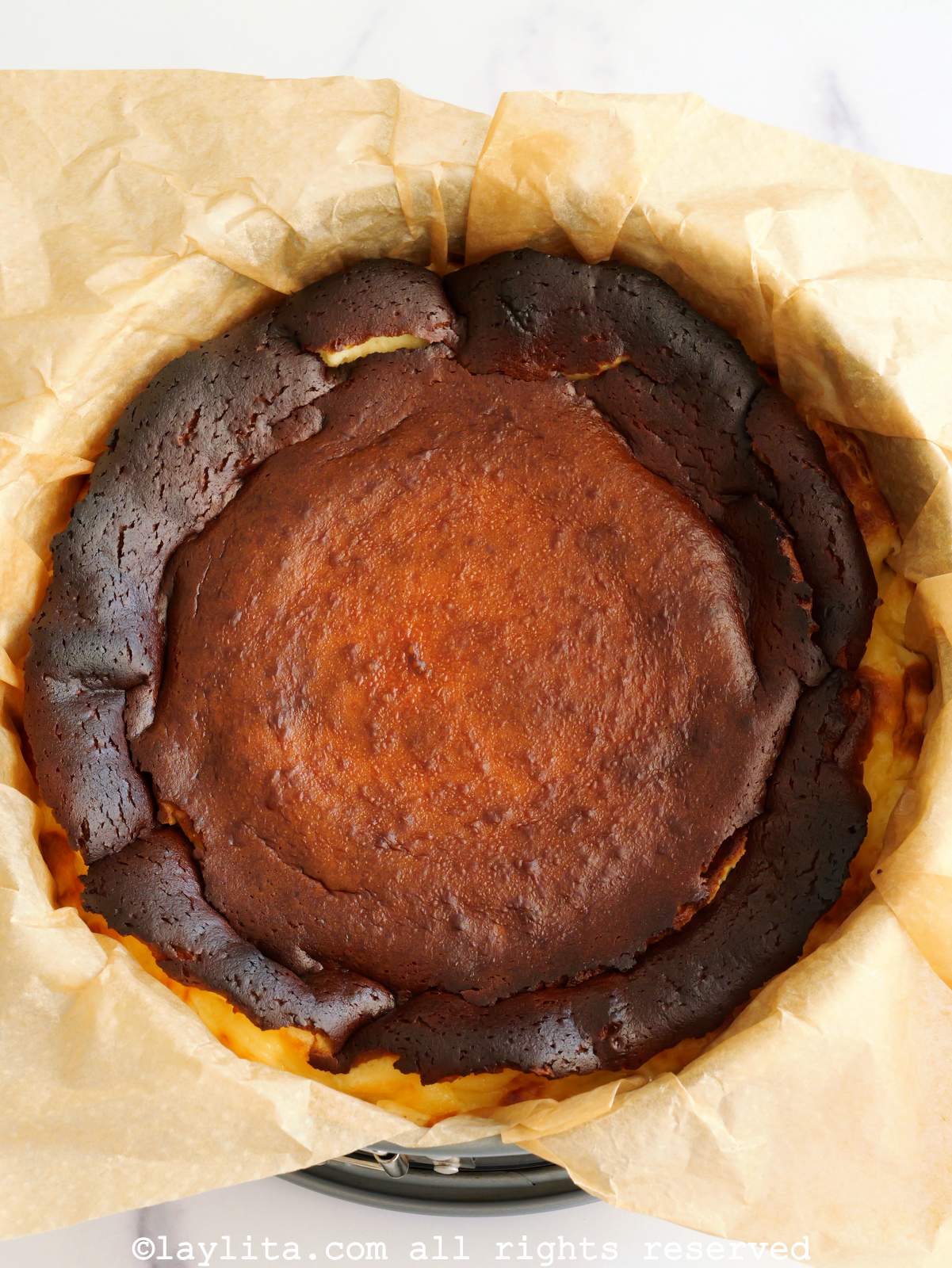
Culinary Mechanics: Why High Heat and No Water Bath Work
The scientific rationale behind the Basque cheesecake’s unique texture and appearance lies in thermal dynamics and Maillard browning. Traditional cheesecakes are baked at lower temperatures with steam insulation to prevent the proteins in the egg and dairy from overcoagulating and splitting.
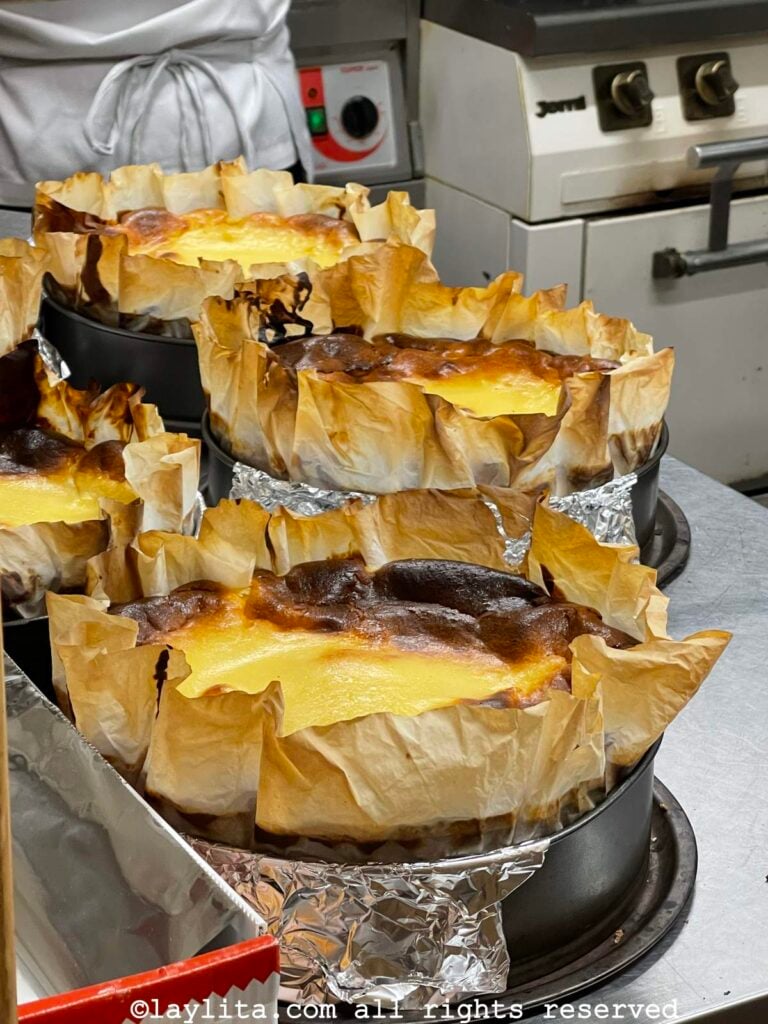
In contrast, the Basque method dictates a baking environment of intensely high heat—typically around 400°F (200°C) or higher—without a water bath. This direct, aggressive thermal exposure rapidly caramelizes the natural sugars and milk solids on the surface, creating the signature dark, bittersweet crust. Meanwhile, the interior remains shielded by its own mass, cooking more slowly to maintain a velvety, semi-set consistency that melts on the palate.
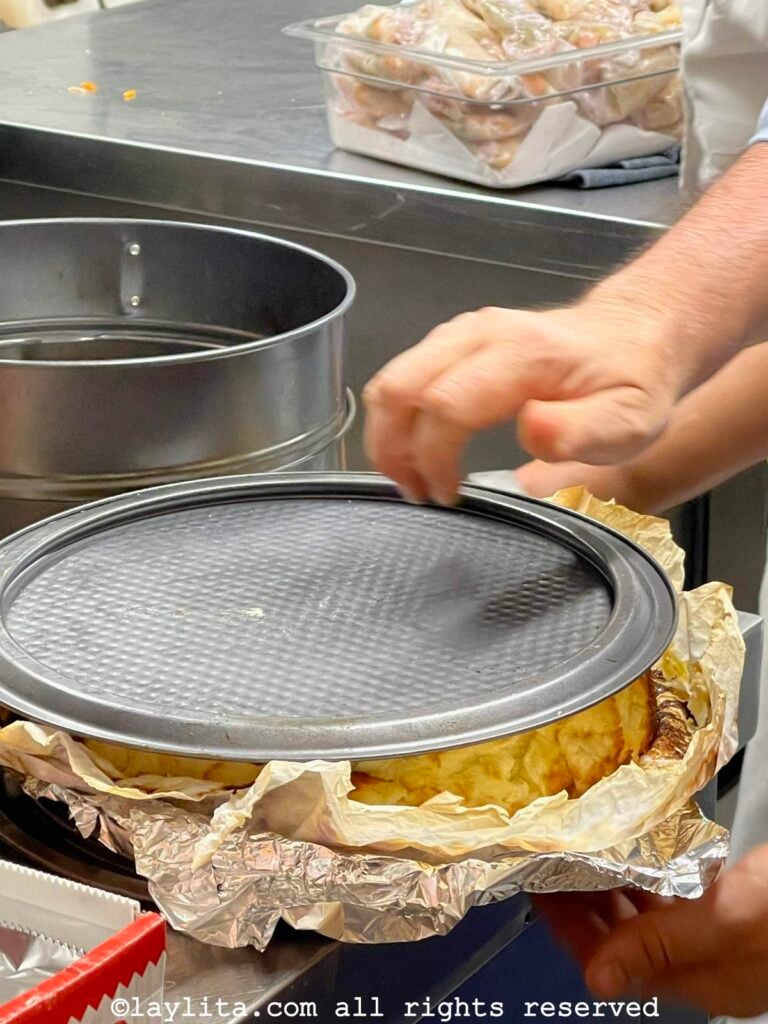
Nutritional and culinary analysts point out that the absence of a crust shifts the flavor profile entirely toward the dairy components. The high fat content from the cream cheese and heavy cream emulsifies under heat, allowing the dessert to set solely through protein coagulation rather than gelatin or chemical stabilizers.
Cultural and Economic Implications for the Baking Industry
The global proliferation of the burnt Basque cheesecake has generated measurable shifts within the commercial baking sector. Specialty patisseries and artisanal bakeries have capitalized on the trend by introducing regional variations, incorporating matcha in East Asia, ube in Southeast Asia, and dulce de leche in South America.
Furthermore, the recipe’s simplicity has democratized gourmet baking. Because the instructions explicitly call for a cracked surface and a dark exterior, novice bakers are liberated from the traditional anxieties of pastry perfection. Culinary economists observe that this lowered barrier to entry has driven a sustained surge in sales for basic baking commodities, including cream cheese, parchment paper, and springform pans.
Preservation, Longevity, and Consumption Trends
As the dessert continues to anchor menus worldwide, pastry chefs and home cooks have standardized best practices for its storage and service. Due to its high dairy content, a properly chilled Basque cheesecake maintains optimal structural integrity and flavor complexity for up to five days when refrigerated. Freezing individual slices, when wrapped meticulously in plastic and foil, extends its viability for up to two months, provided the thawing process occurs gradually overnight in a refrigerator to preserve the emulsion of fats.
Whether paired with an espresso at a neighborhood café or served alongside a tart fruit compote to balance its rich profile, the burnt Basque cheesecake endures as a testament to the fact that culinary excellence often emerges from embracing the unexpected. What began as a localized tavern experiment in San Sebastián has permanently altered the global conversation surrounding dessert innovation, proving that sometimes, burning your cake is the best thing you can do.