The Rise of the Arepa Burger: A Fusion Culinary Phenomenon Reshaping Global Comfort Food

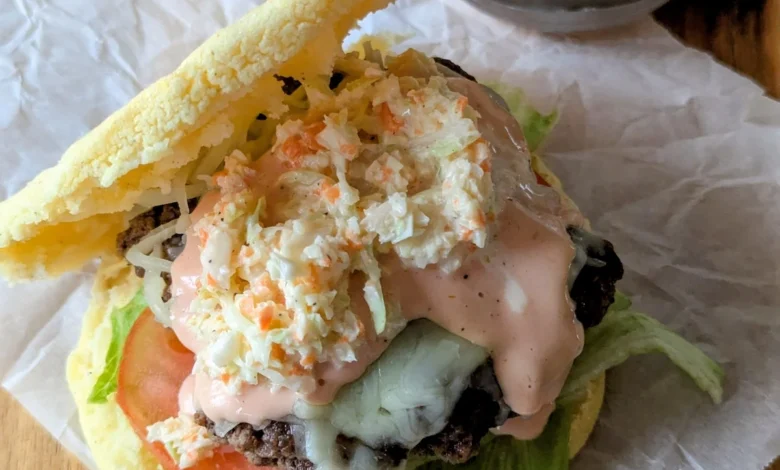
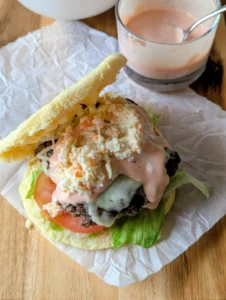
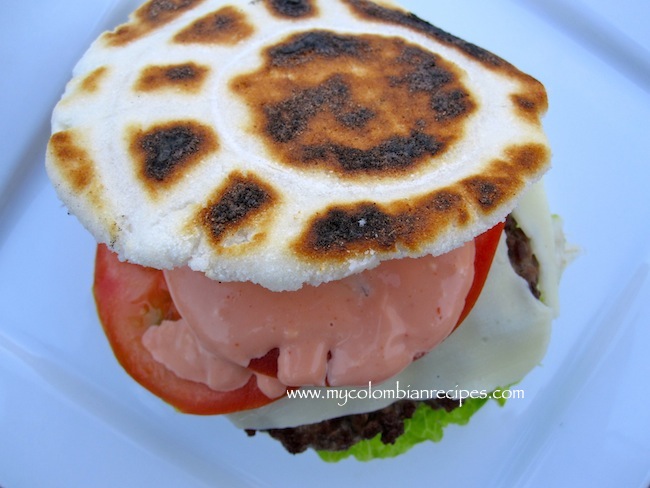
The intersection of traditional Latin American staples and contemporary global fast-casual dining has birthed a unique culinary innovation: the Arepa Burger. By replacing the conventional wheat-based hamburger bun with the traditional Colombian arepa—a maize-based flatbread—this dish has transitioned from a creative home-cooked experiment to a recognized menu item in fusion restaurants across North and South America. This development marks a broader trend in the culinary arts, where regional heritage foods are being reimagined to satisfy a modern appetite for gluten-sensitive, texture-rich, and globally inspired alternatives to standard American fare.
Historical Context and Cultural Significance of the Arepa

To understand the emergence of the Arepa Burger, one must first recognize the cultural weight of the arepa itself. A staple in Colombian and Venezuelan diets for centuries, the arepa is derived from pre-Columbian maize preparation techniques. Traditionally, the process involves soaking, hulling, and grinding corn to create a dough, which is then shaped into discs and cooked on a budare (a flat griddle).
While historically served as a side dish or a vessel for butter and cheese, the versatility of the arepa has allowed it to function as a foundational component for more complex meals. In recent decades, the globalization of Latin American cuisine has seen the arepa evolve from a localized morning staple into a versatile platform for international flavor profiles. The Arepa Burger, specifically, represents the fusion of the American concept of the burger—centered on a protein-heavy patty—with the distinct structural and flavor profile of the Colombian corn cake.
Chronology of a Culinary Fusion

The popularization of the Arepa Burger did not occur overnight; it was a gradual process accelerated by the rise of food blogging and the expansion of Latin American diaspora food markets.
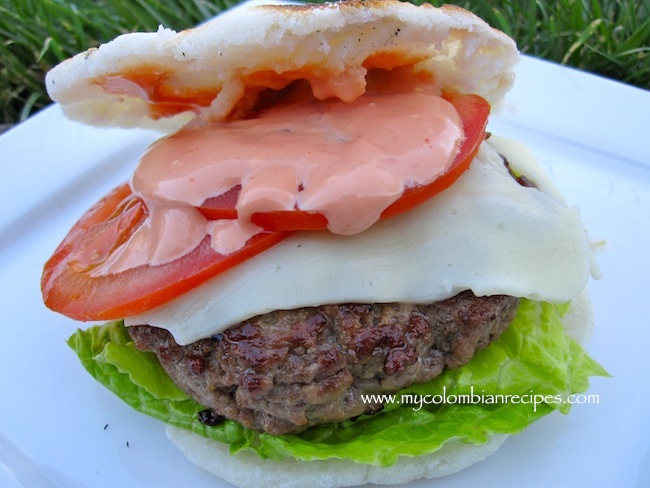
In the late 2000s and early 2010s, culinary enthusiasts and bloggers, such as Erica Dinho of My Colombian Recipes, began documenting the marriage of these two iconic items. The initial concept was simple: if an arepa could hold cheese, meat, and vegetables in a sandwich-like format, it could theoretically house a seasoned beef patty.
By 2012, the recipe began appearing with frequency on digital platforms, signaling a shift in how home cooks viewed the arepa. It was no longer relegated to breakfast or a quick snack; it was now a viable, robust dinner option. As these recipes gained traction, brick-and-mortar establishments, particularly in cities with significant Colombian populations like Miami, New York, and Bogota, began integrating the item into their menus. This transition from a home-based recipe to a commercial offering provided the necessary validation for the dish to be considered a legitimate culinary trend rather than a mere novelty.

Supporting Data and Nutritional Profiles
The Arepa Burger’s popularity is partially fueled by its distinct nutritional profile compared to traditional bread-based burgers. A standard commercial hamburger bun typically relies on refined wheat flour, which often lacks the fiber and micronutrient density found in corn-based alternatives.
According to nutritional data estimates, an average Arepa Burger, when prepared with a high-quality lean beef patty and fresh garnishes, offers a different balance of macronutrients. Because the arepa is made from precooked cornmeal (masarepa), it is inherently gluten-free, a factor that has driven its appeal among consumers with dietary restrictions. A typical serving—comprising a corn patty, a lean meat portion, and standard vegetable toppings—contains approximately 300 to 450 calories, with protein levels reaching upwards of 20 grams per serving. This makes it an attractive option for consumers seeking a substantial, energy-dense meal that aligns with gluten-conscious dietary trends.
Market Implications and Industry Analysis
The success of the Arepa Burger highlights a significant shift in the food service industry: the "fusion-first" approach. Major restaurant chains and independent bistros are increasingly looking toward Latin American traditional ingredients to differentiate their offerings.
From an economic perspective, the Arepa Burger serves as a high-margin item. The base ingredients—cornmeal, water, and salt—are remarkably inexpensive and shelf-stable, allowing for low food-cost percentages. Simultaneously, the dish is perceived by consumers as "gourmet" or "artisanal" due to the hand-pressed nature of the arepas and the cultural storytelling associated with the dish.

Market analysts suggest that this trend is not merely a fad but a permanent fixture in the "casualization" of dining. As consumers continue to move away from standardized, factory-produced fast food, the demand for items that offer a sense of place and heritage will continue to rise. The Arepa Burger provides this sense of authenticity while remaining accessible to a broad, international palate.
Preparation Methods and Culinary Standardization
While the Arepa Burger is celebrated for its versatility, there is a degree of standardization required to ensure quality. The process typically involves three distinct phases:
- Dough Preparation: The foundation is the masa. High-quality precooked white or yellow cornmeal is hydrated and kneaded until the dough is smooth and devoid of cracks.
- The Griddle Process: To achieve the characteristic texture, the arepas must be cooked on a high-heat surface. This creates a Maillard reaction on the exterior, resulting in a crispy, golden-brown crust, while maintaining a steaming, soft interior.
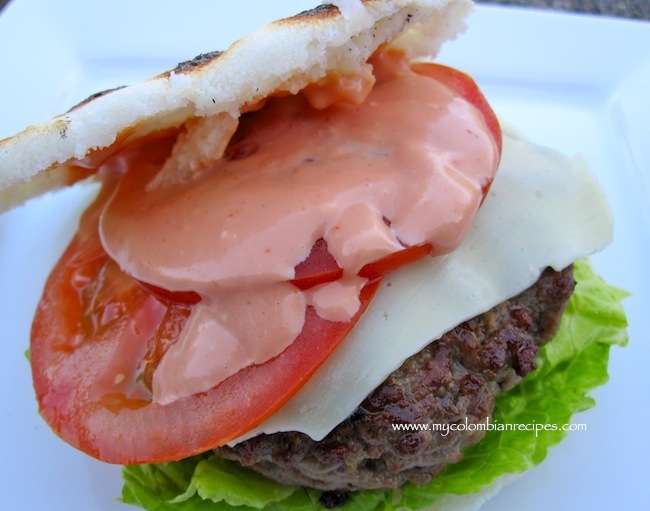
- The Assembly: Unlike a traditional burger where the bun is merely a container, the arepa serves as a structural participant. It must be thick enough to support the moisture of the patty and the associated sauces—often salsa rosada (a blend of mayonnaise and ketchup), garlic sauce, or hogao (a traditional Colombian tomato and onion creole sauce).
Official Responses and Culinary Criticism
Professional chefs and culinary critics have noted that the success of the Arepa Burger lies in the contrast of textures. The crunch of the corn exterior, combined with the savory, juicy nature of a flame-grilled patty, provides a tactile experience that a soft brioche or sesame seed bun cannot replicate.
While some purists argue that the arepa should remain distinct from the burger, the general consensus within the food industry is that the dish represents a positive evolution of the "world burger" category. By incorporating regional sauces like hogao or toppings like coleslaw, the Arepa Burger allows for a high degree of local customization, further cementing its place in the modern culinary canon.

Broader Impact and Future Outlook
The impact of the Arepa Burger extends beyond the plate; it is a symbol of the broader integration of Latin American culture into the global food landscape. As the demographic footprint of Latin American communities continues to grow, the culinary influence—characterized by the use of corn, avocado, and fresh, acidic salsas—is becoming a permanent feature of global urban dining.
Looking forward, the trajectory of the Arepa Burger suggests a potential for expansion into the frozen and prepared-foods sector. As consumer interest in diverse, ethnic-inspired, and gluten-free options remains high, retailers are likely to explore mass-market versions of this fusion dish.
Ultimately, the Arepa Burger stands as a testament to the power of culinary innovation. By stripping away the traditional bread-based boundaries of the burger and replacing them with a time-honored staple of the Andes, chefs and home cooks have created a dish that is as culturally resonant as it is satisfying. It is an example of how the best food trends are often those that find a bridge between the comfort of the familiar and the excitement of the new. Whether served in a high-end bistro or a home kitchen, the Arepa Burger has secured its status as a significant development in contemporary global cuisine.
Related posts: