Boozy Tequila-Soaked Chamoy Grapes Are the Latest Culinary Trend Sweeping Social Media

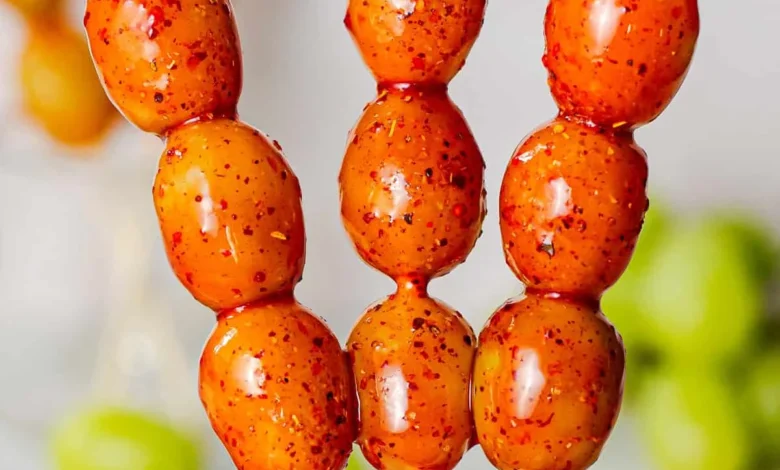
The rise of social media platforms like TikTok has fundamentally altered the trajectory of modern gastronomy, transforming home-kitchen experiments into viral sensations that define seasonal entertaining. The latest phenomenon capturing the attention of food enthusiasts and party hosts alike is the emergence of "boozy grapes," or uvas entequiladas—a preparation involving green grapes infused with silver tequila, finished with a coating of chamoy and chili-lime seasoning. This culinary trend, which combines the crisp, hydrating nature of fruit with the sharp, acidic profiles of Mexican street food staples, reflects a broader consumer interest in "spicy-sweet" flavor combinations that have seen a significant surge in market presence over the last five years.
Origins and Cultural Context
The trend traces its initial traction to individual content creators, such as La Marihelena, who showcased the preparation of these alcohol-infused fruits. The technique involves a process of maceration, where the internal structure of the grape is compromised to allow for the absorption of spirits. While the concept of "drunken fruit" is not new—historically manifesting in forms like bourbon-soaked cherries or rum-infused pineapple—the specific integration of chamoy and Tajín represents a distinct cross-cultural synthesis.
Chamoy, a savory condiment traditionally made from pickled fruits, chili, salt, and lime, serves as a cornerstone of Mexican snack culture. When paired with Tajín, a commercial brand of chili-lime salt, it creates a profile known as acidito. This combination has transitioned from traditional Mexican fruit cups (vasitos de fruta) and mangonadas to become a mainstream ingredient in American culinary innovation. Industry analysts note that the popularity of these grapes mirrors a shift toward "high-low" food experiences: simple, accessible ingredients elevated through infusion and bold, global seasoning profiles.

The Science of Infusion
The preparation of tequila-soaked grapes relies on the osmotic process. In professional and amateur settings alike, the primary challenge is the waxy, hydrophobic cuticle of the grape skin, which naturally resists liquid penetration. To circumvent this, the preparation requires the use of a toothpick or fork to create micro-perforations in the skin of each grape.
According to culinary experts who have analyzed the technique, the duration of the soak is a critical variable. A minimum immersion time of four hours is required to allow the tequila to permeate the fruit flesh. However, data from early adopters suggests that exceeding a 24-hour window can lead to a breakdown in the structural integrity of the fruit, resulting in an overly soft texture that lacks the intended "snap." By keeping the grapes refrigerated during this phase, the cold temperatures help maintain the grape’s turgidity while the alcohol content alters the flavor profile, balancing the natural glucose of the fruit with the earthy, agave-forward notes of silver tequila.

Preparation and Methodology
The standard preparation protocol, which has become the de facto industry standard for home entertainers, involves four distinct phases:
- Structural Preparation: Utilizing a clean, sterile tool to pierce the skin of each grape. This step is essential for flavor transfer.
- Alcoholic Maceration: Submerging the fruit in a high-quality silver tequila. Silver tequila is preferred over aged varieties (such as reposado or añejo) due to its neutral profile, which allows the subsequent seasoning to remain the focal point of the palate.
- Straining and Emulsification: Once removed from the tequila, the fruit is strained. The remaining liquid—often referred to as "grape-infused tequila"—is frequently reserved, creating a secondary product for cocktail applications.
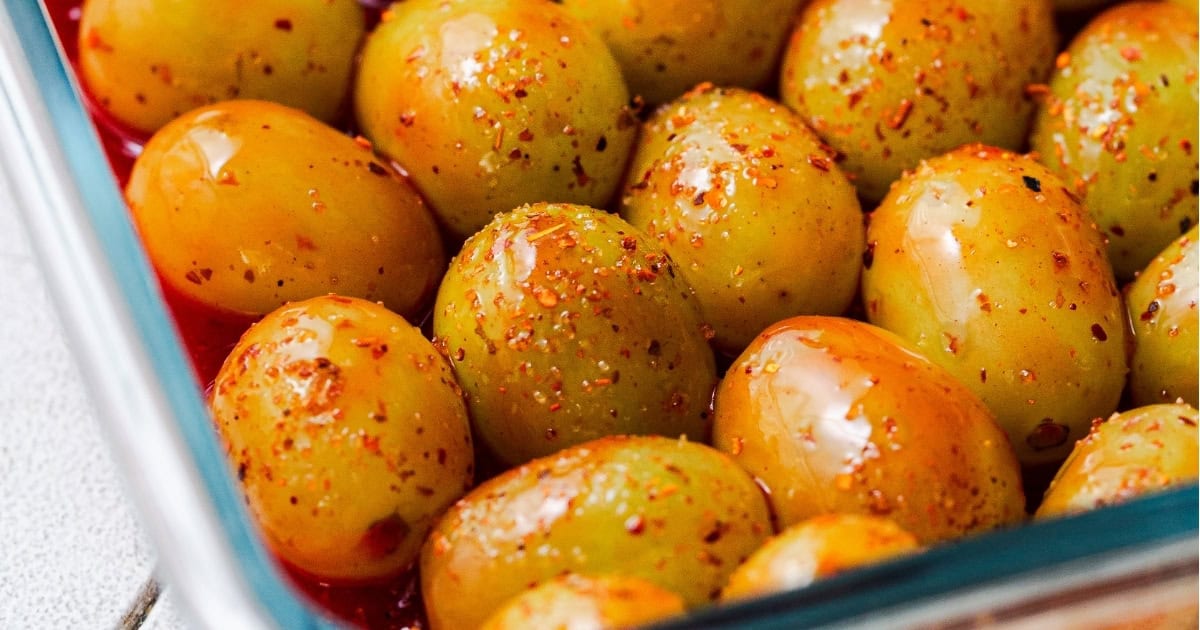
- Final Seasoning: The grapes are tossed in a mixture of chamoy and chili-lime seasoning. The viscous nature of the chamoy acts as a binder, ensuring the dry seasoning adheres evenly to the surface of the fruit.
Market Implications and Culinary Impact
The rapid adoption of boozy grapes suggests a shift in how alcohol is consumed at social gatherings. As interest in low-ABV (alcohol by volume) or moderate-consumption options grows, these grapes offer a controlled, portion-sized method of incorporating spirits into a menu. Nutritionists point out that while the calorie count per serving—estimated at approximately 43 kcal—is relatively low compared to traditional dessert items, the inclusion of alcohol requires a level of moderation in consumption, particularly for large-scale events.

From an economic perspective, the trend has provided a boost to the sales of both artisanal chamoy manufacturers and major condiment brands. Retail data suggests that consumers searching for "chamoy" and "Tajín" in digital marketplaces have increased by double-digit percentages since the onset of this trend. Furthermore, the simplicity of the recipe allows for significant scalability; whether for a small intimate dinner or a large-scale catering event, the ingredients remain consistent and cost-effective.
Variations and Future Trends
While the classic recipe remains the standard, variations have begun to emerge, reflecting regional preferences and seasonal availability. Common modifications include:

- Sweetening Agents: For batches where the grapes are naturally tart, the addition of agave nectar or honey can balance the acidity of the chamoy.
- Texture Modification: If the fruit becomes overly soft during the soaking process, a brief period in a freezer (30 to 60 minutes) can restore the necessary crispness, a technique borrowed from the preparation of frozen grapes.
- Non-Alcoholic Substitutions: For non-alcoholic alternatives, the tequila can be substituted with lime juice or a zero-proof spirit, ensuring the dish remains inclusive for all demographics.
Analysis of the Phenomenon
The sustained interest in these boozy grapes underscores a broader cultural movement toward interactive, DIY (do-it-yourself) food projects that are inherently "shareable." The visual appeal of the vibrant, red-dusted grapes against the bright green interior, often served on skewers, aligns perfectly with the requirements of image-centric social media platforms.
However, beyond the aesthetic appeal, there is a legitimate culinary foundation to the trend. The contrast between the sweet, juicy grape, the biting heat of the chili-lime seasoning, and the slight burn of the tequila creates a sophisticated flavor profile that engages multiple senses simultaneously. As food creators continue to experiment with these base ingredients, it is likely that we will see more complex iterations, perhaps involving flavored tequilas, different fruit varieties, or even the incorporation of dehydrated fruits to intensify the flavor profile.

For the home host, the boozy grape represents a rare combination: a high-impact, conversation-starting appetizer that requires minimal technical skill but provides a high degree of customization. As the trend matures, it remains to be seen whether it will solidify its place as a permanent staple of the modern appetizer rotation or remain a seasonal novelty. Current indicators, however, suggest that the demand for bold, spicy, and fruit-forward snacks will continue to grow, keeping recipes like these at the forefront of the culinary conversation.
Related posts: