Mastering Haricots Verts Amandine: A Timeless Culinary Tradition Elevating Everyday Produce to Fine Dining Status

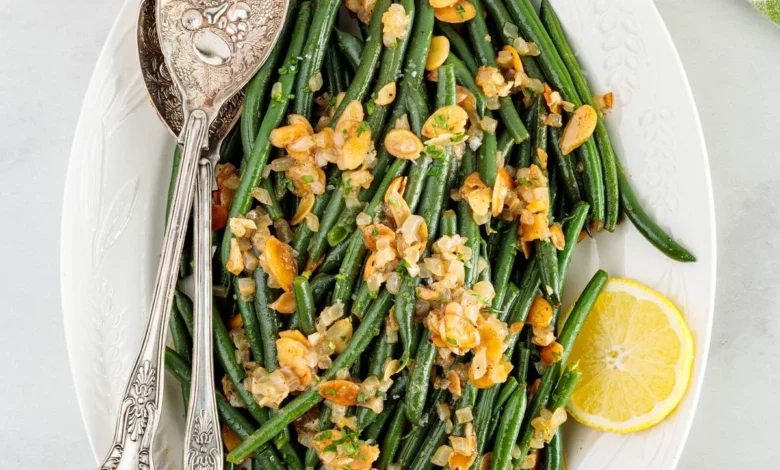
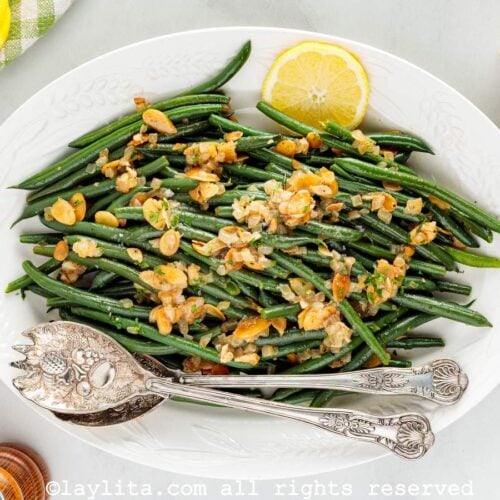
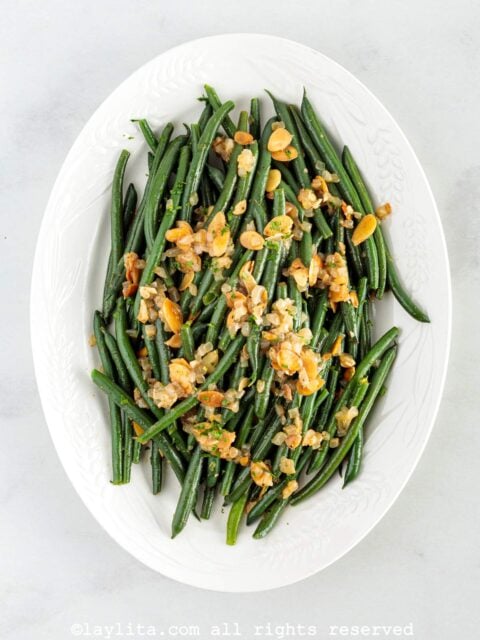
The intersection of classic French culinary technique and modern home cooking has long provided a framework for transforming simple, raw agricultural produce into globally celebrated dishes. Among these, French Style Green Beans with Almonds—universally recognized as Haricots Verts Amandine or Green Beans Almondine—stands out as a masterclass in culinary minimalism. Comprising tender blanched green beans, sliced almonds toasted in rich brown butter, aromatic shallots, fresh lemon, and a delicate finish of fresh parsley, this preparation bridges the gap between everyday vegetable side dishes and high-end gastronomy. Culinary historians and modern food scientists alike continue to study the dish for its precise balance of textures and flavors, noting how a short list of accessible ingredients can yield a sophisticated profile that remains relevant in both holiday spreads and weeknight dining.
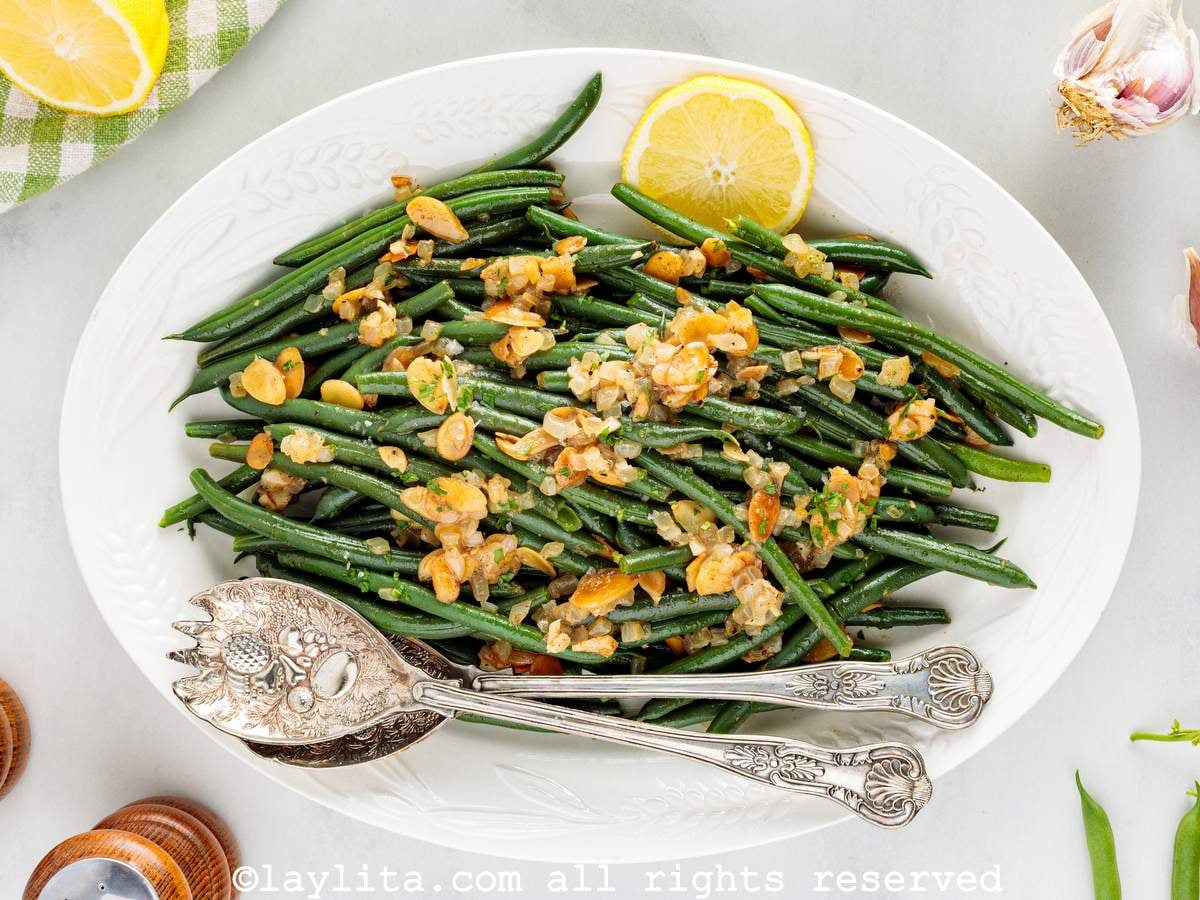
Historical Context and Culinary Evolution
The term amandine—derived from the French word amande, meaning almond—refers to a culinary style that garnishes a main component with almonds, typically cooked in butter. While the exact genesis of Haricots Verts Amandine is difficult to trace to a single chef or decade, its roots are deeply embedded in classical French cuisine, which heavily relies on beurre noisette (brown butter) to impart a complex, nutty depth to lightly cooked vegetables.
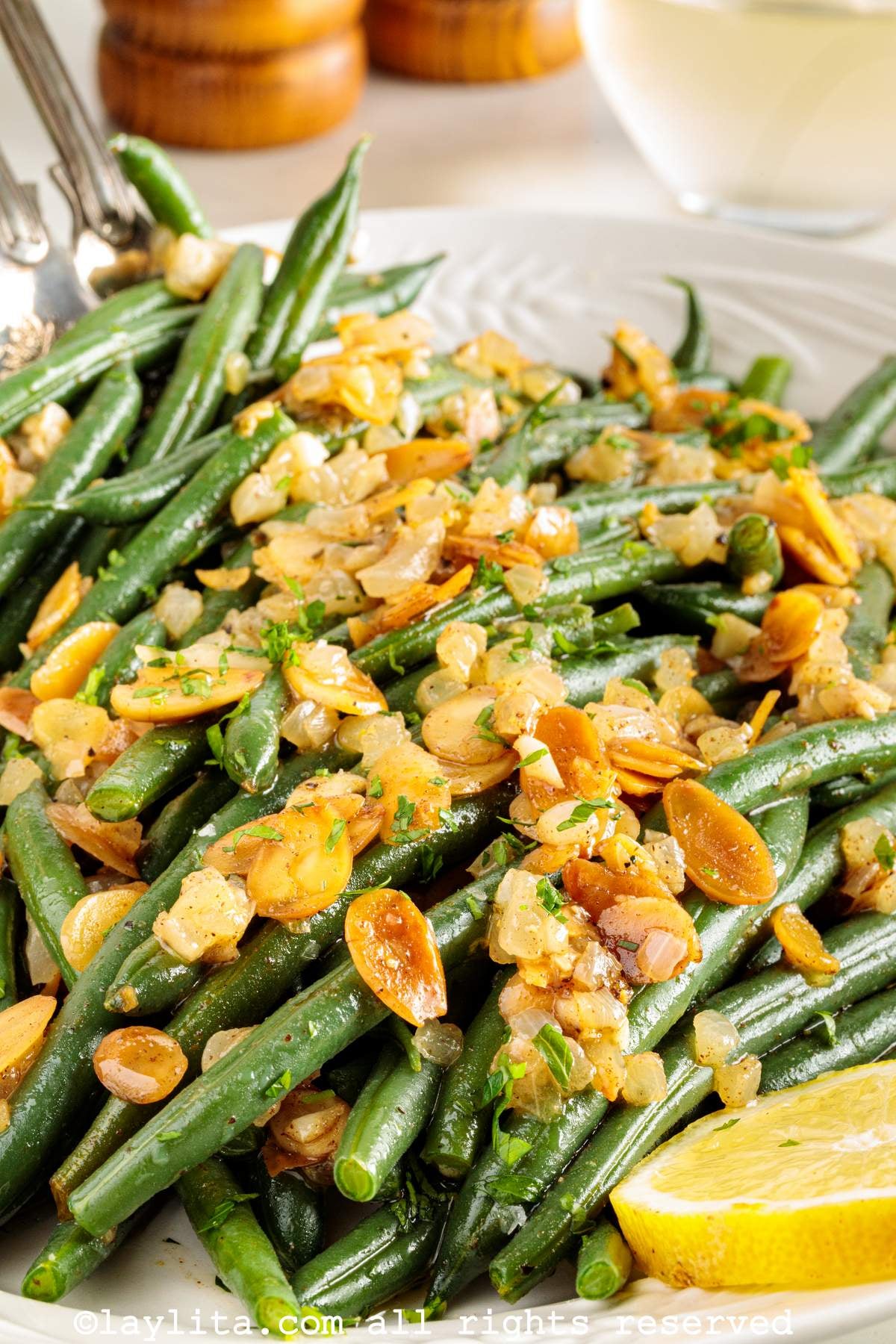
Traditionally, French cooks favored haricots verts—the slender, crisp green bean variety indigenous to France—over the thicker, more fibrous common green beans more frequently cultivated in North America. The introduction of the amandine preparation to the broader international culinary landscape occurred mid-20th century, accelerated by the globalization of French restaurant culture and cookbook publications. Over successive decades, home cooks and professional culinary artists adopted the method because it fundamentally honors the structural integrity of the vegetable while applying layers of rich, aromatic enhancement.
Chronology of Preparation: The Scientific Approach
Achieving the ideal plate of Haricots Verts Amandine requires adherence to a strict chronological sequence. Each step serves a vital biochemical purpose, ensuring that the final dish achieves the coveted balance of crisp-tender texture, vibrant green coloration, and robust flavor.
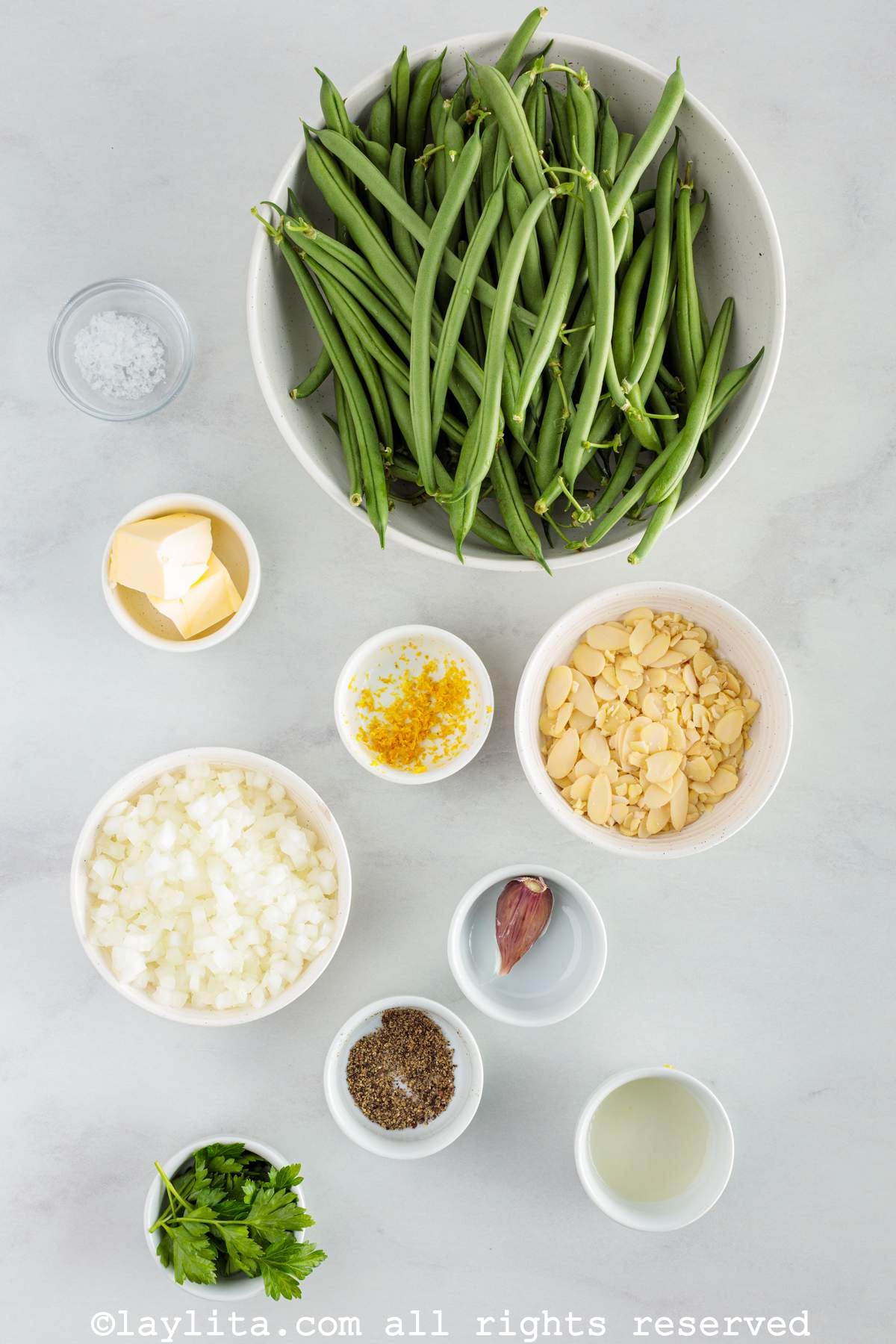
1. Blanching the Green Beans
The preparation begins by bringing a large pot of heavily salted water to a rolling boil. The immersion of fresh green beans into boiling water for a strictly monitored duration—typically two to four minutes—partially cooks the vegetable while breaking down initial cell walls just enough to soften the raw bite. Crucially, the high heat denatures enzymes that would otherwise cause the chlorophyll in the beans to degrade, preserving a brilliant, vibrant emerald hue.
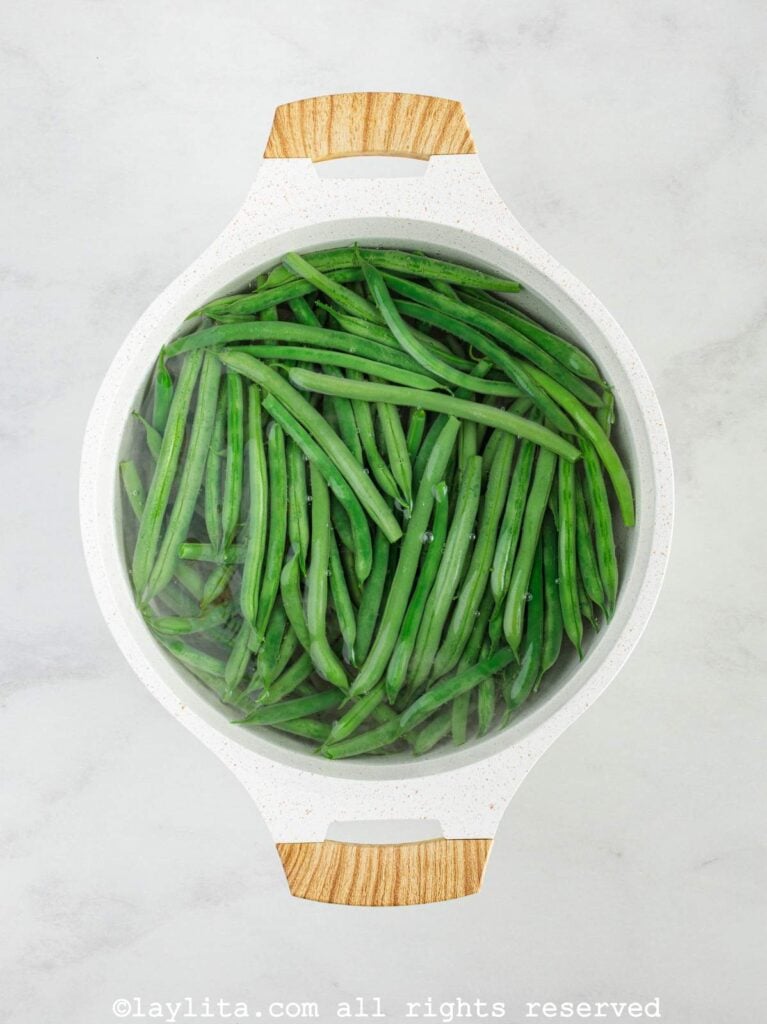
2. The Shocking Process (Ice Bath)
Immediately following the blanching phase, the beans must be transferred via a slotted spoon or colander into a pre-prepared ice bath—a large bowl filled with cold water and ice cubes. This thermal shock halts the cooking process instantly, locking in the vivid green color and ensuring the beans retain a crisp, structural snap rather than becoming waterlogged and limp.
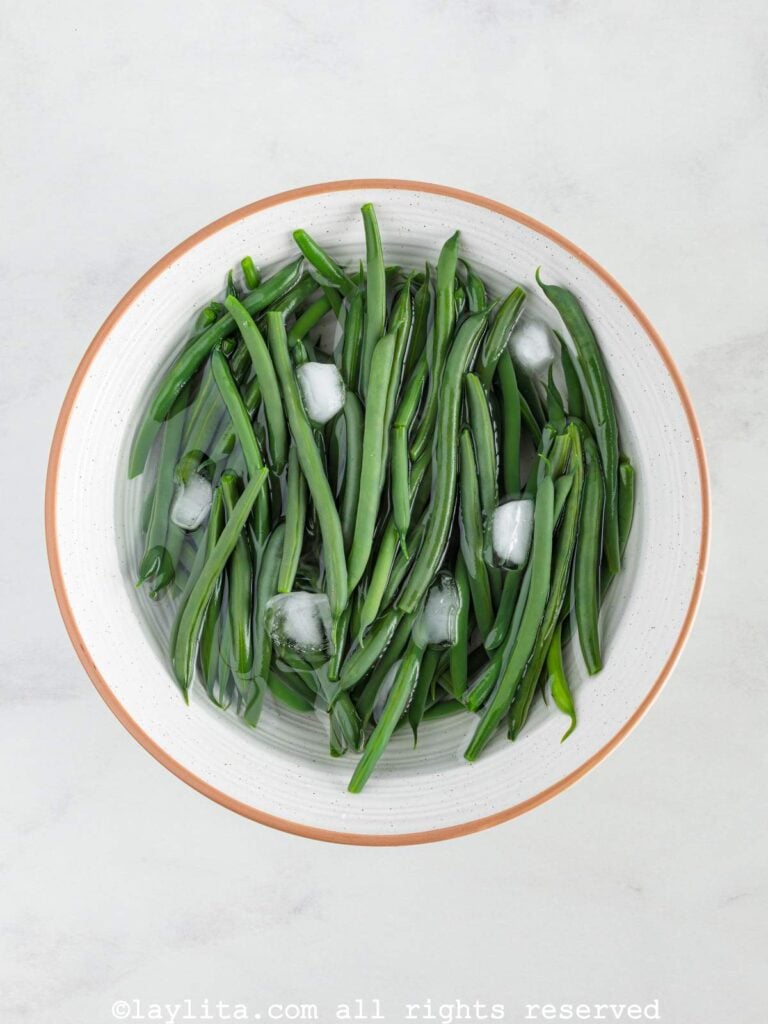
3. Brown Butter and Shallot Infusion
The sauce component relies heavily on the careful rendering of unsalted butter in a wide skillet over medium-low heat. As the milk solids in the butter separate and toast, they transform into beurre noisette, releasing a distinct aroma of toasted hazelnuts and caramel. Finely minced shallots are introduced at this stage, softening gently in the warm fat to impart a mild, sweet onion note that avoids the sharpness associated with raw onions or heavy garlic.

4. Toasting the Almonds
Sliced or slivered almonds are added directly to the foaming brown butter. Because nuts contain high levels of natural oils, the hot butter rapidly toasts the almond surfaces, deepening their crunch and harmonizing their nutty profile with the toasted notes of the butter. Culinary experts advise constant stirring during this phase to prevent the delicate almond slices from burning.
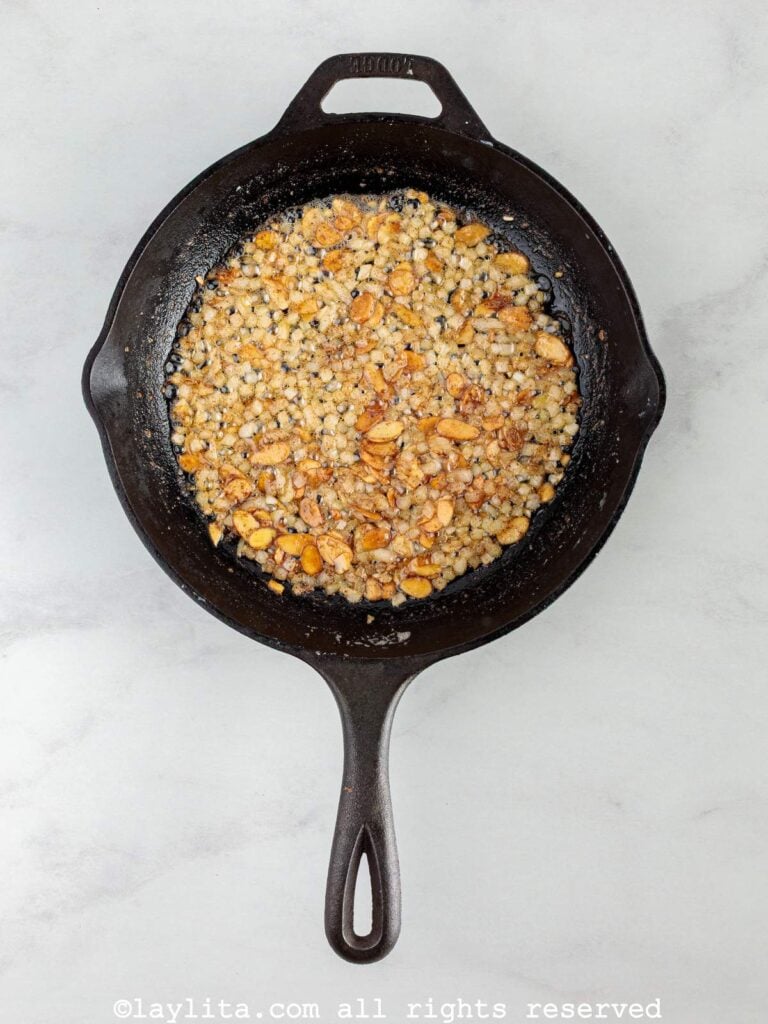
5. Final Assembly and Seasoning
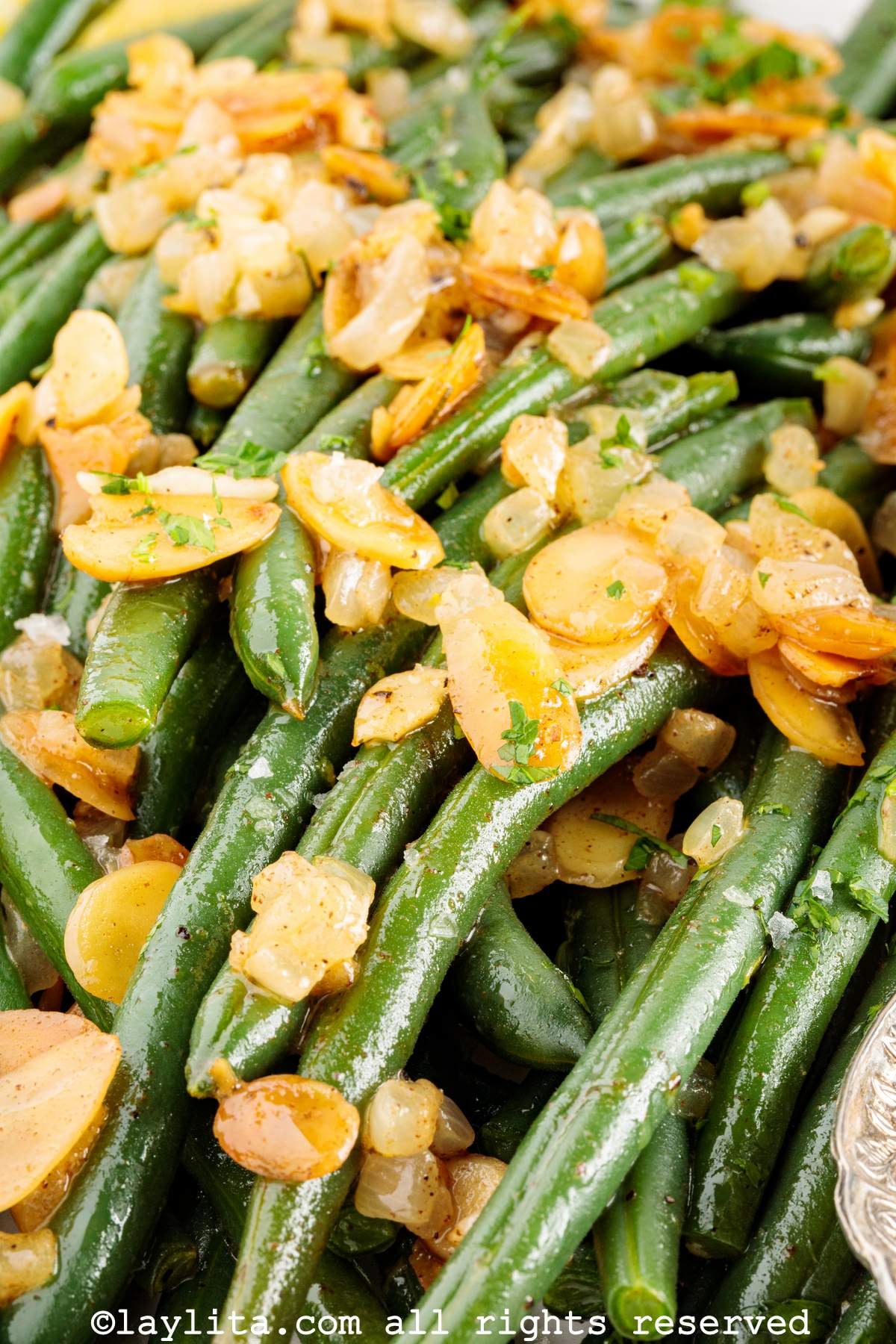
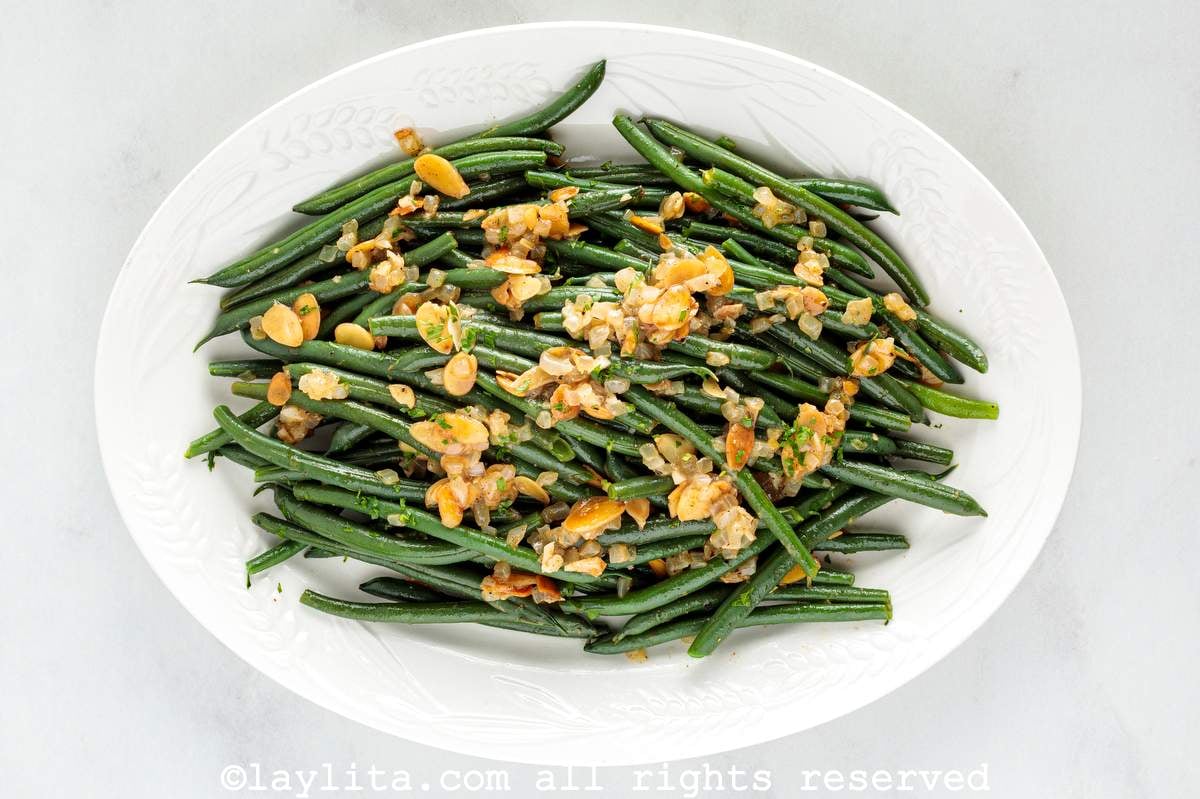
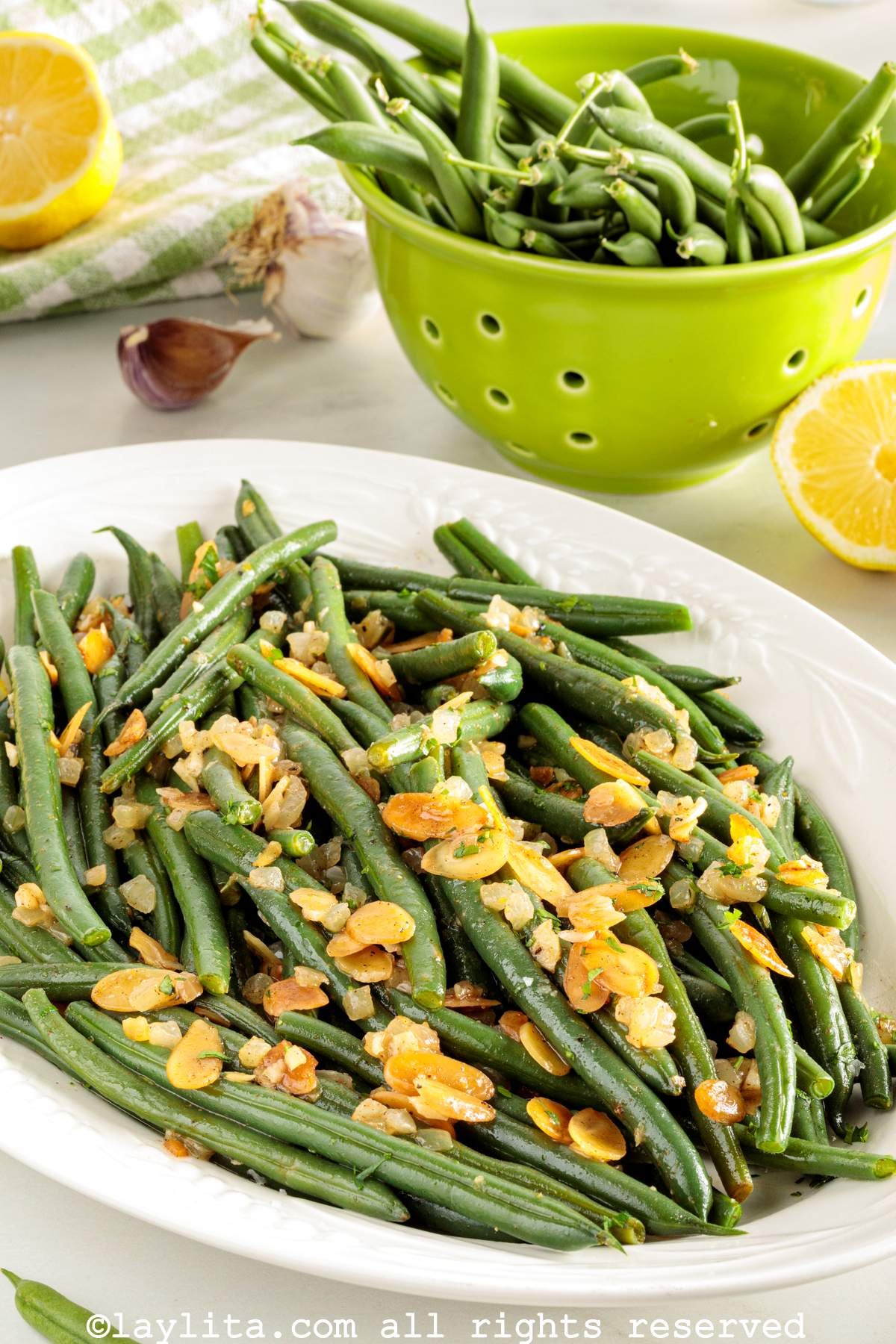
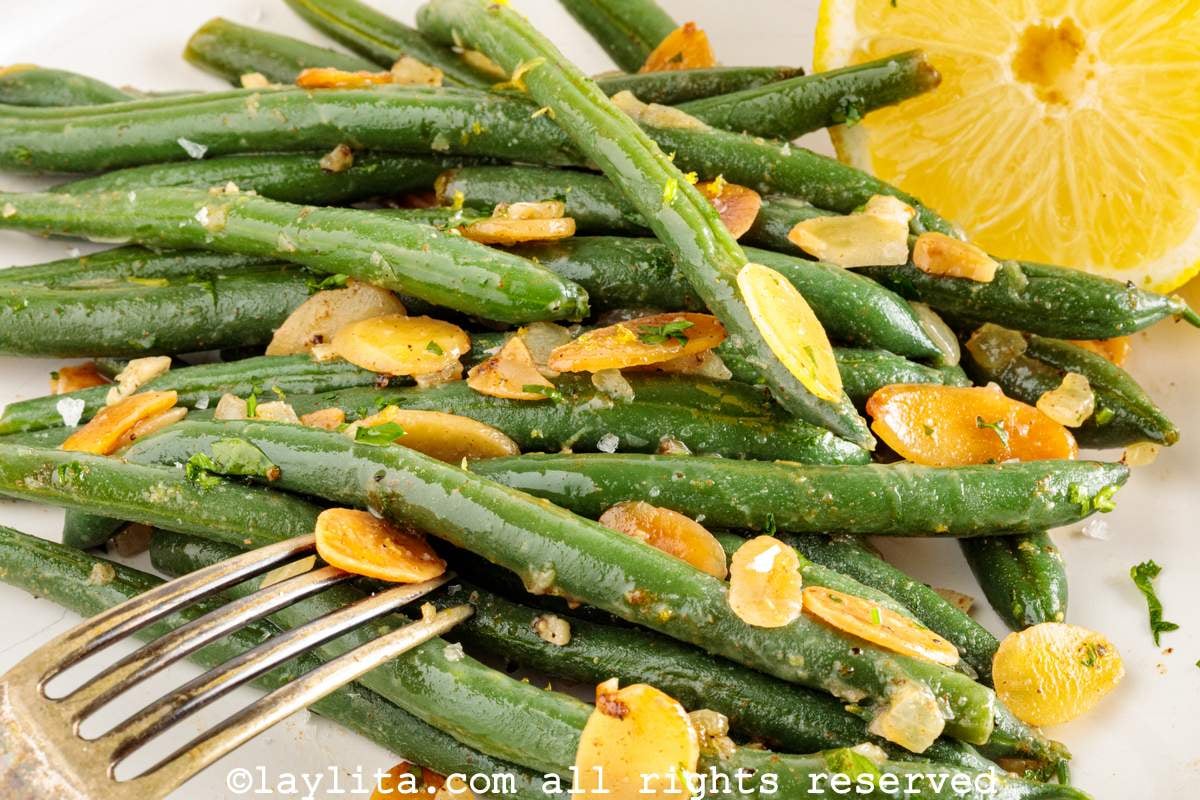
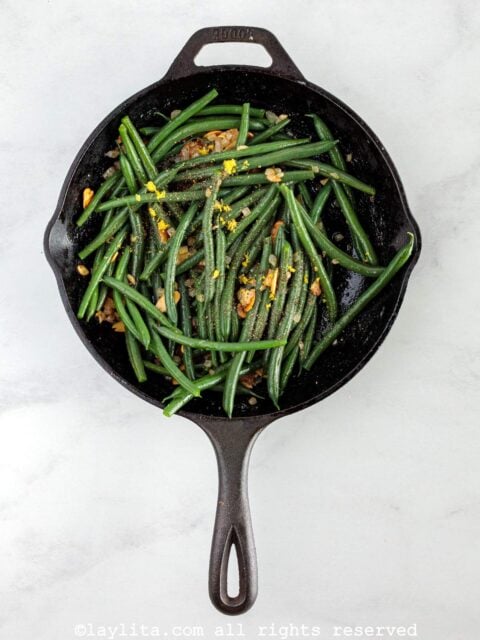
The blanched, thoroughly dried green beans are folded into the skillet containing the almond, shallot, and brown butter mixture. Tossed gently over low heat just until warmed through, the beans absorb the luxurious fat without losing their crunch. Just before removing the skillet from the heat, a splash of fresh lemon juice is incorporated to cut through the richness of the butter, followed by a generous dusting of freshly chopped flat-leaf parsley for a vibrant herbal finish.
Nutritional Profile and Dietary Implications
From a nutritional perspective, Haricots Verts Amandine offers a favorable balance of macronutrients and micronutrients, provided it is consumed within the context of a balanced diet. Green beans are recognized as an exceptional source of dietary fiber, Vitamin C, Vitamin K, and folate. They contribute low caloric density and contain substantial amounts of antioxidants that combat cellular oxidative stress.
The inclusion of almonds introduces plant-based proteins, monounsaturated fats—which support cardiovascular health—and essential minerals such as magnesium and Vitamin E. However, the presence of butter means the dish carries a higher saturated fat content than raw or steamed green beans alone. Nutritionists suggest utilizing high-quality unsalted butter and moderating portion sizes to enjoy the rich flavor profile while maintaining cardiovascular wellness goals. Furthermore, the dish naturally aligns with vegetarian and gluten-free dietary frameworks, making it a versatile option for diverse dining groups.
Industry Perspectives and Holiday Integration
Culinary professionals and catering directors frequently cite Haricots Verts Amandine as an indispensable menu item for large-scale events, weddings, and major holiday celebrations such as Thanksgiving and Christmas. The primary operational advantage lies in its split-preparation workflow: chefs and home cooks can execute the labor-intensive blanching and shocking phases up to 48 hours in advance. By storing the chilled, dried beans in sealed containers in the refrigerator, kitchens can bypass last-minute vegetable prep during high-pressure service windows.
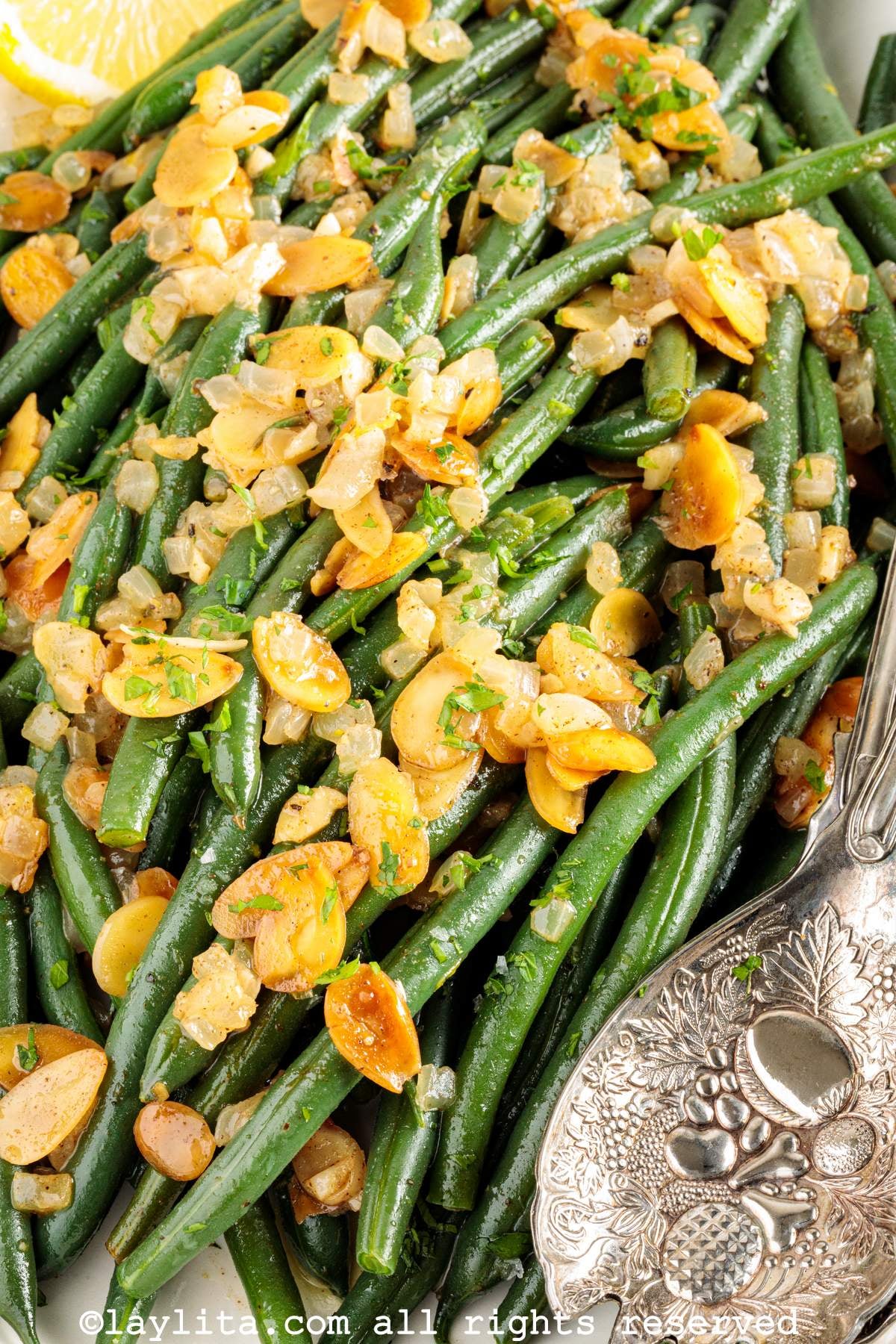
According to prominent food service analysts, vegetable side dishes that offer advanced preparation capabilities see a significant surge in consumer demand during the fourth-quarter holiday season. Executive chefs emphasize that the visual appeal of bright green beans contrasted against golden almonds and brown butter photographs exceptionally well, driving its sustained popularity across digital food platforms and lifestyle publications.
Broader Economic and Agricultural Impact
The commercial viability of Haricots Verts Amandine relies heavily on the global supply chain for fresh specialty produce and tree nuts. The cultivation of slender French green beans requires specific temperate climates and intensive hand-harvesting or specialized mechanized picking to ensure the produce remains tender and stringless. Similarly, the almond industry—centered significantly in regions like California’s Central Valley—operates under complex agricultural conditions, balancing water resource management with global export demands.
Fluctuations in butter pricing, driven by dairy market shifts and feed costs, directly impact the operational margins of restaurants featuring amandine preparations on their permanent menus. Despite these market variables, the enduring appeal of the dish ensures steady consumer demand for both fresh green beans and packaged sliced almonds year-round.
Best Practices for Storage, Reheating, and Quality Control
Maintaining the quality of leftover Haricots Verts Amandine requires specific handling protocols. Because the dish relies on the textural contrast between tender beans and crisp almonds, storing them combined for extended periods can cause the almonds to absorb moisture from the beans and butter, softening their crunch.

For optimal results, culinary advisors recommend storing leftover components in an airtight container in the refrigerator for no longer than three days. When reheating, placing the mixture into a preheated skillet over medium-low heat for two to three minutes yields superior textural results compared to microwave heating, which tends to make the green beans rubbery and dulls their color. If preparing the dish for a formal dinner party, the definitive industry recommendation remains to execute the blanching phase ahead of time and perform the final brown butter toss immediately prior to service.