Aguachile Rojo: A Deep Dive into the Culinary Heritage and Preparation of the Sinaloan Seafood Staple

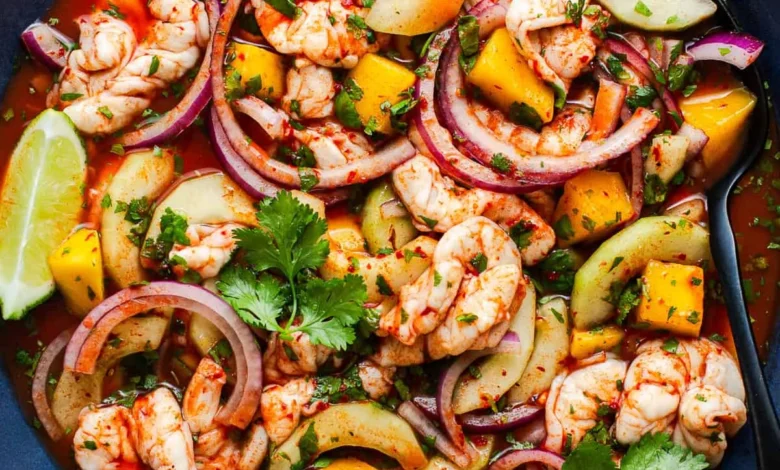
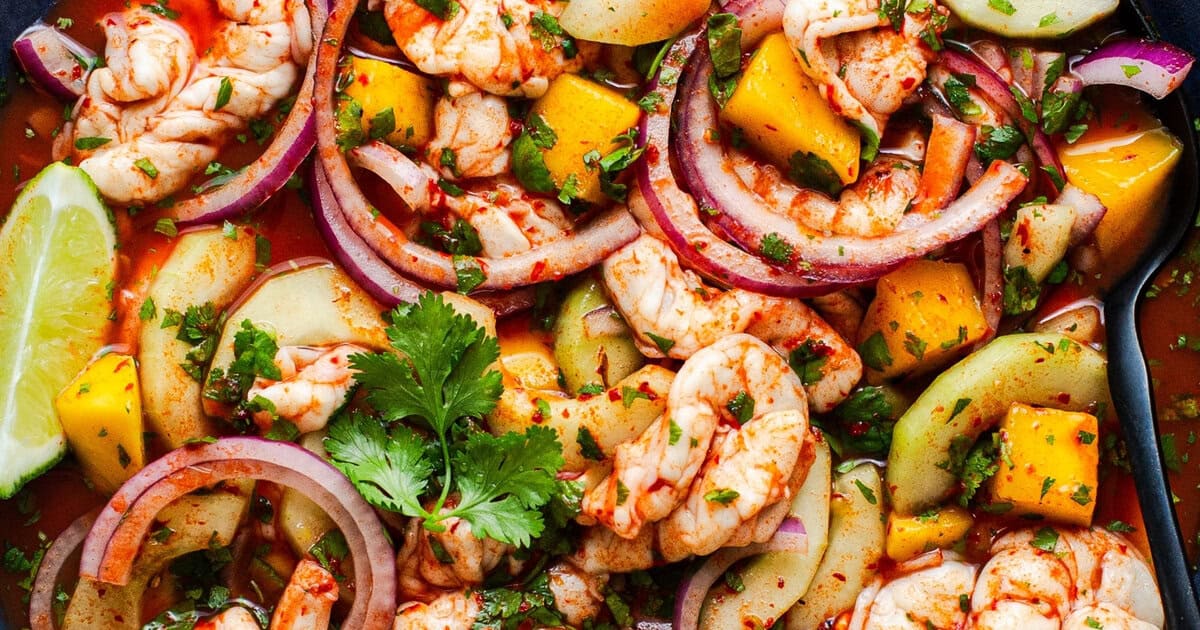
Aguachile rojo represents a sophisticated intersection of geography, chemistry, and culinary tradition, standing as one of the most iconic seafood preparations originating from the Pacific coastal states of Sinaloa and Sonora in Mexico. While often categorized under the broad umbrella of ceviche, aguachile is distinct in both its preparation methodology and its sensory profile, relying on a rapid, high-acid curing process and a potent, chile-forward flavor base. As consumer interest in authentic regional Mexican cuisine continues to rise globally, understanding the technical nuances and cultural history of this dish provides valuable insight into the evolution of mariscos culture.
The Geography and Etymology of Aguachile
The term "aguachile" translates literally to "chile water." Historically, the dish was a humble, rural preparation. In its earliest iterations, it consisted simply of raw shrimp submerged in water seasoned with crushed chiltepín peppers—a tiny, remarkably spicy wild chile native to the region—and salt. This liquid served as both the curing agent and the primary seasoning. Over the decades, as the dish transitioned from coastal fishing camps to mainstream restaurant menus in cities like Mazatlán and Culiacán, the preparation evolved.
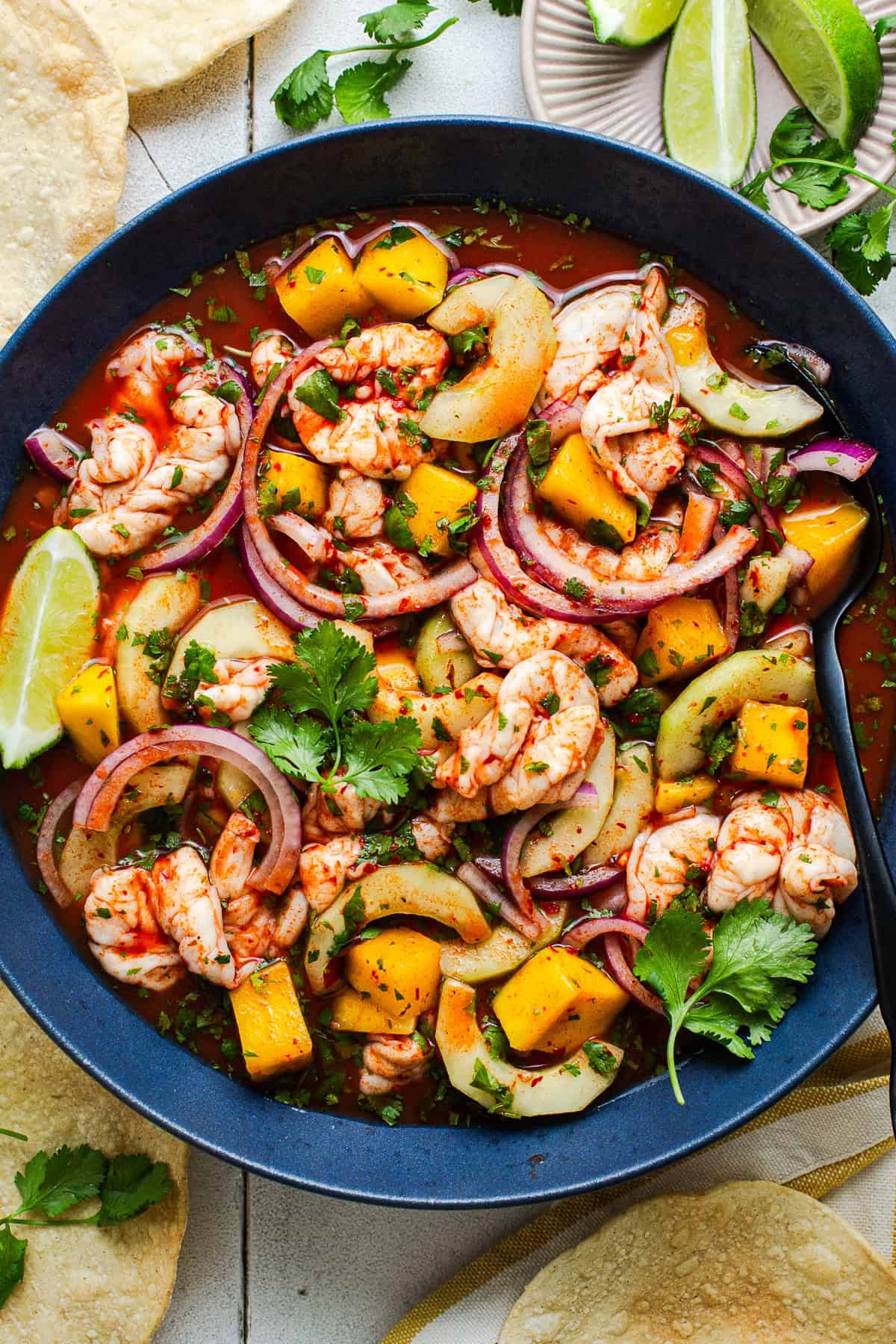
The introduction of lime juice as the primary curing agent transformed the texture of the shrimp, while the transition from simple water-based chile infusions to complex, blended salsas allowed for the emergence of distinct varieties. Aguachile verde, perhaps the most recognized version, utilizes green serrano chiles and cilantro to achieve its vibrant hue. Aguachile negro utilizes charred chiles and soy-based ingredients to produce a deep, umami-rich profile. Aguachile rojo, the subject of this analysis, utilizes dried chiles such as guajillo, arbol, and pequin to deliver a smoky, nuanced, and persistent heat that balances the natural sweetness of the Pacific white shrimp.
The Chemistry of the Cure: Precision is Paramount
The hallmark of a high-quality aguachile is the state of the shrimp. Unlike ceviche, which often involves a longer maceration time that results in opaque, firm proteins, aguachile requires a delicate balance. The goal is to "cook" the shrimp through protein denaturation via citric acid while maintaining a specific, translucent, and succulent texture.
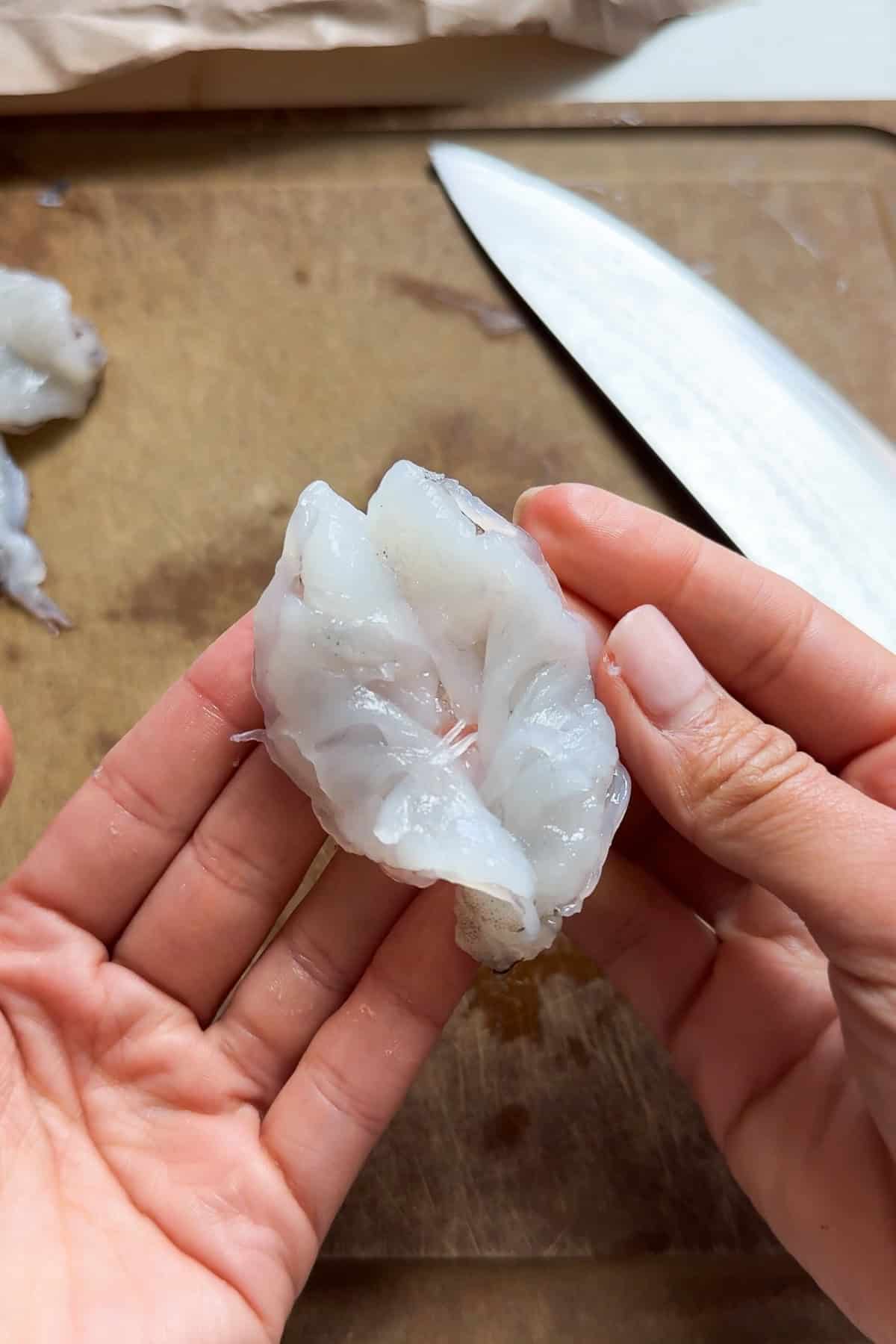
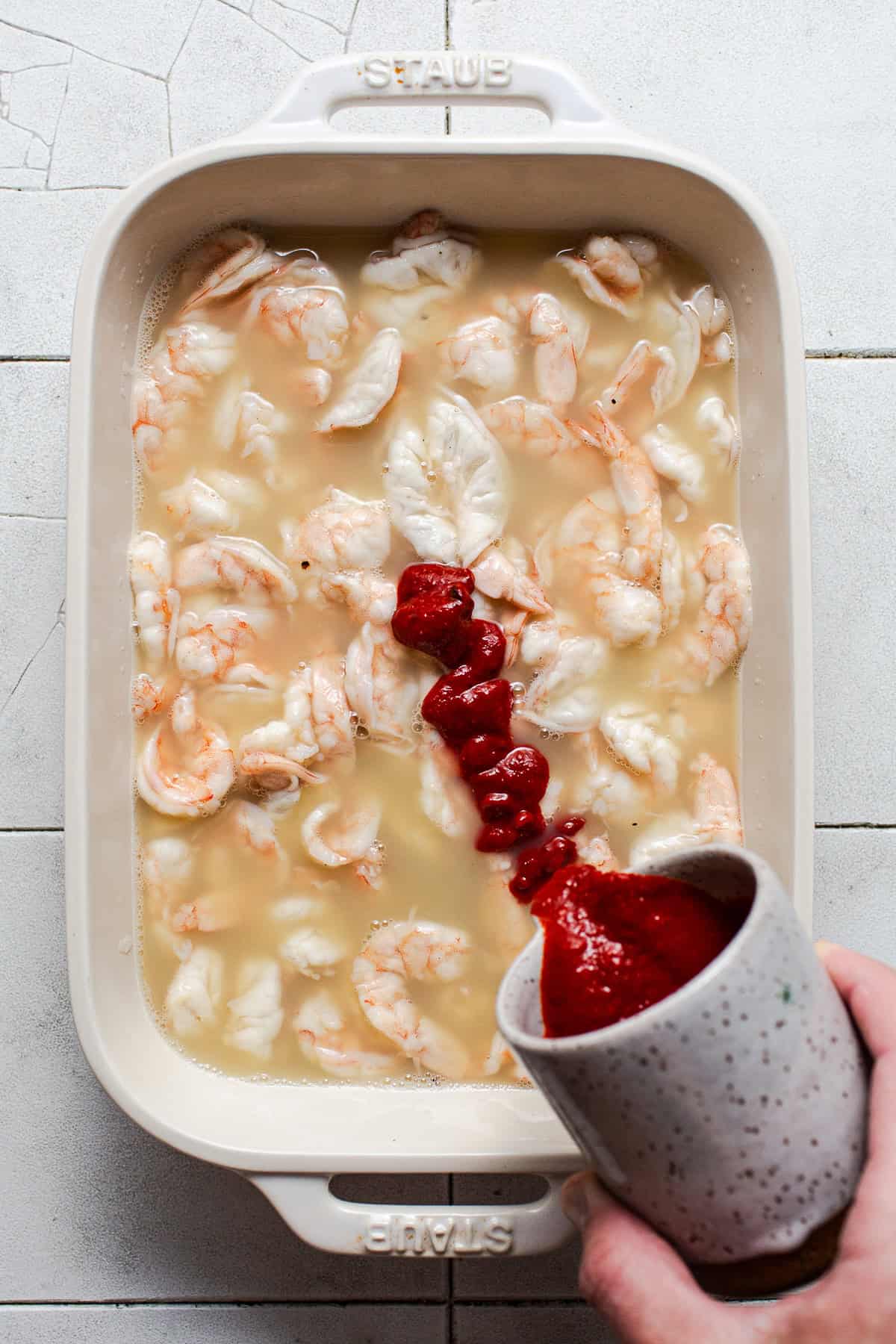
Technical guidelines suggest that the shrimp should be butterflied—a process involving a longitudinal incision down the back to remove the intestinal tract and allow the shrimp to lay flat. This technique serves two purposes: it increases the surface area for the lime juice to act upon, ensuring uniform curing, and it enhances the presentation. The chemical reaction between the lime juice and the shrimp proteins is rapid. If the shrimp remains in the citrus bath for too long, the texture shifts from tender and firm to rubbery and dehydrated. Culinary professionals generally advise that the dish be consumed within minutes of preparation, as the acidity continues to denature the proteins even after the dish is served.

The Role of the Red Salsa
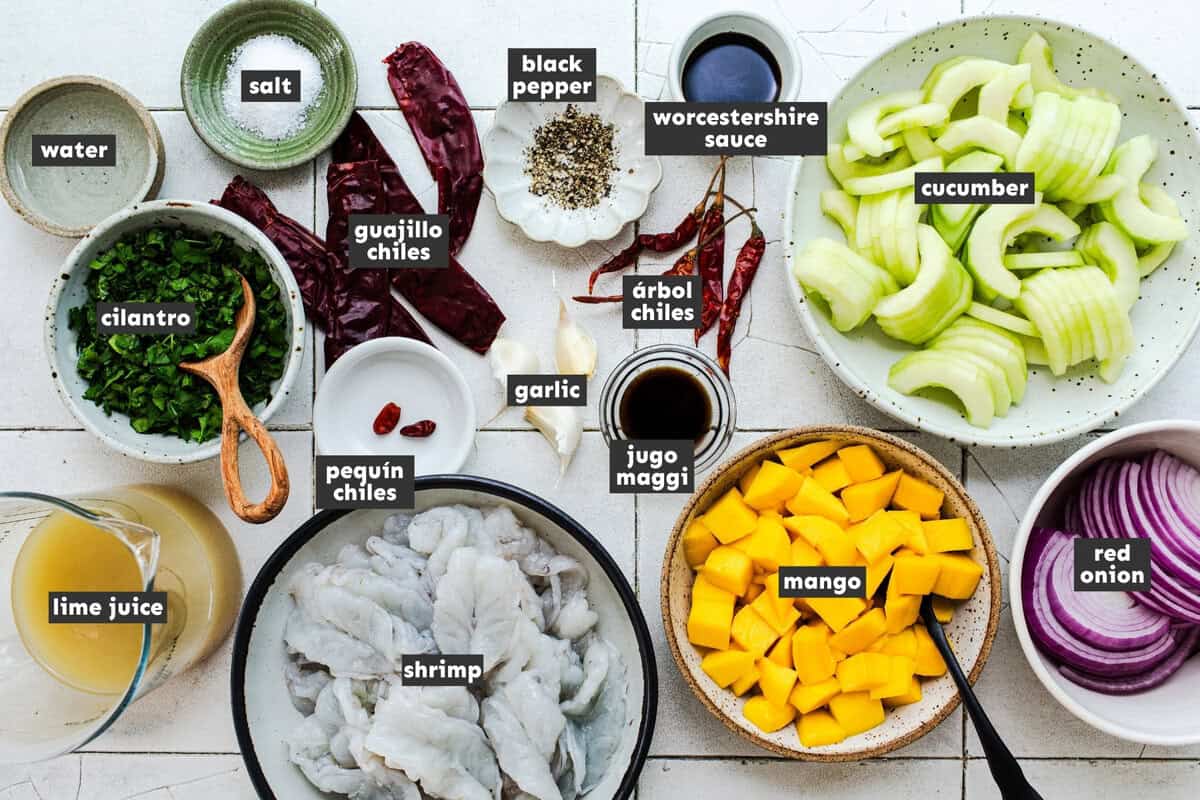
The "rojo" component of this dish is a testament to the versatility of Mexican dried chiles. A foundational recipe for the salsa base involves toasting dried guajillo, arbol, and pequin chiles on a comal or heavy skillet. This step is not merely for heating the ingredients; it is a critical chemical process that releases essential oils, transforming the raw, grassy notes of the dried chiles into a complex, smoky, and nutty profile.
When blended with fresh garlic, salt, and occasionally a splash of Jugo Maggi or similar hydrolyzed vegetable protein sauces, the result is a concentrated, spicy emulsion. This salsa is folded into the lime-cured shrimp alongside crisp, cooling elements. The inclusion of cucumber and red onion is not incidental; the high water content and mild sweetness of the cucumber provide a necessary physiological counterpoint to the capsaicin-induced heat of the chiles, while the red onion adds a sharp, pungent acidity that cuts through the richness of the shellfish.
Comparative Analysis: Aguachile vs. Traditional Ceviche
In the culinary arts, confusion between ceviche and aguachile is common, yet the distinction is fundamental. Ceviche is frequently treated as a macerated salad, often including tomato, avocado, and various aromatics. In many traditional ceviche recipes, the protein is cut into uniform cubes, allowing for a more thorough, uniform curing process that can withstand longer holding times.
Aguachile, conversely, is an aggressive, stripped-down preparation. The salsa does not merely coat the shrimp; it defines the flavor profile of the liquid that remains at the bottom of the bowl. While ceviche is often served with crackers or chips as a side, aguachile is traditionally served on tostadas—crisp, fried corn tortillas. A common practice in professional marisquerías is to apply a thin layer of mayonnaise to the tostada before adding the aguachile. This acts as a moisture barrier, preventing the tostada from losing its structural integrity, and serves as a lipid-based palate cleanser that mitigates the intensity of the chile heat.
Economic and Cultural Implications
The rise of aguachile in the international gastronomic scene reflects a broader trend of regional Mexican food gaining prestige. For restaurants, the dish is highly efficient: it requires no thermal cooking, significantly reducing energy costs and equipment overhead. However, it requires a high-quality supply chain. Because the shrimp is consumed in a near-raw state, the freshness of the product is non-negotiable.
Data from the mariscos industry suggests that the popularity of dishes like aguachile rojo has helped bolster the demand for high-grade, sustainable shrimp farming and wild-catch practices in the Gulf of California. As the dish has traveled from coastal stalls to high-end dining establishments, chefs have experimented with variations, including the addition of mango for a tropical, sweet-savory balance, or the use of fermented chile pastes to add a deeper, funky dimension to the salsa.
Best Practices for Preparation and Service
For those attempting the dish in a home or professional setting, adherence to food safety and timing protocols is essential.
- Sourcing: Use high-quality, deveined, and cleaned shrimp. If using frozen, ensure it is completely thawed and dried before beginning the butterfly process.
- Timing: The lime juice should be added to the shrimp immediately before the assembly of the remaining ingredients. Total contact time should ideally not exceed 15 to 20 minutes for optimal texture.
- Heat Management: To balance the heat of the arbol and pequin chiles, the proportion of guajillo should be higher. The guajillo provides the color and the base, while the smaller chiles provide the "lift" of the heat.
- Temperature: The dish must be served chilled. Keeping the serving bowl on a bed of ice or ensuring all vegetable components (cucumber, red onion) are refrigerated before assembly is a standard practice in regions where the dish is native.
Conclusion
Aguachile rojo is a masterclass in minimalism. It relies on the quality of its components and the precision of its assembly rather than complex cooking techniques. As it continues to gain popularity, its status as a cornerstone of coastal Mexican heritage remains secure. Whether enjoyed in a bustling marisquería in Culiacán or recreated in a home kitchen, the dish serves as a vibrant reminder of the power of acid, heat, and fresh, high-quality seafood to create a profound culinary experience. Its simplicity is its strength, and its enduring popularity is a testament to the timeless appeal of the flavors of the Mexican Pacific.