How to Make Homemade Sheet Pan Pizza: A Culinary Guide to Artisanal Baking Without Special Equipment


The global culinary landscape has experienced a profound shift toward home-based artisanal baking, driven by shifting consumer habits, economic considerations, and an increasing desire for ingredient transparency. Among the most accessible yet sophisticated trends gaining traction in domestic kitchens is the preparation of authentic sheet pan pizza—a style that bypasses traditional commercial delivery models in favor of handcrafted quality. Culinary enthusiasts and home cooks are increasingly turning away from industrial fast-food alternatives, opting instead for simplified, high-hydration doughs baked directly in standard household sheet pans without the need for specialized stone hearths or high-temperature commercial pizza ovens.

This surge in domestic pizza-making reflects broader economic and lifestyle shifts. According to recent consumer food trends analysis, home cooking has evolved past basic necessity to become a primary form of creative expression and stress relief. Making pizza from scratch allows individuals to exercise strict control over their dietary intake, accommodating preferences such as veganism, gluten sensitivity, or clean-label eating without sacrificing texture or flavor complexity. By utilizing foundational ingredients and straightforward kitchen appliances, home cooks can achieve results that rival neighborhood pizzerias at a fraction of the cost.
The Core Ingredients and Simplified Dough Methodology
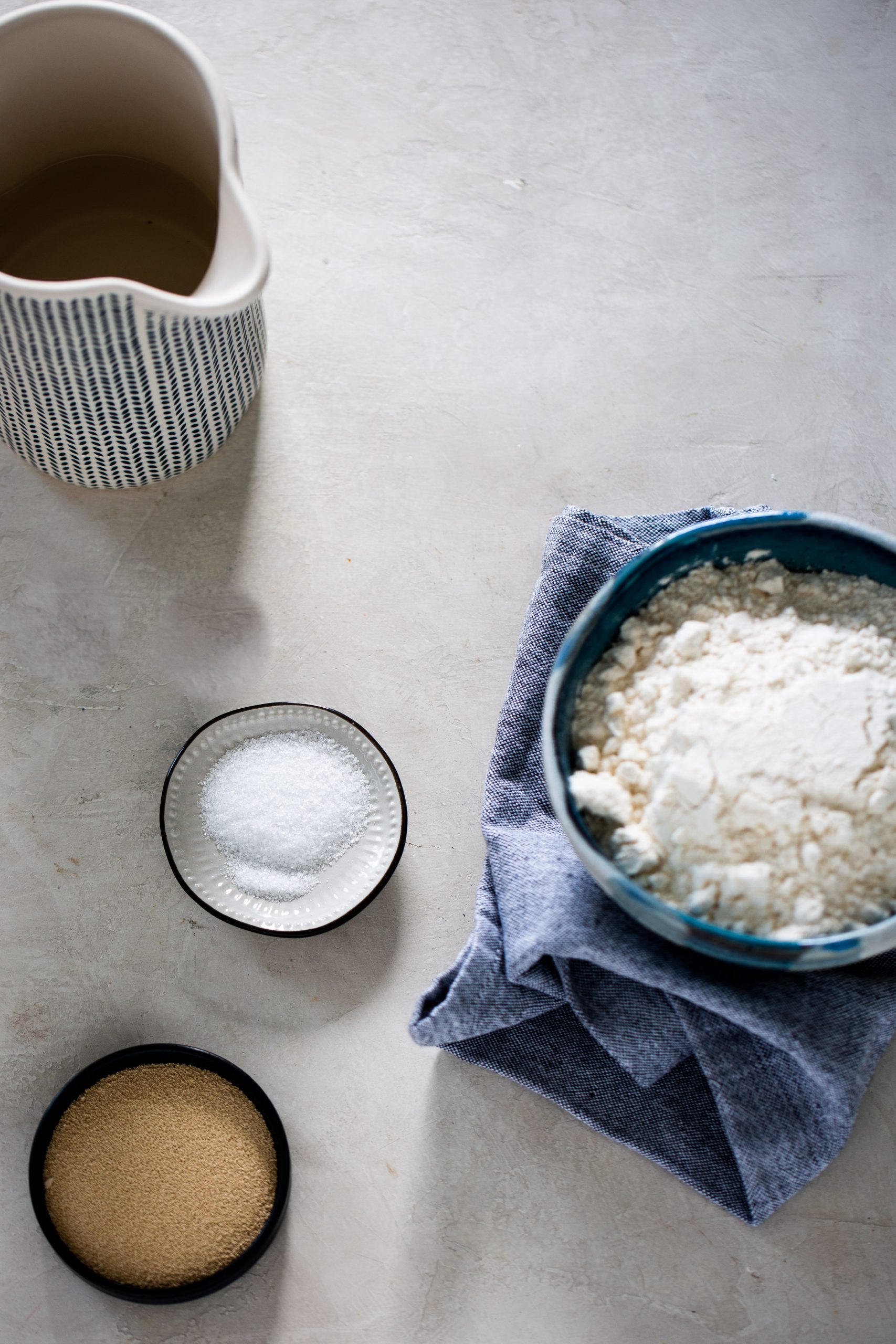
At the heart of any successful artisanal pizza is the dough, which in this streamlined methodology relies on just four fundamental components: unbleached flour, water, active yeast, and sea salt. Unlike complex sourdough cultures that require days of feeding and maintenance, this direct-dough method achieves remarkable flavor and structural integrity through proper fermentation time rather than complicated procedures.
The preparation timeline is structured for maximum flexibility, allowing the dough to be mixed quickly and left to ferment for a standard two-hour window at ambient room temperature, or stored in a refrigerator for extended cold fermentation. Cold fermentation, a technique widely praised by professional pizzaiolos, breaks down starches and proteins more slowly, yielding a more digestible crust with complex flavor notes.
For home cooks operating under tight schedules, several accelerated proofing techniques have been vetted and standardized:
- The Oven Light Method: Placing the covered dough bowl inside an unheated oven with only the interior light turned on creates a gently warmed, draft-free microclimate that accelerates yeast activation.
- The Residual Heat Method: Briefly warming an oven to its lowest setting, turning it off, and placing the dough inside utilizes residual thermal energy to cut standard proofing time nearly in half.
- The Electric Pressure Cooker Method: Utilizing a multi-cooker set to the yogurt or low-fermentation setting provides a controlled, ambient temperature environment, reducing the primary rise time to approximately 30 minutes.
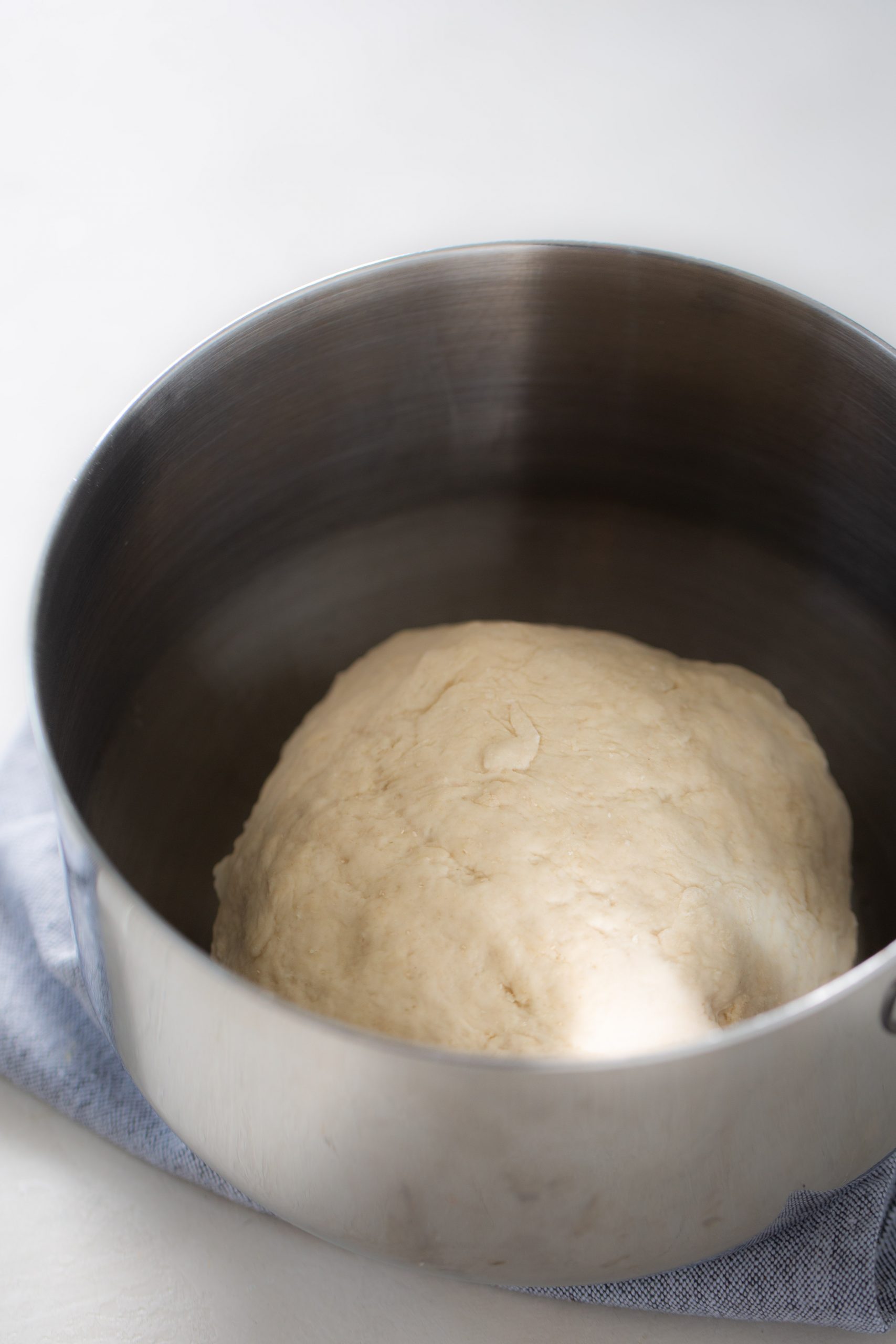
Culinary experts note that a properly proofed dough exhibits specific physical indicators before it is ready to be shaped. The dough should double in volume, display large surface air bubbles, and feel exceptionally soft and pliable. When gently depressed with a finger, the indentation should spring back slowly without entirely collapsing, signaling optimal gas retention and gluten relaxation.
Engineering the Ideal Sauce and Topping Synergy
While the crust provides the structural foundation, the sauce and toppings dictate the final flavor profile. Traditional artisanal approaches favor uncooked, hand-crushed San Marzano tomatoes over heavily processed purees or commercial pastes. San Marzano tomatoes, grown in the volcanic soil near Mount Vesuvius in Italy, offer a distinct balance of natural sweetness and low acidity, making them the global gold standard for tomato-based sauces.
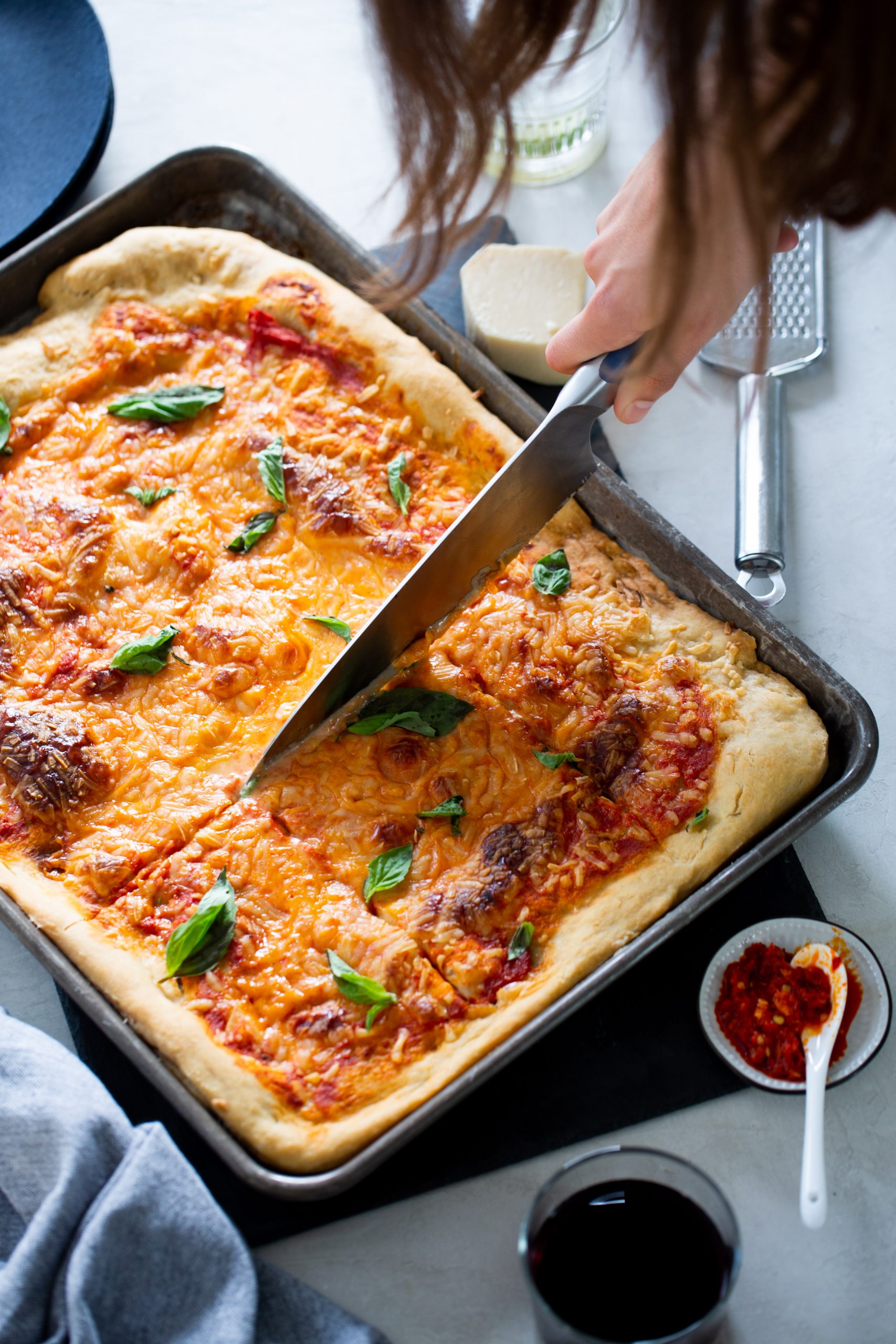
Chefs emphasize the importance of manual crushing over mechanical blending. Using hands or a simple tool to break down the canned tomatoes preserves the pulpy texture, preventing the sauce from becoming excessively watery. Excess liquid in tomato sauce is a primary culprit behind soggy crusts, which can fail to bake evenly in standard home ovens. By seasoning the crushed tomatoes simply with extra virgin olive oil and sea salt—allowing the sauce to cook exclusively during the baking process—cooks preserve the bright, fresh notes of the fruit.
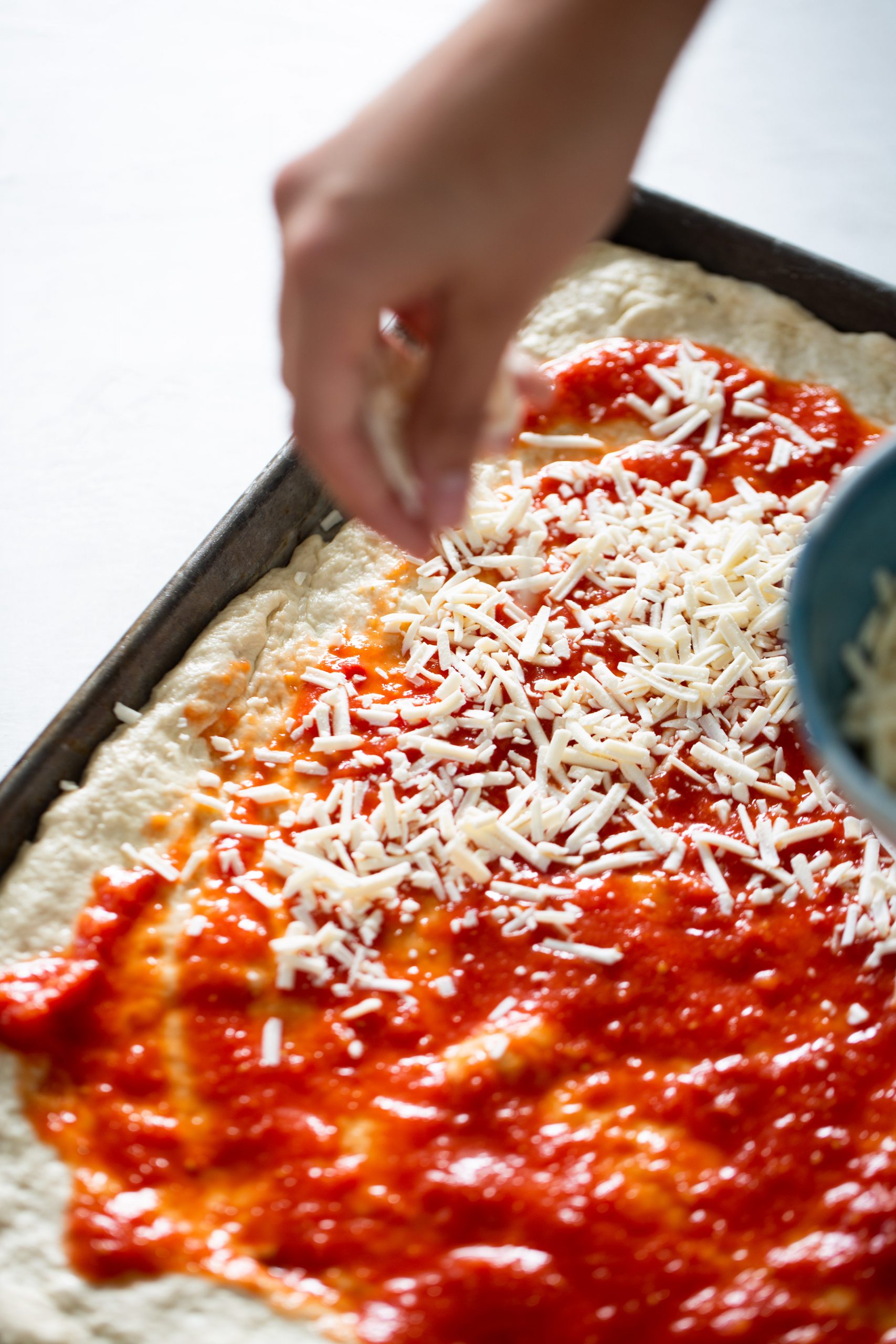
Cheese selection represents another critical variable in home pizza production. Culinary professionals strongly advise against pre-shredded commercial cheeses, which are typically coated with cellulose or potato starch to prevent clumping. These anti-caking agents inhibit proper melting and browning. Grating fresh block mozzarella or utilizing fresh water-packed mozzarella balls ensures superior meltability, stretch, and flavor depth. Furthermore, the recipe’s inherent flexibility allows for seamless dairy-free adaptations; substituting conventional cheese with high-quality plant-based alternatives yields comparable textural results for vegan consumers.
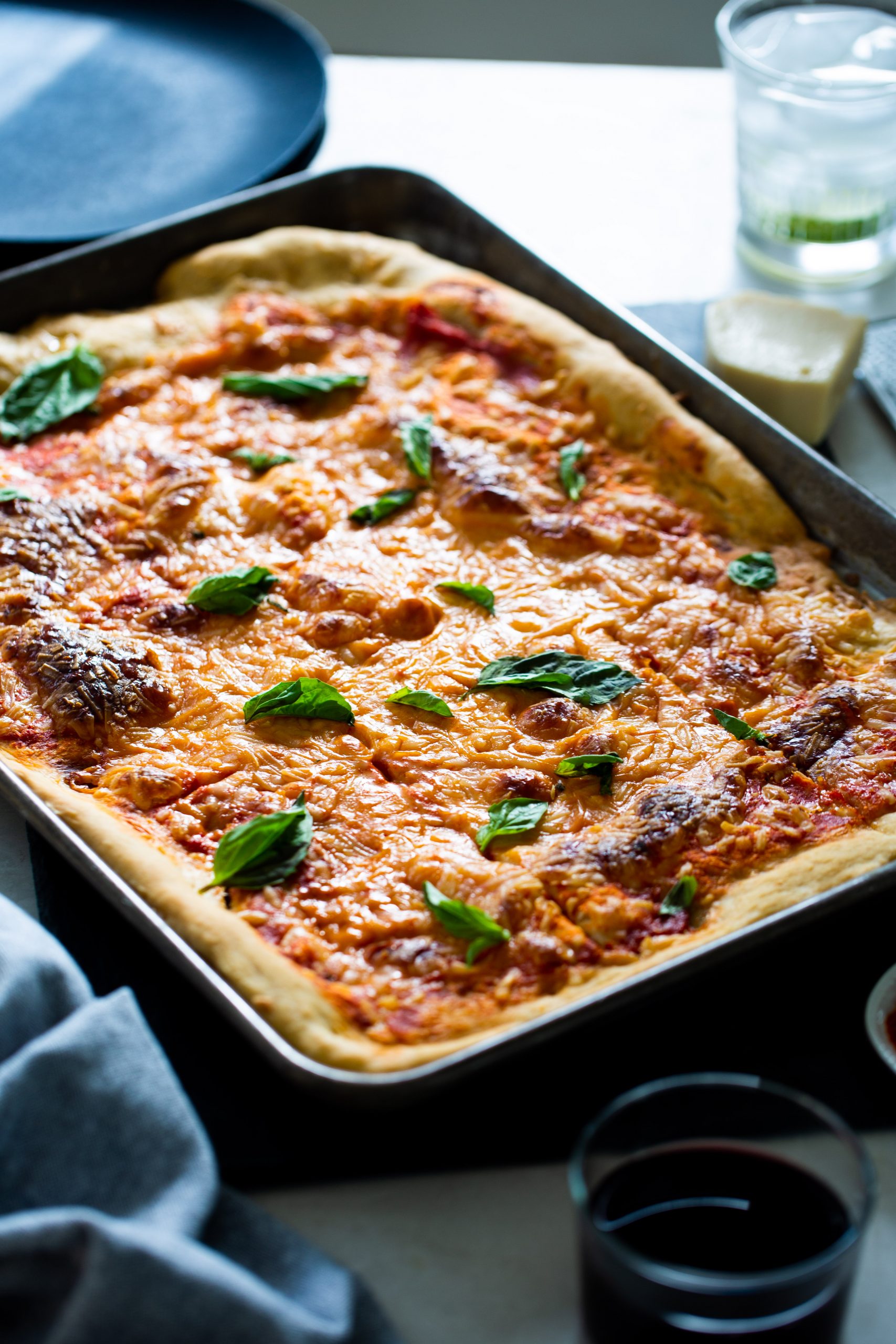
To protect delicate aromatics from burning under high heat, herbaceous toppings such as fresh basil are strategically applied strictly post-bake. This thermal separation preserves the volatile essential oils responsible for basil’s distinctive fragrance and vibrant green color.
Equipment Accessibility and Baking Dynamics
One of the primary barriers to entry for home pizza-making has historically been the requirement for specialized equipment, such as heavy cordierite pizza stones, cast-iron baking steels, or wood-fired ovens capable of exceeding 800 degrees Fahrenheit. The sheet pan (or rimmed baking sheet) method democratizes the process by utilizing standard kitchen hardware already present in virtually every household.
The physics of sheet pan baking rely on direct thermal conduction. By stretching the fermented dough directly onto an oiled sheet pan, the bottom of the crust achieves direct contact with heated metal, resulting in a golden-brown, crisp exterior while maintaining a light, airy interior crumb. This technique also eliminates the risk of dropping delicate, unbaked dough from a wooden peel onto a scorching hot stone—a common point of failure for novice bakers.
Nutritional transparency remains a significant driver for individuals adopting scratch-cooking habits. While commercially prepared fast-food pizzas frequently contain undisclosed sodium levels, artificial preservatives, and hydrogenated oils, homemade iterations allow for precise tracking of caloric and macronutrient intake. Standard nutritional estimates for basic artisanal sheet pan configurations indicate controlled sodium distributions and customizable fat profiles, aligning with modern dietary guidelines focused on whole foods and unrefined ingredients.
Industry Implications and Cultural Shift
The cultural pivot toward domestic culinary independence has broader implications for the retail food sector. Supermarkets and specialty grocery stores report sustained increases in sales of unbleached flours, canned Italian tomatoes, and specialty yeasts, signaling that pandemic-era cooking habits have transitioned into permanent lifestyle changes. Culinary educators suggest that this trend fosters greater food literacy, as consumers become increasingly attuned to the chemical interactions of yeast, gluten development, and thermal dynamics.
As urban centers continue to see rising dining-out costs, the ability to replicate restaurant-quality meals at home offers both financial relief and creative fulfillment. The sheet pan pizza model exemplifies this movement, proving that culinary excellence does not require professional-grade appliances, but rather an understanding of technique, ingredient quality, and mindful preparation.
Related posts: