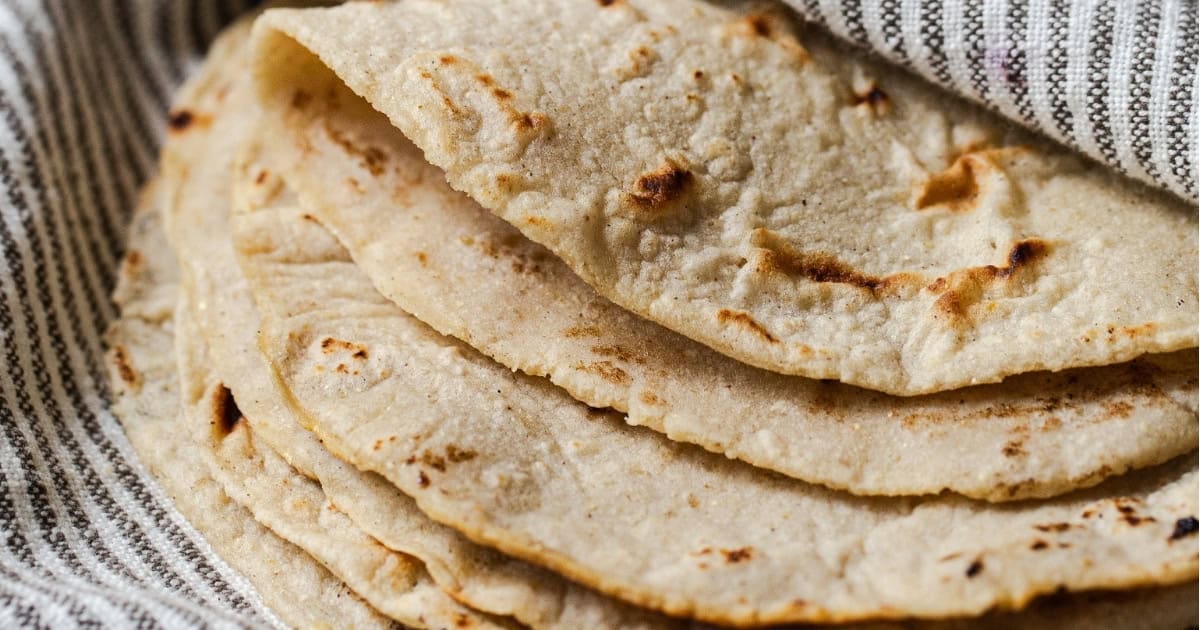
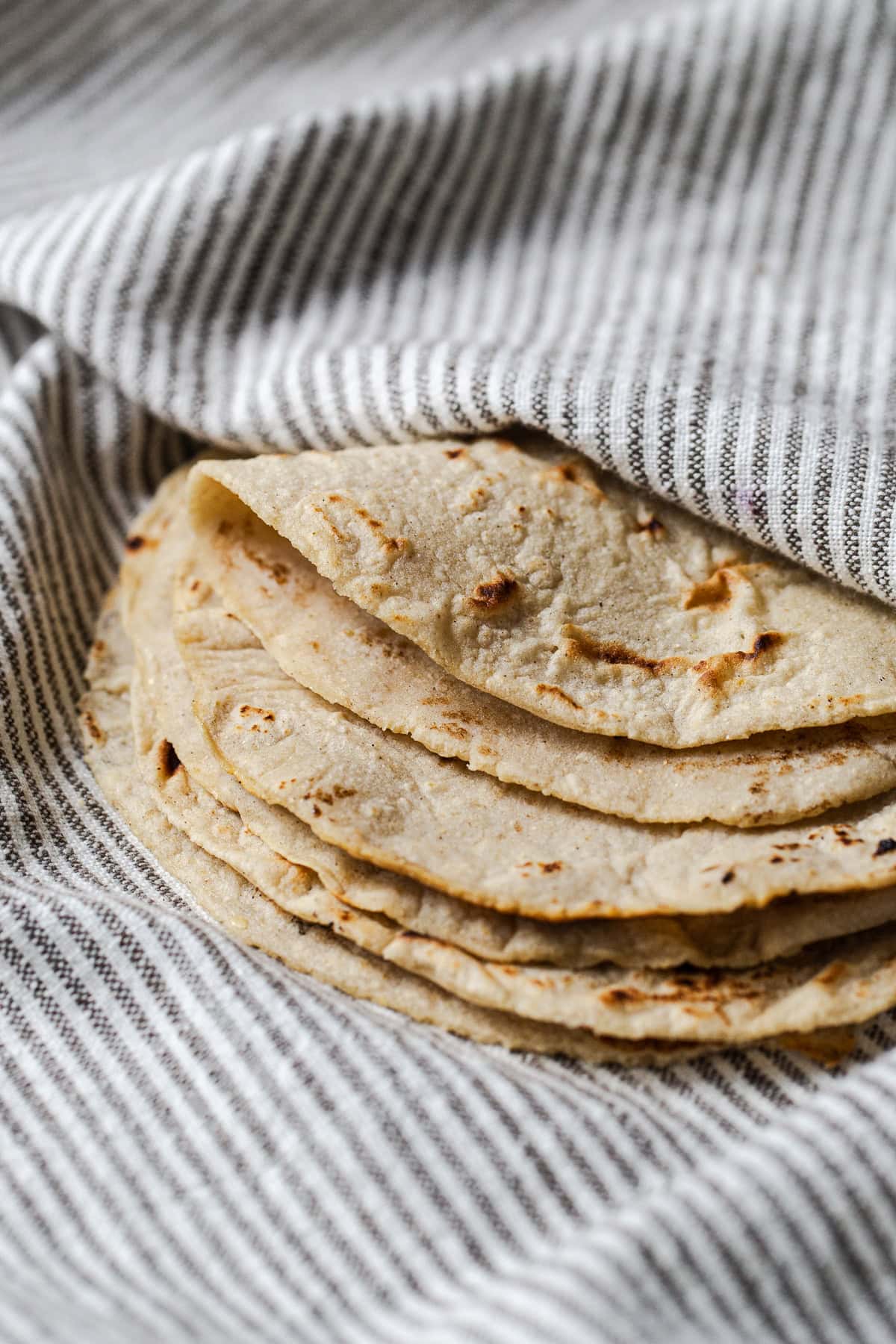
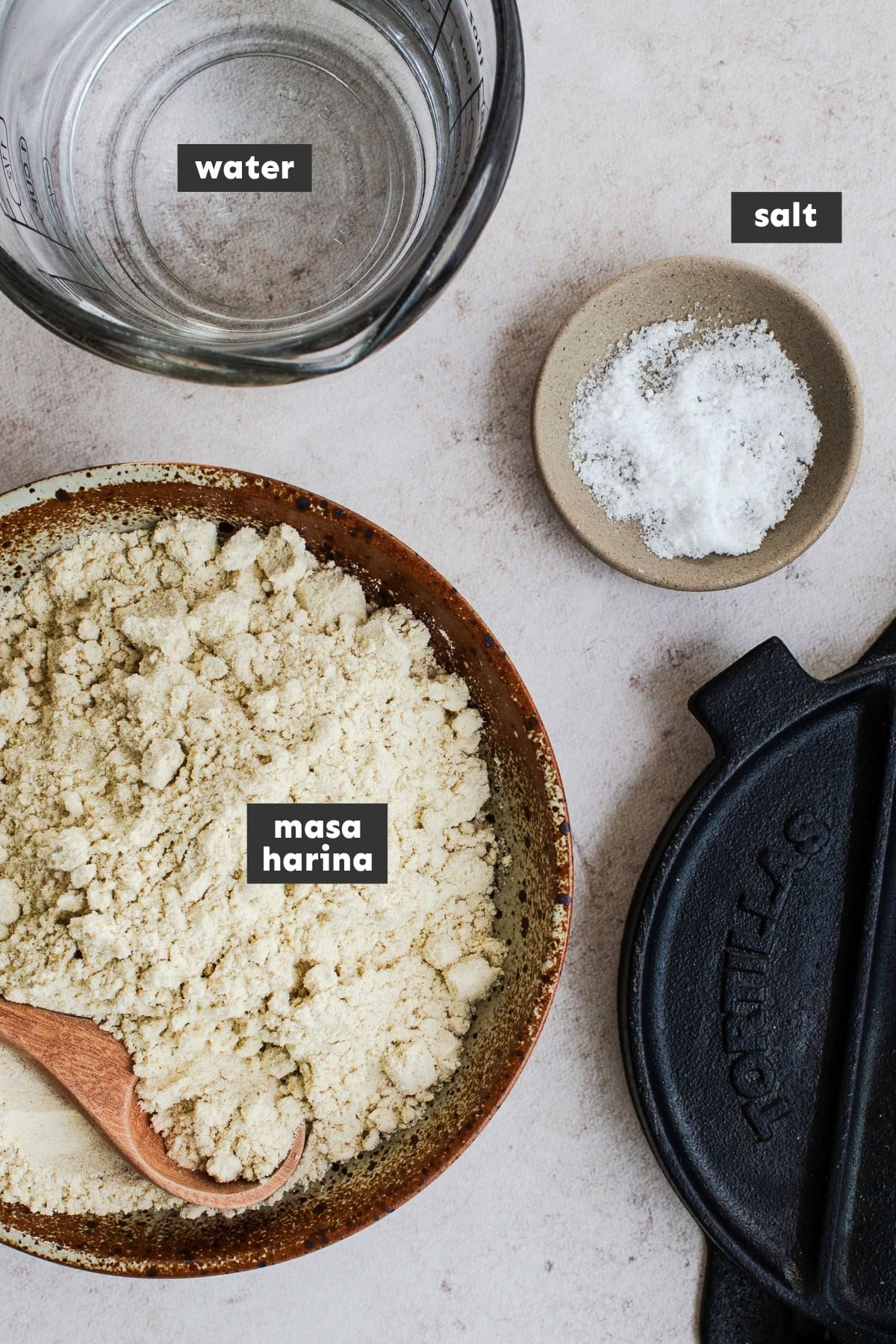
The corn tortilla stands as the foundational element of Mexican gastronomy, a simple yet historically significant flatbread that has sustained civilizations for millennia. While modern consumers often rely on mass-produced versions found in supermarkets, the art of crafting authentic corn tortillas at home remains a skill that connects cooks to the ancient process of nixtamalization. Achieving the perfect texture—a balance of flexibility, structural integrity, and the distinct, earthy aroma of toasted corn—requires only three basic components: masa harina, salt, and warm water.
The Science of Nixtamalization
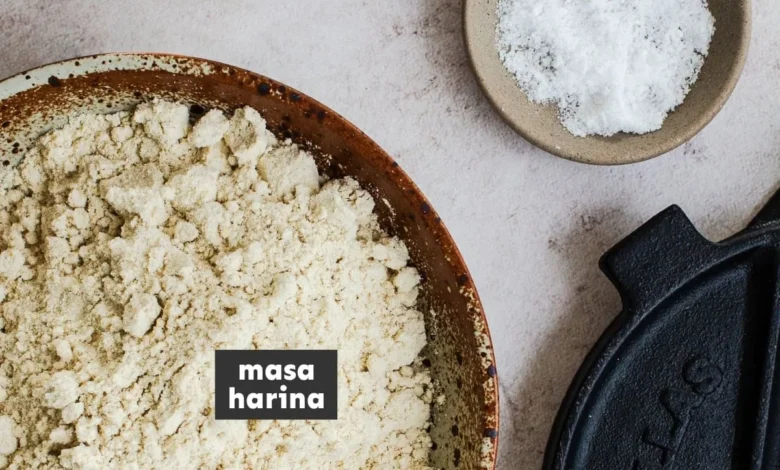
The defining characteristic of an authentic corn tortilla is the use of masa harina. Unlike standard cornmeal or corn flour, masa harina is the product of nixtamalization. This process involves soaking dried field corn in an alkaline solution, typically limewater (calcium hydroxide). This chemical reaction does more than just soften the kernels; it significantly alters the nutritional profile of the corn.
Nixtamalization increases the bioavailability of niacin (Vitamin B3), which is essential for preventing pellagra, a condition that historically plagued populations reliant on untreated corn. Furthermore, the process releases the corn’s proteins and alters the starch structure, allowing the ground meal to form a cohesive dough when hydrated. Without this critical step, the corn particles would remain granular and fail to bind, resulting in a brittle, unpalatable product.
Historical Context and Evolution
The history of the tortilla dates back to approximately 10,000 BCE in the Sierra Madre Mountains of Mexico. The Aztecs and Mayans refined the preparation of corn, developing the comal—a flat, unglazed earthenware griddle—to cook the thin, unleavened patties. For centuries, the process was labor-intensive, requiring the grinding of soaked corn on a volcanic stone slab known as a metate.
The industrialization of the tortilla began in the early 20th century, but the widespread availability of pre-packaged, shelf-stable masa harina in the 1940s and 50s revolutionized home cooking. This innovation allowed families to bypass the time-consuming nixtamalization process while maintaining the traditional flavor profile. Today, the global market for tortillas continues to grow, with the industry valued at billions of dollars as the staple moves from a regional necessity to a global culinary standard.
Technical Requirements for Preparation
To produce high-quality corn tortillas in a home kitchen, consistency is paramount. The preparation process typically takes between 30 to 45 minutes, encompassing the hydration of the flour, the resting of the dough, and the thermal processing on a hot surface.
- Hydration: The ratio of water to masa harina is the most frequent point of failure for beginners. Depending on the brand, such as Maseca or Masienda, water absorption can vary. Masienda, which utilizes traditional heirloom corn, often requires a higher hydration ratio than the more refined, mass-produced Maseca.
- Kneading: Proper hydration should yield a dough that is soft and pliable, similar in texture to modeling clay. If the dough cracks at the edges when pressed, it is too dry; if it sticks to the hands, it is over-hydrated.
- Pressing: A mechanical tortilla press is the standard equipment for ensuring uniform thickness. Using a heavy-duty plastic liner is essential to prevent the dough from adhering to the press plates, which would cause the tortilla to tear upon release.
- Thermal Treatment: The "puff" seen in a properly cooked tortilla is caused by the sudden expansion of steam trapped between the two outer skins. This requires a dry skillet—typically cast iron or a traditional comal—heated to a medium-high temperature.
Comparative Analysis of Corn Varieties
Market research indicates that the color of the corn used in masa harina—white, yellow, or blue—does impact the final sensory experience. White corn is generally considered the most neutral and is favored for its delicate flavor profile. Yellow corn offers a slightly sweeter, nuttier taste, while blue corn, often derived from specific landrace varieties, provides an earthier, more robust profile. Regardless of color, the underlying nutritional benefits remain relatively consistent, provided the nixtamalization process is handled correctly.
Storage and Industry Standards
While store-bought tortillas are often treated with preservatives to extend shelf life for weeks, homemade corn tortillas are best consumed immediately. If storage is required, they can be kept in an airtight container at room temperature for one to two days. Reheating should be done carefully; a dry skillet or a brief period in a microwave with a damp cloth is sufficient to restore flexibility.

For industry professionals and home cooks alike, the versatility of the corn tortilla extends beyond the fresh state. Dried-out or slightly stale tortillas serve as the primary raw material for industrial and homemade tortilla chips, tostada shells, and the essential base for chilaquiles. This "zero-waste" approach is a hallmark of traditional Mexican cooking, ensuring that every batch of dough is utilized fully.
Nutritional Implications
From a dietary standpoint, corn tortillas offer a gluten-free alternative to wheat-based breads. A standard 6-inch corn tortilla typically contains approximately 60 to 70 calories, 1 gram of fat, and 14 grams of carbohydrates. They are also a modest source of calcium and iron, particularly when the masa is enriched during the milling process. Because they are low in sodium and fat, they are frequently recommended by nutritionists as a healthier choice for those managing cardiovascular health or those seeking to reduce processed wheat intake.
Troubleshooting Common Issues
Common challenges encountered during production often relate to environmental factors, such as ambient humidity and water temperature. Warm water is recommended to help the starches in the masa harina hydrate more effectively. If the tortillas are tough or rubbery, it often indicates the dough was kneaded too long, leading to excessive development, or that the heat source was not hot enough, causing the tortilla to dry out before it could cook through.
Conversely, if the tortillas fail to puff, the issue is usually related to the heat of the comal or the thickness of the dough. A comal that is not sufficiently preheated will not generate the steam required for the puff, while a tortilla that is pressed too thickly will remain doughy in the center.
Conclusion
The resurgence of interest in authentic, scratch-made corn tortillas reflects a broader culinary movement toward understanding the origins of our food. By stripping away the stabilizers and preservatives found in commercial alternatives, the home cook is able to appreciate the depth of flavor inherent in the corn. Whether used as a vessel for complex salsas and proteins or simply enjoyed warm with a sprinkle of salt, the homemade corn tortilla remains a testament to the enduring nature of Mexican culinary heritage. As the culinary world continues to embrace traditional, minimally processed staples, the mastery of the simple corn tortilla remains an essential skill for any kitchen.
Related posts: