Cemita Buns: A Culinary Staple of Puebla and the Evolution of Mexican Bread Making

The cemita bun, a distinctive, sesame-crusted bread roll originating from the state of Puebla, Mexico, represents a significant chapter in the history of Mexican culinary arts. Often overshadowed by the more ubiquitous bolillo or telera, the cemita serves as the essential foundation for the cemita poblana—a regional sandwich that has achieved both national and international acclaim. While the bread’s exact origins are historically debated, modern food historians often trace the term to the Spanish word "acemite," which historically referred to a specific type of bran or low-grade flour, though the modern preparation has evolved into a sophisticated, enriched dough.
Historical Context and Regional Significance
The cemita poblana is widely recognized as a cultural icon of Puebla. Unlike standard tortas, which utilize a variety of rolls, the cemita bun is characterized by its specific structural integrity, which is necessary to support a heavy, multi-layered sandwich often filled with milanesa (breaded meat), avocado, white cheese, chipotle peppers, and the aromatic herb pápalo.
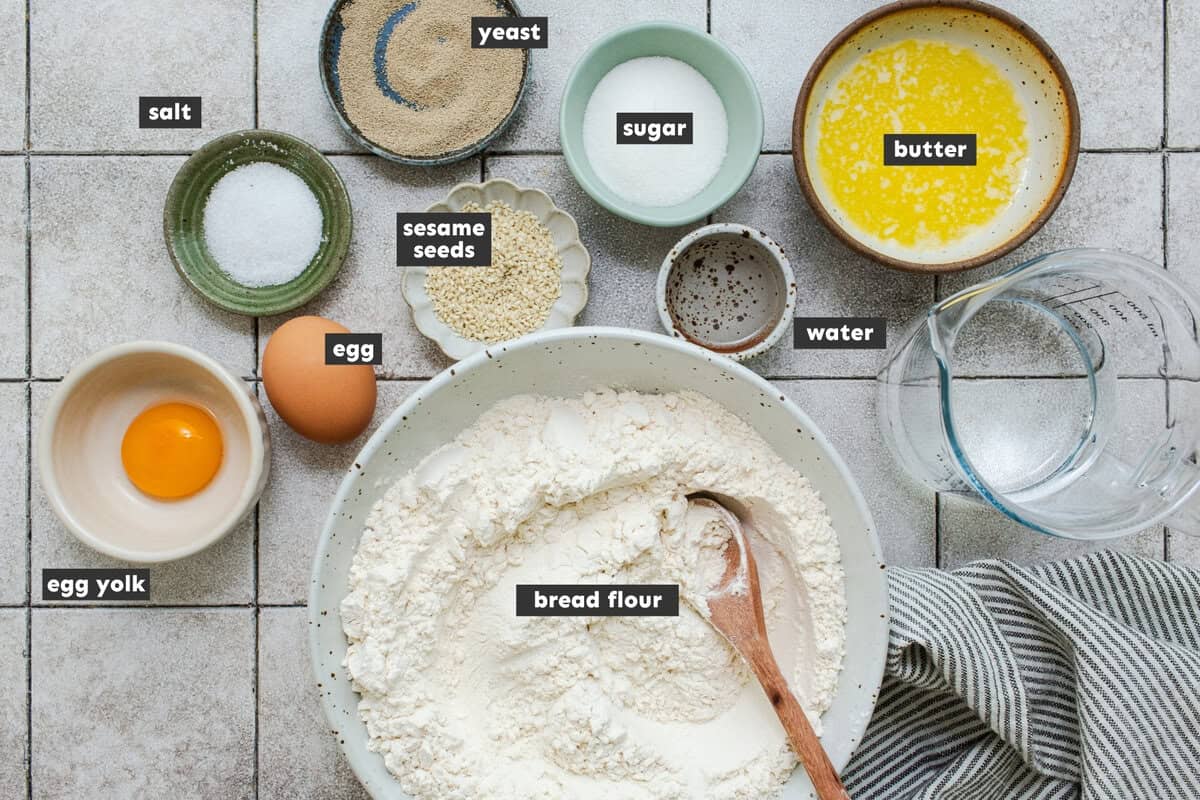
The traditional preparation of the dough, which includes bread flour, butter, and eggs, results in a texture that is notably different from the crusty, lean rolls commonly found in Mexico City. The addition of fats in the dough serves a functional purpose: it creates a soft, brioche-like crumb that remains robust enough to hold the weight of the sandwich’s dense fillings without disintegrating. This structural balance is a point of technical pride for traditional panaderos, or bakers, who have perfected the craft over generations.

The Anatomy of a Cemita Bun
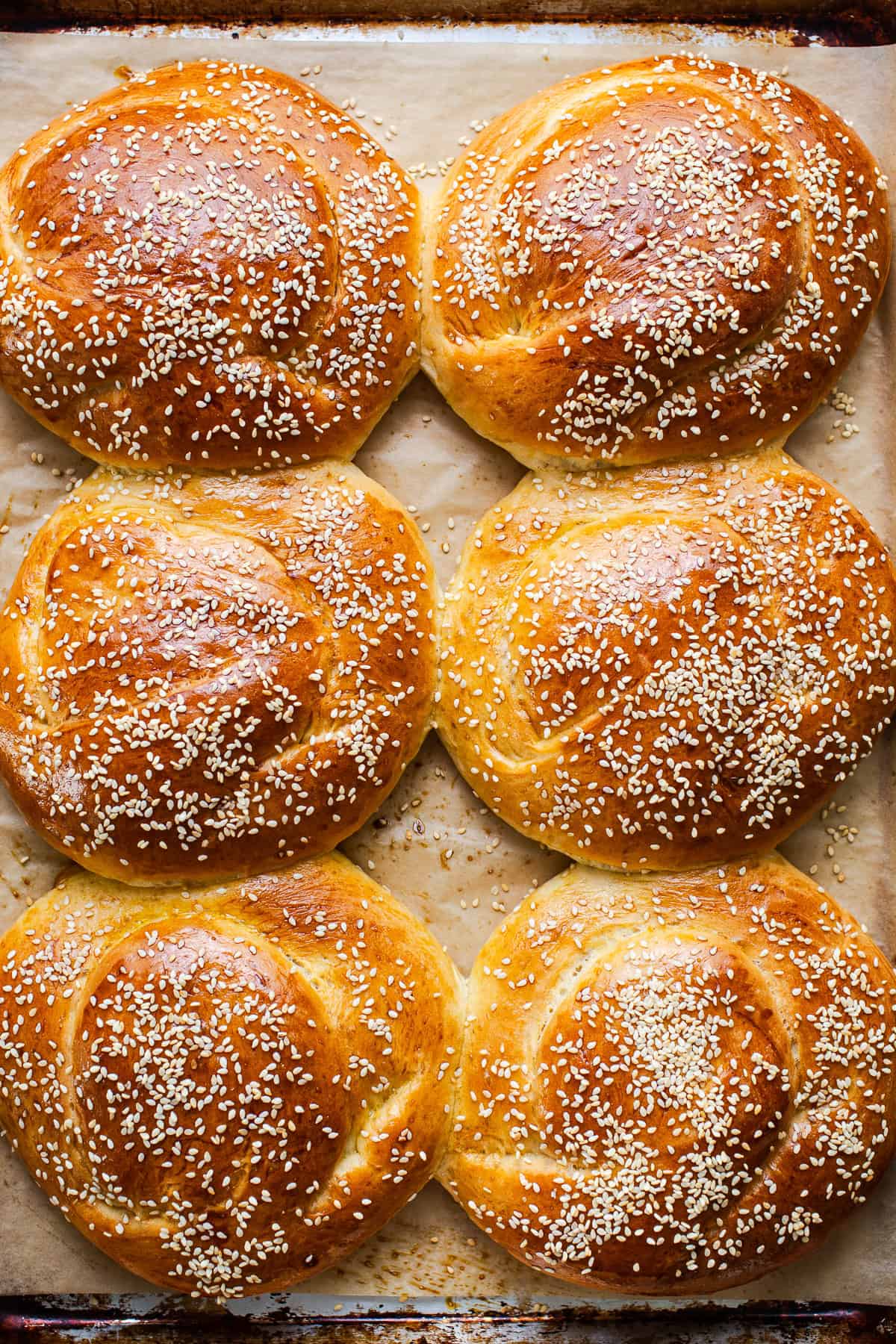
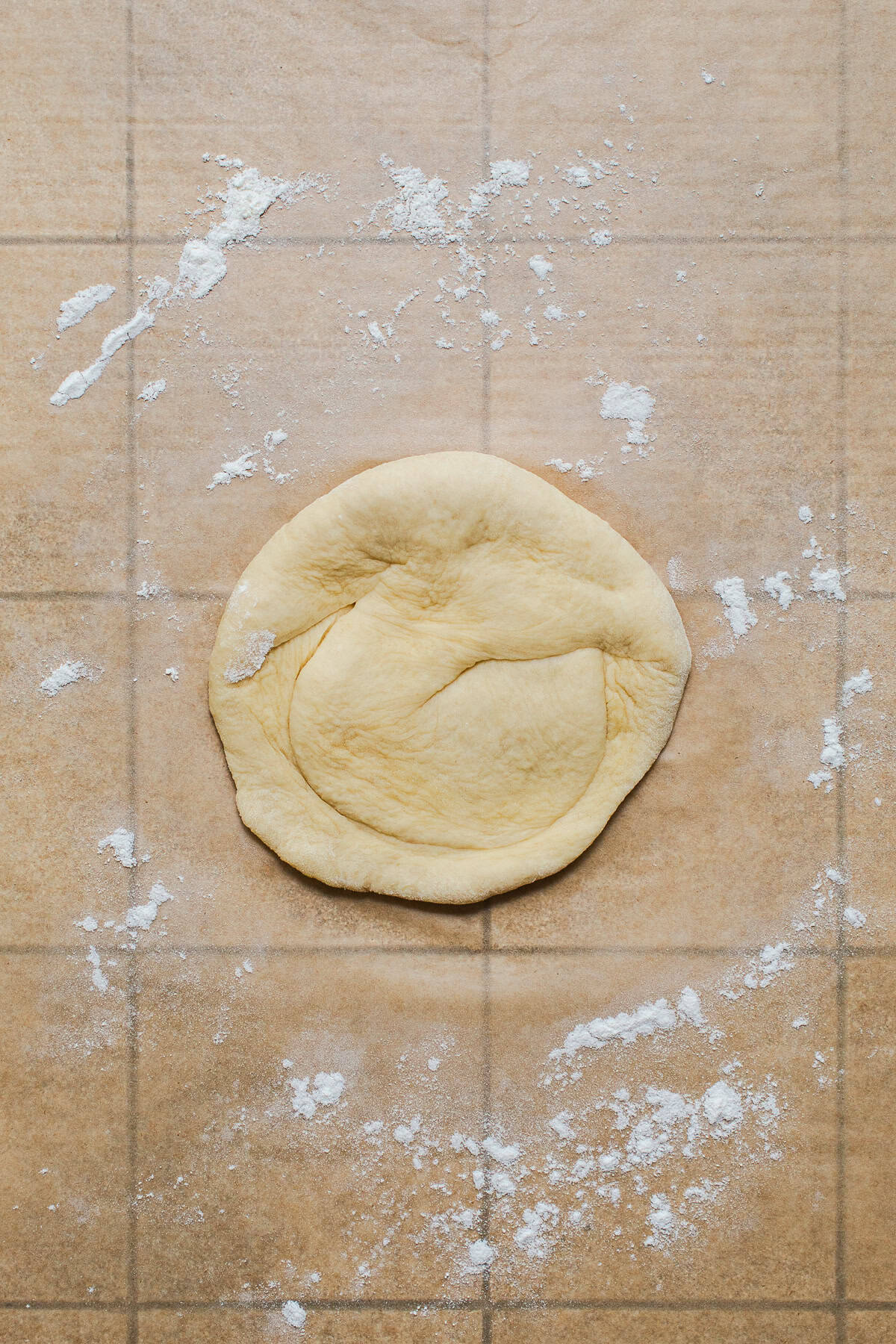
The physical attributes of the cemita are strictly defined by regional expectations. The bun is large and circular, topped with a significant quantity of sesame seeds. One of its most distinctive features is the twisted top—a result of a specific shaping technique where the dough is folded over itself to create a swirl. This method is not merely aesthetic; it aids in the uniform rise of the bread during the baking process, ensuring that the bun achieves a golden-brown crust while maintaining a fluffy, aerated interior.
Nutritional profiles of these buns indicate a calorie density that reflects their role as a substantial meal component. A single standard-sized cemita bun typically contains approximately 435 kilocalories, with a notable protein content of 13 grams and 62 grams of carbohydrates. While these figures vary depending on the specific ratio of butter and egg used in the recipe, the nutritional composition underscores the role of the cemita as a high-energy food source designed to sustain laborers and travelers.
Contemporary Challenges in Availability and Production
Despite its historical and cultural importance, the cemita bun has faced challenges regarding commercial accessibility. In many regions outside of Puebla, including urban centers in the United States, authentic cemita buns are notoriously difficult to source. Mass-market Mexican bakeries frequently prioritize the production of bolillos or sweet breads (pan dulce), which often leads to a supply gap for the more specialized cemita.
This scarcity has driven a recent resurgence in home-based production. Culinary experts and food historians observe that the "do-it-yourself" movement, bolstered by digital platforms and the democratization of traditional baking techniques, has allowed home cooks to reclaim the production of this regional specialty. The rise of these tutorials emphasizes that while the process requires a significant "hands-off" time for proofing, the actual technical skill required for shaping is highly accessible to the home baker.
Technical Procedures for Home Production
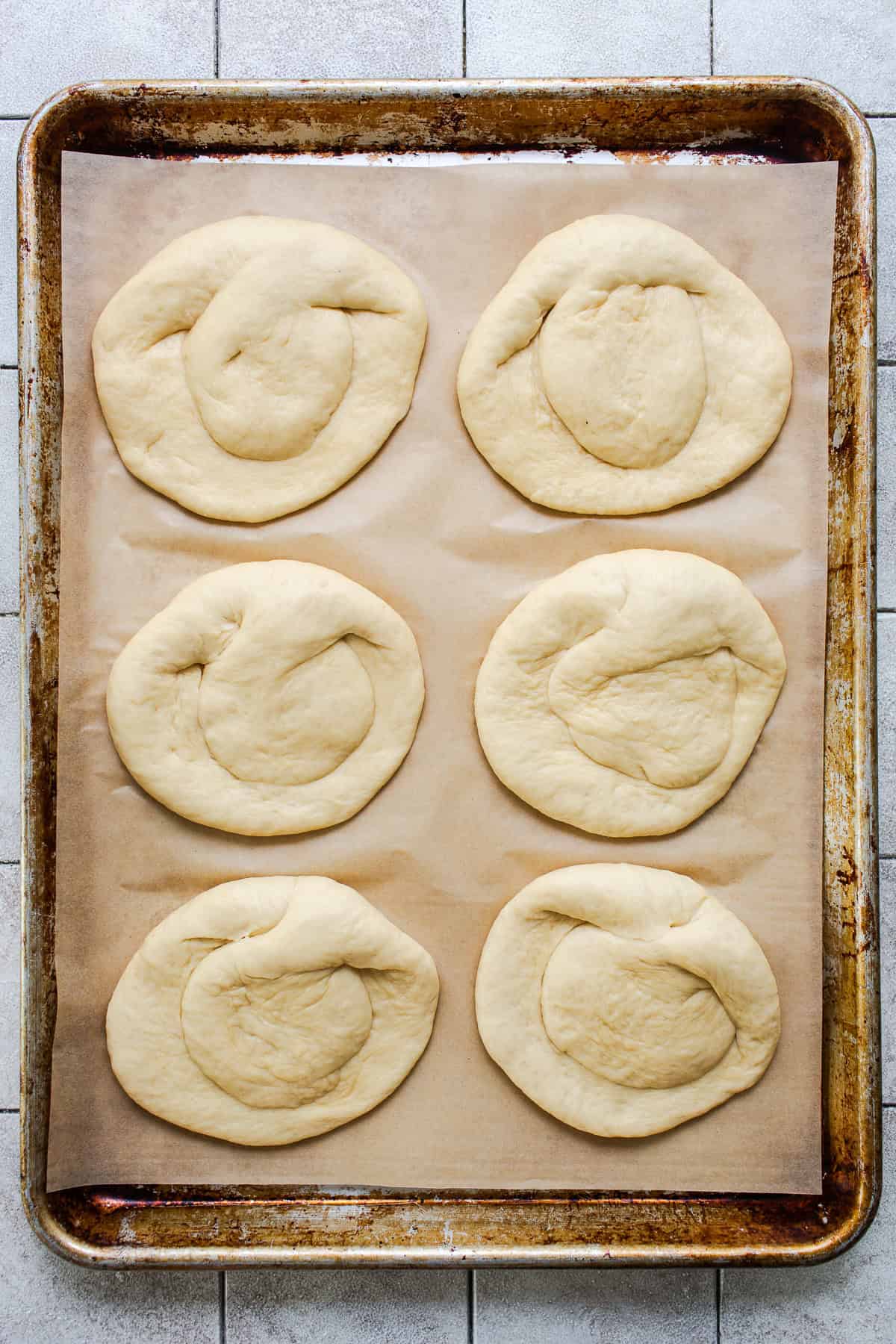
Modern, standardized recipes for cemita buns generally follow a rigorous, step-by-step methodology to ensure consistency. The process begins with the preparation of a rich dough. After the initial rise, the dough is divided into portions, typically yielding six large buns.
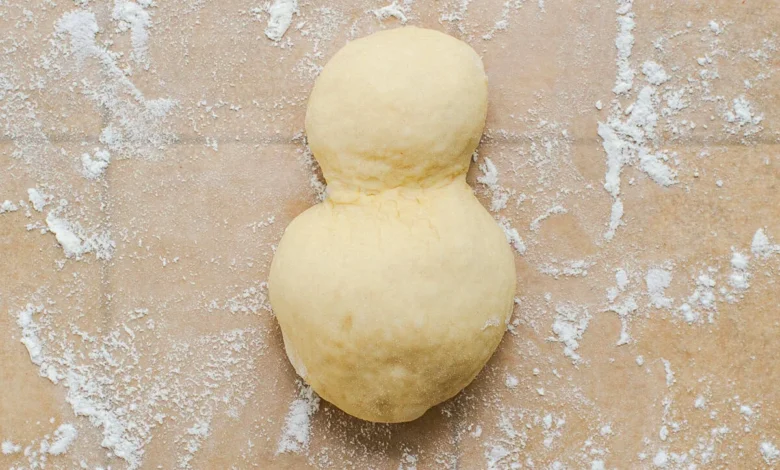
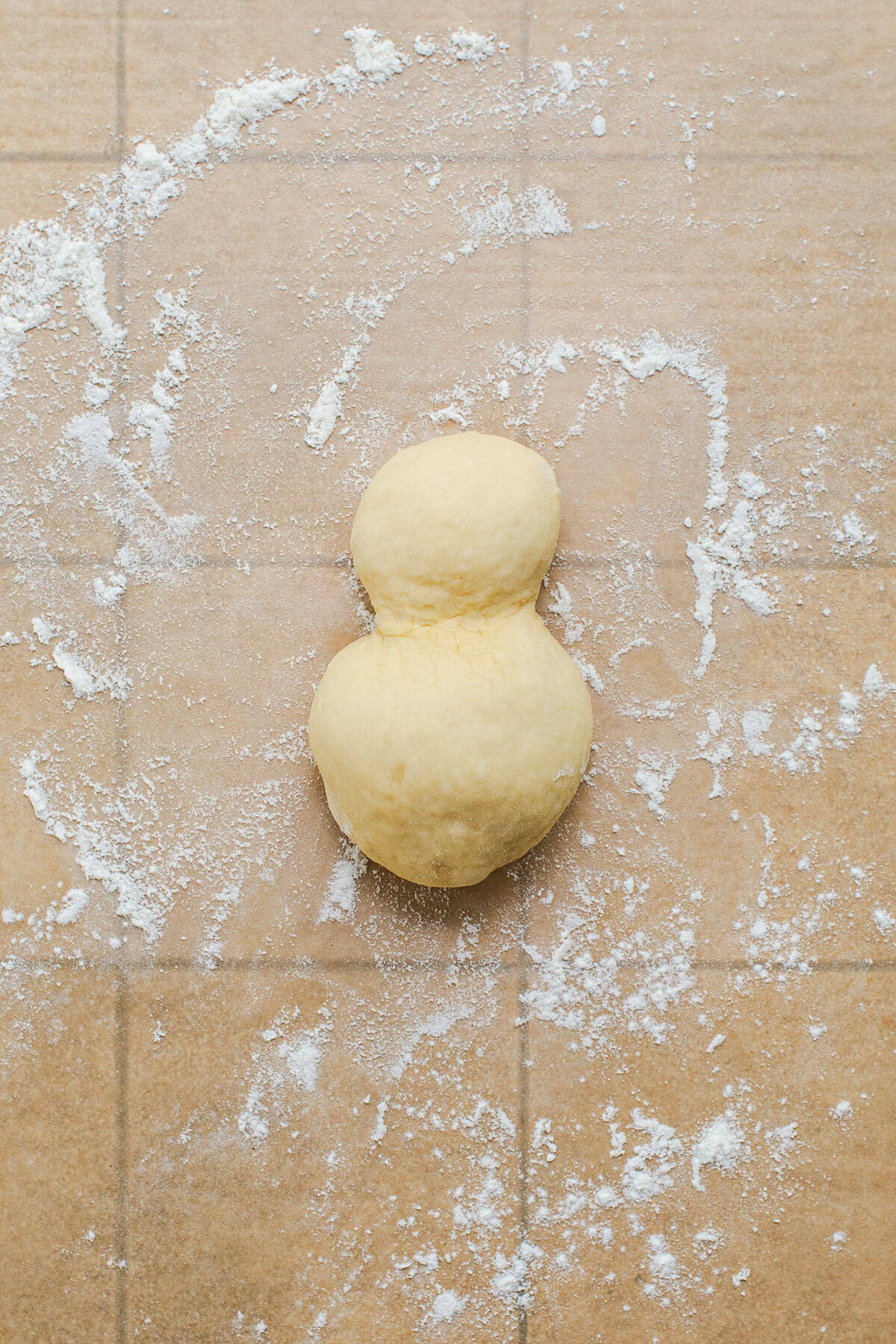
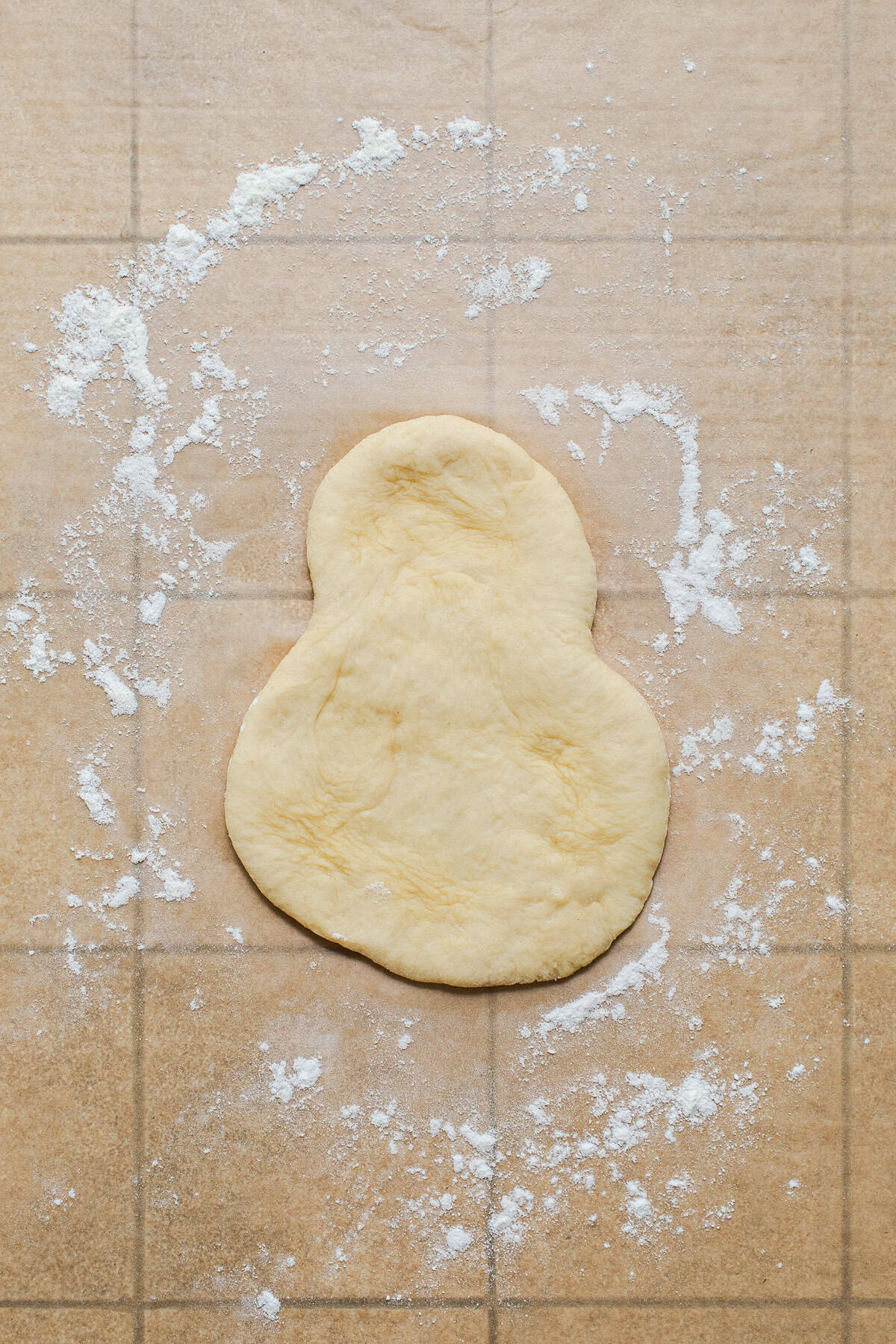
The shaping process is the most critical technical phase. By rolling the "pinky side" of the hand across the dough, bakers create a distinct snowman-like shape—a smaller ball joined to a larger base. This is then flattened, twisted, and folded, creating a curved ridge across the surface. This physical manipulation is essential for the bun’s characteristic height and texture.
Baking occurs at a moderate temperature of 350°F (175°C) for approximately 25 to 30 minutes. The application of an egg wash immediately before baking, followed by a liberal coating of sesame seeds, is essential for achieving the glossy, golden finish that defines the product.
Broader Culinary Implications and Future Trends
The cemita bun has transcended its traditional role as a vessel for the cemita poblana. As fusion cuisine continues to influence modern food culture, these buns are increasingly being utilized for non-traditional purposes, including gourmet burger buns and elevated sandwich formats.
From an industry perspective, the adaptation of the cemita into broader market segments suggests a growing appreciation for regional Mexican breads that offer more complex textures than the standard commercial options. As food supply chains diversify, the potential for artisanal, pre-packaged, or frozen cemita buns to enter mainstream retail markets remains a possibility, provided that manufacturers can replicate the specific crumb structure and moisture levels required for an authentic experience.
Furthermore, the ongoing documentation of these techniques serves a vital archival purpose. By recording the traditional methods of shaping and the specific ingredient ratios used in the Puebla region, culinary researchers are helping to preserve a unique aspect of Mexican heritage that might otherwise be lost to industrial homogenization.
In summary, the cemita bun is more than just a piece of bread; it is a structural marvel and a cornerstone of Poblano gastronomy. Its endurance in the face of modern mass-production trends highlights the value of traditional craft and the cultural significance of food as an identifier of regional identity. Whether produced in a traditional panadería or a modern home kitchen, the cemita remains a testament to the sophistication of Mexican baking traditions.