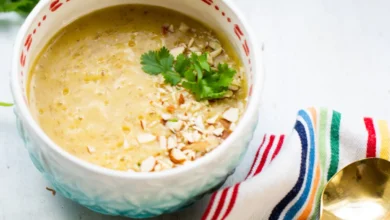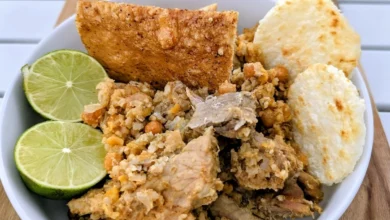
The versatility of chicken drumsticks and thighs has cemented their status as a cornerstone of global culinary practices, particularly as rising food costs have driven a renewed interest in cost-effective protein sources. Culinary experts and home economists alike have noted that bone-in, skin-on chicken legs offer a superior flavor profile compared to lean breast meat, primarily due to higher fat content and the presence of collagen, which breaks down during long cooking processes to create rich, gelatinous textures. As households across the United States and abroad seek to maximize their grocery budgets, the adaptation of traditional, regional recipes into accessible, modern formats has become a significant trend in domestic food preparation.

The Economic and Nutritional Profile of Chicken Legs
Data from the U.S. Department of Agriculture (USDA) frequently highlights chicken as the most consumed protein in the United States. Within the poultry category, leg quarters—consisting of the drumstick and thigh—consistently rank among the most affordable options per pound. This price stability makes them an essential component for both low-cost meal planning and high-volume entertaining.

Nutritionally, while dark meat contains slightly higher fat content than chicken breast, it provides essential minerals such as zinc and iron, as well as higher concentrations of vitamin B12. When prepared using methods such as braising or stewing, these cuts retain moisture more effectively than leaner alternatives, reducing the risk of overcooking during standard weeknight meal preparation.

A Chronology of Culinary Adaptation
The history of chicken preparation is deeply rooted in the concept of "low and slow" cooking, a technique developed out of necessity in regions where refrigeration was historically limited or where fuel for cooking was expensive.
- Pre-20th Century: Early culinary practices in Latin American and Mediterranean cultures prioritized the use of the entire bird, with legs often reserved for long-simmered stews to feed large families.
- Mid-20th Century: As global trade expanded, specific regional dishes—such as the Colombian Sudado de Pollo or the citrus-forward Pollo a la Naranja—began to gain recognition beyond their borders, influenced by the migration of culinary traditions.
- Early 2000s: The rise of digital food journalism and recipe-sharing platforms allowed for the cross-pollination of these techniques, leading to the "fusion" era where traditional braised chicken was paired with ingredients like cola or modern mustard-based emulsions.
- 2020–Present: Current economic pressures have accelerated the popularity of "budget-friendly" recipe compilations, with a marked increase in search volume for methods that utilize affordable cuts like drumsticks.
Signature Preparation Methods and Regional Context
The preparation of chicken legs relies heavily on regional flavor profiles. In Colombian cuisine, the emphasis is often on the hogao—a savory base of tomatoes and onions—which provides the foundation for many stews. For instance, the Pollo Guisado a la Jardinera utilizes this traditional base, combined with seasonal vegetables, to create a nutrient-dense meal.
Conversely, global influences have introduced methods such as braising with carbonated beverages, a technique that leverages the sugars and acidity in cola to tenderize the meat and create a dark, caramelized glaze. Similarly, the use of mushroom-based sauces reflects a European influence, focusing on earthy, savory notes that pair well with the intensity of dark chicken meat.

The following list encapsulates ten distinct approaches to preparing chicken legs, ranging from traditional braises to modern roasted applications:
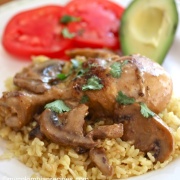
- Creamy Mustard Chicken: A modern emulsion-based dish that balances the sharp acidity of mustard with heavy cream, ideal for service over starch-heavy sides like white rice.
- Pollo a la Naranja (Orange Sauce): A staple in Latin American and Spanish households, utilizing citrus acidity to break down muscle fibers while providing a bright, aromatic finish.
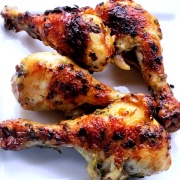
- Colombian-Style Roasted Chicken (Asado): A preparation method involving an overnight marinade, allowing traditional aromatics to permeate the skin, resulting in increased moisture retention during the roasting process.
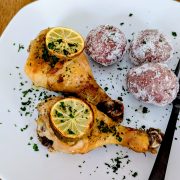
- Roasted Chicken Legs with Lime: An essential "pantry-staple" recipe, demonstrating the effectiveness of citrus and simple seasoning in transforming minimal ingredients into a cohesive dish.
- Sudado de Pollo (Chicken Stew): A quintessential Colombian comfort food that relies on a specific sequence of layering aromatics and potatoes to create a hearty, one-pot meal.
- Chicken with Mushroom Sauce: A dish emphasizing the savory, umami-rich properties of fungi, often served in a velouté-style sauce.
- Pollo a la Coca-Cola: A braising technique that highlights the tenderizing effects of sugar-based sodas, yielding a high-gloss, deep-flavor finish.
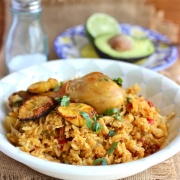
- Arroz Atollado de Pollo y Chorizo: A regional specialty from the Pacific coast of Colombia, characterized by a creamy, risotto-like texture that incorporates sausage and poultry.
- Pollo Encebollado: A classic onion-heavy preparation, focusing on the slow-caramelization of alliums to create a natural, sweet sauce.
- Pollo Guisado a la Jardinera: A vegetable-forward braise that serves as a testament to the utility of bone-in chicken in absorbing complex, garden-fresh flavors.
Expert Analysis: Implications for Home Cooking
Food science experts suggest that the continued popularity of these recipes is not merely a matter of convenience but a result of the inherent chemical advantages of dark meat. The higher concentration of myoglobin in leg muscles provides a richer, "meatier" flavor, while the connective tissue provides a structural integrity that withstands various cooking environments—from the high heat of a grill to the low-pressure environment of a slow cooker.

Furthermore, the "social" aspect of these meals cannot be overlooked. In many cultures, dishes like Arroz Atollado or Sudado de Pollo are viewed as communal foods, designed to be shared from a central platter. This aligns with a broader post-pandemic trend of "gathering," where home cooks are returning to the kitchen to prepare meals that are both financially sustainable and emotionally resonant.
The Role of Traditional Knowledge
For many, the preparation of these dishes is an act of preserving cultural heritage. The influence of family figures, such as the grandmother archetype described by culinary writers, remains a primary vehicle for the transmission of cooking techniques. By documenting these recipes, contemporary cooks ensure that methods like overnight marination or the creation of the hogao base are not lost to the convenience of processed alternatives.

As food costs continue to fluctuate in the global marketplace, the reliance on versatile, nutrient-dense, and flavor-adaptable proteins will likely remain a primary strategy for domestic stability. The transition from a "necessity" ingredient to a "celebrated" ingredient is the defining characteristic of the modern chicken leg revival. Through the application of these ten methods, home cooks can effectively bridge the gap between economic pragmatism and the pursuit of high-quality, culturally significant cuisine.
Related posts: