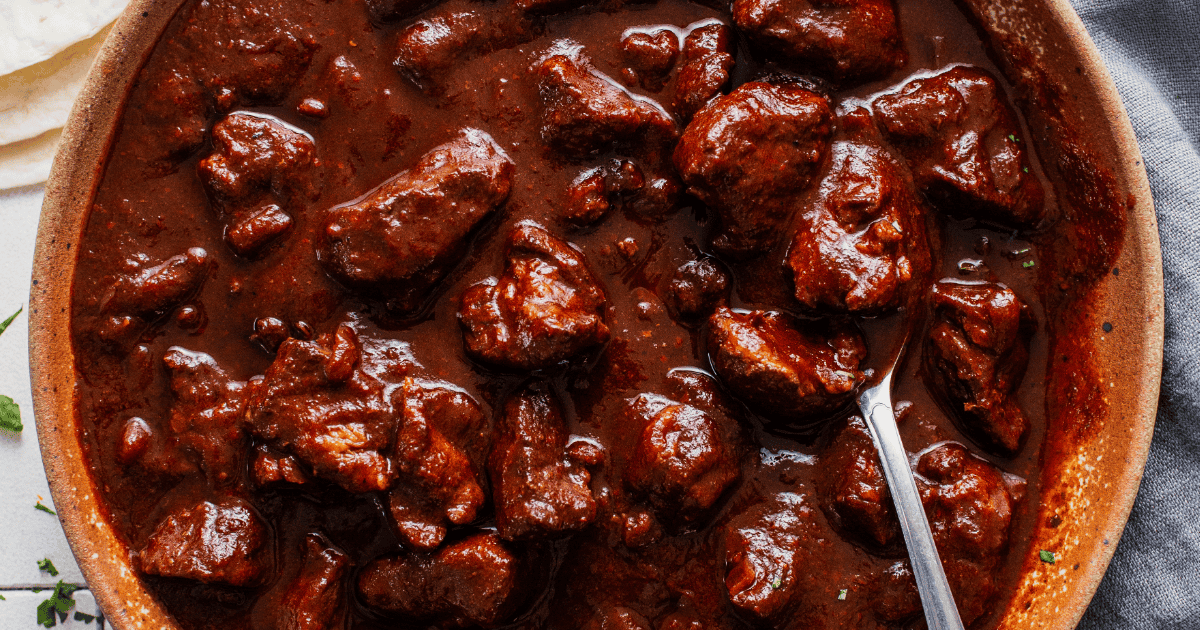
Carne adovada, a cornerstone of New Mexican cuisine, represents the heart of the state’s culinary identity: tender chunks of pork shoulder, meticulously simmered low and slow within a rich, earthy sauce crafted from dried red chiles. This seemingly simple dish, achievable with a pantry’s worth of ingredients, belies the depth of flavor achieved through its from-scratch chile sauce, a process more accessible than many might assume. The result is a profoundly satisfying experience that has cemented its place as a beloved staple across the Land of Enchantment.
Understanding the Essence of Carne Adovada
At its core, carne adovada is a testament to the transformative power of dried red chiles. The name itself, derived from the Spanish word for "marinated," hints at the infusion of flavor that occurs during its slow cooking process. While the pork shoulder provides a succulent, forgiving base, it is the chiles that perform the heavy lifting, imbuing the sauce with a deep, earthy, and subtly smoky profile. This dish is a versatile culinary canvas, appearing in myriad forms throughout New Mexico. It is commonly served over rice and beans, nestled within warm tortillas, layered into enchiladas, or presented regally on a plate, often crowned with a perfectly fried egg. The reverence with which New Mexicans approach this dish speaks volumes about its cultural significance and the satisfaction it delivers.
Distinguishing Adovada from Adobada: A Crucial Clarification
In the realm of New Mexican and Mexican cuisine, precise terminology is key, and the distinction between "adovada" and "adobada" is paramount. "Adovada," with a ‘v’, specifically refers to the New Mexican preparation of pork simmered in red chile until it achieves a fall-apart tenderness. Conversely, "adobada," with a ‘b’, is a broader Mexican culinary term encompassing meats cooked in an adobo sauce. Adobada dishes can range from grilled to pan-fried preparations, often intended for tacos. While both terms share a common Spanish root, they denote distinct culinary traditions and preparations. This article focuses exclusively on the authentic New Mexican carne adovada.
The Art of Chile Selection: The Soul of the Sauce
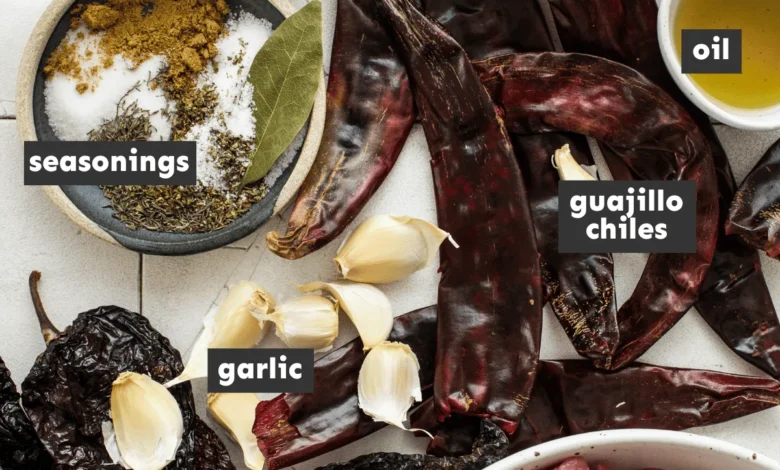
The chiles are unequivocally the soul of carne adovada, and their selection warrants careful consideration. Traditional New Mexican cooks often rely on locally grown dried red chiles, a treasure often difficult to procure outside the state’s borders. For those outside this region, a masterful adaptation involves building the chile sauce using a combination of dried ancho and guajillo chiles. These varieties are widely available in most grocery stores and collectively deliver a comparable depth of smoky, slightly fruity flavor without the arduous search.
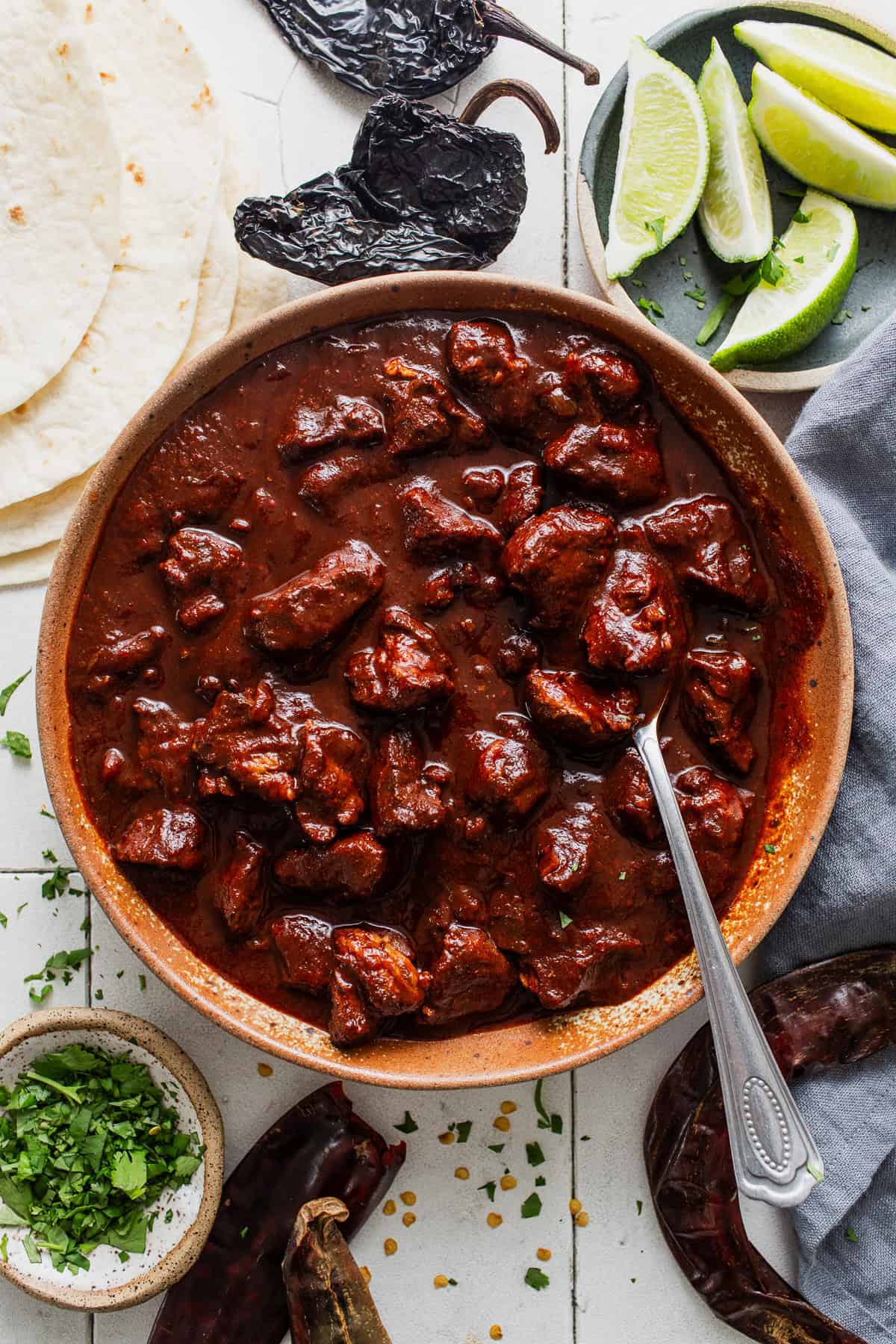
Ancho chiles, known for their rich, raisin-like sweetness and mild heat, form the foundational base of the sauce. Guajillo chiles, on the other hand, contribute a brighter, more pronounced heat and a subtle tang, making them indispensable for balancing the flavor profile. Consequently, recipes often call for a higher proportion of guajillos to anchos. When selecting dried chiles, it is advisable to look for specimens that retain a degree of pliability, indicating they are not overly dried out and brittle.
For those seeking to temper the heat, adjusting the ratio of guajillo to ancho chiles is an effective strategy. Reducing the quantity of guajillos while increasing the proportion of anchos can yield a milder, sweeter sauce. One home cook, new to the use of dried chiles, reported success by simply halving the total amount of chiles recommended, finding the resulting spice level perfect for her family.
A Note from the Author: A Culinary Journey
While not a native of New Mexico, the author’s culinary journey with carne adovada began in Oklahoma, a testament to the enduring influence of Mexican heritage. Discovering this dish as an adult led to an immersive exploration of its preparation at home. The key, as she notes, lies in mastering the chile sauce. Recognizing the challenge of sourcing authentic New Mexican red chile powder elsewhere, the author developed a robust sauce utilizing readily available ancho and guajillo chiles. The inclusion of seemingly unconventional ingredients such as soy sauce, vinegar, and sugar might raise eyebrows in a traditional New Mexican context, but they serve a crucial purpose: rounding out the flavors and enhancing the inherent complexity of the chiles. These additions create a sauce that is rich, subtly tangy, and undeniably delicious, drawing parallels to other beloved Mexican stews like chile colorado, chile verde, and carne guisada.

Ingredients: The Foundation of Flavor
The creation of carne adovada hinges on a select group of high-quality ingredients, ensuring a harmonious and deeply satisfying dish. The primary components include:
- Pork Shoulder: Approximately 3 pounds, cut into 1-inch cubes, providing the succulent base for the stew.
- Dried Ancho Chiles: 4-6 chiles, stemmed and seeded, offering a rich, sweet foundation.
- Dried Guajillo Chiles: 6-8 chiles, stemmed and seeded, contributing brightness and a moderate heat.
- Bay Leaf: 1 leaf, an aromatic essential for infusing the sauce.
- Water: Approximately 4 cups for soaking and simmering.
- Garlic: 4-6 cloves, minced, for pungent depth.
- White Vinegar: 2 tablespoons, adding a crucial tangy counterpoint.
- Soy Sauce: 1 tablespoon, an umami enhancer that rounds out the chile flavors.
- Dried Oregano: 1 teaspoon, a classic Mexican herb.
- Dried Thyme: 1 teaspoon, complementing the savory notes.
- Sugar: 1 teaspoon, balancing the heat and acidity.
- Ground Cumin: ½ teaspoon, adding earthy warmth.
- Salt: To taste, essential for bringing out all the flavors.
- Vegetable Oil: 2 tablespoons, for searing the pork.
- Yellow Onion: 1 medium, chopped, for aromatic sweetness and deglazing.
The Method: A Symphony of Slow Cooking
The preparation of carne adovada unfolds in a series of straightforward yet crucial steps, culminating in a dish that rewards patience and attention to detail.
-
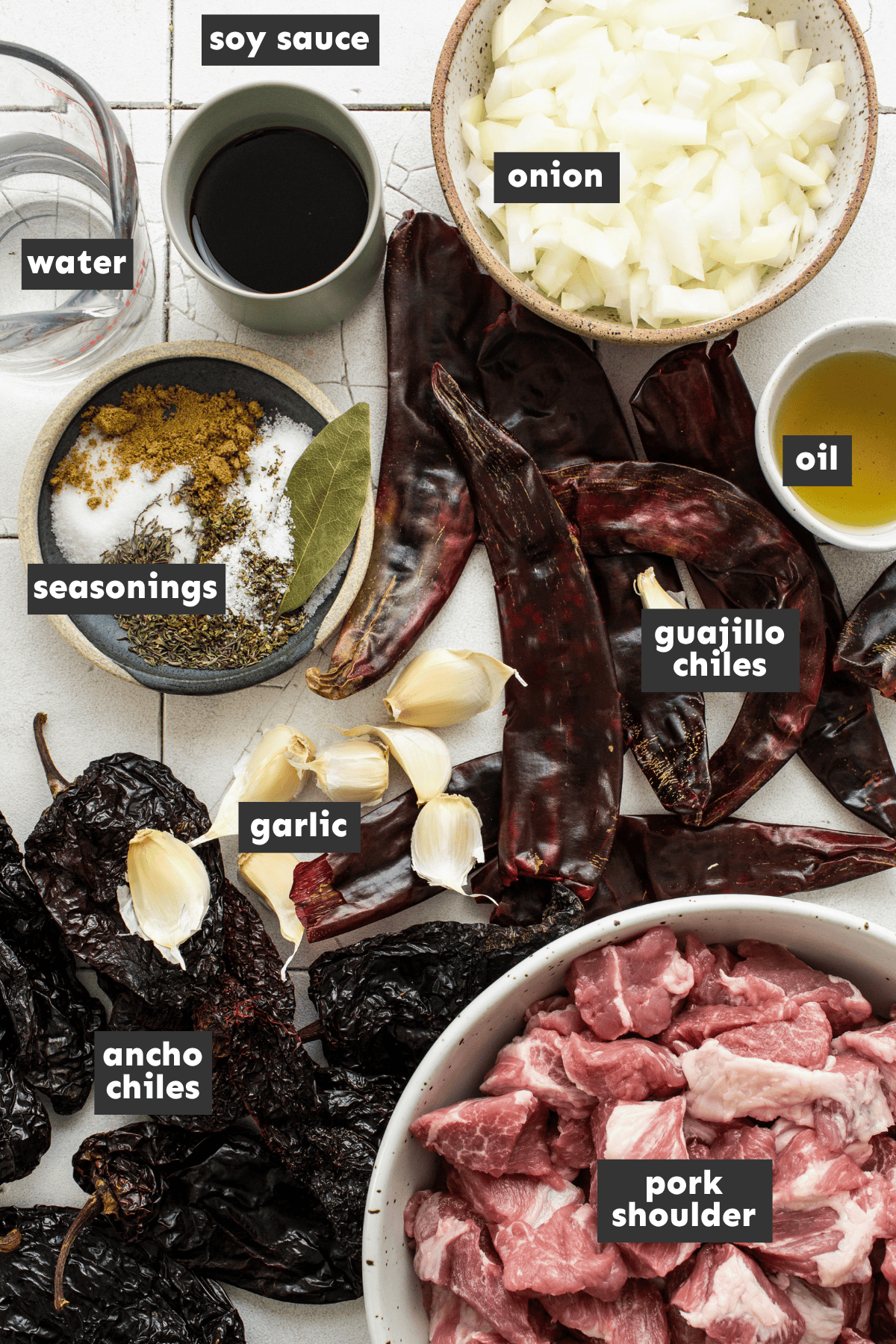
Toasting and Softening the Chiles: The initial step involves gently toasting the dried ancho and guajillo chiles in a dry skillet over medium heat. This process, lasting only 1 to 2 minutes, until they become fragrant, is critical. Over-toasting can lead to bitterness. Immediately after toasting, transfer the chiles to a pot, add the bay leaf, and cover with approximately 3 cups of water. Bring the mixture to a boil, then remove from the heat and allow the chiles to soak for 10 minutes, or until they are fully softened.
-
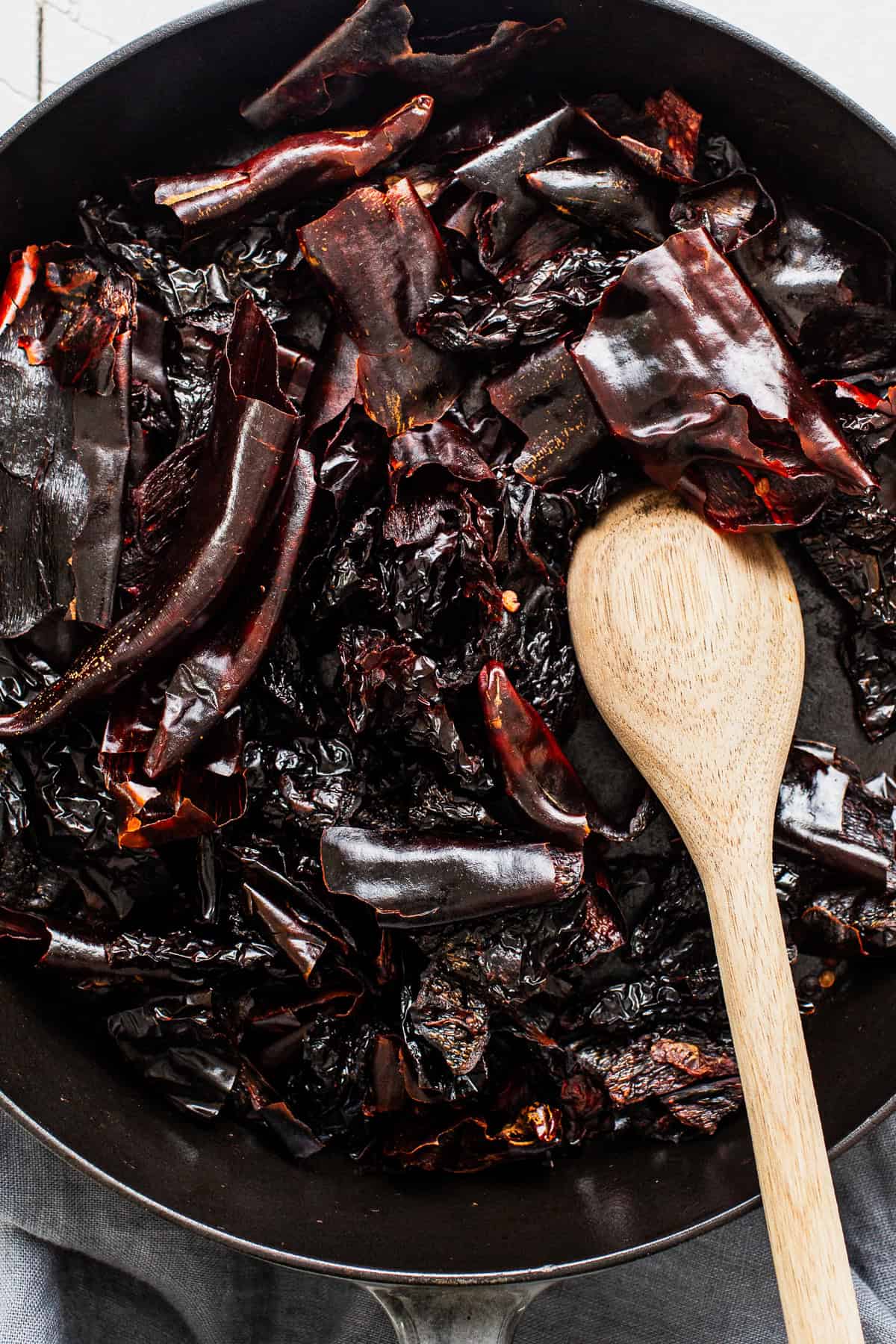
Blending the Chile Sauce: Once softened, drain the chiles, reserving the soaking liquid. Place the softened chiles and bay leaf into a blender. Add 3 cups of the reserved soaking water, minced garlic, white vinegar, soy sauce, dried oregano, dried thyme, sugar, ground cumin, and salt. Blend the ingredients until a smooth, homogenous sauce is achieved. Adjust the consistency by adding more reserved soaking water if necessary, aiming for a pourable, yet not overly thin, sauce.
-
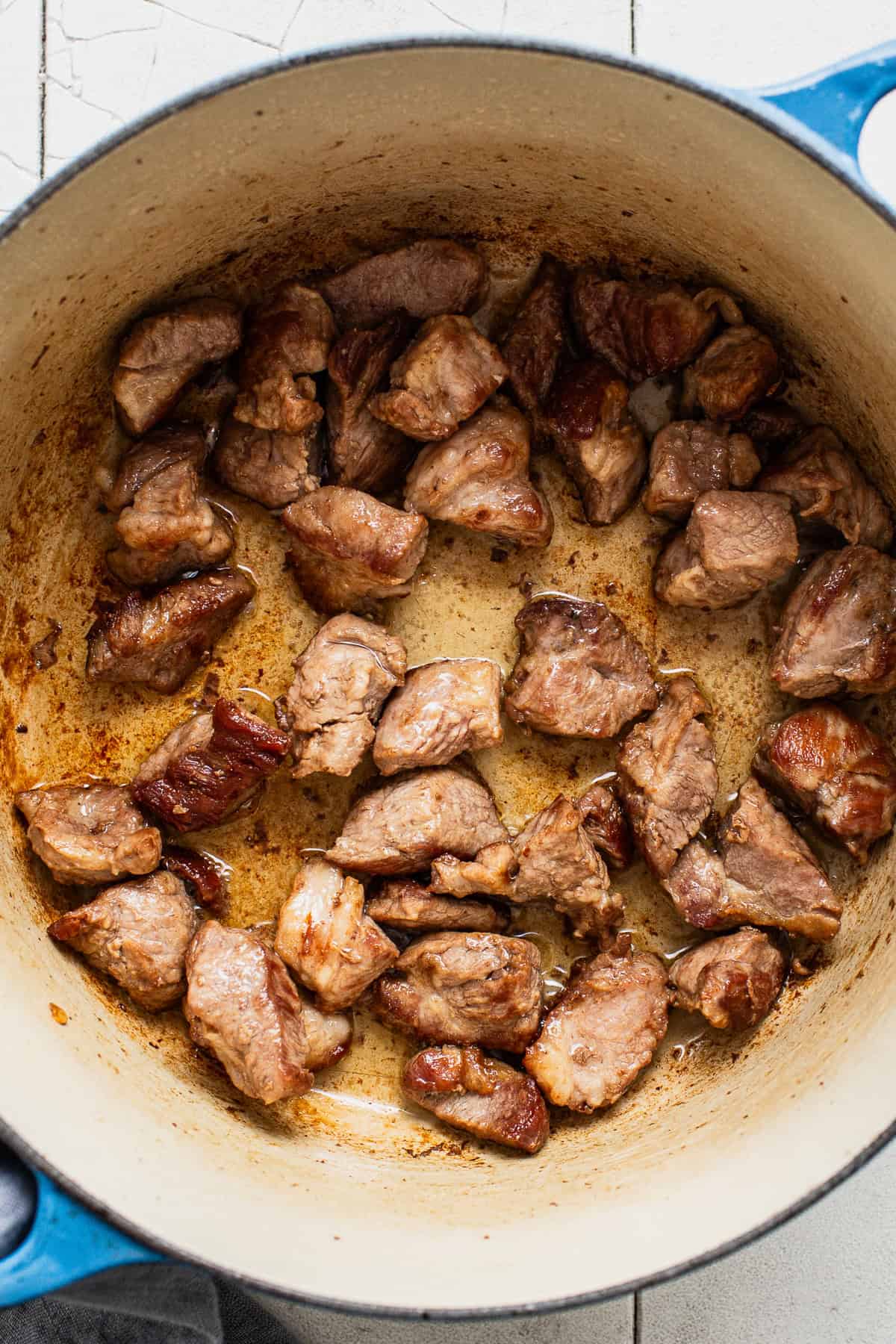
Searing the Pork: While the chiles soak, prepare the pork. Pat the cubed pork shoulder thoroughly dry with paper towels; this is essential for achieving a good sear. Heat the vegetable oil in a large Dutch oven or heavy-bottomed pot over medium-high heat. Sear the pork in batches, ensuring not to overcrowd the pot, as this can lead to steaming rather than searing. For optimal tenderness and juiciness, aim for a deep sear on just one side of each piece of pork, resisting the urge to stir or move the pieces too frequently.
-
Cooking the Onion and Simmering: After searing the pork, remove it from the pot and set aside. Add the chopped yellow onion to the same pot. Cook the onion for approximately 5 minutes, stirring and scraping up any browned bits (fond) from the bottom of the pot. This process, known as deglazing, incorporates additional flavor into the dish. Return the seared pork to the pot. Pour the prepared chile sauce over the pork and onions, stirring to ensure everything is well combined. Bring the mixture to a boil, then immediately reduce the heat to low, cover the pot tightly, and allow the carne adovada to simmer for at least 2 hours, or until the pork is exceptionally tender and easily shreds with a fork.
Optional Marination: Deepening the Flavor
For an even more profound depth of flavor, an optional marination step can be incorporated. After searing the pork and preparing the chile sauce, stir the seared pork into the chile sauce. Cover the pot and refrigerate it overnight. This allows the flavors to meld and penetrate the meat more thoroughly, embodying the traditional New Mexican method. However, the dish remains exceptionally delicious even when prepared without this overnight marination.
Helpful Tips for Carne Adovada Excellence
- Chile Quality: The flavor of your carne adovada is directly tied to the quality of your dried chiles. Opt for chiles that are pliable and fragrant.
- Pork Cut: Pork shoulder (also known as Boston butt or picnic shoulder) is ideal due to its fat content, which renders during the long cooking process, ensuring moist and tender meat.
- Low and Slow: Patience is key. The extended simmering time is crucial for tenderizing the pork and allowing the flavors to meld.
- Adjusting Heat: The heat level can be customized by adjusting the number of guajillo chiles used. For a milder dish, use fewer guajillos and more anchos.
- Make Ahead: Carne adovada often tastes even better the next day, as the flavors continue to develop. It can be prepared in advance and gently reheated.
- Storage: Leftovers can be stored in an airtight container in the refrigerator for up to 3-4 days or frozen for longer storage.
Serving Suggestions: A Versatile Delight
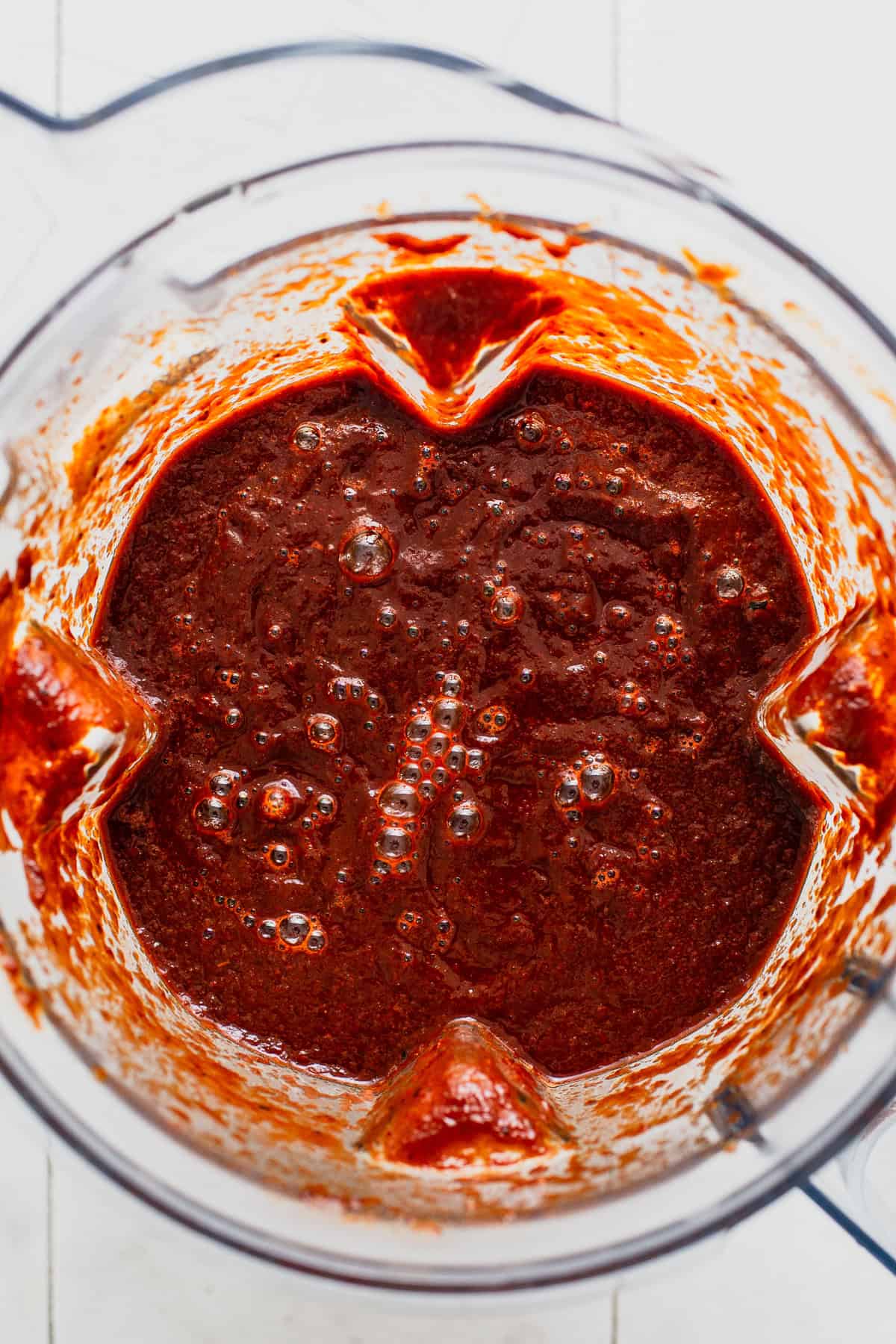
Carne adovada’s versatility makes it a welcome addition to a variety of meals and occasions. Its rich flavor profile lends itself to numerous serving options:
- Traditional Plate: Serve generously over steamed white rice and refried beans, a classic New Mexican combination.
- Taco Filling: Shredded carne adovada makes an exceptional filling for soft or crispy tacos, complemented by diced onions and cilantro.
- Enchilada Layers: Incorporate the tender pork into enchiladas, layering it with cheese and sauce for a hearty and flavorful dish.
- Breakfast Staple: Top a plate of scrambled eggs or a fried egg with carne adovada for a robust and satisfying breakfast or brunch.
- Sandwich Spread: Shredded carne adovada can be used as a flavorful spread for sandwiches, particularly on crusty bread.
- Toppings: Garnish with fresh cilantro, diced white onion, a squeeze of lime, or a dollop of sour cream to enhance its vibrant flavors.
Frequently Asked Questions
- Can I use a different cut of pork? While pork shoulder is recommended for its fat content and tenderness, pork loin can be used, but it requires a shorter cooking time and may result in a less tender dish.
- How spicy is carne adovada? The spiciness is moderate and can be adjusted by altering the ratio of guajillo to ancho chiles. The author’s recipe aims for a balanced heat that is enjoyable for most palates.
- What is the difference between adovada and adobada? Adovada refers to the specific New Mexican red chile pork dish, while adobada is a broader Mexican term for meat cooked in adobo sauce.
- Can carne adovada be made in a slow cooker or Instant Pot? Yes, adaptations can be made for both appliances, though the searing step is still recommended for optimal flavor development.
- How long does carne adovada last? Properly stored in an airtight container in the refrigerator, it can last for 3-4 days. It also freezes well for up to 3 months.
Nutritional Information
A typical serving of carne adovada (approximately 1/8th of the recipe) contains roughly 468 calories, 57g of carbohydrates, 29g of protein, and 17g of fat. This includes 4g of saturated fat, 5g of polyunsaturated fat, and 7g of monounsaturated fat. It also provides approximately 70mg of cholesterol, 1863mg of sodium, 1821mg of potassium, 22g of fiber, and 33g of sugar. The dish is a good source of Vitamin A (19954 IU) and Vitamin C (27mg), and contains 72mg of calcium and 7mg of iron. This nutritional breakdown is an approximation and can vary based on specific ingredients and preparation methods.
Conclusion
Carne adovada stands as a powerful culinary ambassador for New Mexico, embodying the state’s rich cultural tapestry and its commitment to flavor. The careful selection of chiles, the patient simmering process, and the thoughtful balance of seasonings converge to create a dish that is both comforting and complex. Whether enjoyed as a traditional plate, a hearty taco filling, or a vibrant enchilada component, carne adovada offers a taste of New Mexico that is both authentic and universally appealing. Its accessibility, coupled with its profound flavor, ensures its continued popularity for generations to come.
Photography by Ashley McLaughlin.
This article was originally published in June 2022 and has been updated with new photography, an enhanced recipe, and expanded guidance.
Related posts: