
Puerto Rican Rice And Beans

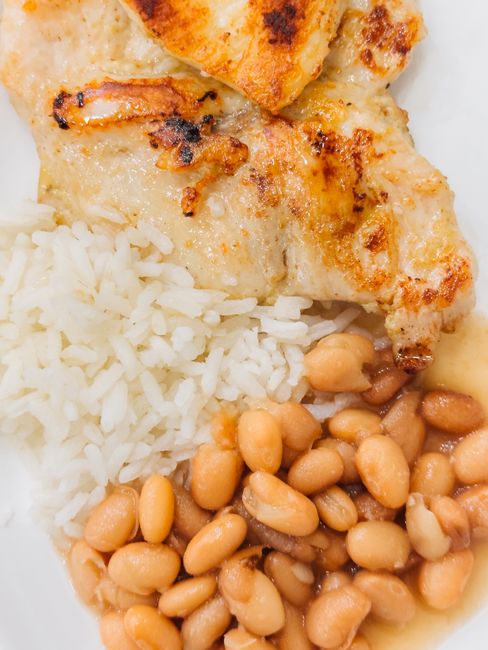
The Definitive Guide to Authentic Puerto Rican Rice and Beans (Arroz con Gandules y Habichuelas): A Culinary Cornerstone
Arroz con gandules y habichuelas is more than just a dish; it’s the beating heart of Puerto Rican cuisine, a foundational element present at virtually every family gathering, holiday feast, and everyday meal. This seemingly simple combination of fluffy rice, tender pigeon peas, and savory beans, infused with the aromatic essence of sofrito and achiote, represents a rich culinary heritage deeply rooted in the island’s history and cultural fusion. Understanding the nuances of its preparation, the variations, and its cultural significance unlocks a deeper appreciation for this beloved staple.
The soul of authentic Puerto Rican rice and beans lies in its core ingredients. The rice, typically medium-grain, provides a neutral canvas, absorbing the vibrant flavors that surround it. Its texture is paramount; it must be perfectly cooked – neither mushy nor undercooked – allowing each grain to remain distinct yet tender. Pigeon peas, or gandules, are the namesake of this iconic dish. These small, earthy legumes, whether fresh, frozen, or canned, contribute a unique texture and subtle sweetness that differentiates Puerto Rican rice and beans from other rice and bean preparations. Habichuelas, most commonly pink beans (habichuelas rosadas), contribute a creamier texture and a slightly nuttier flavor. They are often cooked from scratch, though canned varieties are a convenient shortcut. The magic, however, truly ignites with the aromatics. Sofrito, the herbaceous and pungent base of many Puerto Rican dishes, is indispensable. This finely minced blend of onions, garlic, bell peppers (often green), cilantro, culantro (recao), and sometimes ají dulce peppers, forms the flavor foundation. Achiote, or annatto, seeds are typically infused into oil to impart a signature golden-yellow hue and a subtly peppery, nutty flavor to the rice. The judicious use of pork fat (from diced salt pork or tocino) or a neutral oil provides richness and helps to meld the flavors.
Achieving the perfect texture and flavor in arroz con gandules y habichuelas is a meticulous process, involving several key steps. The first involves preparing the aromatics. Sofrito can be made from scratch in batches and stored in the refrigerator or freezer, ensuring its immediate availability. The achiote is typically bloomed in oil, gently heating the seeds in oil over low heat until the oil takes on a deep orange-red color. This infused oil is then strained, discarding the seeds. In a large pot or caldera, the sofrito is sautéed until fragrant, releasing its complex aroma. Diced salt pork, if used, is then rendered, its fat adding depth and savoriness. The gandules are added and sautéed briefly, allowing them to absorb the initial flavors. Next, the rice is incorporated, and this is a crucial step. The rice is stirred and coated in the aromatic mixture, toasting it slightly. This toasting process helps to prevent the rice from becoming gummy. The habichuelas are then added, along with the liquid. Traditionally, this liquid is water, but some variations utilize chicken broth for added richness. The amount of liquid is critical for achieving the correct rice texture. A common ratio is roughly 1.5 to 2 parts liquid to 1 part rice, but this can vary depending on the type of rice and the desired outcome. Salt and pepper are added to taste, and bay leaves can be included for an extra layer of fragrance. The mixture is brought to a boil, then reduced to a low simmer, covered tightly, and cooked until the liquid is absorbed and the rice is tender. The final step, often referred to as "breaking the rice" or romper el arroz, involves fluffing the rice with a fork, ensuring an even distribution of peas and beans and preventing clumping.
The beauty of Puerto Rican rice and beans lies not only in its classic preparation but also in its inherent adaptability. While arroz con gandules y habichuelas is the quintessential rendition, numerous regional and familial variations exist, each with its unique charm. Some cooks prefer to use only gandules, omitting the habichuelas, to create a lighter dish, often referred to simply as arroz con gandules. Conversely, other families might emphasize the habichuelas, using fewer gandules or even a different type of bean, such as black beans (habichuelas negras), to create arroz con habichuelas, a close cousin with a distinct flavor profile. The type of pork used can also vary significantly. While tocino or salt pork are traditional, some opt for diced ham, ham hocks, or even skip the pork altogether for a vegetarian or vegan version. The introduction of olives and capers is a common addition, particularly in coastal regions, adding a briny, piquant note that complements the earthiness of the peas and beans. Sazón con achiote packets, readily available in supermarkets, are a popular shortcut for achieving the characteristic color and flavor, though many purists maintain that the flavor profile achieved with fresh sofrito and bloomed achiote is superior. The level of spice can also be adjusted; some enjoy a subtle warmth from a finely minced jalapeño or serrano pepper added to the sofrito, while others prefer to keep it mild. Even the type of liquid used can be a point of divergence, with some employing chicken broth or a combination of water and broth for added depth of flavor.
The cultural significance of arroz con gandules y habichuelas in Puerto Rico cannot be overstated. It is more than just sustenance; it is a culinary symbol of identity, family, and tradition. The preparation of this dish is often a communal event, particularly during holidays and special occasions. Grandmothers, mothers, and aunts gather in the kitchen, sharing stories and laughter as they chop vegetables, sauté aromatics, and tend to the simmering pot. The aroma of the cooking rice and beans wafts through the house, a comforting and familiar scent that evokes memories of childhood and home. On Christmas Eve, for example, arroz con gandules y habichuelas is an indispensable component of the lechon feast, representing the island’s vibrant spirit and warm hospitality. It is a dish that unites generations, bringing families together around the table, fostering connection and preserving cultural heritage. The act of sharing a plate of this rice and beans is an act of love and a testament to the enduring power of food to connect people. It is a reminder of where they come from and the values that have been passed down through the ages. The simple act of preparing and sharing this dish reinforces a sense of belonging and shared identity.
Beyond its role in formal gatherings, arroz con gandules y habichuelas is also a staple of everyday Puerto Rican life. It serves as a versatile accompaniment to a wide array of main courses. Think of it alongside crispy pernil (roast pork shoulder), tender pollo guisado (stewed chicken), a flaky piece of grilled fish, or even a simple bistec encebollado (steak and onions). Its comforting texture and robust flavor profile make it the perfect foil for a variety of proteins and savory dishes. It’s also frequently featured in platos combinados, or combination plates, where it forms the base for a more substantial meal. For instance, a plate might include a generous portion of rice and beans, a scoop of tostones (fried plantains), and a protein of choice. This makes it a highly adaptable and accessible dish for any meal. Furthermore, the leftovers of arroz con gandules y habichuelas are highly prized. They often transform into delicious reinventions, such as arroz apastelado, a layered rice casserole, or incorporated into hearty soups and stews. This demonstrates the dish’s inherent versatility and its ability to transcend its initial presentation.
For those looking to recreate this iconic dish outside of Puerto Rico, sourcing the right ingredients is key to achieving authenticity. Medium-grain rice, such as Valencia or Calrose, is readily available in most supermarkets. For pigeon peas, frozen or canned gandules are the most accessible options. If using fresh gandules, they will require a longer cooking time. Pink beans (habichuelas rosadas) are also widely available in canned form. The aromatic base, sofrito, can be made from scratch using fresh ingredients, or pre-made versions can be found in the refrigerated or frozen sections of Latin American or international grocery stores. If purchasing pre-made sofrito, check the ingredient list to ensure it aligns with your desired flavor profile. Achiote oil is also readily available in many specialty stores, or you can easily make your own by infusing achiote seeds in vegetable oil. If tocino or salt pork is difficult to find, diced pancetta or even a good quality smoked bacon can be used as a substitute, though the flavor will be slightly altered. The quality of these foundational ingredients directly impacts the final dish, so investing in fresh, high-quality components will yield the most satisfying results.
Mastering the art of Puerto Rican rice and beans is a journey, not a destination. Each cook develops their own subtle techniques and personal preferences that make their version unique. The key lies in understanding the fundamental principles: the balance of aromatics, the proper ratio of liquid to rice, and the importance of texture. With practice and patience, anyone can learn to prepare a pot of arroz con gandules y habichuelas that rivals that of any abuela. The satisfaction derived from sharing this beloved dish with loved ones, or simply enjoying a comforting bowl on a quiet evening, is immeasurable. It’s a taste of Puerto Rico, a spoonful of history, and a testament to the enduring power of simple, delicious food. From its humble origins to its status as a culinary icon, Puerto Rican rice and beans continues to capture hearts and palates, a testament to its deliciousness and its deep cultural significance. The journey of preparing and savoring this dish is an exploration of flavor, tradition, and the joy of shared culinary experiences.


