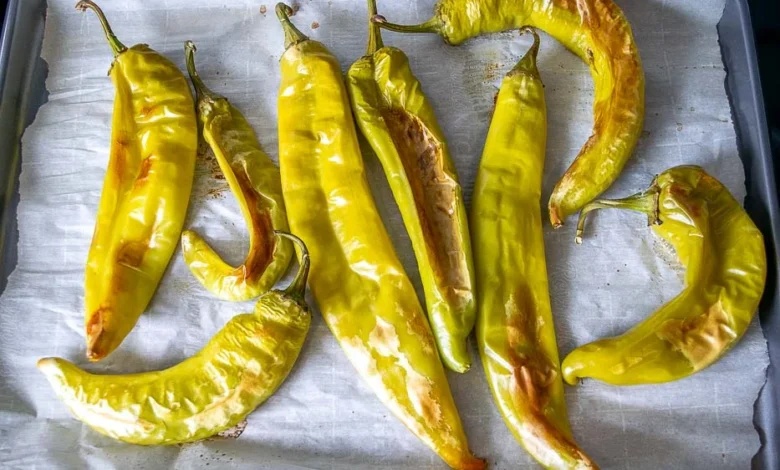
The arrival of late summer marks a significant culinary event in the American Southwest, specifically within the Mesilla Valley of New Mexico. As the Hatch chile harvest reaches its peak, food enthusiasts and professional chefs alike turn their attention to the uniquely flavored pepper that defines the region’s gastronomic identity. These chiles, grown in the specific alluvial soil of the Hatch Valley, are celebrated for a complex flavor profile that balances earthiness with a distinct, smoky heat when roasted.
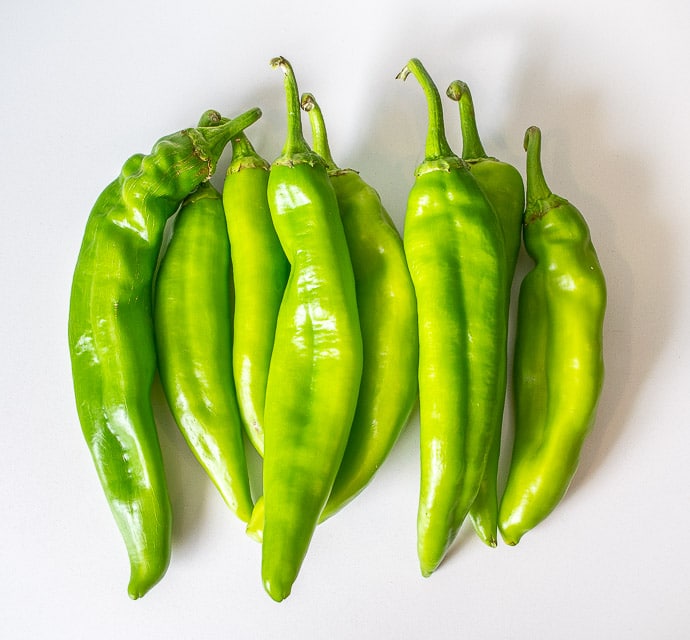
The Significance of the Hatch Chile Harvest
Hatch chiles are not a single variety of pepper but rather a collection of cultivars grown in the Hatch Valley. The region’s unique microclimate, characterized by hot days and cool nights, creates the ideal conditions for the chiles to develop their signature thick flesh and pungent aroma. The harvest season is historically brief, typically spanning from late August through the end of September. This limited window has transformed the arrival of the crop into a cultural phenomenon, with retail demand often outstripping local supply, prompting a sophisticated distribution network that allows consumers across the United States to source the product directly from New Mexico.
Nutritional and Culinary Profile
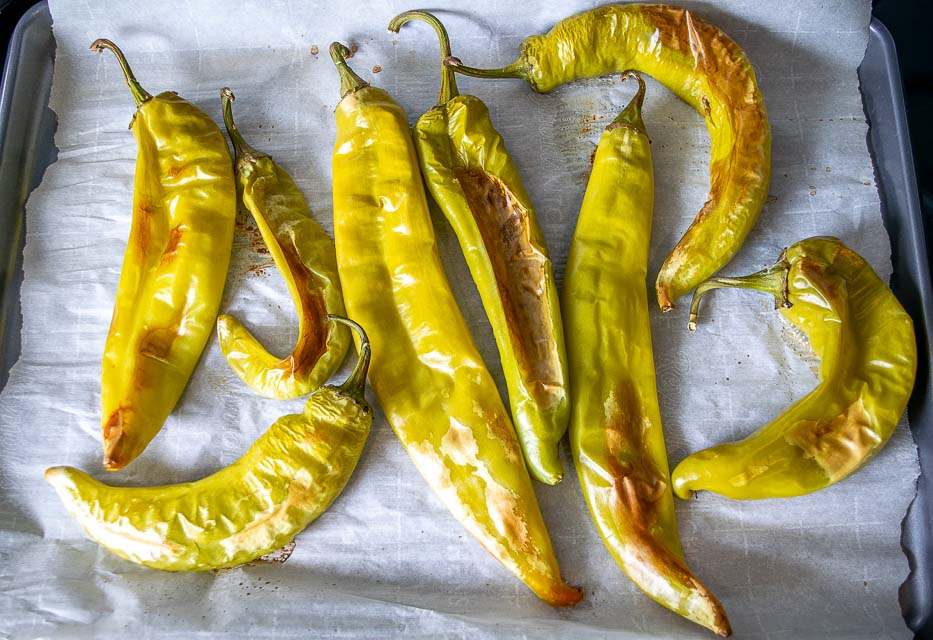
From a nutritional perspective, Hatch chiles are high in vitamins A and C and contain capsaicin, the compound responsible for the heat that many consumers associate with the fruit. In culinary applications, the roasting process is essential. Roasting caramelizes the natural sugars within the pepper, softening the fibrous skin and intensifying the flavor. While industrial processes allow for the year-round availability of frozen, roasted chiles, purists argue that home-roasting—whether over an open flame, a charcoal grill, or a high-temperature oven—remains the gold standard for maintaining the integrity of the chile’s texture and volatile aromatic compounds.
Chronology of Preparation
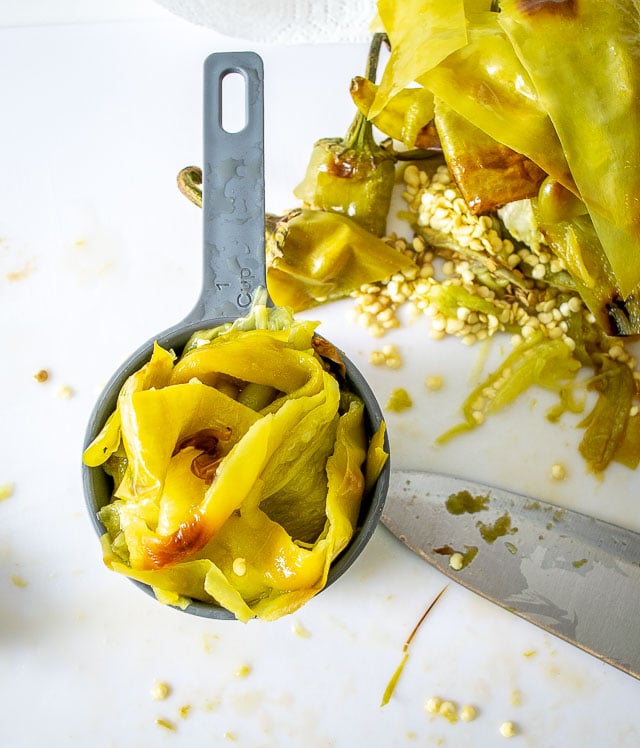
For those attempting to replicate traditional New Mexican enchiladas, the preparation process follows a specific, methodical timeline. The process begins with the thermal treatment of the chiles. A standard batch of approximately eight chiles requires roughly 25 to 30 minutes of high-heat exposure. Once the skin is sufficiently charred and blistered, the chiles must be allowed to cool. This cooling period is not merely for safety; it allows the flesh to steam slightly, making the subsequent removal of the skin, seeds, and stems significantly more efficient.
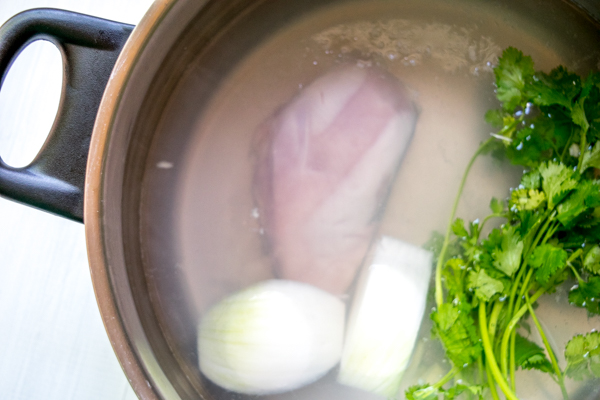
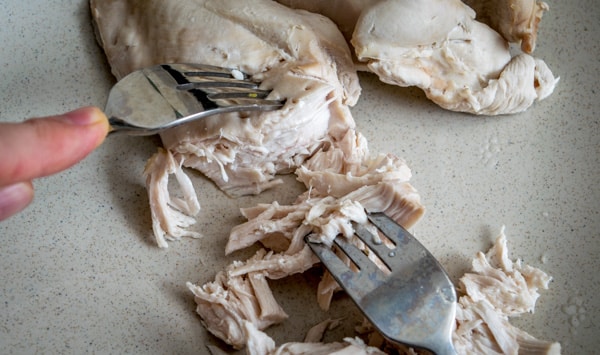
Simultaneously, the preparation of the protein—typically chicken—serves as the backbone of the dish. Professional culinary techniques often favor poaching, a method that ensures the meat remains succulent and neutral, allowing the complex notes of the green chile sauce to serve as the primary flavor agent. The poaching process, which involves simmering the chicken in water often infused with aromatics such as onion and cilantro, takes approximately 20 minutes. Once the chicken is shredded, the assembly of the enchiladas requires a precise approach to the corn tortillas. To prevent the tortillas from cracking during the rolling process, they must be softened through a controlled application of heat or steam.
The Science of the Sauce
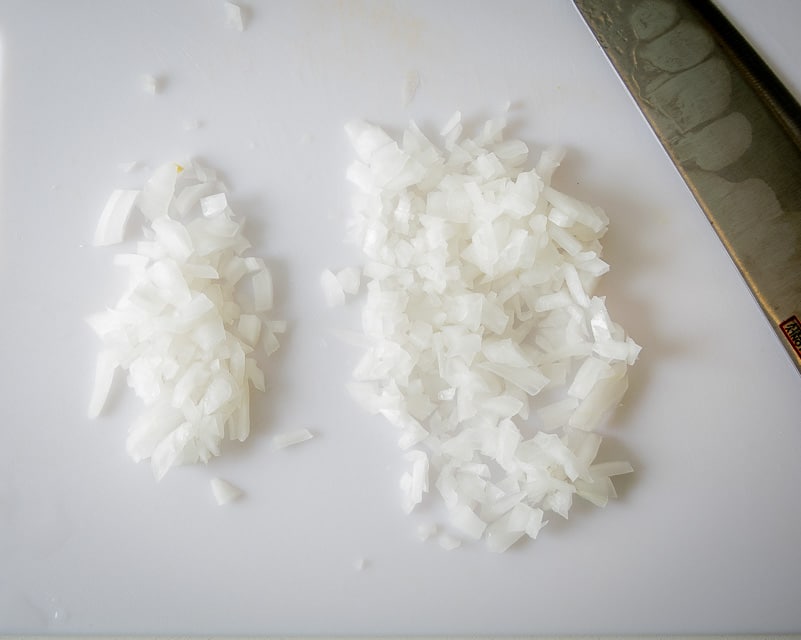
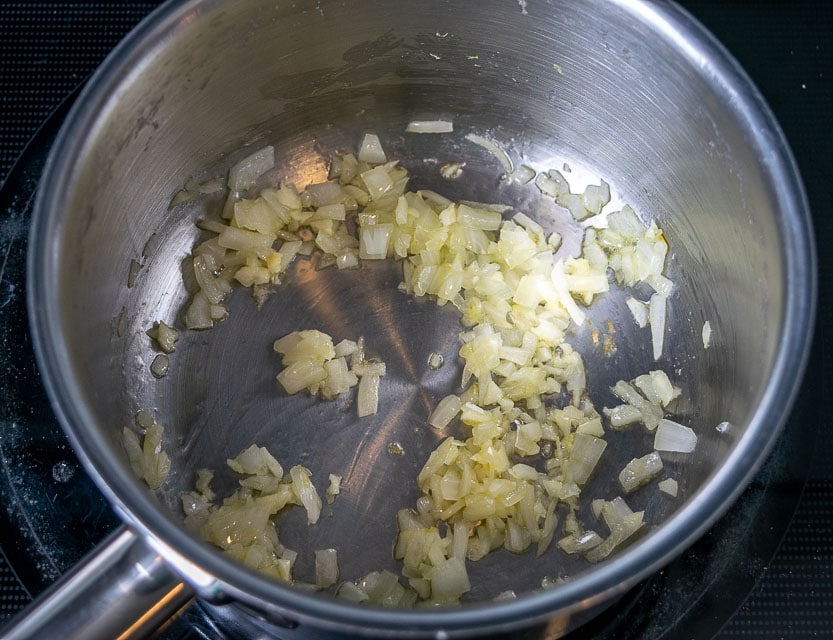
The sauce is the definitive element of the Hatch enchilada. The foundation is built by sautéing finely diced onions and minced garlic in a lipid, such as vegetable or neutral oil, until translucent. The roasted chile pieces are then processed in a blender with a small amount of liquid—either stock or water—to achieve a uniform consistency. This base is then combined with the sautéed aromatics and simmered with a specific blend of seasonings.
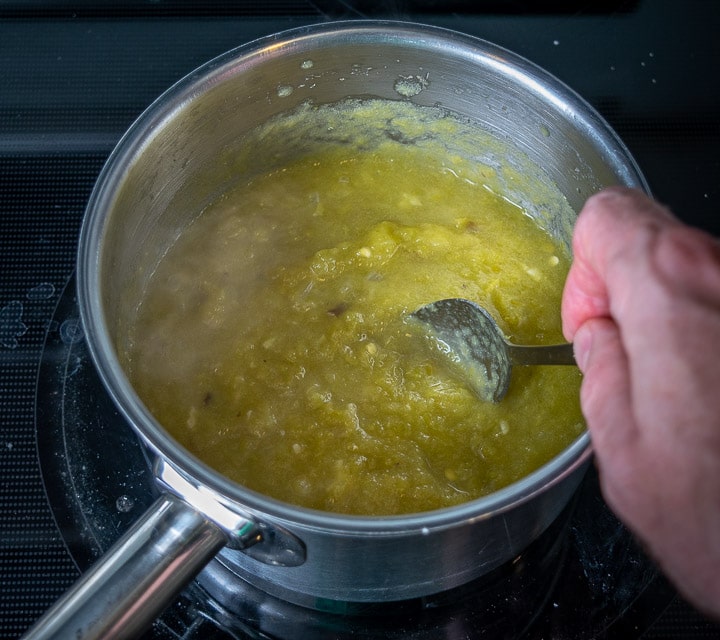
Mexican oregano, a plant distinct from the Mediterranean variety, is frequently utilized for its citrusy, slightly floral undertones. When combined with cumin, black pepper, and high-quality chicken stock, the sauce undergoes a reduction that concentrates the buttery, savory essence of the roasted chiles. The salt content of this sauce remains a critical variable, as store-bought stocks often contain high levels of sodium compared to house-made alternatives. Consequently, professional cooks advise a gradual approach to seasoning, allowing the reduction process to dictate the final salinity.
Structural Assembly and Baking
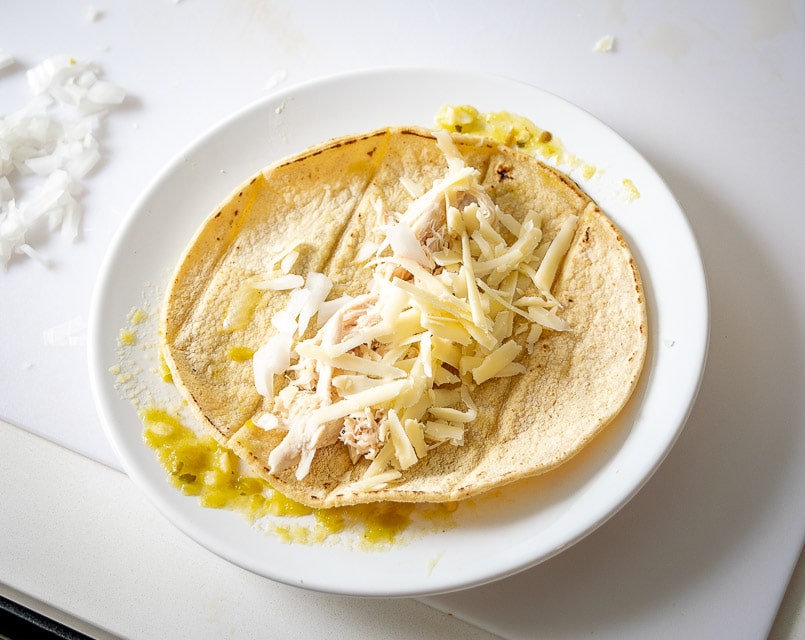
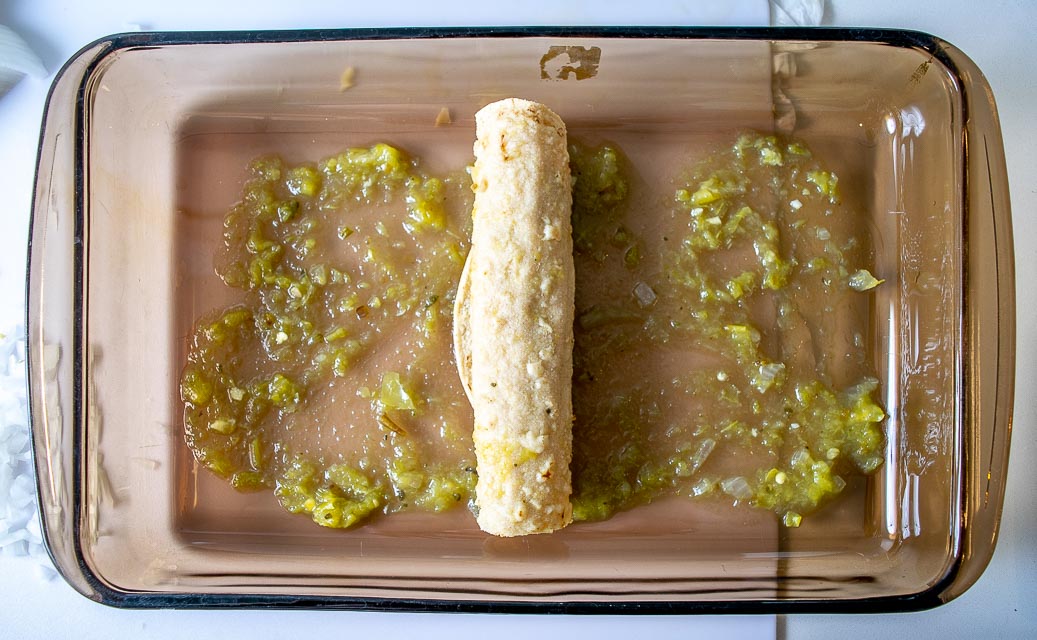
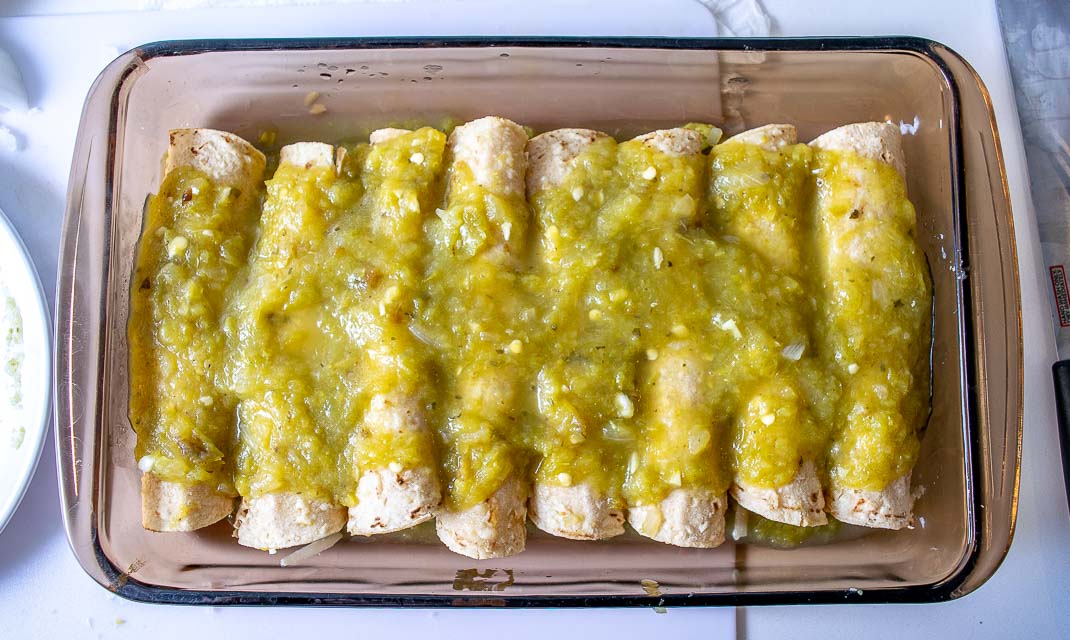
The assembly of the enchiladas is an exercise in structural integrity. By dredging each tortilla through the sauce before filling it with shredded chicken, diced onions, and cheese, the cook ensures that flavor is distributed throughout the interior of the dish. Once rolled, the enchiladas are arranged seam-side down in a baking dish, typically prepared with a base layer of sauce to prevent adhesion. A generous final coating of sauce, followed by a layer of cheese, prepares the dish for the oven. A standard baking time of 10 minutes at 400 degrees Fahrenheit is sufficient to melt the cheese and unify the components without compromising the texture of the tortillas.
Broader Economic and Cultural Impact
The obsession with the Hatch chile has created a substantial economic ripple effect. The "Hatch Season" supports a multi-million dollar agricultural industry in New Mexico. Because of the limited geographical area where these chiles can be authentically produced, the "Hatch" label has become a protected designation of sorts for local growers. For the consumer, the ability to order these peppers online has shifted the culinary landscape, moving the dish from a regional novelty to a staple in home kitchens across the country.
The implications for the home cook are significant. By mastering the preparation of a fresh green chile sauce, one gains access to a versatile culinary tool that can be applied to various proteins, including pork, beef, or vegetarian alternatives like black beans and squash. As noted by culinary historians, the enchilada represents the evolution of indigenous maize-based diets meeting the agricultural innovations of the Spanish colonial era. The use of the Hatch chile in this format is a modern iteration of that fusion, reflecting the changing palates and the increasing accessibility of regional ingredients.
Expert Recommendations and Tips
Culinary experts suggest that for those who find the spice levels of Hatch chiles unpredictable, a staged introduction of the sauce is the most prudent course of action. Because the heat levels of chiles can vary significantly based on growing conditions, roasting a large batch and incorporating the sauce incrementally allows the cook to calibrate the final product to personal heat tolerance. Furthermore, the practice of brining chicken prior to cooking—using a solution of 1/4 cup salt per quart of water—has been shown to significantly improve moisture retention, a crucial factor when the chicken is subjected to the high heat of the oven during the enchilada baking process.
Conclusion: A Legacy of Flavor
As the season concludes, the lingering impact of the Hatch harvest remains in the form of frozen supplies and preserved salsas. The Hatch Green Chile Enchilada is more than a simple meal; it is a manifestation of a specific time and place. Whether garnished with fresh cilantro, a dollop of Mexican crema, or served in its most elemental state, the dish underscores the importance of sourcing quality, seasonal produce. As agricultural and shipping logistics continue to improve, the reach of the New Mexico chile harvest will likely continue to expand, further cementing its status as an essential component of the American culinary repertoire. Those seeking to further explore the versatility of the Hatch chile often turn to ancillary dishes such as Hatch chile soup or roasted salsa, ensuring that the labor-intensive process of roasting and peeling remains a worthwhile endeavor long after the peak harvest weeks have passed.
Related posts: