Quesito Colombiano Colombian Fresh Cheese: A Culinary Staple of Andean Tradition

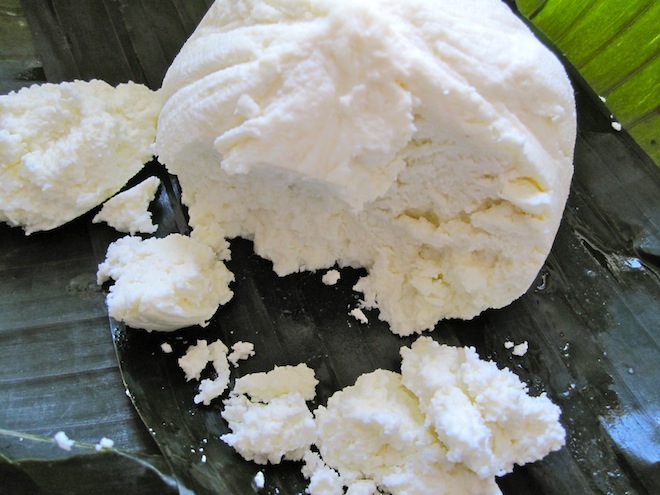
Quesito Colombiano, a hallmark of traditional Colombian gastronomy, represents more than just a dairy product; it is a cultural touchstone that bridges the gap between colonial-era farming practices and contemporary household kitchens. This fresh, unripened cheese, characterized by its crumbly yet creamy texture and mild, slightly salty flavor profile, serves as a fundamental component in the daily diet of millions of Colombians. While often compared to Mexican queso fresco, the production and usage of quesito hold a distinct place in the heart of the Colombian Andes, particularly in the departments of Antioquia and Caldas, where it is often consumed as a staple accompaniment to breakfast staples such as arepas, pandebonos, and almojábanas.

The historical lineage of this cheese dates back to the Spanish colonial period, when European dairy techniques were introduced to the local cattle populations of South America. Over the centuries, the process was localized, evolving into a household practice that favored simplicity and freshness over long-term aging. Unlike complex aged cheeses that require controlled environmental conditions, quesito is defined by its immediacy. It is typically consumed within days of production, maintaining a high moisture content and a delicate flavor that captures the essence of fresh cow’s milk.
The Mechanics of Production and Chemical Transformation
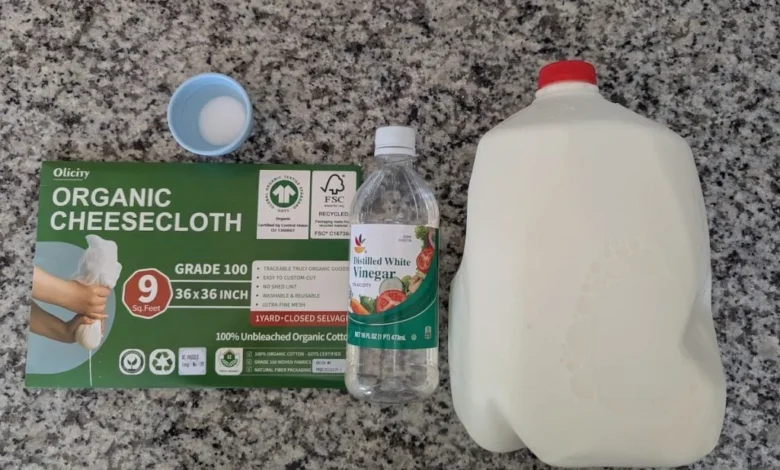
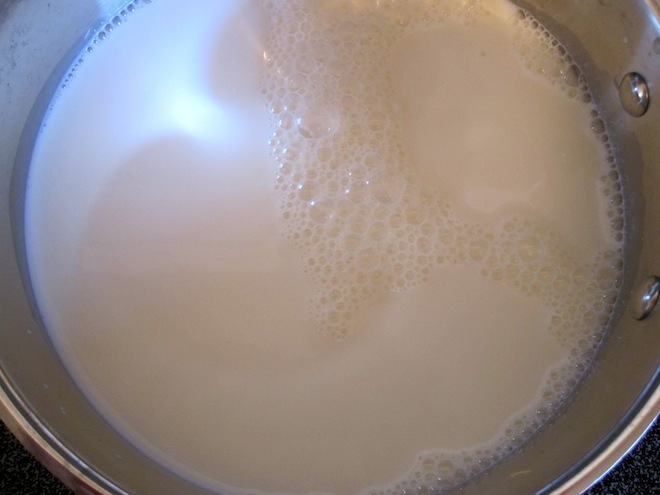
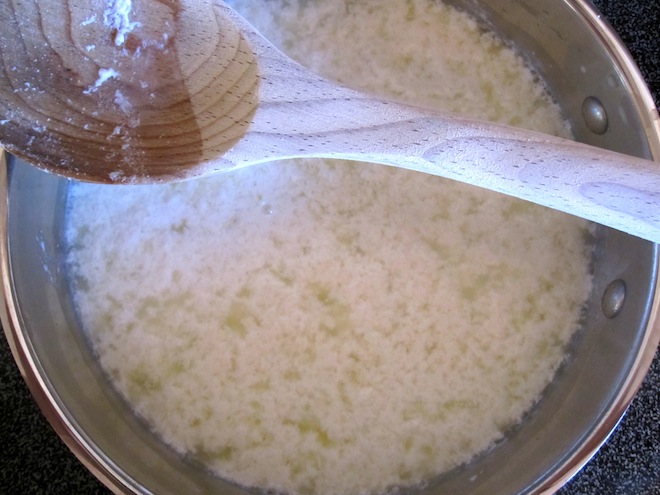
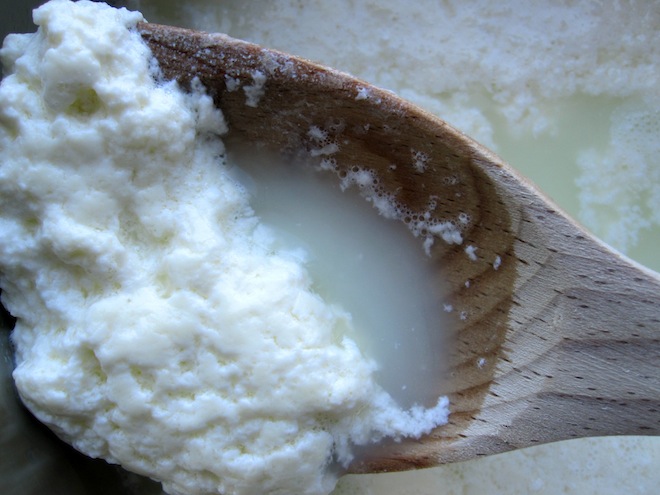
The transformation of raw milk into quesito is a process of controlled coagulation. Traditionally, this was achieved through the use of rennet, an enzyme complex produced in the stomachs of ruminant mammals, which triggers the separation of milk into curds and whey. In modern home kitchens, the process has been streamlined to utilize acidic agents—most commonly white vinegar or fresh lemon juice.
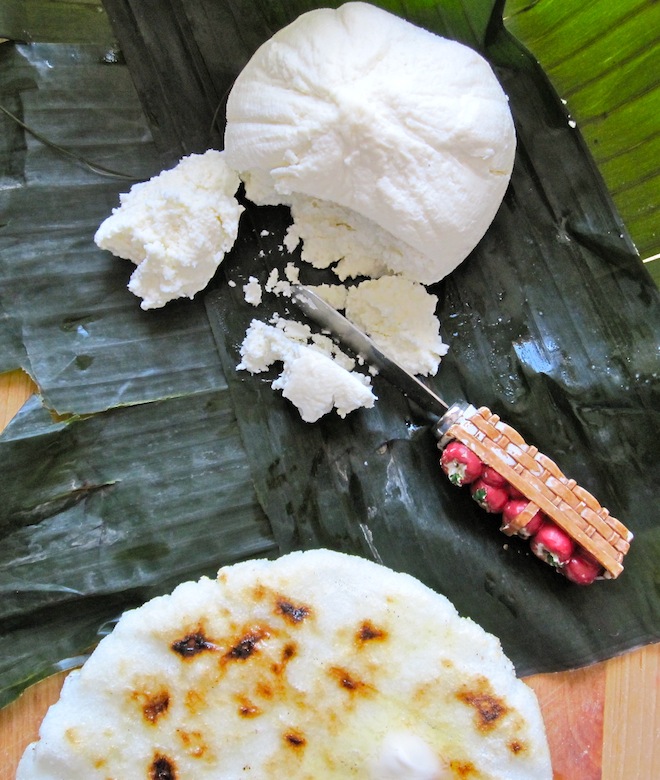
From a biochemical perspective, the addition of an acid to warm whole milk lowers the pH level, causing the casein proteins to denature and coagulate. This separation is the critical junction in cheesemaking. When the curd is separated from the whey, the resulting solids retain a significant portion of the milk’s fat and protein, resulting in the characteristic softness of the final product. The addition of salt serves a dual purpose: it acts as a flavor enhancer that balances the inherent sweetness of the milk fats and serves as a mild preservative, extending the shelf life of the cheese in a tropical climate where spoilage is a constant concern.
A Chronology of Culinary Integration
The integration of quesito into the Colombian diet follows a rhythmic, generational pattern. During the mid-20th century, as urbanization shifted populations from rural farmsteads to expanding cities like Medellín and Bogotá, the art of making fresh cheese began to transition from a mandatory daily chore to a craft practiced for quality control and cultural preservation.
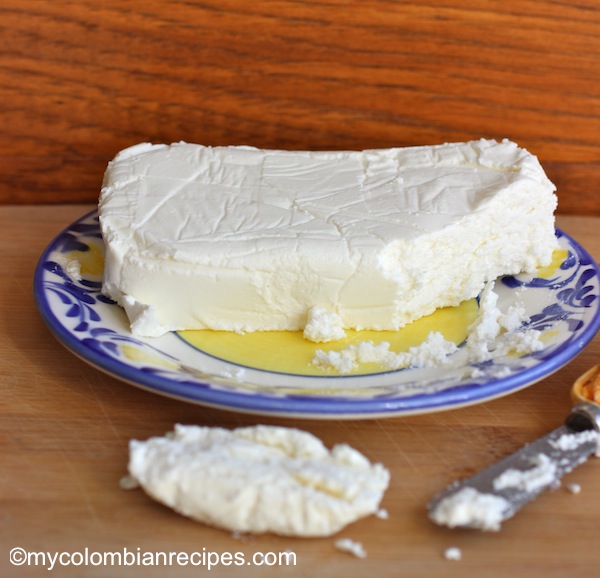
In the 1980s and 1990s, the commercial dairy industry in Colombia saw significant growth, leading to the mass production of industrial quesito. However, these mass-produced variants often lack the distinct texture and subtle depth of flavor found in artisanal or homemade batches. Consequently, the last decade has seen a resurgence in interest regarding "homestyle" cooking. Culinary historians and food bloggers have been instrumental in documenting these traditional methods, ensuring that the knowledge of how to produce quesito from scratch is not lost to the convenience of pre-packaged supermarket alternatives.
Supporting Data: The Nutritional and Economic Landscape
From a nutritional standpoint, quesito is a calorie-dense source of protein and calcium. A typical serving contains approximately 200 to 230 calories, with a balanced profile of saturated and monounsaturated fats derived from whole cow’s milk. For many Colombian families, especially those in lower-to-middle-income brackets, fresh cheese serves as a primary source of high-quality animal protein.
Economically, the dairy sector is a pillar of the Colombian agricultural economy. According to data from the Colombian Federation of Livestock Breeders (FEDEGAN), the dairy industry supports thousands of small-scale farmers. While specific figures for "quesito" are often subsumed under the broader category of "fresh cheeses" in national trade reports, the demand for high-quality, whole milk for the production of such cheeses remains a consistent driver of rural economic activity. The volatility of milk prices directly impacts the affordability of home-prepared cheese, making the "homemade" aspect of the recipe a strategic move for families looking to control food costs while maintaining high nutritional standards.
Cultural Significance and Social Impact
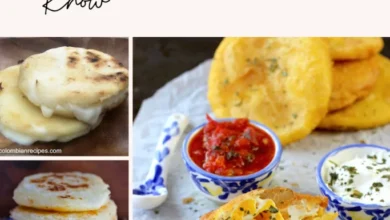
The serving of quesito is deeply ingrained in social rituals. It is rarely consumed as a standalone dish; rather, it acts as a mediator for other flavors. When placed atop a hot, buttered arepa—a cornmeal cake—the heat of the arepa slightly softens the quesito, creating a contrast of textures that is considered the gold standard for a traditional Colombian breakfast.

The social implications of this practice are profound. The preparation of these meals is frequently a communal activity, passed down through matriarchal lines. For many in the Colombian diaspora living in the United States and Europe, the ability to recreate this cheese at home is a method of maintaining a tangible connection to their homeland. The search for "the perfect recipe" is a common theme in online forums and diaspora community groups, highlighting the role of food in the maintenance of national identity abroad.
Future Outlook and Culinary Evolution
As the global culinary landscape continues to emphasize farm-to-table practices and the reduction of ultra-processed foods, the traditional method of making quesito is finding new relevance. There is a growing movement toward the consumption of non-homogenized, grass-fed milk, which produces a superior quality of curd. Experts in the field of dairy science suggest that the future of artisanal cheesemaking in Colombia lies in the standardization of hygiene practices for home producers, ensuring that while the traditional flavor profiles are maintained, the risk of foodborne pathogens is minimized.
Moreover, the culinary influence of quesito is expanding beyond the borders of Colombia. As Latin American cuisine gains international recognition, the specific application of fresh cheeses in global dishes—ranging from fusion tacos to gourmet salads—has begun to normalize the presence of such products in international supermarkets. This global exposure, however, brings the challenge of balancing mass production with the artisanal integrity that defines the original product.
Synthesis of Expert Opinion
Culinary professionals and nutritionists generally agree that the simplicity of the ingredient list—milk, salt, and an acid—is the key to the cheese’s success. Unlike industrial cheeses that may contain stabilizers, emulsifiers, or coloring agents, the traditional quesito is a "clean label" product. This aligns with modern health trends favoring minimally processed foods.
However, the industry faces the challenge of supply chain stability. Climate change and fluctuating weather patterns in the Andean region have periodically affected milk yields, prompting a need for more sustainable farming practices. If the raw material (high-quality whole milk) becomes scarce, the cost of producing authentic, homemade quesito could rise, potentially pushing the traditional practice into the realm of a luxury rather than a daily staple.
Conclusion: A Legacy Preserved
The story of Quesito Colombiano is a testament to the endurance of tradition in a modernizing world. It is a humble, unpretentious food that tells the story of a nation’s geography, its agricultural roots, and its social fabric. Whether enjoyed in a bustling city center or a remote mountain town, the presence of this fresh, white cheese on the breakfast table remains a constant reminder of the importance of heritage.
As new generations continue to experiment with the basic chemistry of the curds and whey, the fundamental essence of the dish remains unchanged. The transformation of liquid milk into a solid, savory cheese is not merely a recipe; it is a ritual of nourishment that continues to define the Colombian identity. By understanding the origins, the nutritional context, and the cultural weight of this staple, one gains a deeper appreciation for the culinary art that resides within the simple act of curdling milk. In the years to come, it is likely that the practice of making quesito will continue to evolve, blending modern convenience with the timeless techniques that have sustained Colombian households for generations. The resilience of this tradition serves as a model for how cultural artifacts—even those as fleeting as a batch of fresh cheese—can be preserved through the simple, daily actions of the people who cherish them.