
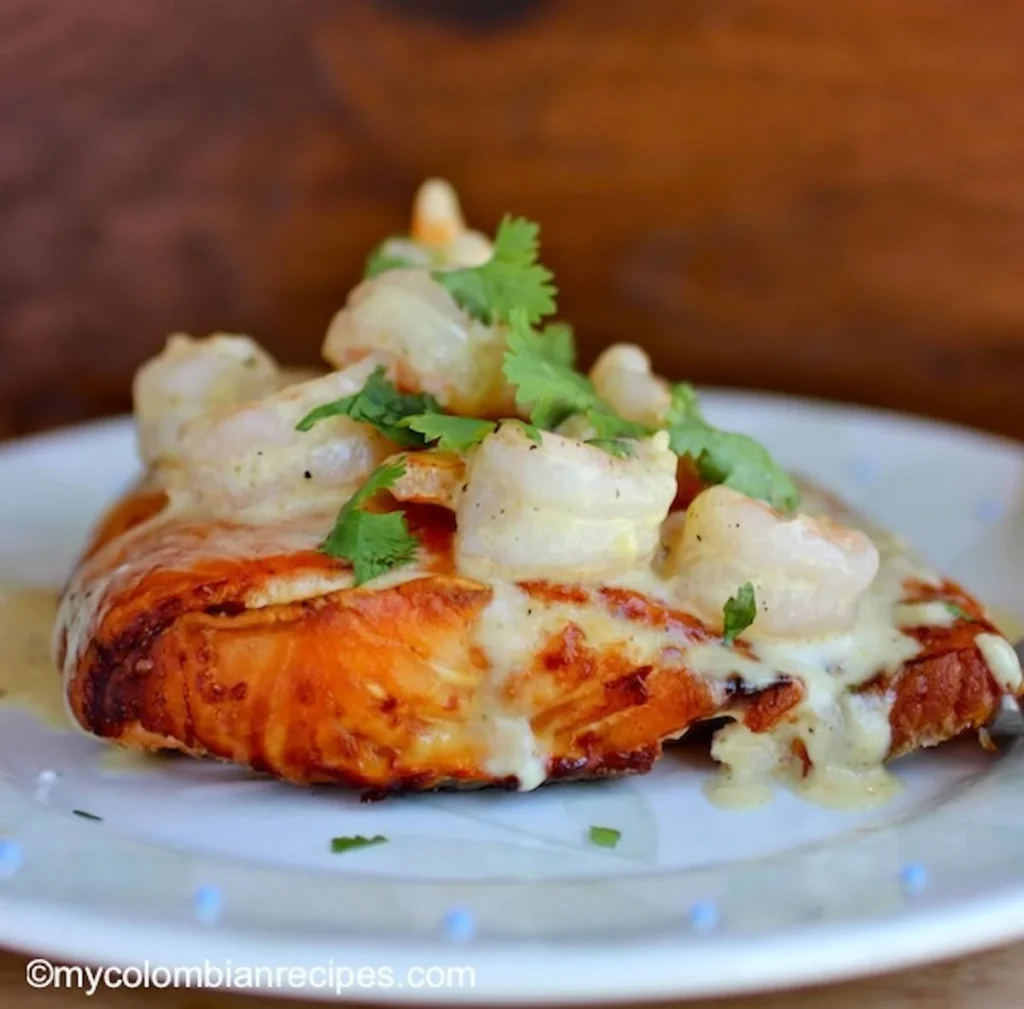
The Nutritional and Culinary Foundation
The composition of this dish is primarily centered on the physiological benefits of its two main ingredients. Salmon, specifically Salmo salar, is globally recognized for its high concentration of long-chain omega-3 fatty acids, specifically eicosapentaenoic acid (EPA) and docosahexaenoic acid (DHA). Data from the U.S. Department of Agriculture (USDA) indicates that a standard four-ounce serving of baked salmon provides approximately 20 to 25 grams of high-quality protein, alongside essential micronutrients including vitamin B12, selenium, and niacin.
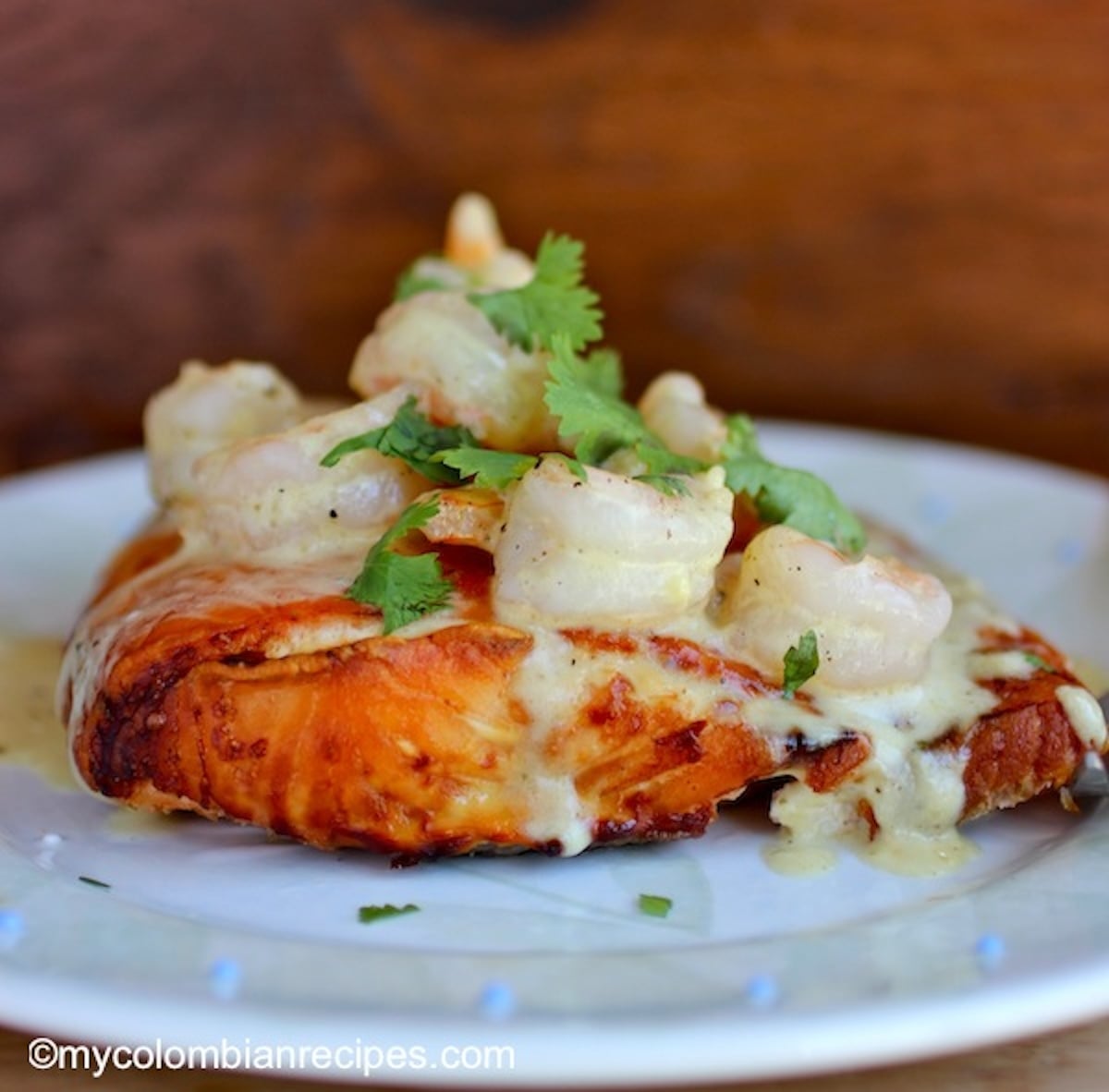
When combined with shrimp, the dish achieves a high protein density. Shrimp are characterized by their low caloric density and high levels of astaxanthin, a carotenoid antioxidant that provides the characteristic pink hue to the cooked flesh. The synergy between the oily, rich texture of the salmon and the firm, clean profile of the shrimp creates a balanced palate that requires minimal seasoning to elevate.
Culinary Chronology and Cultural Context
The practice of pairing salmon with a creamy seafood-based sauce—often referred to as a "surf and turf" of the sea—gained traction in the late 20th century as global food distribution networks expanded. In regions like Colombia, where coastal access to the Pacific and Caribbean provides a bounty of fresh seafood, traditional recipes often utilize coconut milk, garlic, and local herbs to create sauces that complement white fish and salmon alike.
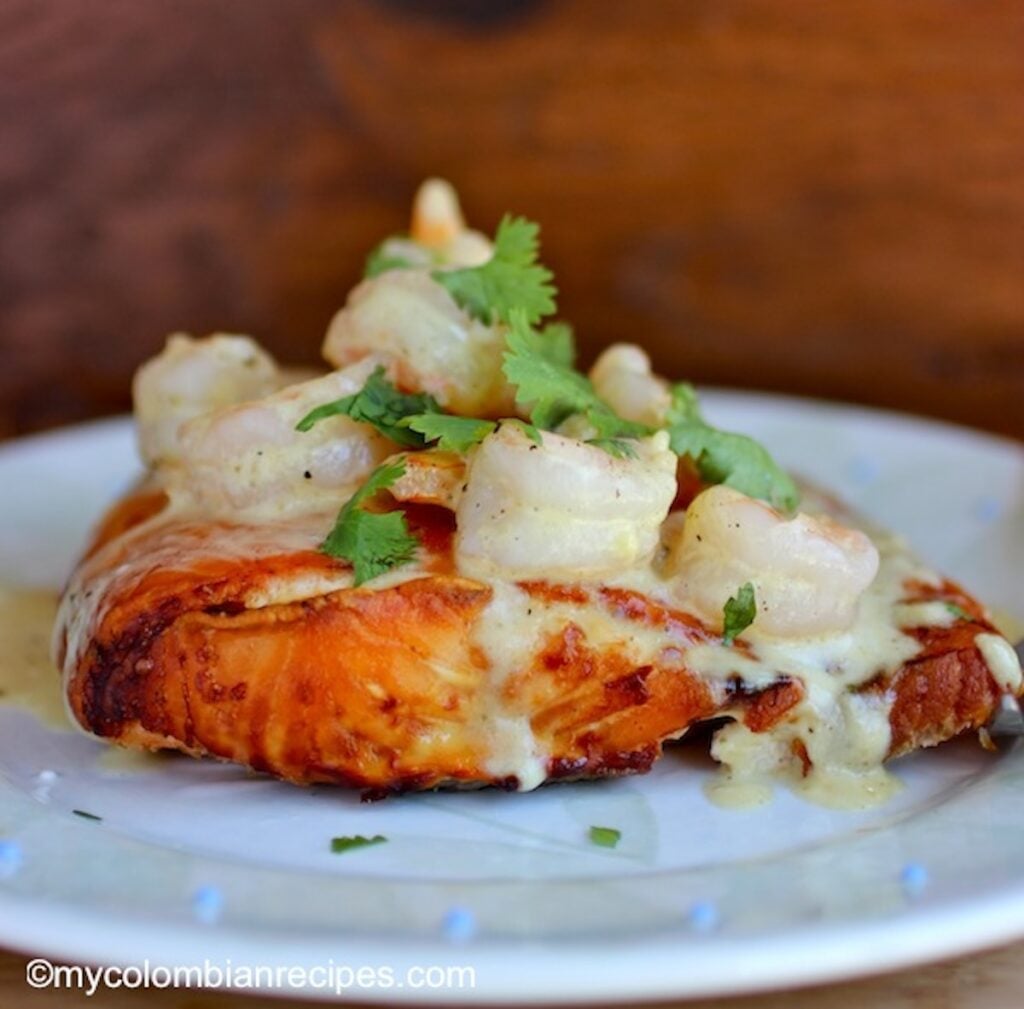
The specific iteration of Salmon with Shrimp Sauce as a home-cooked meal reflects a broader trend in domestic culinary practices: the "democratization of fine dining." Recipes that were once reserved for restaurant environments have been streamlined for the home kitchen, utilizing techniques such as oven-roasting or baking, which allow for controlled temperatures and consistent outcomes. This shift has been facilitated by the increased availability of frozen, high-quality, pre-peeled, and deveined shrimp, which reduces the labor intensity of the preparation process.
Analytical Breakdown of the Preparation Process
From a culinary standpoint, the preparation of this dish involves a two-stage thermal process. The salmon is typically baked at a moderate temperature—usually between 375°F (190°C) and 400°F (200°C)—to ensure the internal connective tissues break down without causing the albumin to coagulate excessively on the surface.

Simultaneously, the shrimp sauce is prepared, often using a base of cream or a reduction of aromatics, garlic, and herbs. The technical challenge in this dish lies in the timing; because shrimp have a significantly lower thermal mass than salmon fillets, they can become overcooked and rubbery within minutes. Professional techniques dictate that the sauce should be emulsified and the shrimp incorporated during the final stage of the cooking process, allowing the residual heat of the sauce to finish the cooking of the crustaceans. This ensures that both elements of the dish reach their ideal texture simultaneously.
Economic and Practical Implications
The popularity of this dish in domestic settings is largely driven by its efficiency. In a fast-paced environment where time-poor households seek high-nutritional-value meals, the ability to produce a dish that presents as "elegant" while requiring less than 30 minutes of total preparation time is a significant factor.
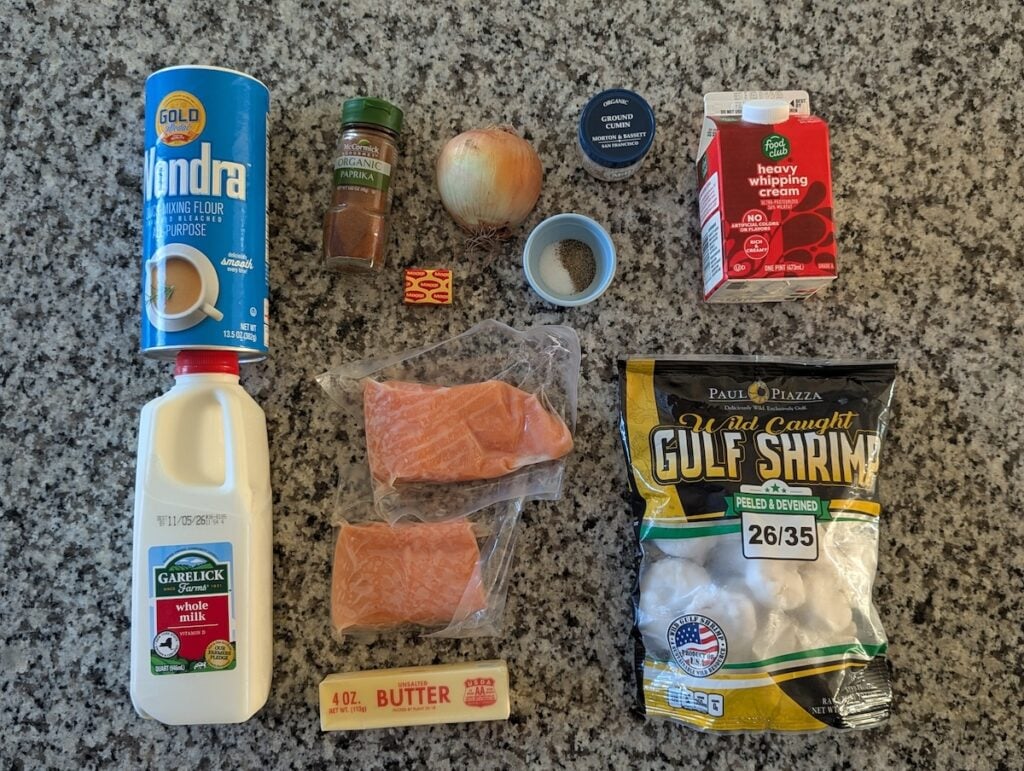
Economically, the pairing of salmon and shrimp provides a moderate price point for a meal that offers the perception of luxury. While fresh salmon can be a premium purchase, the ability to serve smaller, portion-controlled fillets topped with a flavorful sauce allows for cost management. Furthermore, the inclusion of side dishes such as coconut rice, fried green plantains (patacones), or roasted root vegetables provides the necessary fiber and complex carbohydrates to create a nutritionally complete, satiating meal.
Broader Impact on Home Cooking Trends
Sociologists and culinary researchers note that the preparation of such dishes at home serves as a mechanism for maintaining cultural heritage. As families migrate or integrate into new regions, the adaptation of traditional recipes—using locally available ingredients like salmon, which may not be native to the coastal waters of the original region—becomes a way to preserve culinary identity. The act of sharing these meals, whether with visiting relatives or during social gatherings, reinforces social cohesion and provides a tangible link to familial history.
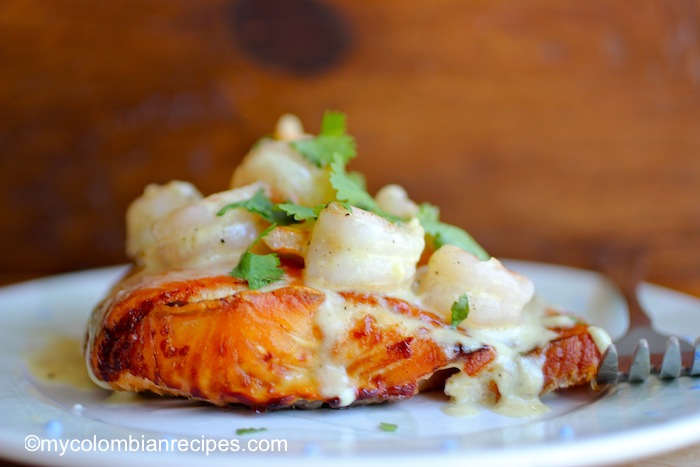
The sustainability of such a dish is also a point of modern interest. Consumers are increasingly scrutinizing the sourcing of salmon and shrimp. The shift toward farm-raised salmon that meets ASC (Aquaculture Stewardship Council) standards and shrimp sourced from sustainable aquaculture practices is becoming a standard expectation for the home cook. This awareness reflects a move toward "conscious consumption," where the quality of the ingredient is measured not just by taste, but by the ecological footprint of its production.
Storage and Reheating Dynamics
From a food safety and quality perspective, the dish requires careful handling. Seafood is highly perishable and sensitive to temperature fluctuations. Experts in food safety recommend that if the dish is to be stored, it should be cooled rapidly to below 40°F (4°C) and consumed within 48 hours. Reheating presents a specific set of challenges: the delicate proteins in both the salmon and the shrimp are prone to further denaturing if subjected to high-intensity microwave radiation. Gentle reheating on a stovetop or in an oven, covered to retain moisture, is the recommended method to preserve the integrity of the creamy sauce and the texture of the fish.
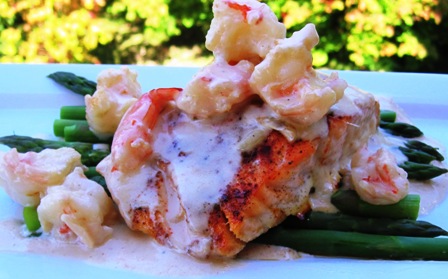
Conclusion: The Modern Standard for Seafood Preparation
Salmon with Shrimp Sauce stands as a testament to the evolution of contemporary home cooking. It incorporates the principles of nutrition science, culinary technique, and the human desire for shared, meaningful experiences. By balancing the rich fats of salmon with the lean protein of shrimp, and by utilizing accessible preparation methods, the dish fulfills the criteria for a meal that is both aspirational and practical.
As culinary trends continue to favor simple, whole-food ingredients prepared with minimal, high-impact techniques, this dish will likely remain a fixture in domestic rotations. Its capacity to be customized—through the inclusion of various herbs, spices, or regional accompaniments—ensures that it remains relevant across diverse cultural contexts. Whether served as a quiet lunch between family members or as a centerpiece for a dinner party, the dish serves as a reminder that the most enduring recipes are those that prioritize quality, simplicity, and the communal act of dining.





0 Komentar
Sampaikan opini dan diskusi yang membangun dengan bahasa yang santun.
No Comments Yet
Be the first to share your thoughts on this story.