Stuffed Chicken Roll: A Modern Evolution of a Traditional Colombian Holiday Staple

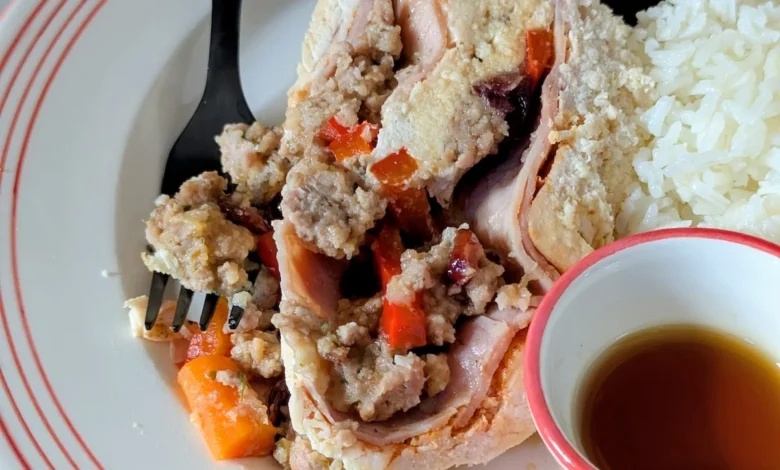
The stuffed chicken roll, widely known in its native country as rollo de pollo, stands as a culinary cornerstone in Colombian households, particularly during the festive holiday season. Traditionally prepared as a labor-intensive dish involving a deboned whole chicken, the recipe has undergone a significant transformation in contemporary kitchens. By shifting from the traditional whole-bird preparation to a more accessible chicken breast format, home cooks are modernizing this classic, proving that heritage dishes can adapt to the demands of time-efficient meal planning without sacrificing cultural integrity or flavor profiles.
Historical Context and Cultural Significance
In the landscape of Colombian gastronomy, the rollo de pollo represents a technique-driven approach to communal dining. Historically, the dish was reserved for significant family gatherings, such as Christmas Eve or large-scale reunions, due to the technical skill required to properly debone and truss a whole chicken. The process of binding the meat with kitchen twine was seen as a rite of passage for many home cooks.
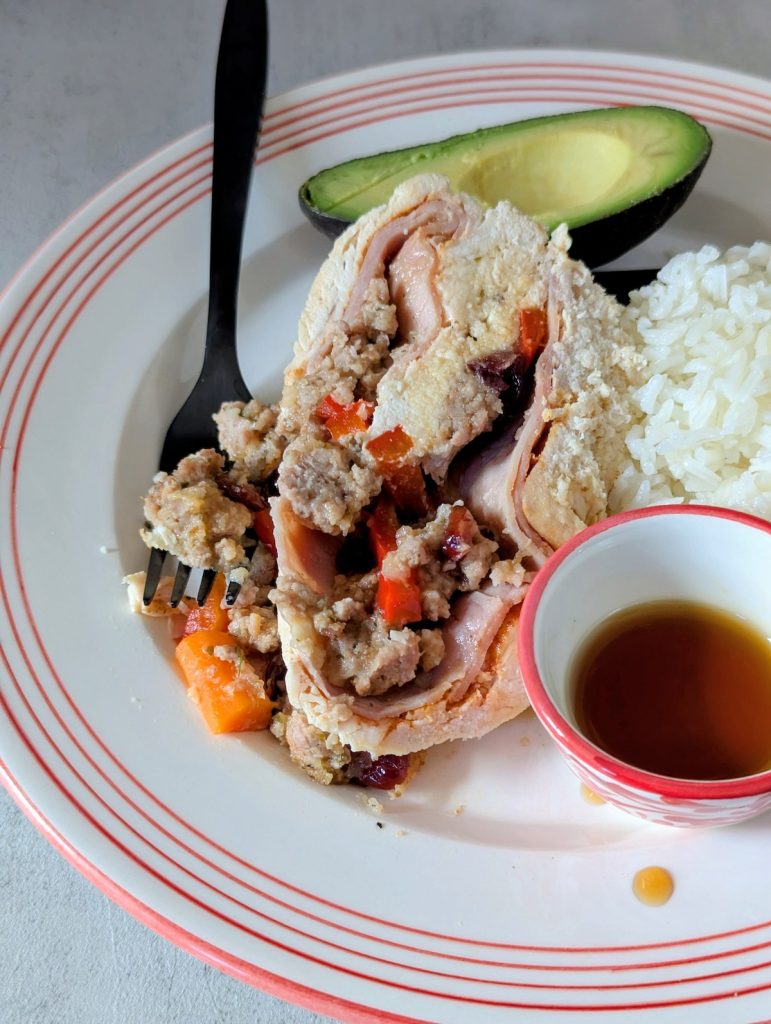
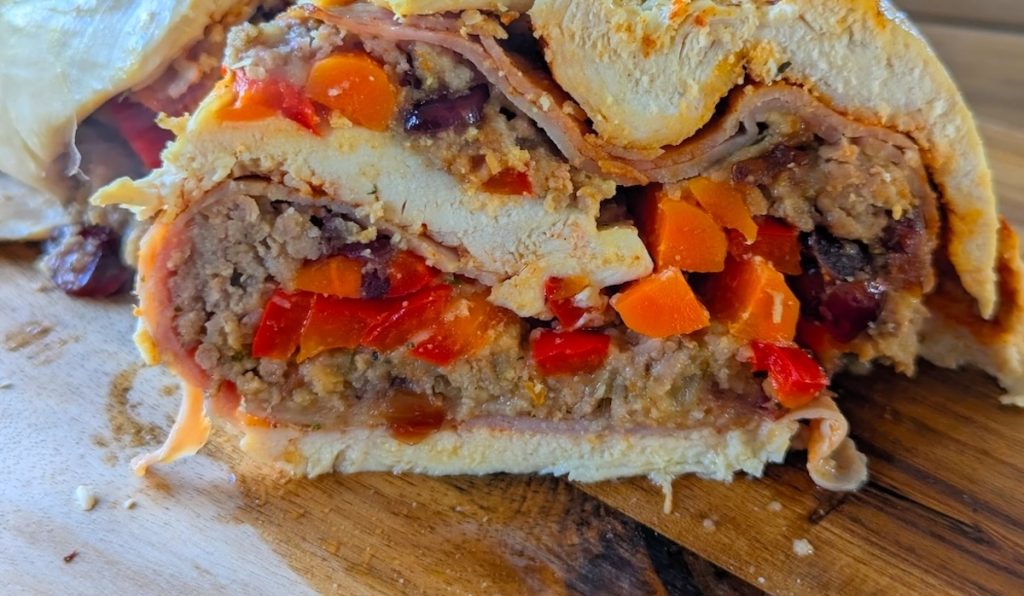
The dish is fundamentally defined by its complex, savory-sweet flavor profile, which often mirrors the diverse ingredients found in regional Colombian cooking. The inclusion of pork, vegetables, and fruit—typically raisins or, in more modern adaptations, dried cranberries—reflects a fusion of European and indigenous culinary influences. While the preparation methods have varied historically—with some regions favoring a slow-boil or poaching technique to maintain moisture, and others preferring the dry heat of an oven—the core essence of the dish remains a celebration of texture and balanced seasoning.
Evolution of Preparation Methods
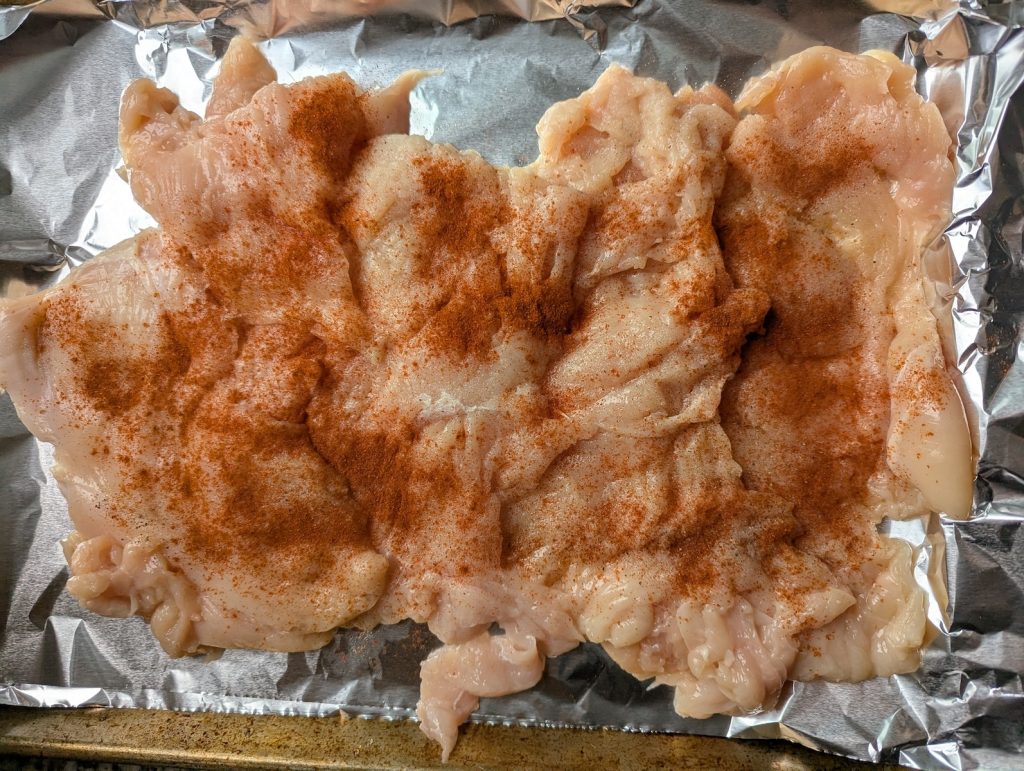
The contemporary shift toward using pounded chicken breast rather than a whole bird is not merely a matter of convenience; it represents a broader trend in home cooking toward portion control and predictable results. A standard whole-chicken rollo can often prove difficult to carve evenly, leading to inconsistent portions. By utilizing flattened chicken breast or cutlets, cooks can achieve a uniform thickness of approximately one-quarter inch. This consistency ensures that the meat cooks evenly throughout the baking process, preventing the common culinary failure of dried-out poultry.
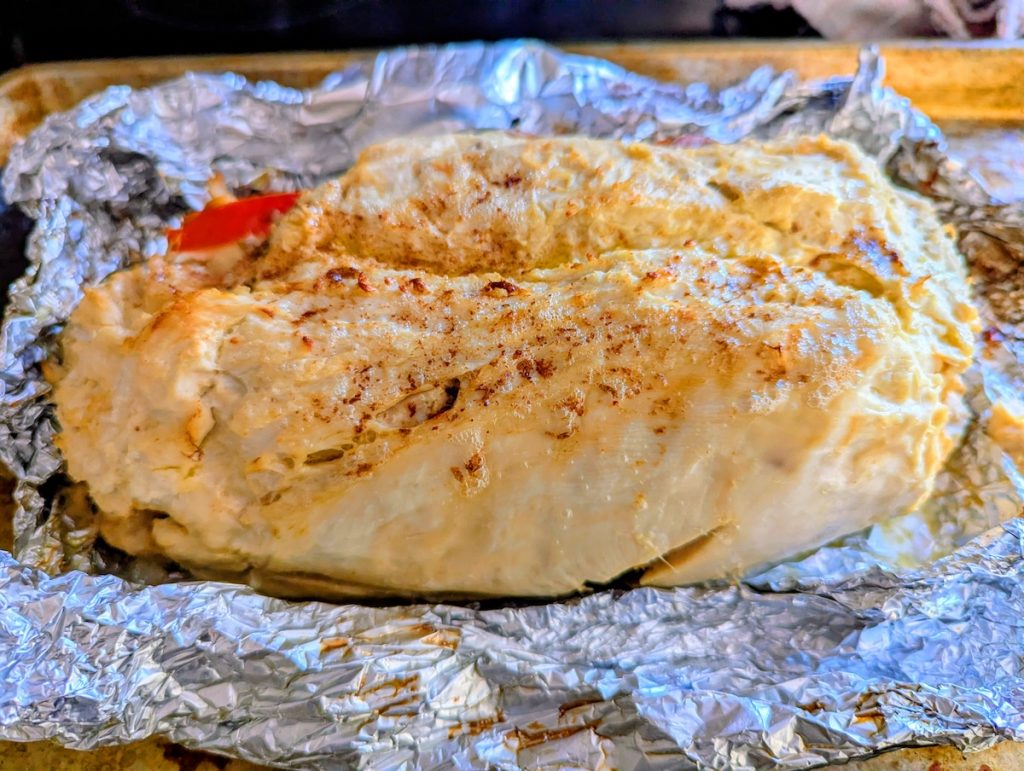
The transition to an oven-baked preparation method also provides a distinct textural advantage. Roasting the roll at 400 degrees Fahrenheit allows for the development of a savory, slightly caramelized exterior that is difficult to achieve through traditional poaching. Furthermore, the use of foil as a structural guide during the rolling process provides a level of precision that simplifies the assembly, making the dish accessible to culinary novices.
Ingredients and Nutritional Profile
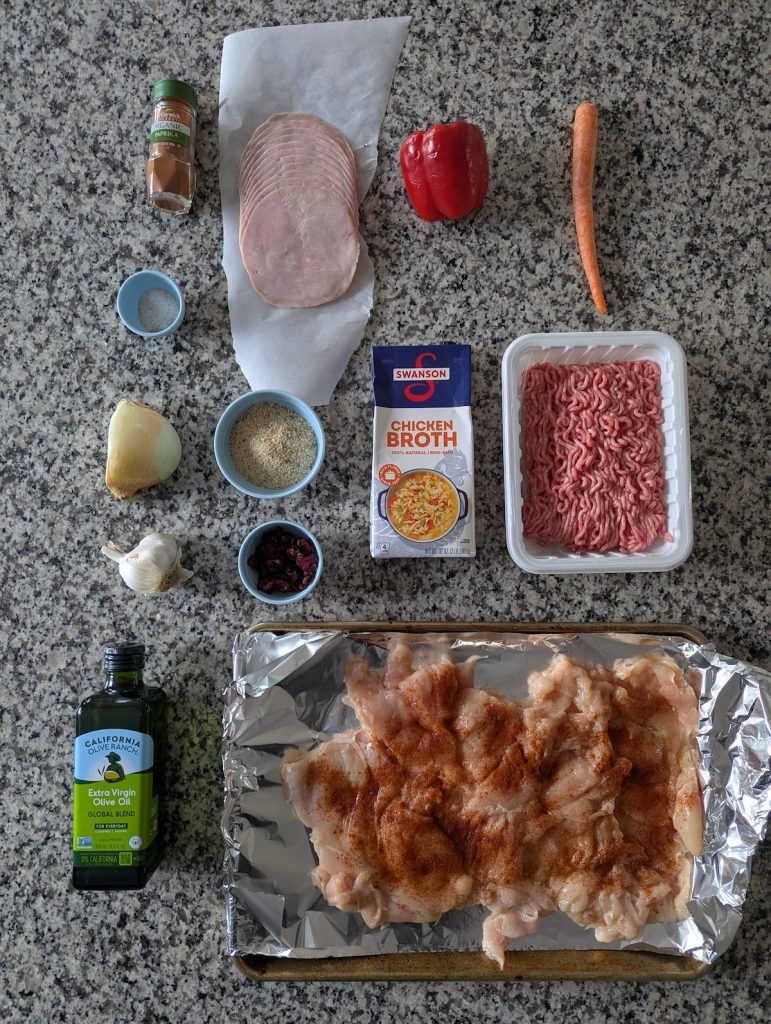
The modern iteration of the rollo de pollo maintains the traditional complexity of the filling while allowing for ingredient substitution based on availability and dietary preference. The foundational elements include:
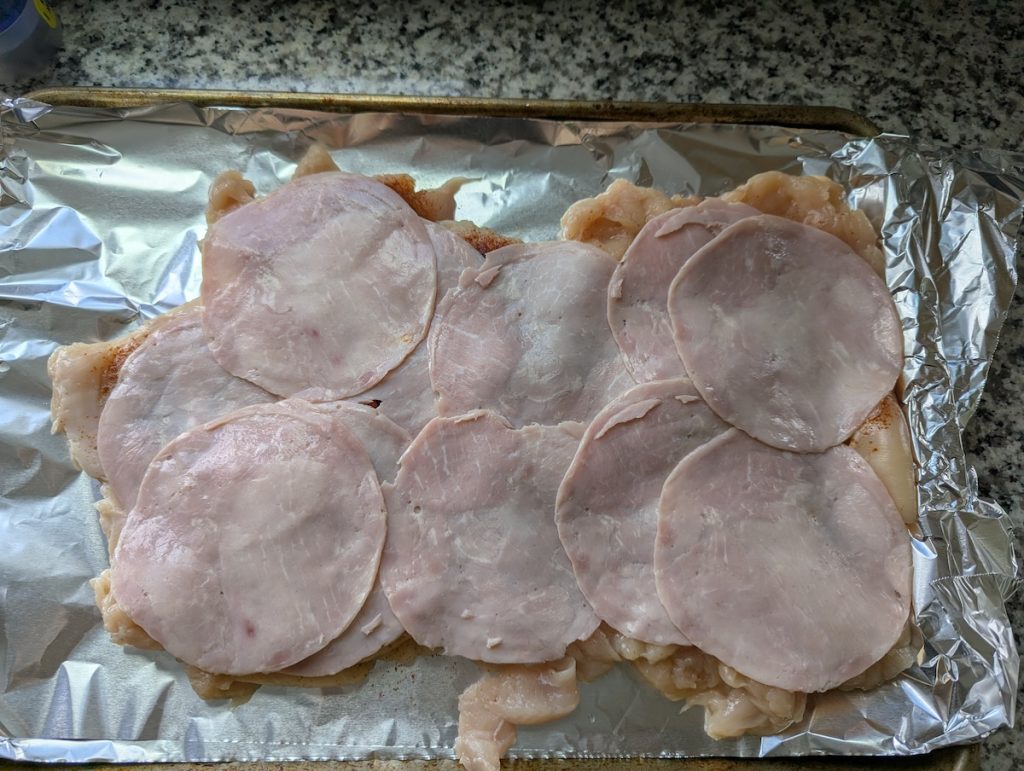
- Protein Base: Boneless, skinless chicken breast or cutlets, which serve as the lean canvas for the roll.
- Aromatic Base: A sautéed mixture of onions and fresh garlic, providing the essential aromatic foundation for the pork-based filling.
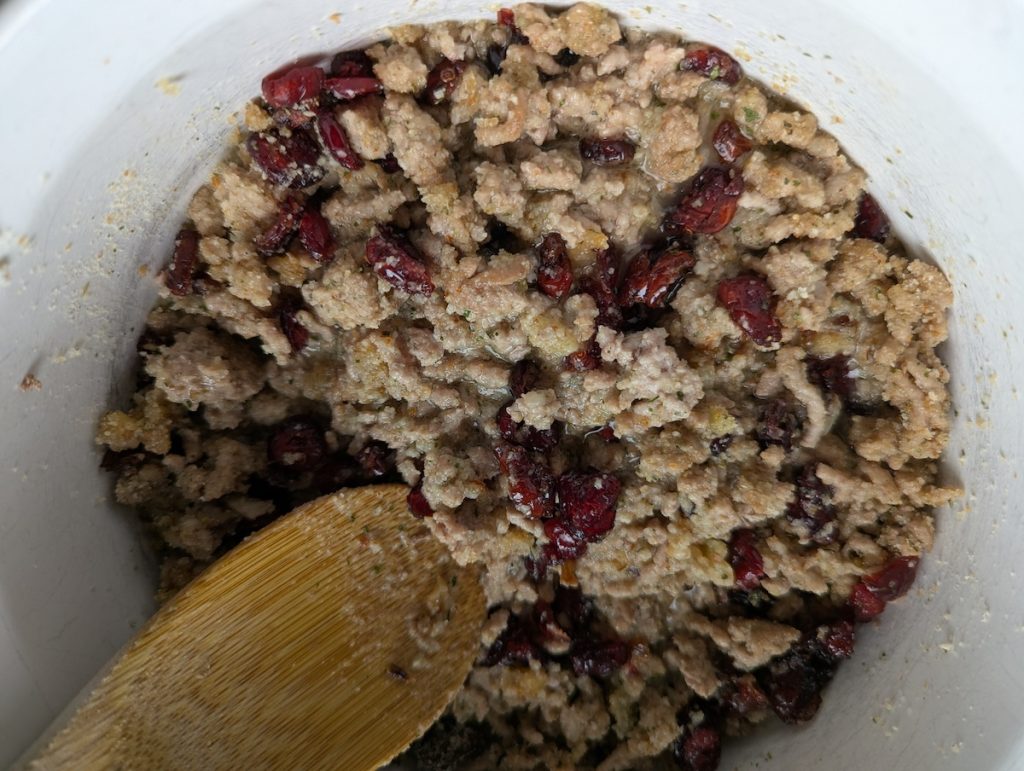
- Binding Agents: High-quality ground pork, which contributes fat and moisture, combined with breadcrumbs to stabilize the internal mixture.
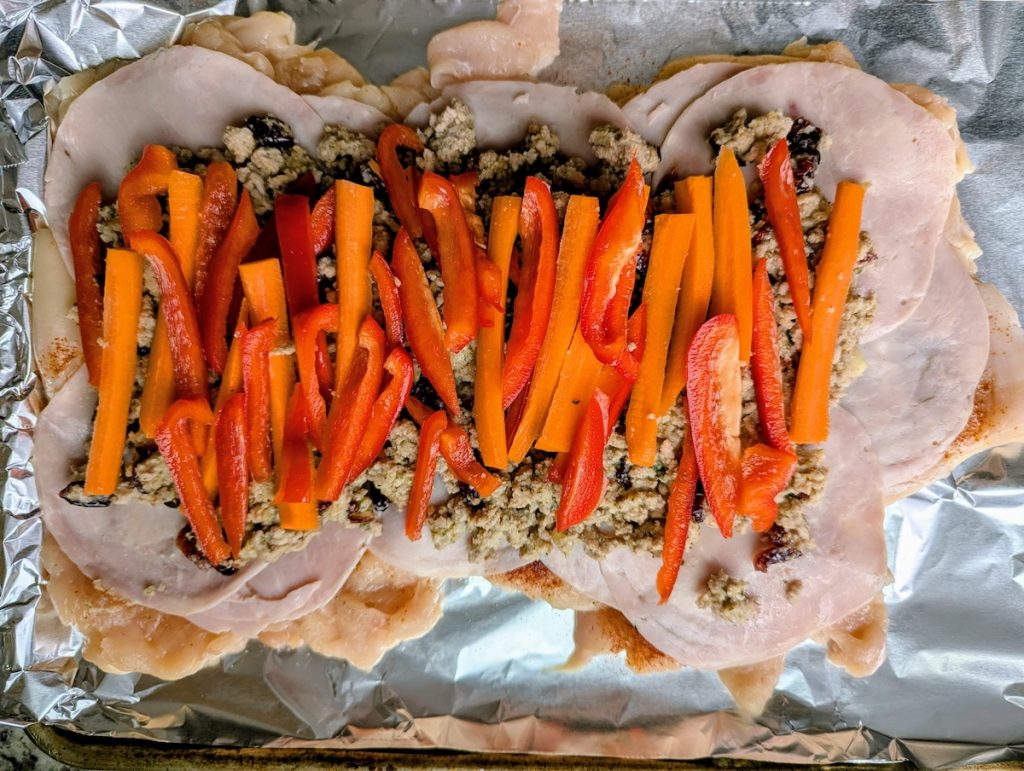
- Vegetable Inclusions: Finely diced carrots and red bell peppers, which add color, nutritional density, and a subtle sweetness.
- Flavor Enhancers: The inclusion of dried fruits—cranberries or the traditional raisins—serves to balance the salinity of the ham and pork.
- Optional Traditional Additions: Green olives remain a popular addition for those seeking a briny, acidic contrast to the savory meat.
From a nutritional perspective, this dish offers a balanced profile for a main course. Based on a standard six-serving yield, the nutritional breakdown indicates approximately 514 kcal per serving. The high protein content—averaging 55 grams per serving—positions it as a significant source of dietary protein. However, it is worth noting that the sodium content, at approximately 1,337 mg, is largely derived from the cured ham and processed additives, suggesting that those monitoring their salt intake should utilize low-sodium variations of these components where possible.
Chronology of Preparation
To ensure both safety and quality, the preparation of the stuffed chicken roll should follow a systematic approach:
- Preparation (25 minutes): This phase is critical, involving the pounding of chicken breasts to the required thickness and the initial sautéing of the pork, onions, and garlic.
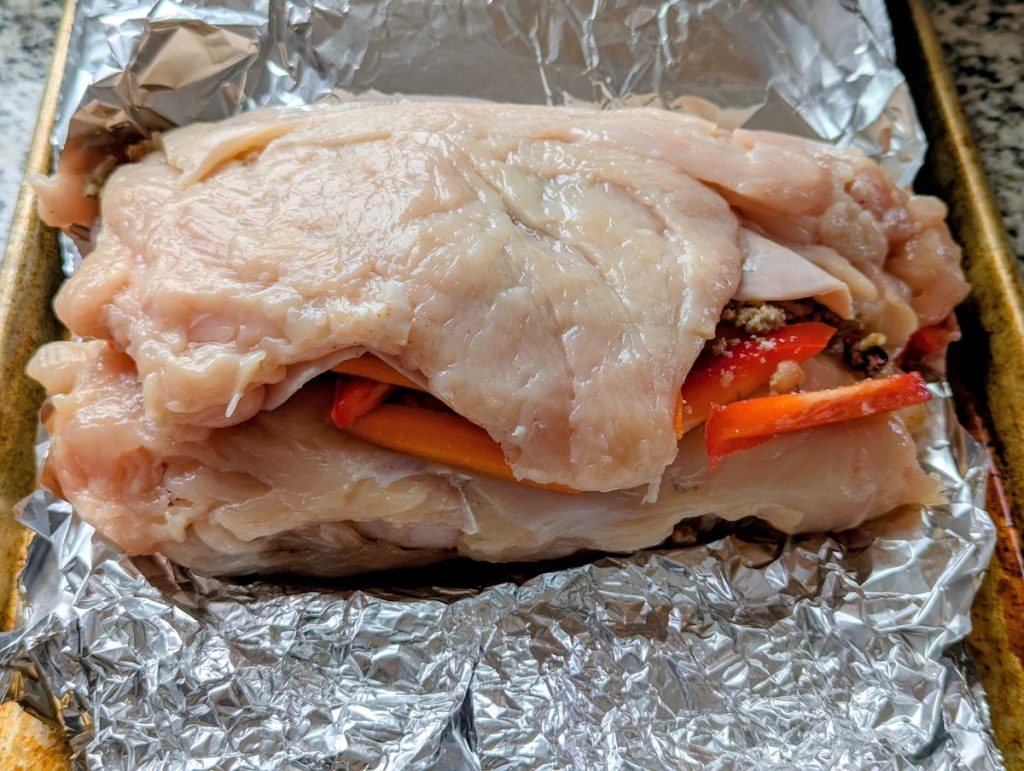
- Assembly: The chicken is laid out on a heat-resistant surface (such as foil), followed by a layer of sliced ham, the cooked meat-and-vegetable filling, and final seasoning with spices such as paprika and onion powder.
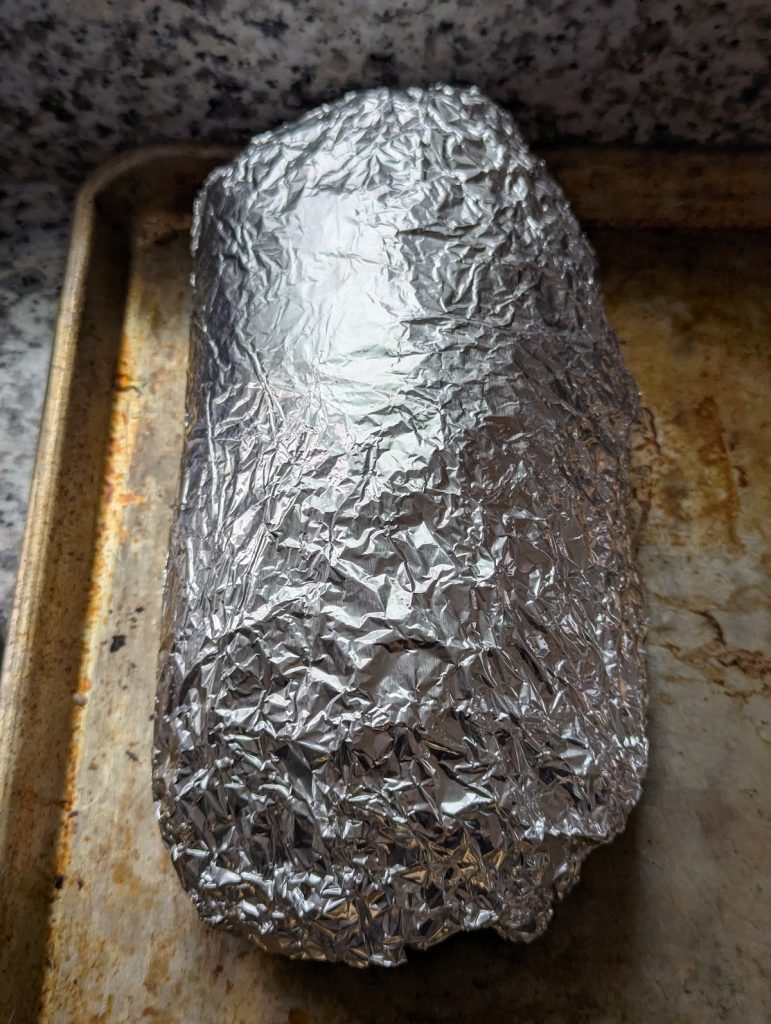
- The Roll: The assembly is carefully folded into a cylindrical shape. The use of foil helps to maintain the integrity of the roll during the initial stages of baking.
- Baking (60 minutes): The roll is placed in a preheated oven at 400 degrees Fahrenheit. The duration is sufficient to reach the required internal temperature for poultry while ensuring the internal stuffing is fully heated.
- Resting (10 minutes): A mandatory cooling period allows the juices to redistribute, ensuring that the meat remains succulent when sliced.
Broader Culinary Implications
The persistence of the rollo de pollo in the modern diet highlights the resilience of traditional recipes in an era of processed, convenience-focused food. By adapting the technique to suit contemporary lifestyles, families ensure the continuity of their culinary heritage. Experts in food sociology suggest that such adaptations are vital for the preservation of regional dishes; when a recipe becomes too cumbersome to execute, it risks being forgotten. By simplifying the rollo without stripping it of its essential character, the dish remains a viable option for weekly meal planning as well as formal event catering.
Furthermore, the versatility of the serving suggestions reflects the dish’s adaptability. While traditionally served with rice or salted potatoes, it pairs equally well with lighter, fresh salads, indicating a shift toward healthier, more balanced side dishes in the modern Colombian diet. The ability to consume the leftovers cold—or even as a deli-style sliced meat—further adds to its utility, making it a pragmatic choice for households that prioritize both tradition and efficiency.
Conclusion
The stuffed chicken roll serves as a bridge between the intensive, communal cooking methods of the past and the efficient, results-oriented culinary habits of the present. Through careful ingredient selection and the adoption of modern cooking techniques, the dish continues to hold its place as a staple of Colombian cuisine. Whether served at a holiday feast or integrated into a standard meal rotation, the rollo de pollo remains a testament to the enduring power of classic flavors and the ability of home cooks to refine their traditions to meet the needs of each new generation. As global interest in diverse culinary practices continues to grow, this classic dish offers a accessible, flavor-forward entry point into the richness of South American gastronomy.
Related posts: