The Global Rise of Basque Cheesecake: How a San Sebastián Creation Conquered International Home Kitchens

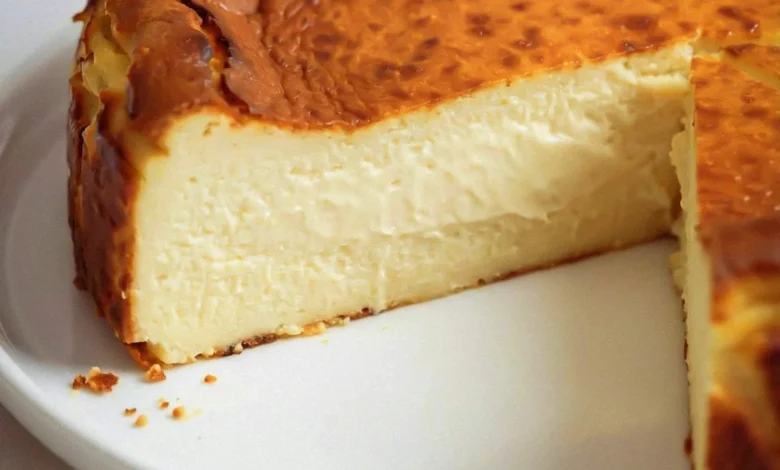
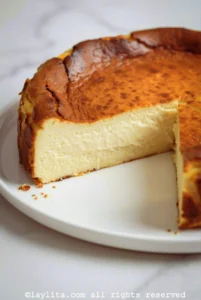
The culinary world has seen countless dessert trends come and go, but few have achieved the enduring, cross-cultural staying power of the Basque cheesecake. Also known as "tarta de queso vasca" or simply burnt cheesecake, this crustless, intensely caramelized pastry has transitioned from a localized regional specialty in northern Spain into a global baking phenomenon. Today, home bakers and professional pastry chefs alike embrace its intentionally charred exterior and rich, custardy interior as a masterclass in culinary paradox: a dessert whose perceived imperfections are actually its defining virtues.
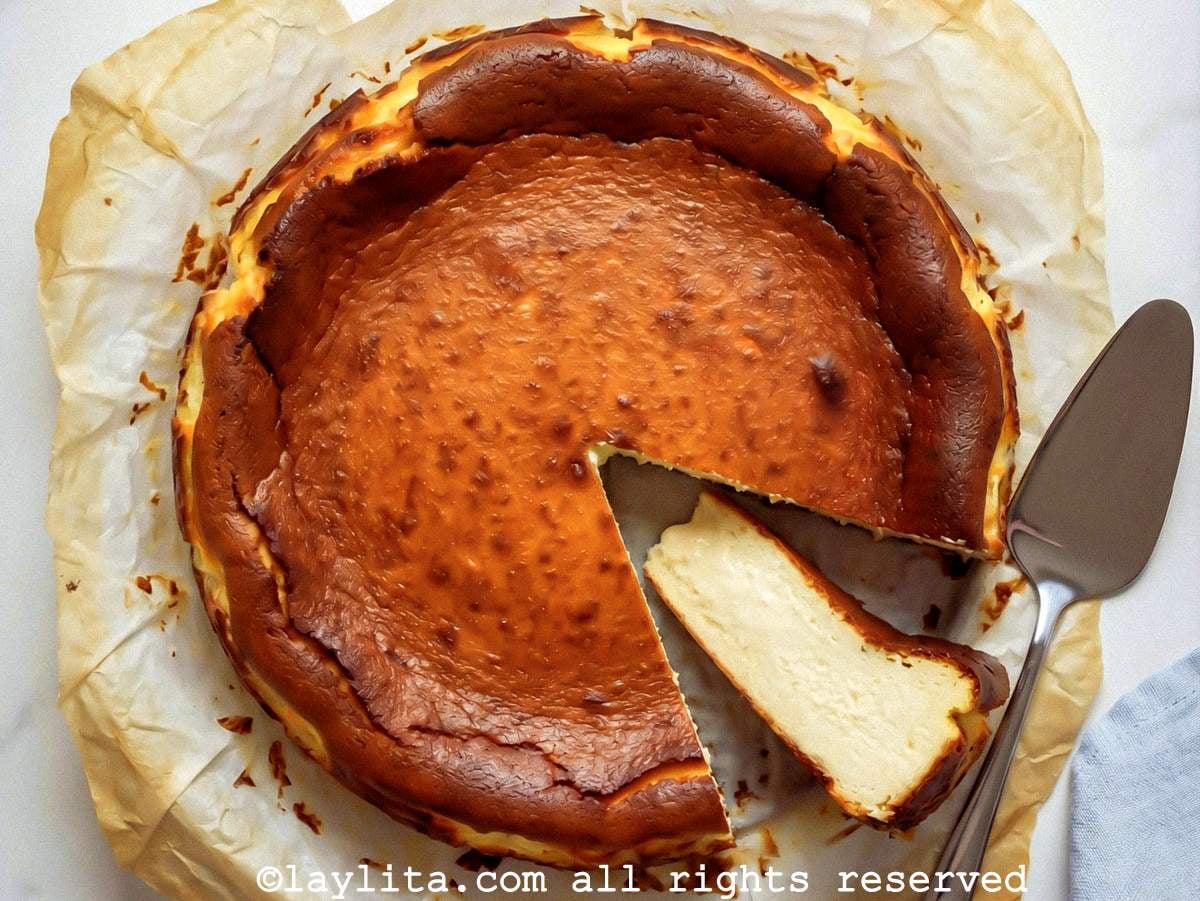
Origins and Cultural Background of La Viña
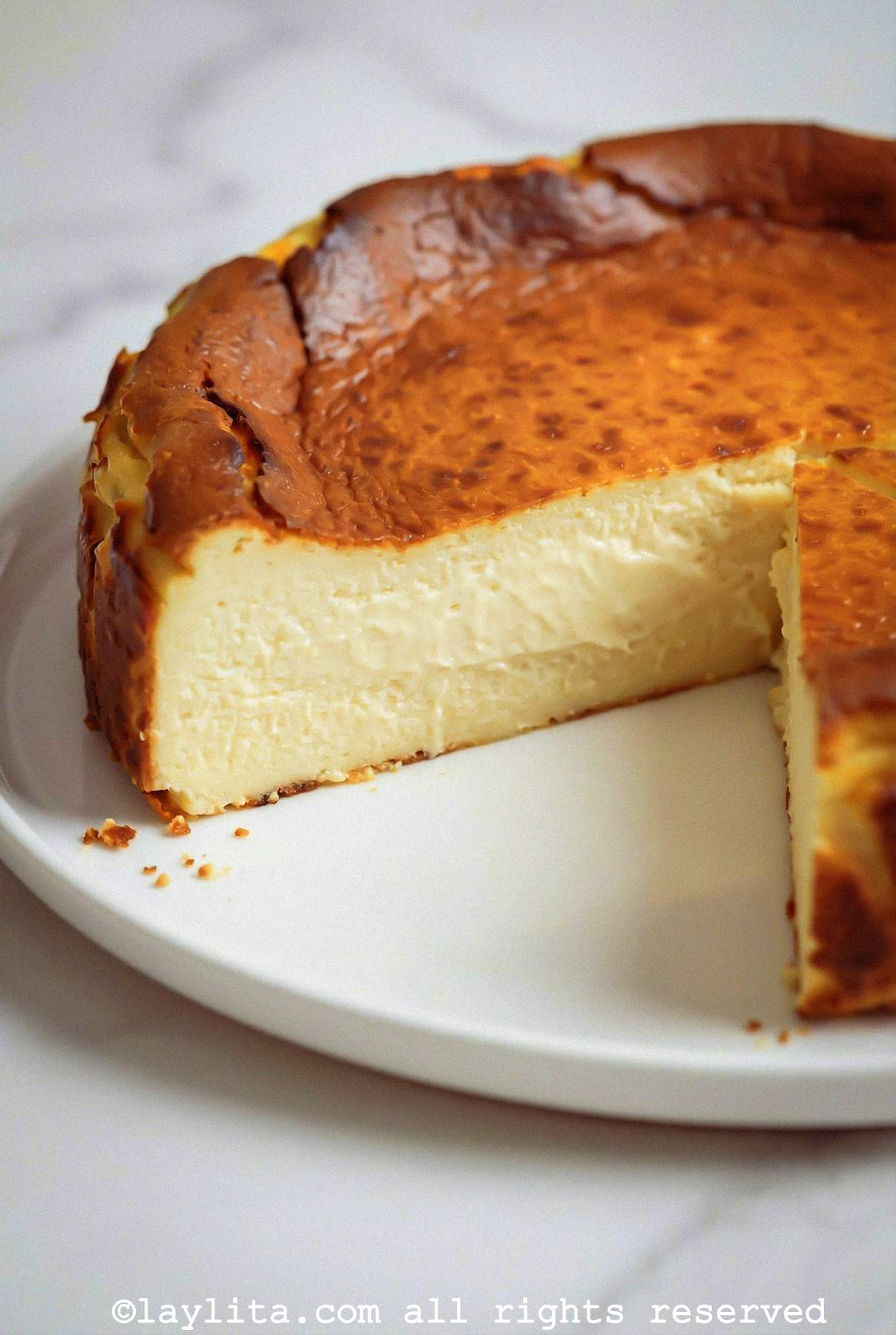
To understand the modern obsession with Basque cheesecake, one must trace its roots back to the picturesque coastal city of San Sebastián, located in Spain’s Basque Country. In the early 1990s, Santiago Rivera, the proprietor of a modest tapas bar named La Viña located in the city’s historic Old Town, set out to create a unique cheesecake offering for his patrons.
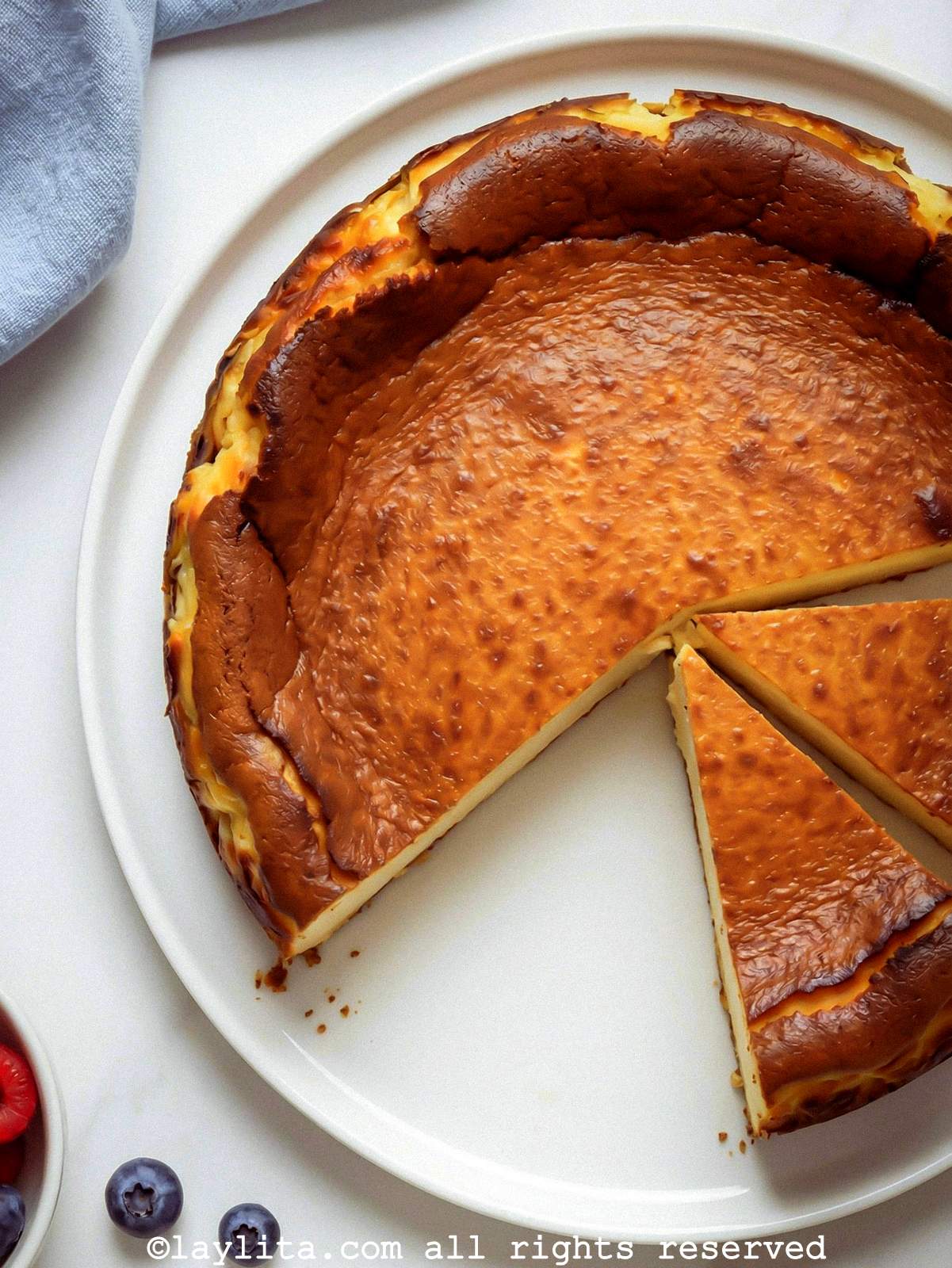
Unlike the dense, uniform New York-style cheesecake that dominated American baking traditions—which relies on a graham cracker crust, low-temperature baking, and a delicate water bath to prevent structural flaws—Rivera took a radically different approach. He eliminated the crust entirely, abandoned the water bath, and subjected the high-fat batter to extreme, high-heat baking conditions.
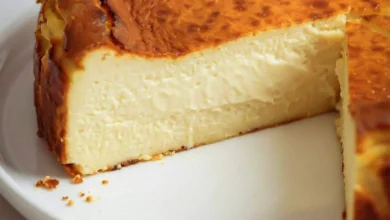
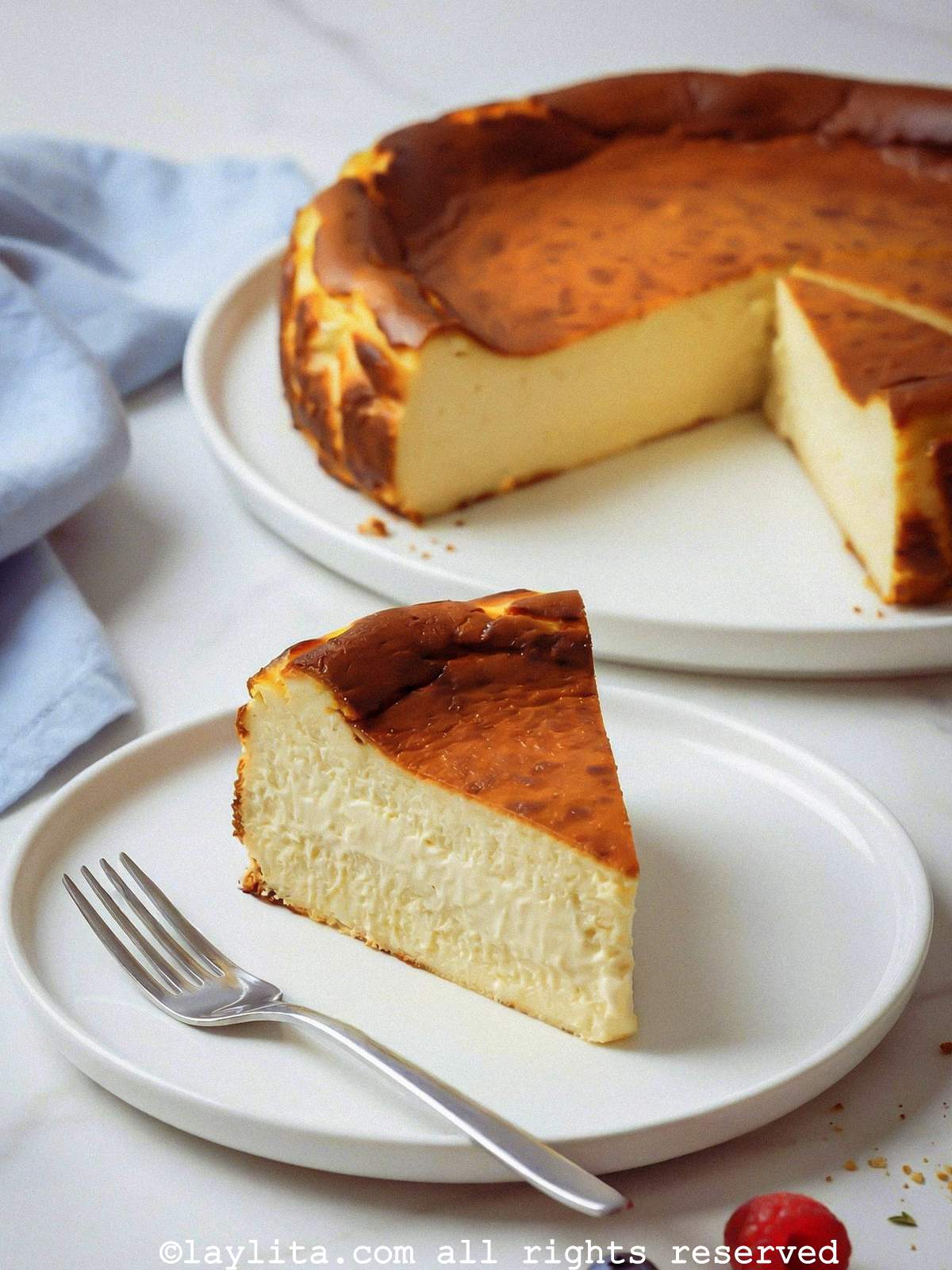
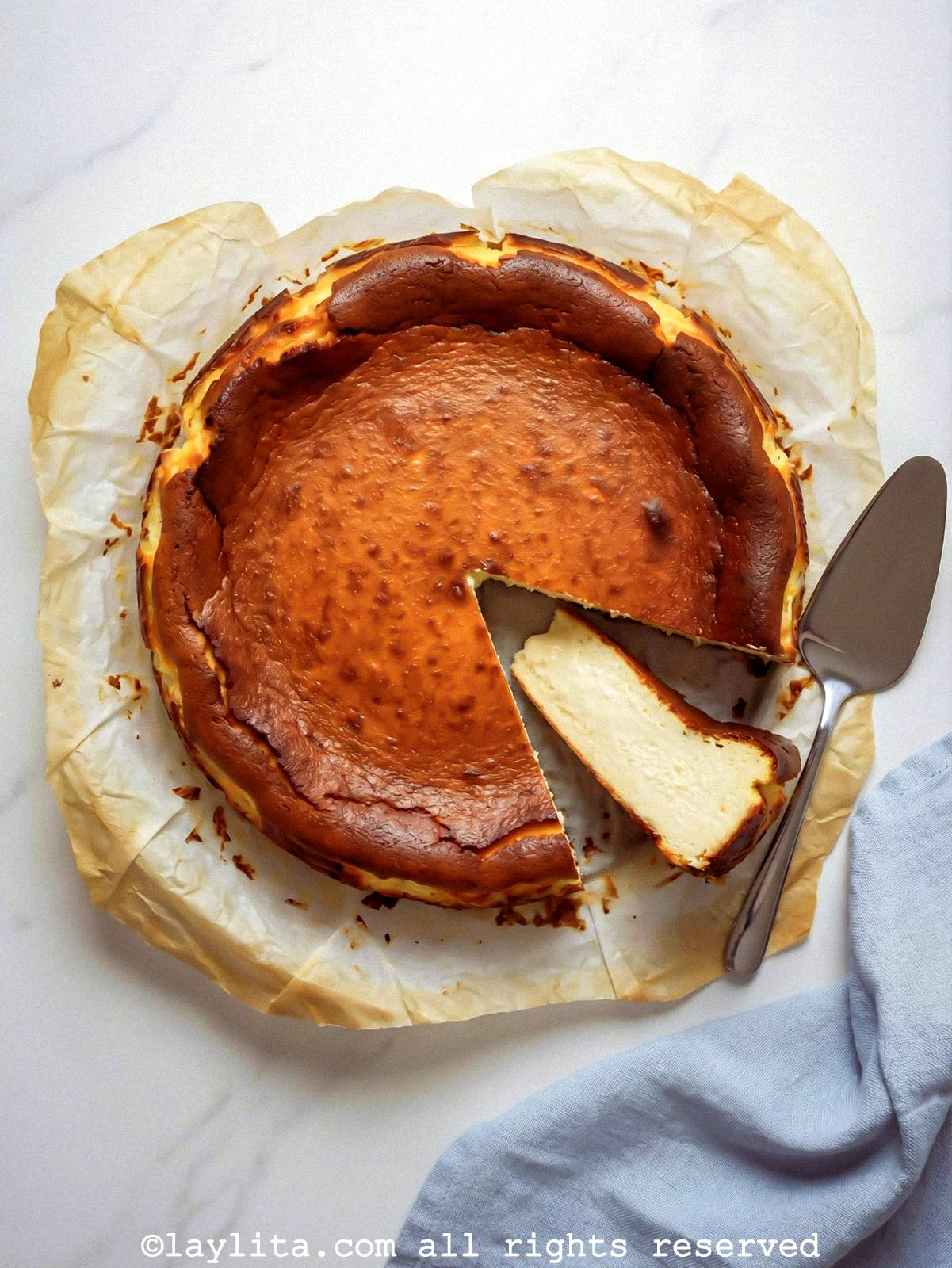
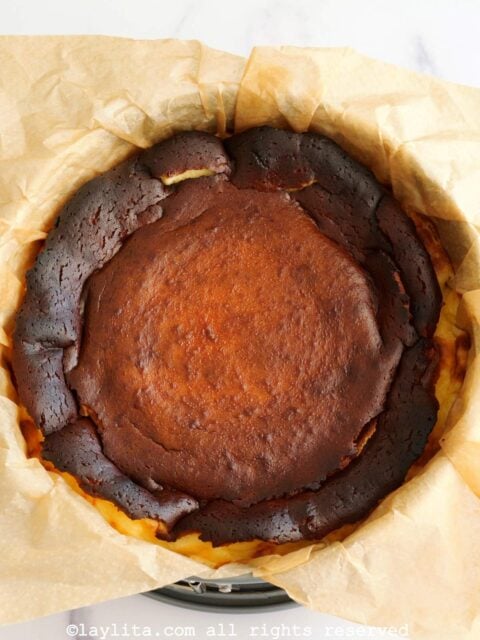
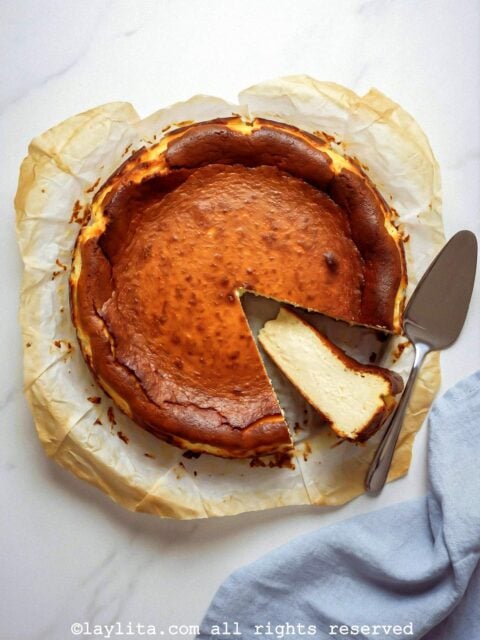
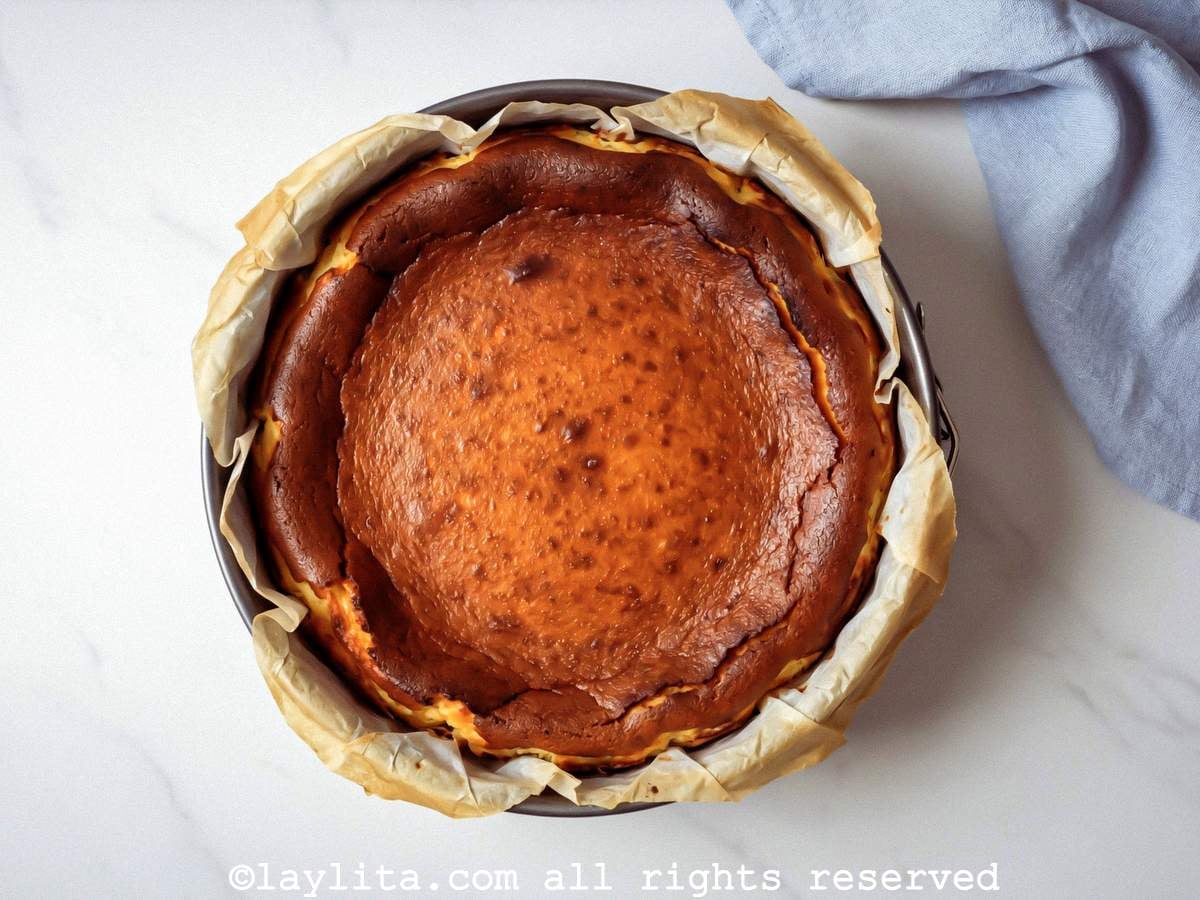
The result was a revelation. The intense heat forced the sugars to caramelize rapidly, yielding a top crust that appeared deeply browned and nearly burnt, while the interior remained unctuously soft, smooth, and gently trembling. What began as a local neighborhood favorite served alongside glasses of local txakoli wine slowly gained a reputation among visiting food critics, international chefs, and culinary tourists, setting the stage for a worldwide migration.
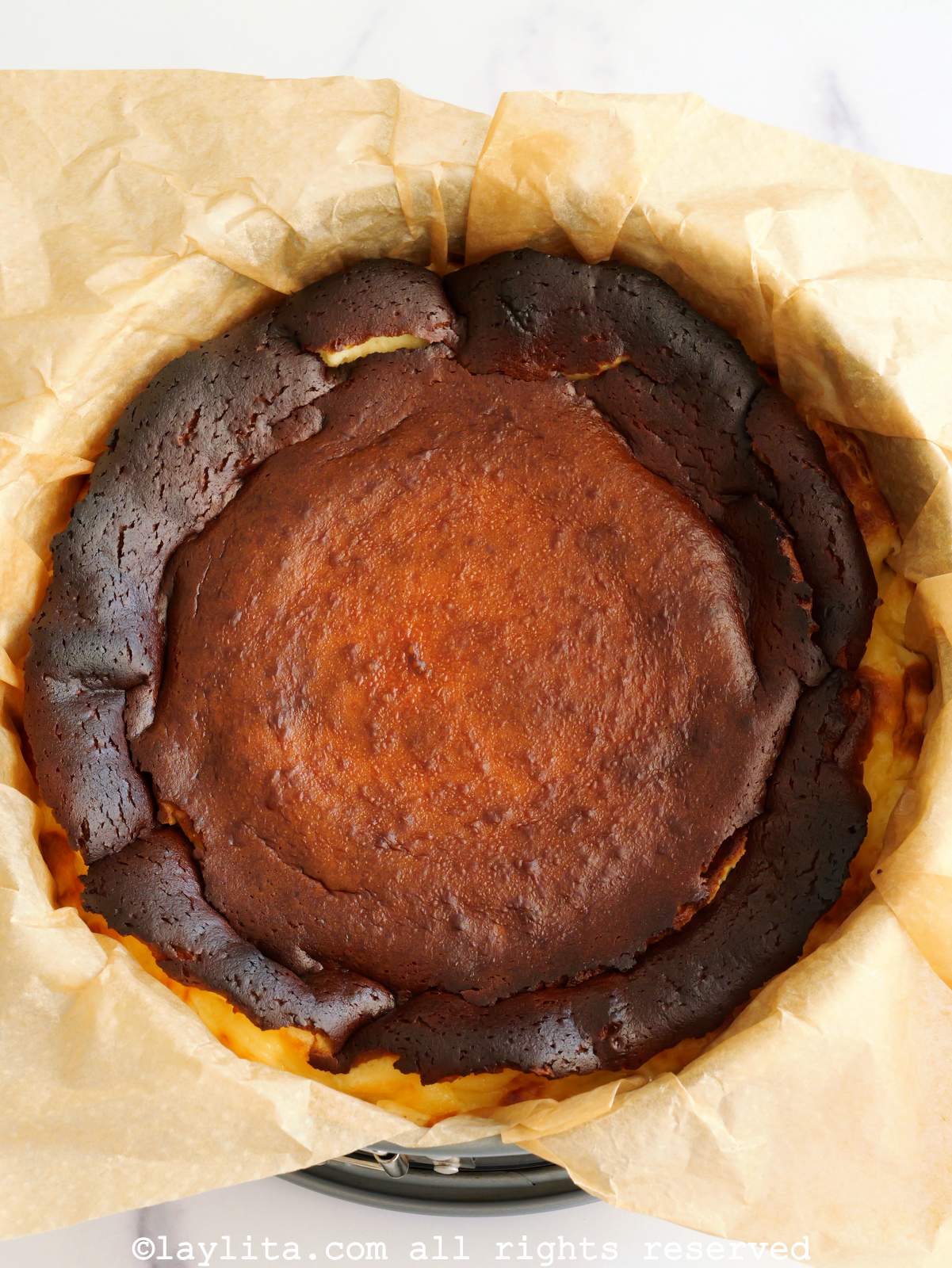
The Anatomy of the Bake: Ingredients and Technique
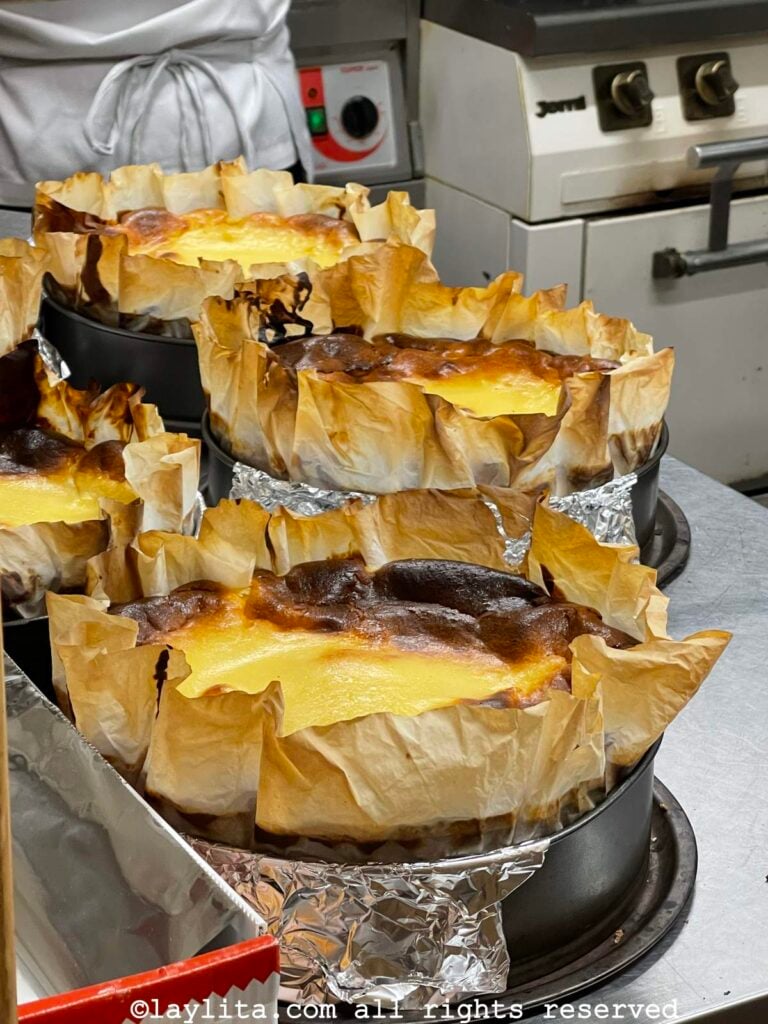
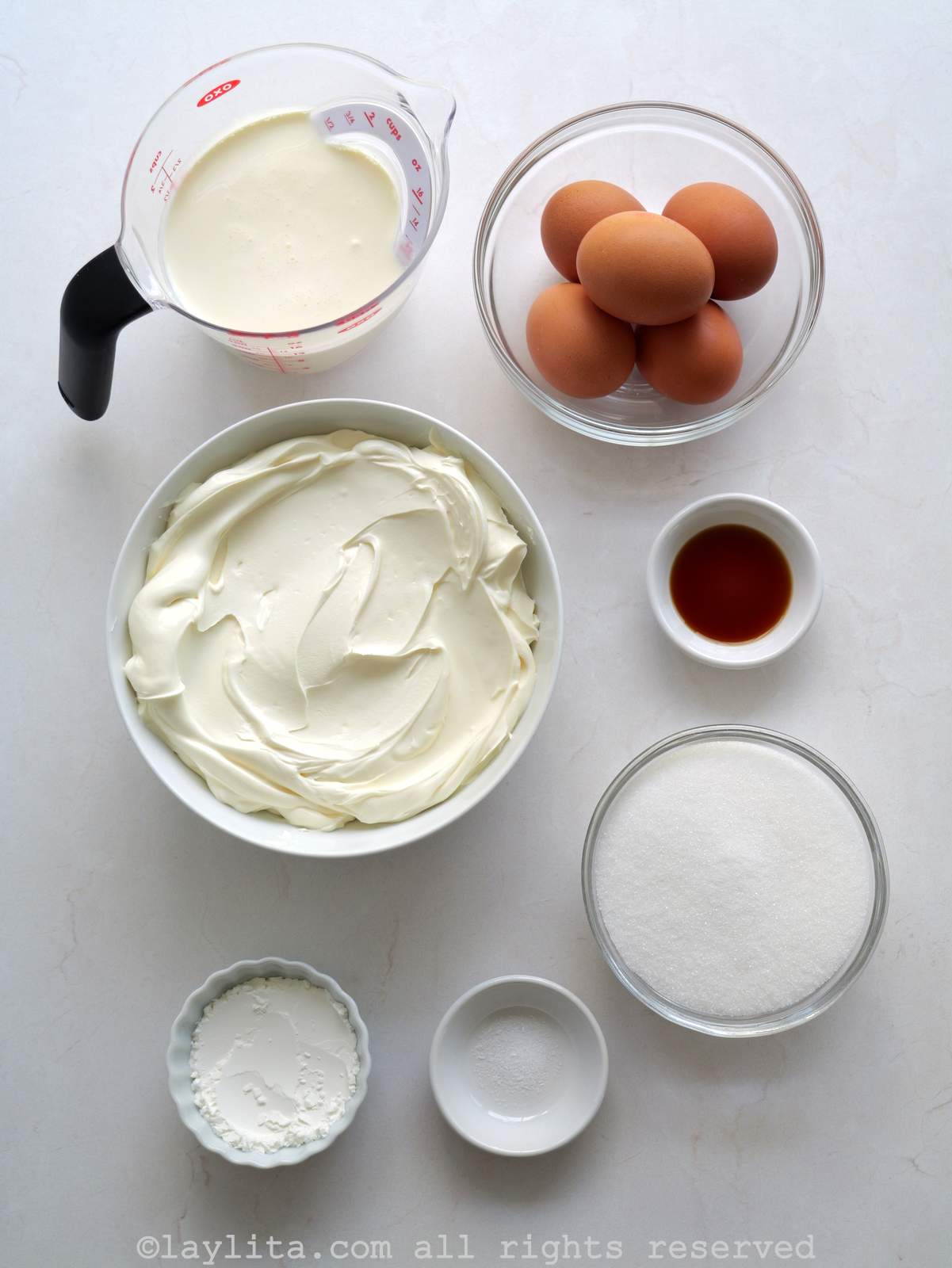
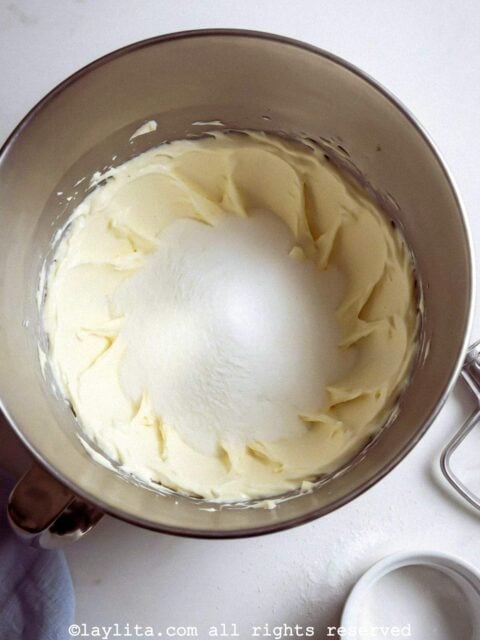
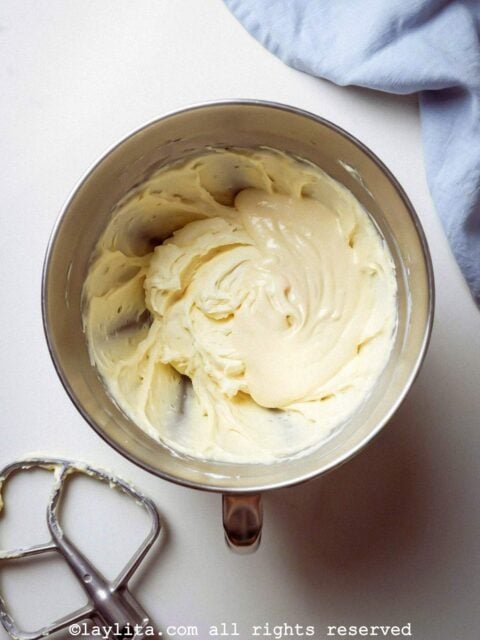
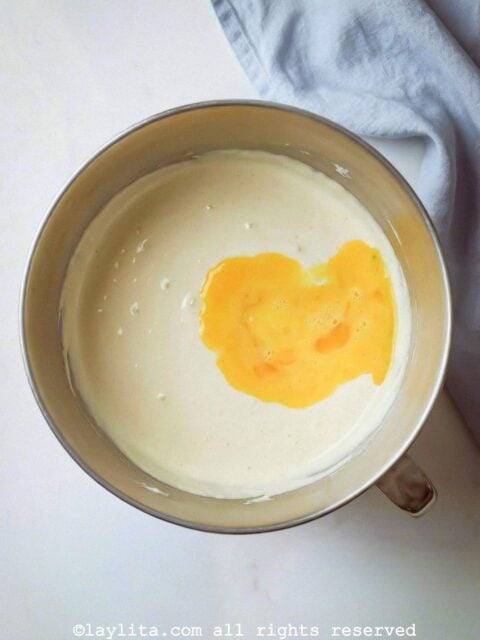
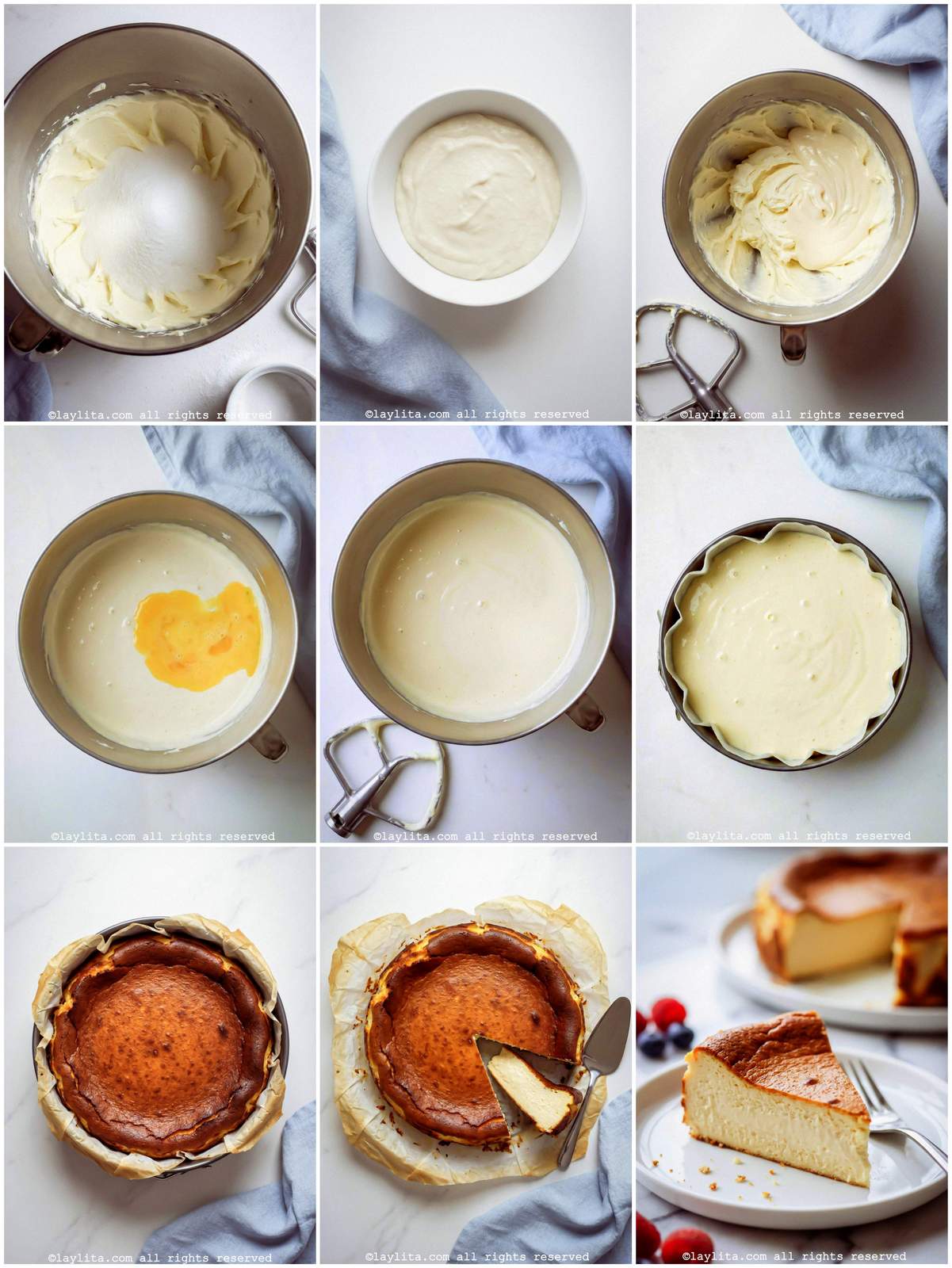
The global appeal of the Basque cheesecake is driven in large part by its surprising simplicity. Unlike complex French pastries or layered desserts that demand specialized equipment and exacting precision, the foundational recipe requires only a handful of readily accessible ingredients: cream cheese, granulated sugar, whole eggs, heavy cream, a touch of vanilla extract, and a minimal amount of flour or cornstarch to provide structural integrity.
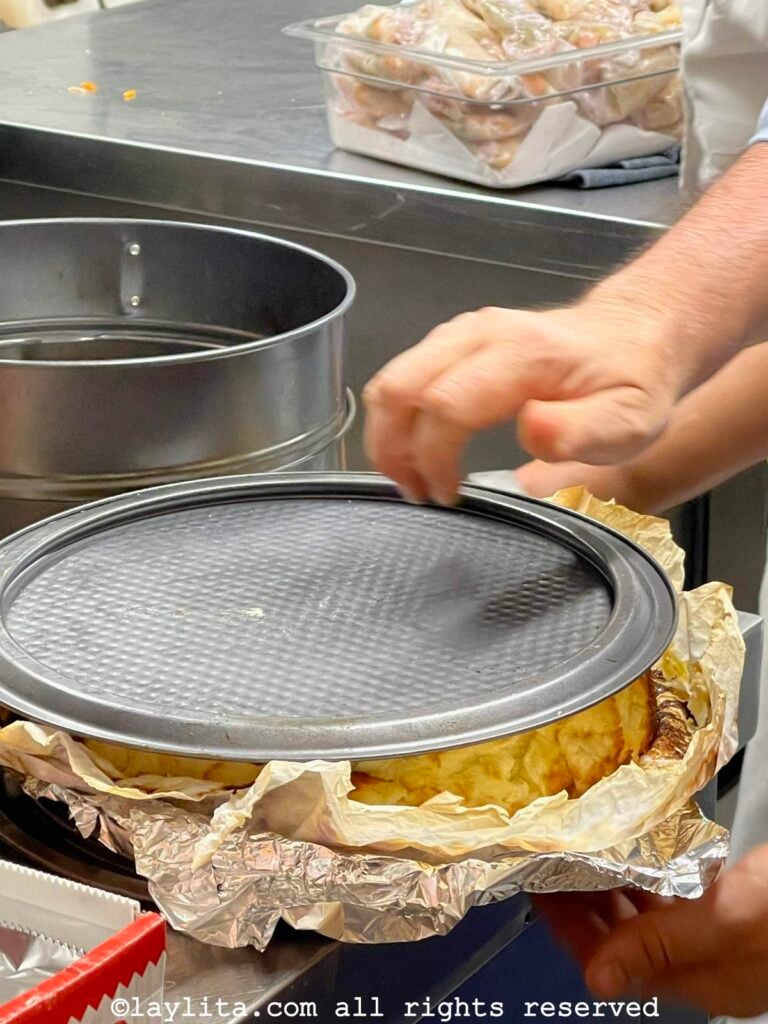
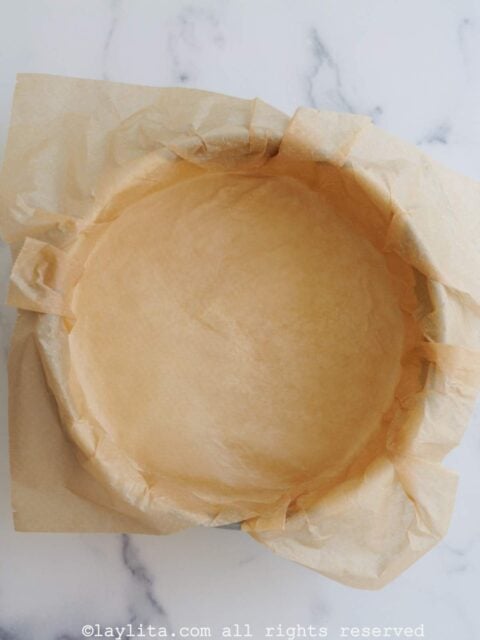
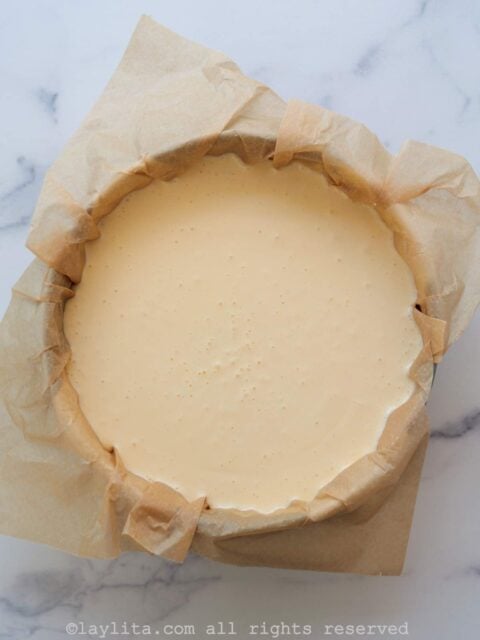
The preparation process defies conventional baking logic. Bakers are not instructed to carefully monitor the oven temperature to prevent cracking or browning. Instead, the oven is typically preheated to a blistering high temperature—often around 400°F to 425°F (200°C to 220°C)—and the cake is baked until the top achieves a dramatic, dark mahogany hue. Furthermore, the baking vessel is lined with crumpled parchment paper that extends high above the rim of the pan, imparting a rustic, pleated aesthetic to the finished dessert.
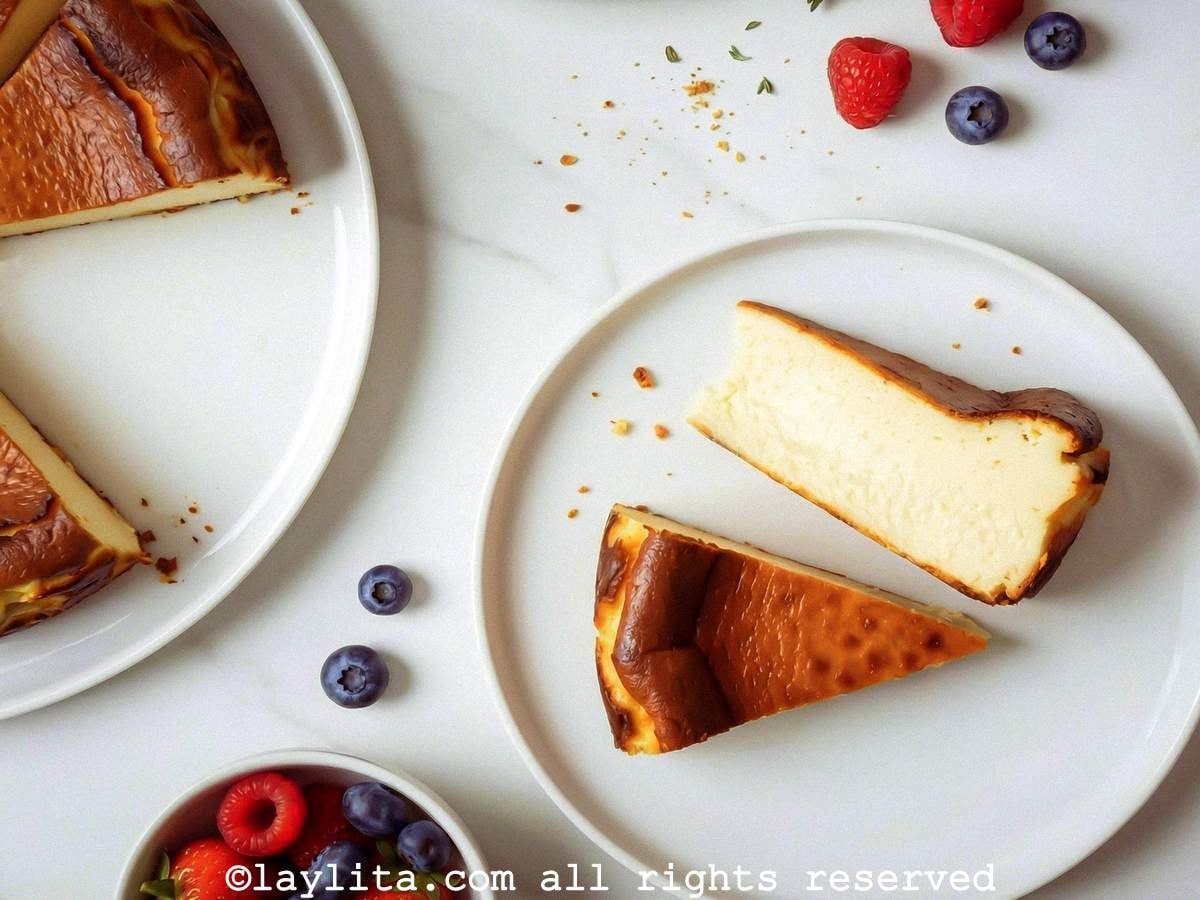
Upon removal from the oven, the cheesecake exhibits a noticeable central wobble or jiggle. Culinary experts emphasize that this soft, custardy center is not a sign of undercooking, but rather the desired final texture. As the cheesecake cools to room temperature and subsequently chills in the refrigerator, the internal structure sets into a velvety, dense yet light consistency that melts on the palate.
Socio-Economic Factors and the Digital Recipe Boom
The rapid acceleration of Basque cheesecake’s popularity during the late 2010s and early 2020s can be attributed to the convergence of digital food media, social video platforms, and shifting consumer preferences toward approachable baking projects. As home cooking experienced a massive resurgence globally, amateur bakers sought recipes that offered high visual and gustatory rewards with minimal risk of failure.
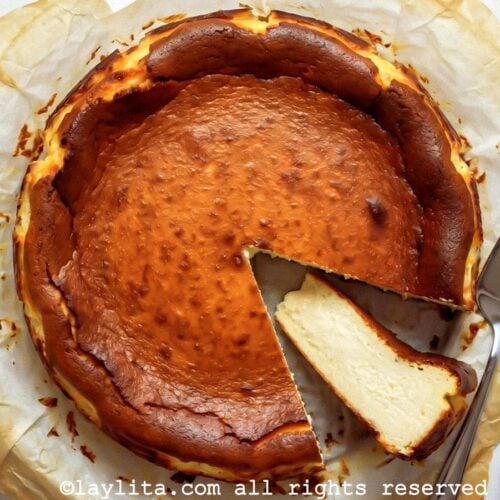
Traditional cheesecakes are notoriously unforgiving; minor fluctuations in oven temperature or cooling times can result in unsightly surface cracks, sunken centers, or curdled textures. The Basque cheesecake inverted this paradigm. Because a cracked, charred top is an inherent and celebrated feature of the dessert, home bakers found immense psychological relief in preparing it. The margin for error was virtually nonexistent, transforming a traditionally intimidating baking challenge into an accessible weekend project.
Moreover, the distinct visual contrast of the dark, caramelized exterior against the pale, creamy interior made the dessert exceptionally photogenic. Food content creators across Instagram, TikTok, and international culinary blogs amplified the recipe, propelling La Viña’s creation from a Basque secret into a viral sensation spanning continents from North America to Asia.
Variations, Adaptations, and Global Interpretations
As the recipe crossed international borders, culinary innovators began introducing localized twists and modern variations. While purists insist on the classic combination of cream cheese, sugar, eggs, and cream, contemporary pastry chefs have experimented extensively with flavor profiles.
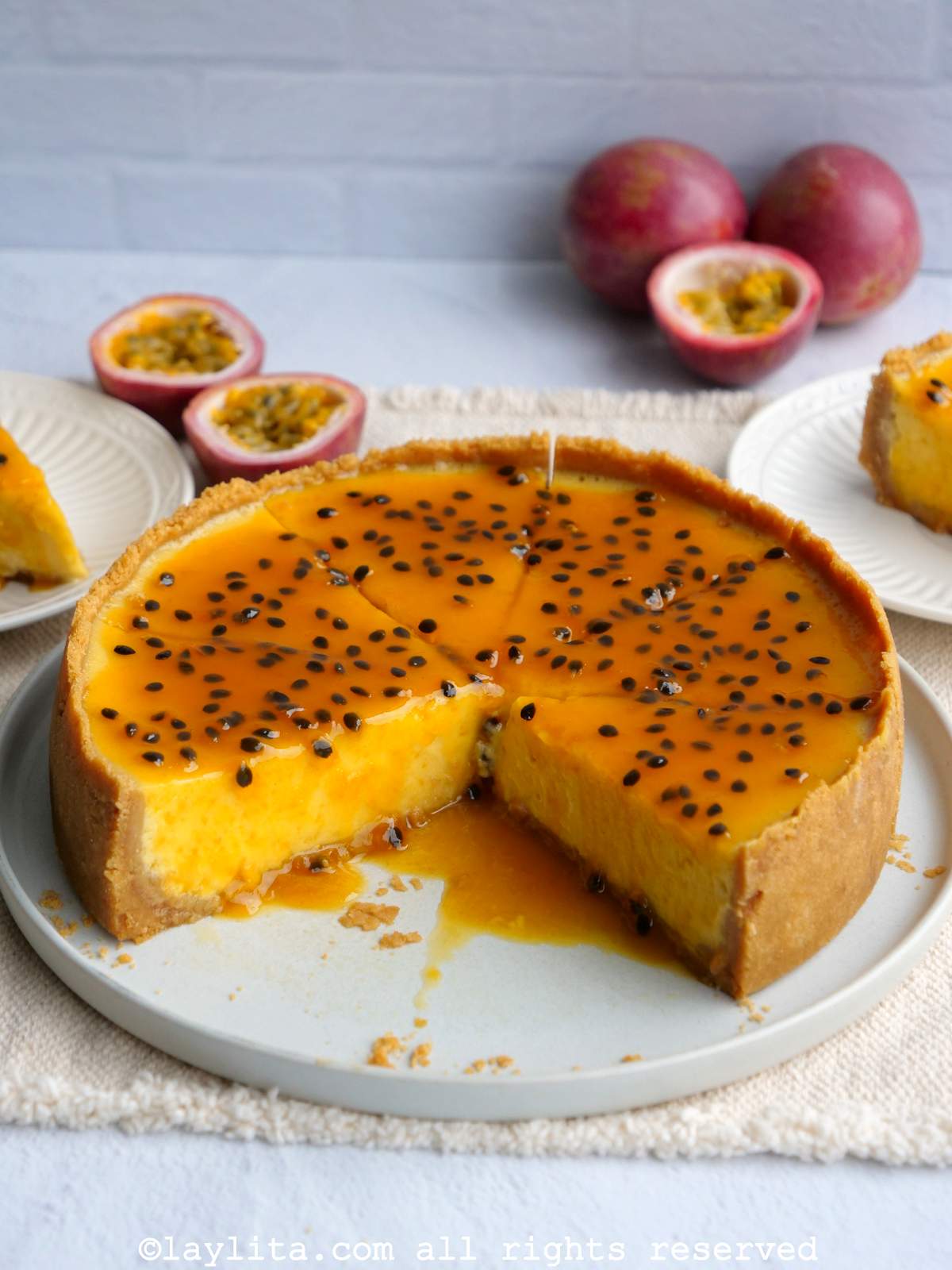
In Japan and South Korea, trendy dessert cafes have adapted the formula to incorporate matcha green tea powder, hojicha, black sesame paste, or Earl Grey infusion, tailoring the rich dairy profile to regional palates that traditionally favor less sugary confections. In North America and Latin America, bakers frequently pair slices of classic Basque cheesecake with seasonal fruit compotes—such as strawberry-rhubarb, blackberry, or passion fruit sauces—to cut through the rich, decadent mouthfeel of the cheese and cream.
Other variations have explored alternative fat sources, incorporating goat cheese or ricotta for a tangier, more complex flavor profile, or introducing artisanal sea salts to accentuate the bittersweet notes of the caramelized top crust. Despite these modern adaptations, the core philosophy of the original recipe—unapologetic high-heat baking and rustic presentation—remains entirely intact.
Storage, Preservation, and Commercial Implications
From a commercial perspective, the Basque cheesecake has offered significant advantages for independent bakeries, patisseries, and upscale restaurants. Unlike delicate sponges or cream-heavy gateaux that require rigorous temperature controls and have exceptionally short shelf lives, a properly baked Basque cheesecake is remarkably resilient.
When stored in a refrigerated environment, the dessert maintains its structural integrity and flavor profile for up to five days. Furthermore, commercial kitchens have found that individual slices can be successfully frozen for up to two months when wrapped appropriately, provided they are thawed slowly overnight in a refrigerator to preserve the silky texture of the crumb.
This stability has allowed artisanal bakeries to scale production efficiently, offering whole cakes for celebratory events or individual wedges served alongside espresso or dessert wines. The elimination of crust-making also reduces labor overhead in commercial settings, making the dessert a high-margin menu item that commands strong consumer demand.
Implications and Future Outlook of the Trend
The ascension of the Basque cheesecake serves as a fascinating case study in modern culinary globalization. It demonstrates that authentic regional traditions, when characterized by exceptional flavor and transparent, accessible techniques, can bypass traditional fine-dining gatekeepers to capture the imagination of the global public.
Food historians and industry analysts note that the enduring appeal of burnt cheesecake points toward a broader consumer shift away from hyper-processed, visually flawless industrial desserts and toward rustic, handmade foods that celebrate natural caramelization and artisanal character. As home baking continues to evolve in an interconnected digital landscape, the legacy of La Viña and its iconic crustless creation ensures that burnt Basque cheesecake will remain a staple of international gastronomy for decades to come.
Related posts: