Chile Morita Salsa: A Comprehensive Guide to the Artisanal Craft of Smoked Chili Condiments

The cultivation, processing, and culinary application of the Morita chile represent a significant intersection of traditional agricultural practices and modern gastronomic innovation. As a specific variety of the Capsicum annuum species, the Morita chile—often colloquially grouped under the broader umbrella of chipotles—occupies a unique niche in international spice markets. Understanding the development of this ingredient from a fresh jalapeño to a smoke-infused, dehydrated flavor profile is essential for professional chefs and home cooks seeking to elevate their repertoire.
The Botanical Origin and Processing Evolution
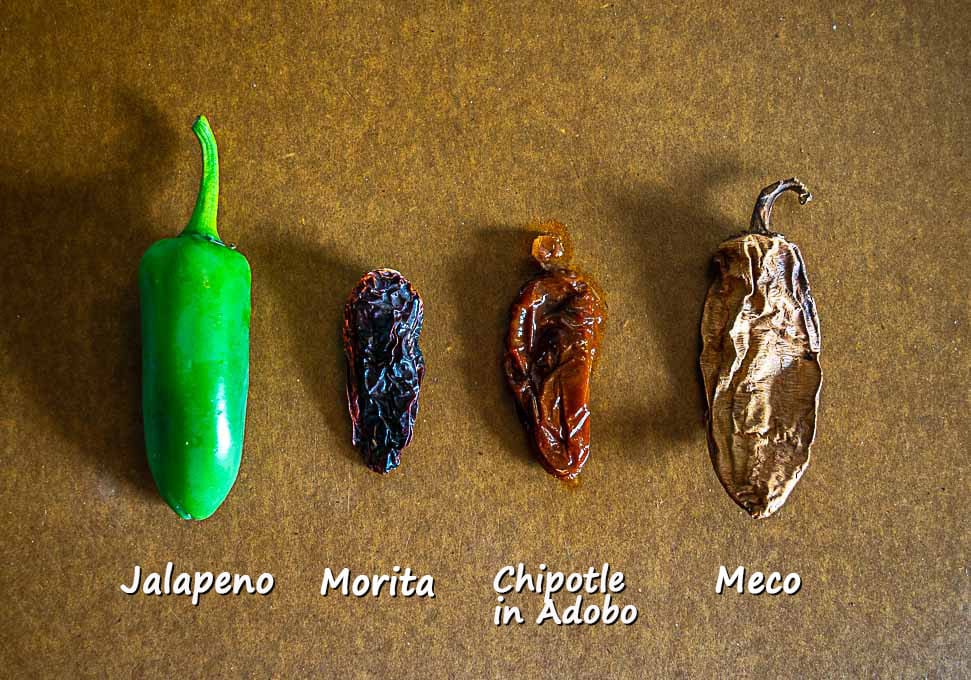
The transformation of a jalapeño into a Morita chile is a precise, multi-stage process that highlights the importance of post-harvest handling in culinary arts. Initially, the fruit is allowed to remain on the vine beyond the traditional green harvest stage. During this extended ripening period, the fruit undergoes a physiological change, transitioning from a vibrant green to a deep, dark red.
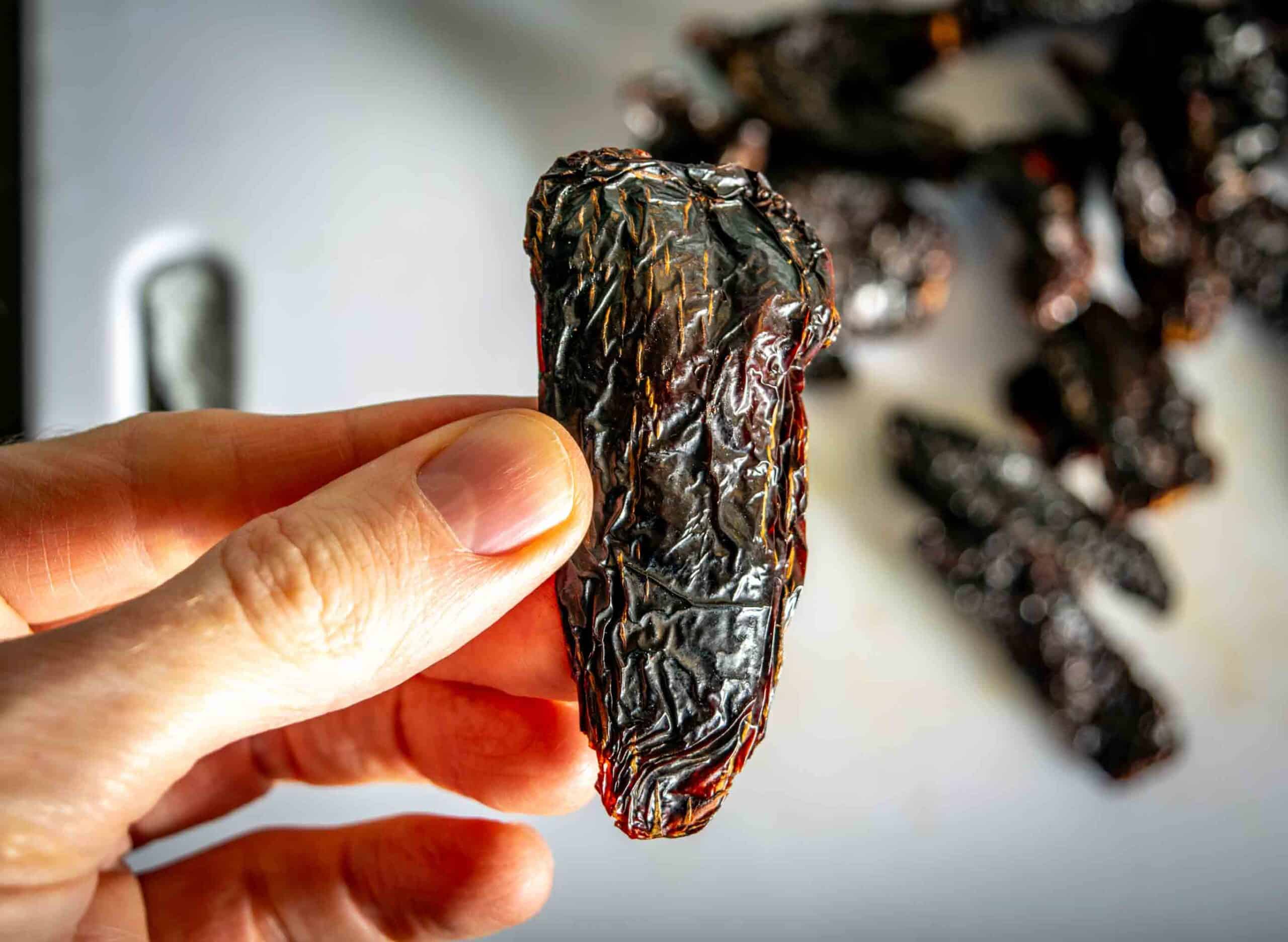
Once the desired sugar content and moisture levels are achieved, the peppers are harvested and subjected to a controlled smoking and dehydration process. Unlike the "Chipotle Meco," which is dried for a longer duration until it reaches a tan or beige hue, the Morita is smoked for a shorter period. This specific technique preserves a slight pliancy in the skin and retains a higher degree of fruity, bright acidity alongside the signature smoky undertones. This nuance makes the Morita particularly prized in Mexican cuisine for salsas that require a balance of intense heat and complex, deep flavor profiles.
Analytical Breakdown of the Culinary Process
The preparation of a high-quality Morita salsa requires strict adherence to preparation protocols to ensure food safety and flavor extraction. The primary steps—roasting and rehydration—are not merely optional techniques but are essential chemical processes that activate volatile compounds within the dried fruit.
Roasting, whether performed in a conventional oven or via dry-pan searing, serves to "awaken" the capsaicinoids and essential oils locked within the dehydrated skin. Scientific observation of this process reveals that heat exposure triggers the Maillard reaction in the residual sugars of the chile, significantly deepening the flavor profile. Following the roasting phase, the rehydration process involves submerging the chiles in warm, filtered water. This osmotic process softens the fibrous tissues, allowing for a more homogenous emulsion when combined with other ingredients.
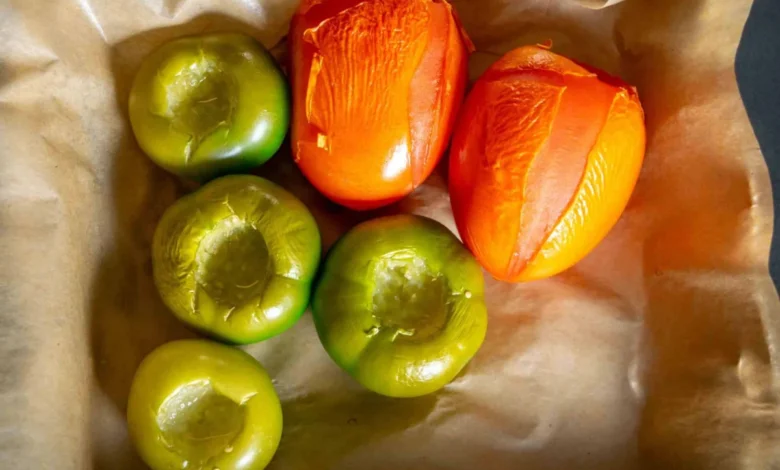
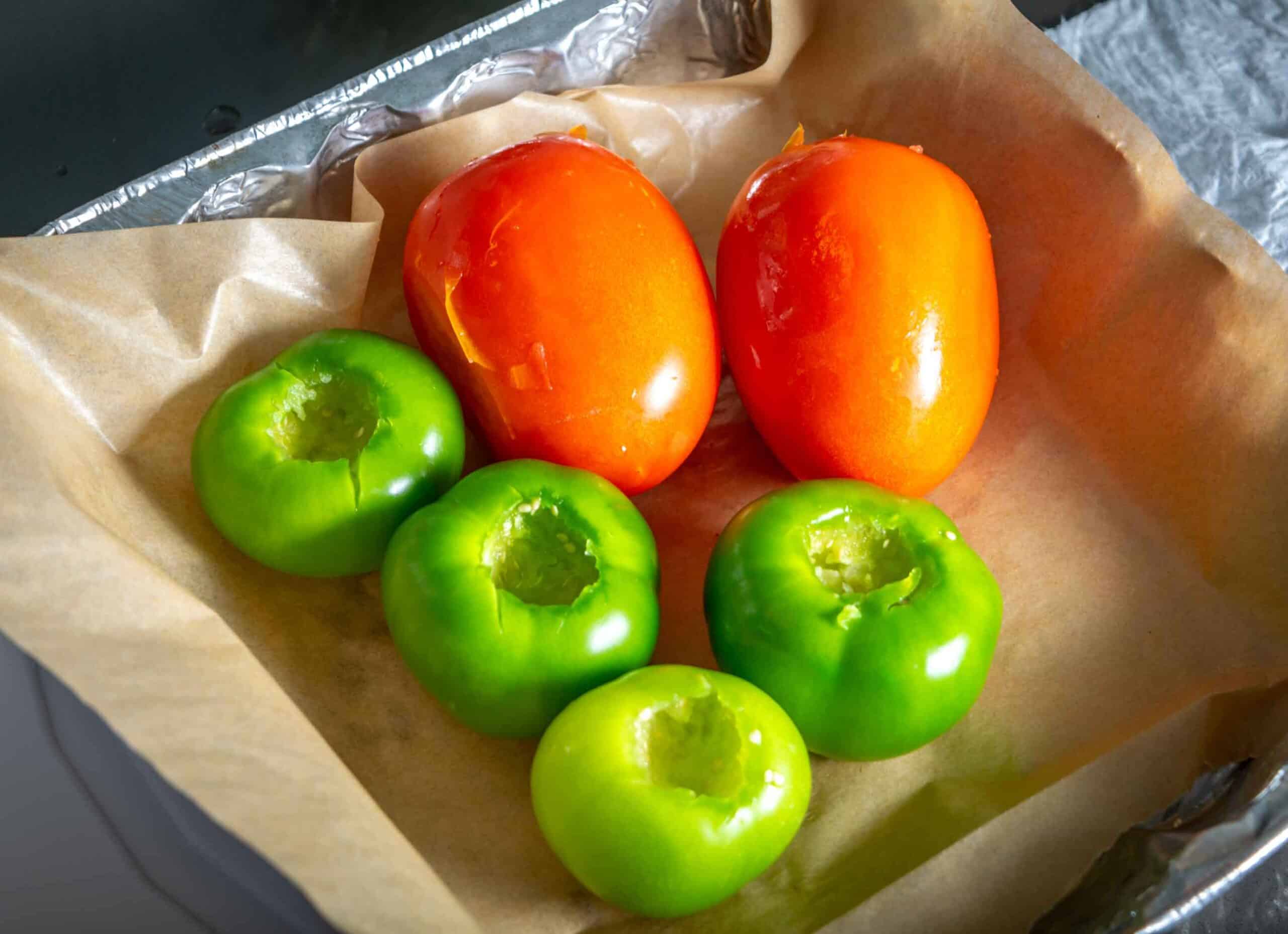
The current industry standard for a balanced salsa includes a base of Roma tomatoes and tomatillos. The inclusion of tomatillos (Physalis philadelphica) provides a necessary acidity that offsets the high heat of the Morita. Data from test kitchens suggests that a ratio of two roma tomatoes to four tomatillos provides the ideal structural integrity for a medium-viscosity salsa.
Chronology of Preparation and Best Practices
For those adhering to professional culinary standards, the preparation of this salsa follows a standardized timeline:
- Pre-heat (0–10 minutes): Set the oven to 400°F (200°C) to ensure an even thermal environment for roasting.
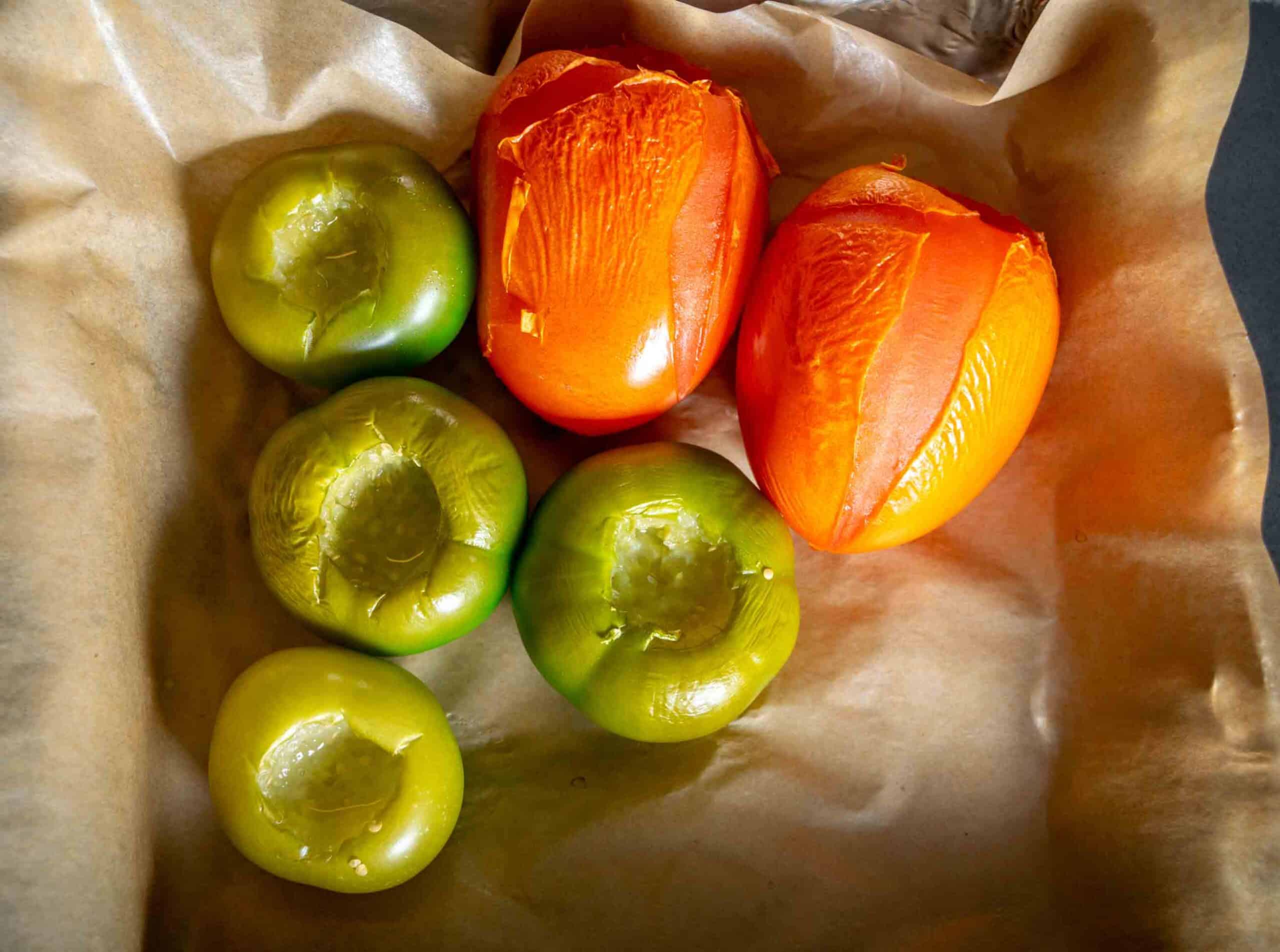
- Thermal Processing (20–30 minutes): Place the tomatoes, tomatillos, garlic, and onion on a sheet pan. It is critical to monitor the tomatillos closely, as their higher water content and thinner skin may lead to over-charring if left for the full duration of the tomato roast.
- Rehydration (15–20 minutes): While the vegetables roast, the Morita chiles should be submerged in hot tap water.
- De-seeding and Blending (5 minutes): Post-rehydration, the seeds can be removed. While the seeds contribute minimally to the overall flavor, their texture can be undesirable in a smooth salsa.
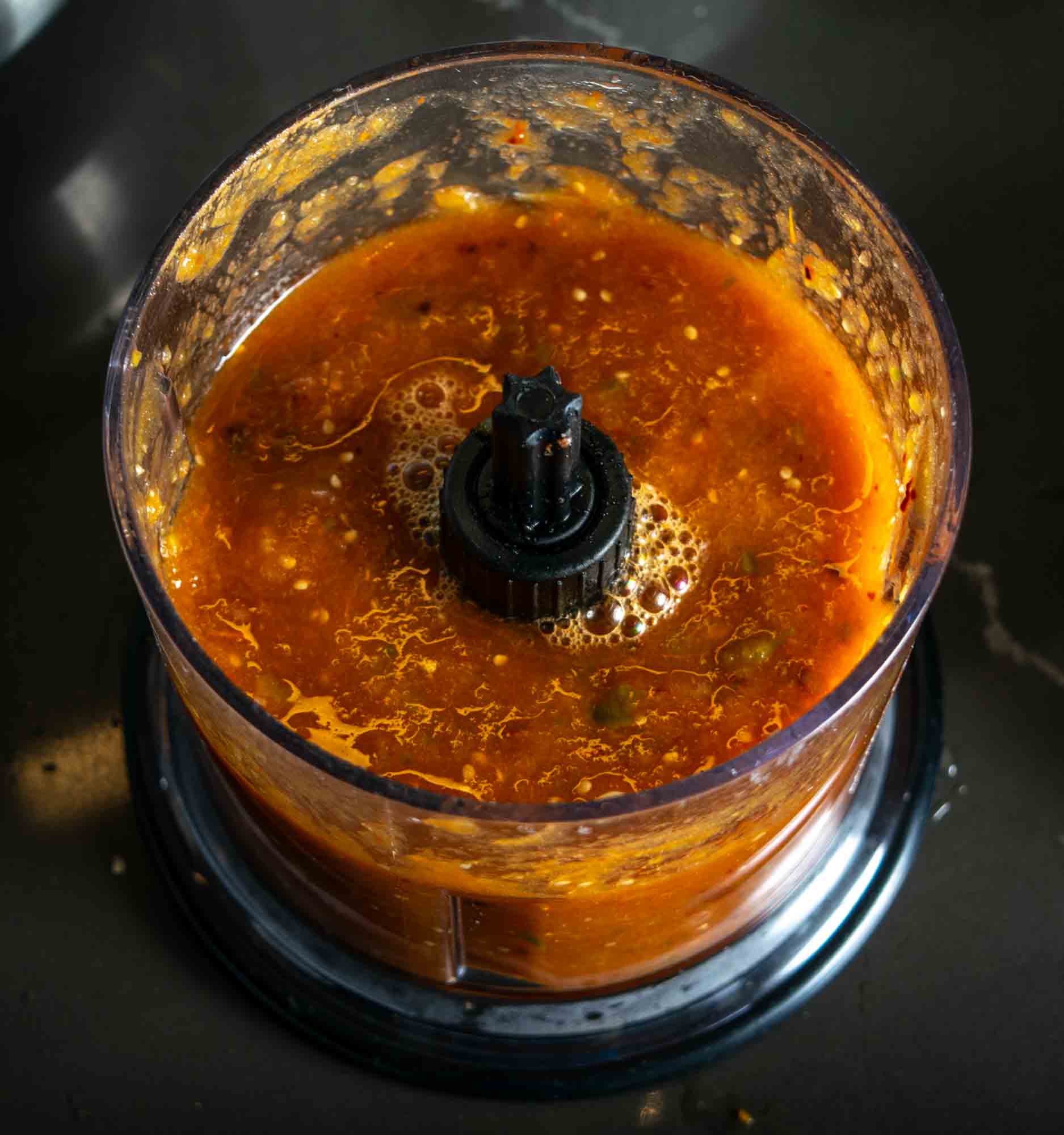
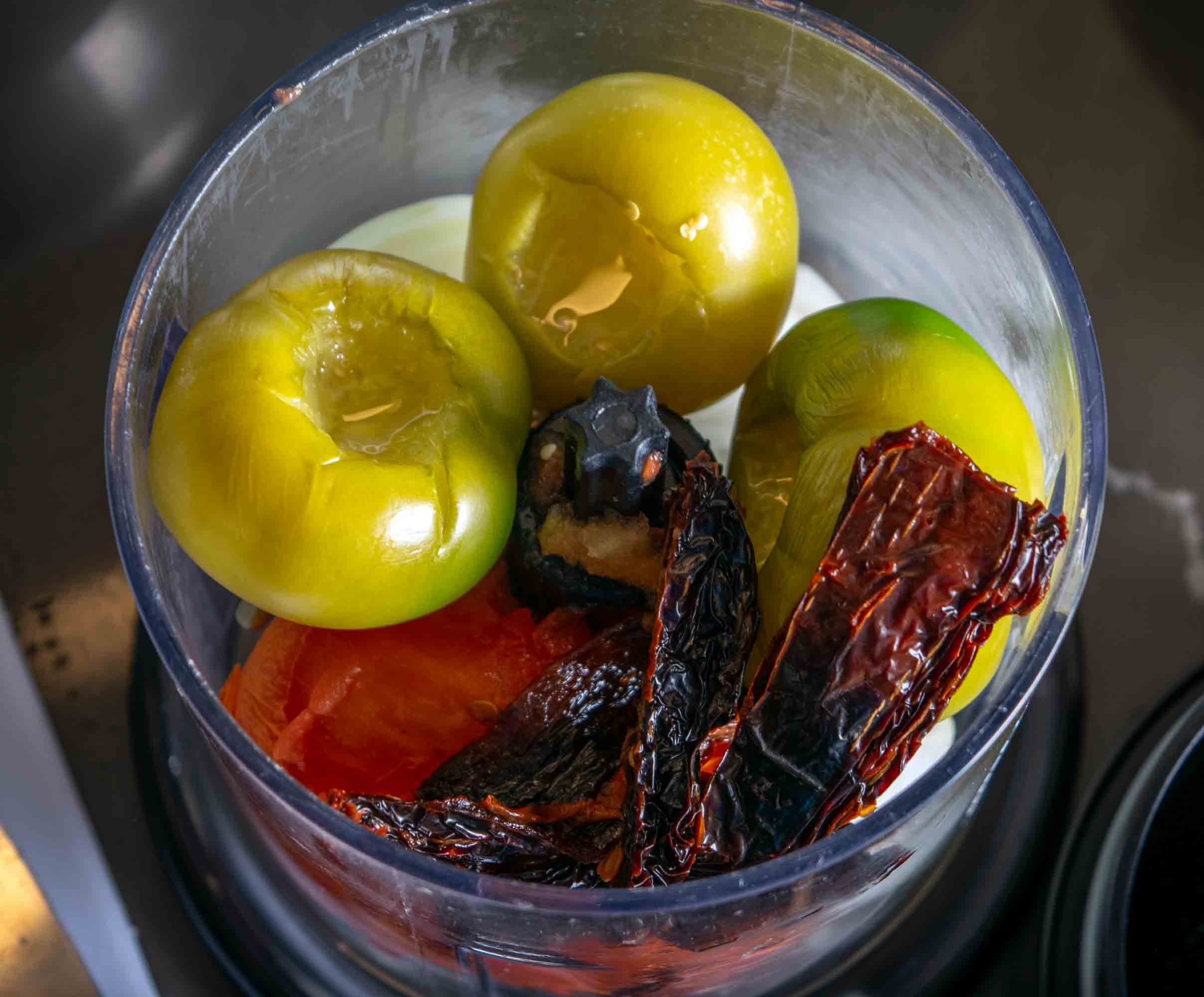
- Emulsification (2 minutes): Combine all ingredients in a high-speed blender. The pulse function is recommended to maintain a desirable texture rather than a pureed consistency.
Heat Profiles and Consumer Safety
The Scoville Heat Unit (SHU) rating for a Morita chile typically ranges between 5,000 and 10,000 units. While this is relatively moderate compared to habanero or ghost peppers, the concentration of capsaicin in a concentrated salsa can be significant.
Chef-driven recommendations suggest a conservative approach for initial batches. Utilizing a single Morita chile serves as a baseline, with incremental additions of slivers allowed based on individual palate tolerance. This "tasting-as-you-go" methodology is considered the gold standard for maintaining consistency in commercial and domestic kitchens.
Broader Economic and Culinary Implications
The rise in popularity of regional Mexican ingredients has had a measurable impact on the supply chain. Hispanic specialty markets remain the primary source for authentic, high-quality Morita chiles; however, increased demand has led to their inclusion in the inventory of major national retailers and e-commerce platforms.
From an economic standpoint, the ability to source and utilize dried chiles effectively reduces waste and provides a long-term storage solution for kitchens. Dried chiles, when stored in a cool, dark, and airtight environment, maintain their efficacy for months, providing a reliable pantry staple that fresh produce cannot match.
Culinary Integration: Beyond the Dip
The versatility of a well-crafted Morita salsa extends far beyond its traditional use as a condiment for tortilla chips. Its profile—smoky, tangy, and moderately spicy—makes it an ideal component for a variety of applications:
- Protein Marination: The acidity of the tomatillo combined with the smoke of the Morita makes for an excellent base for braising chicken or pork.
- Breakfast Applications: The complexity of the salsa provides a necessary contrast to the richness of eggs in breakfast tacos or chilaquiles.
- Vegetarian Tostadas: When paired with neutral, creamy elements like avocado or queso fresco, the sharp heat of the salsa provides a necessary palate balance.
Conclusion and Future Outlook
As consumer interest in authentic global flavors continues to grow, the Morita chile is positioned to remain a staple ingredient. Its unique processing method—a testament to the ingenuity of traditional preservation techniques—offers a depth of flavor that is difficult to replicate with fresh chiles alone. By understanding the science of roasting, the necessity of proper rehydration, and the importance of ingredient ratios, cooks can successfully incorporate this "flavorbomb" into their culinary repertoire.
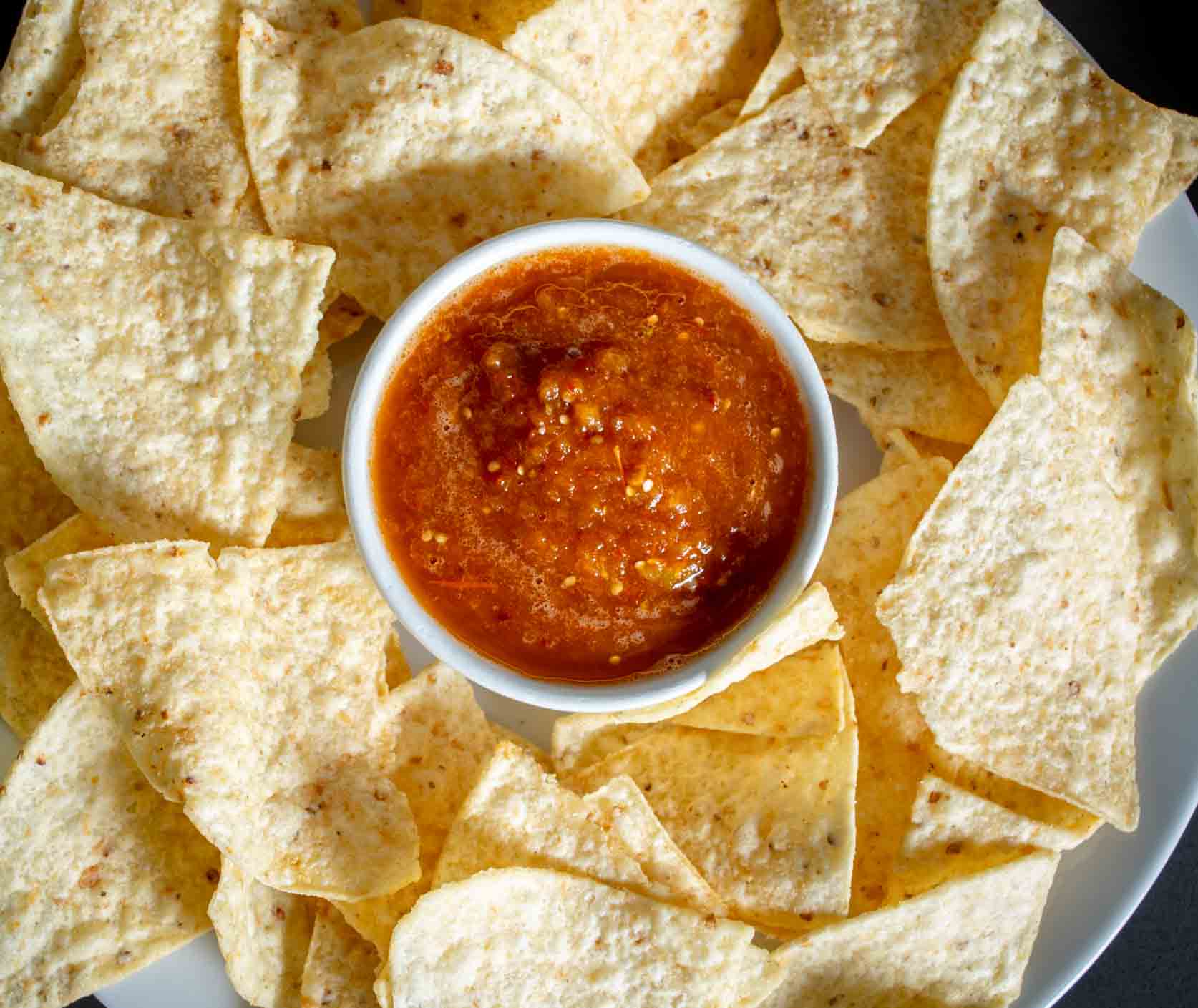
Whether one is a professional chef looking to refine a menu or a home cook attempting a new technique, the Morita salsa serves as a perfect introduction to the world of dried chiles. The ease of access, combined with the relative simplicity of the preparation, ensures that this condiment will continue to hold a prominent place in kitchens worldwide. Practitioners are encouraged to experiment with the ratios of tomatoes to tomatillos and to observe the subtle shifts in flavor that occur with varying levels of roast, as these minute adjustments define the difference between a standard salsa and a culinary masterpiece.
Related posts: